Understanding Mixed Media Art
Mixed media art is a dynamic form of artistic expression that blends various art materials and techniques into a single cohesive piece. This art style goes beyond traditional boundaries by combining different mediums such as paint, ink, paper, fabric, and even found objects, allowing artists to explore unlimited creative possibilities. The definition of mixed media art emphasizes the integration of multiple artistic elements, highlighting the innovative ways artists merge different textures, colors, and materials to create visually captivating compositions.
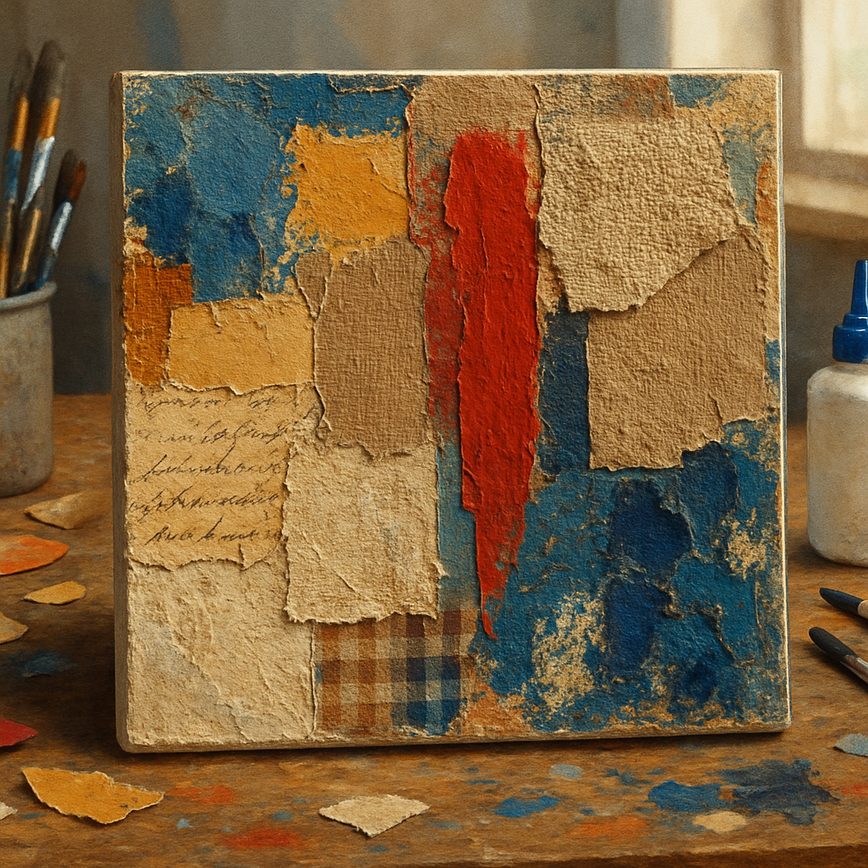
At its core, mixed media art involves the intentional layering and combination of diverse art techniques like drawing, painting, collage, printmaking, and sculpting. For example, an artist might start with a watercolor background, add collage elements with glued paper snippets, and enhance details with ink drawings or acrylic paint. This blending of methods not only enriches the artwork but also encourages experimentation and personal expression, making each mixed media piece unique in its form and message.
The use of multimedia in mixed media art pushes the boundaries of traditional art forms, embracing innovation and versatility. Artists often challenge conventional techniques by incorporating unconventional materials such as metal, textiles, photographs, or digital elements. This versatility allows mixed media artworks to convey complex narratives and emotions, engaging viewers through their rich textures and layered meanings.
In summary, mixed media art is defined by its fusion of multiple art materials and techniques, creating depth and dimension that single-medium artworks rarely achieve. This approach to art encourages artists to experiment freely, blending various art forms to produce imaginative and thought-provoking creations. Whether through traditional or contemporary materials, mixed media art stands out for its creativity and innovative use of multimedia elements.
History and Evolution of Mixed Media Art
The history of mixed media art is rich and diverse, reflecting the evolution of artistic expression over centuries. Mixed media origins can be traced back to early art movements where artists began experimenting beyond traditional boundaries. From the Cubists in the early 20th century, who combined painting and collage, to the Dada movement’s embrace of found objects, mixed media became a vital avenue for creative innovation. Notable artists such as Pablo Picasso and Georges Braque pioneered the use of mixed media by integrating newspaper clippings and textured materials into their works, challenging the conventions of fine art.
The art evolution continued with the emergence of the Surrealists and later the Abstract Expressionists, who incorporated diverse materials and techniques to evoke new meanings. During the 1950s and 60s, artists like Robert Rauschenberg used everyday objects combined with traditional media to blur the lines between life and art in what became iconic mixed media compositions. These movements reflected not only a creative shift but also an expansion of the very definition of art itself.
Overall, the history of mixed media art highlights a dynamic journey influenced by various art movements and visionary artists. This evolution demonstrates how mixed media remains a powerful tool for artists to explore, innovate, and communicate complex ideas in ways that transcend singular techniques or materials.
Common Materials and Techniques
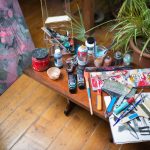
Mixed media art is celebrated for its diverse range of materials and techniques, allowing artists to blend multiple elements to create unique compositions. Popular materials include traditional art supplies like paint in various forms—acrylics, watercolors, and oils—which add color and texture. Collage is another widely used technique, involving the layering of paper, photographs, and other flat objects to build intricate visual narratives.
Fabric plays a vital role in mixed media art as well, providing tactile contrasts and structural depth. Artists may incorporate textiles such as burlap, lace, or cotton for a three-dimensional effect or to evoke emotional responses through texture. Found objects—unexpected items like buttons, beads, metal pieces, or natural elements—are also commonly integrated, transforming everyday items into expressive components of the artwork.
In terms of techniques, layering is fundamental, combining paint, collage, and other materials to achieve rich surfaces and complex designs. Artists often use adhesives, stitching, or even sculptural methods to secure various materials, enhancing the multidimensional quality of the piece. This interplay of materials and techniques offers endless creative possibilities, making mixed media art an ever-evolving field.
Creating Your Own Mixed Media Art
Creating your own mixed media art can be an exciting journey that combines various materials and techniques to produce truly unique pieces. If you’re wondering how to create mixed media artwork, this step-by-step art tutorial will walk you through the entire mixed media process, from idea conception to adding the final touches.
- Gather Inspiration and Conceive Your Idea
Start by exploring different sources of inspiration such as nature, emotions, or other artworks. Sketch out your ideas and focus on how you want to integrate different materials. This initial creative process is essential to set a clear vision for your artwork. - Select Your Materials
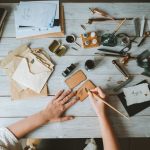
Choose a variety of materials that appeal to you and fit your concept. Common mixed media elements include acrylic paints, ink, fabric, paper, and found objects. Deciding on the textures and colors early on helps streamline the process. - Prepare Your Base
Decide on the surface for your artwork, such as canvas, wood panels, or heavy paper. Prime your base if needed, to ensure the materials adhere well and to provide a stable ground to build upon during the mixed media process. - Layer and Experiment
Begin applying your materials in layers. Use paints, collage elements, and textures gradually. Don’t be afraid to experiment with different techniques—scraping, stamping, or adding glue mediums can add interesting effects. Let each layer dry before moving on. - Refine Your Composition
Step back periodically to evaluate your work’s balance and harmony. Adjust colors, shapes, and materials as needed to enhance the overall composition. This part of the creative process is about fine-tuning and making sure all elements work together cohesively. - Add Final Details and Touches
Complete your piece by adding last minute details such as highlights, shadows, or drawing fine lines. Seal your artwork with a protective varnish to preserve the layers and textures, ensuring longevity. - Reflect and Share
Once finished, take time to reflect on your creative process and the final piece. Sharing your work with others can provide new insights and encouragement for your next mixed media project.
By following these steps, you’ll develop your own mixed media process that reflects your unique artistic voice. Remember, mixed media art is all about exploration and creativity, so enjoy the journey of making art that is uniquely yours.
Selecting Materials and Planning Your Artwork
Choosing materials is a foundational step when working with mixed media art. To begin, consider the theme and mood you want to convey, as this will guide you in selecting textures, colors, and types of media. When choosing materials, think about how they interact—some may blend smoothly, while others create striking contrasts that enhance the overall composition. Planning your art before starting helps avoid unwanted surprises during the creative process. Sketching a rough layout or creating a mood board with samples of your chosen media can clarify your vision.
Effective art preparation involves understanding the properties of each material, such as drying times, adhesion methods, and durability. This knowledge ensures that your materials work well together and maintain the integrity of your piece over time. When planning the layout or composition, consider balance, focal points, and flow. Plan where each element will be placed to maintain harmony and guide the viewer’s eye through your artwork. Experimenting with placement beforehand allows for adjustments that enhance the final piece.
Making informed mixed media choices that complement each other not only enriches the texture and depth of your art but also streamlines the creative process. By carefully selecting materials and thoughtfully planning your artwork, you create a cohesive and captivating piece that reflects your unique artistic vision.
Techniques for Layering and Combining Media
Layering techniques are essential in mixed media art to create texture, depth, and visual interest. Artists often start by applying a base layer of paint or collage elements, which sets the foundation for media combination. By mixing different materials such as acrylics, inks, pastels, and fabric, artists can explore various textures that enhance the tactile quality of the work.
One popular method for art mixing involves the wet-on-wet approach, where wet media are layered directly on top of one another, allowing colors and textures to blend organically. Conversely, the wet-on-dry technique lets each layer dry before applying the next, preserving distinct textures and sharp contrasts. Using mediums like gel or modeling paste between layers can further build physical depth, creating a sculptural effect on the canvas.
Combining media also means experimenting with unconventional materials like sand, paper scraps, or metallic leaf to add diverse visual and tactile elements. Scraping, scratching, or sanding through layers can reveal underlying colors and textures, adding complexity to the composition. Careful consideration of the drying time and compatibility of different media is crucial for a successful and durable final piece.
In summary, the art of layering and media combination invites artists to play with contrasts and harmonies, making each piece unique through texture creation and multidimensional depth.
Benefits and Challenges of Mixed Media Art
Mixed media art offers a unique blend of creativity and expression, allowing artists to combine various materials and techniques in a single work. One of the main benefits of mixed media art is the vast range of creative opportunities it provides. Artists are not limited to one medium; they can explore the textures of fabric, the fluidity of paint, the solidity of sculpture materials, and even digital elements, all harmonized within one piece. This freedom sparks innovation, encouraging artists to push the boundaries of traditional art and develop distinctive styles that stand out.
Another significant advantage is the ability to convey complex ideas and emotions more vividly. The layering of materials can create depth and meaning, helping artists express nuanced stories or abstract concepts. This multifaceted approach often invites viewers to engage more deeply, interpreting each layer and element in diverse ways, which enhances the overall impact of the artwork.
However, mixed media art also comes with challenges that artists must navigate. One of the primary difficulties is mastering the compatibility of different materials. Each medium has its own properties, such as drying times, durability, and reactions to adhesives or chemicals, and combining them requires careful experimentation to avoid damaging the artwork over time. This complexity can be time-consuming and demands technical knowledge and patience from the artist.
Moreover, the creative process in mixed media art can sometimes lead to unpredictable results. While this spontaneity can be exciting, it might also cause frustration if the materials do not blend as intended or if the work becomes too cluttered. Balancing various elements to maintain visual harmony and coherence is an ongoing challenge and requires a keen artistic eye and problem-solving skills.
In summary, the benefits of mixed media art—such as diverse creative opportunities and expressive power—make it an appealing choice for many artists. At the same time, the challenges, including material compatibility and design balance, underscore the importance of skill and experimentation. Understanding these mixed media art pros and cons helps artists prepare for the rewarding journey of creating multidimensional, captivating art pieces.
Creative Freedom and Expression
Mixed media art offers unparalleled creative freedom, allowing artists to break traditional boundaries and explore diverse materials and techniques. This form of art encourages experimentation, blending paint, paper, fabric, and digital elements to create unique compositions that reflect the artist’s vision without limitation. The ability to combine multiple mediums provides artists with endless opportunities for self expression, making each piece a personal narrative rich with texture, depth, and emotion.
The artistic benefits of mixed media extend beyond the physical layers; it fosters innovation by inspiring artists to rethink conventional art forms and discover new methods of conveying ideas. Through merging contrasting elements, artists communicate complex themes and emotions more effectively, engaging viewers on multiple sensory levels. This innovative approach not only enhances the visual impact but also enriches the storytelling aspect of art.
Ultimately, mixed media art nurtures individuality and creativity by removing constraints and encouraging risk-taking, which can lead to groundbreaking artistic achievements. Whether aiming to express personal experiences or abstract concepts, artists gain an expanded palette for innovation and self-discovery, making mixed media a powerful vehicle for contemporary artistic expression.
Technical and Practical Challenges
Mixed media art presents several technical challenges that artists must address to ensure the longevity and integrity of their work. One primary concern is material compatibility; different mediums such as paint, fabric, paper, and adhesives may react unpredictably when combined. This can lead to issues like discoloration, warping, or delamination over time. Artists need to carefully select materials that will coexist without damaging each other.
Durability is another significant practical issue in mixed media art. Because various materials have different aging rates and responses to environmental factors like temperature, humidity, and light, the overall artwork may suffer from uneven wear. For example, organic materials may degrade or attract pests, while synthetic elements might crack or fade.
Preservation concerns are closely linked to both material compatibility and durability. Conservators face difficulties in recommending treatments because each component of the mixed media piece might require a different approach. Proper sealing, framing, and storage conditions are critical to enhance art durability and minimize damage. Artists and collectors alike must be mindful of these challenges to maintain the artwork’s original appearance and value over time.
I have spent years transforming my home into a personal gallery, constantly hunting for unique pieces that bring walls to life. There is nothing quite like the thrill of discovering an emerging artist online and finding the perfect artwork to complement a room. I am passionate about helping others navigate the world of digital art markets to find authentic pieces that truly resonate with their style.