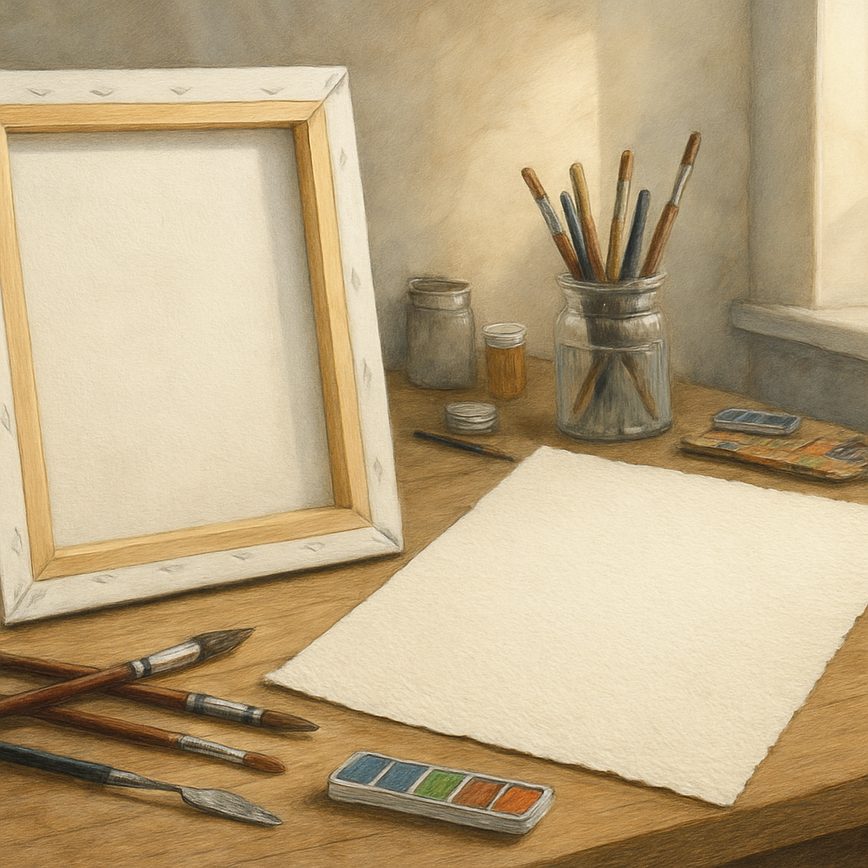
Introduction to Canvas and Paper in Art
When exploring the world of art, one of the fundamental considerations is the choice of art surfaces. The two primary surfaces artists traditionally use are canvas and paper. Each offers unique qualities and benefits that cater to different artistic styles, techniques, and preferences. Understanding the differences between canvas and paper can significantly influence the outcome of a painting or drawing, making it an essential aspect of art materials knowledge.
Canvas has been a favored surface in the art world for centuries. It is typically made from cotton or linen fabric stretched over a wooden frame. This durability and texture make canvas an ideal choice for paintings, especially with acrylics and oil paints. The robust nature of canvas allows it to hold thick layers of paint without warping or deteriorating, giving artists the freedom to experiment with texture and brushwork. Its slightly rough surface texture adds a natural grip for paint application, enhancing the visual depth of the artwork.
On the other hand, paper is a versatile and widely accessible surface used across numerous art forms, including drawing, watercolor, ink, and pastel works. The type and weight of paper can vary significantly, tailored to specific media and techniques. Paper tends to absorb paint and ink differently than canvas, often requiring primers or special treatments to prevent damage and achieve desired effects. Artists appreciate paper for its smooth texture and portability, making it a popular choice for sketches, studies, and detailed works.
In the ongoing discussion of canvas vs paper, it’s important to recognize that both surfaces offer distinct advantages as painting materials. Canvas is preferred for larger, more permanent works due to its strength and texture, while paper excels in versatility and convenience, catering to a wide range of artistic expressions. Ultimately, the choice between canvas and paper depends on the artist’s intent, style, and the medium they choose to work with, making both indispensable in the realm of art surfaces.
Comparing Canvas and Paper: Characteristics and Uses
When comparing canvas and paper, understanding their physical properties, durability, texture, and common uses is essential for artists making an informed choice about their art materials. Both canvas and paper have distinct qualities that influence the style, technique, and longevity of the artwork produced.
Canvas characteristics include its firm and resilient surface, which is typically made from cotton or linen. This fabric base is stretched tightly over a wooden frame, providing a solid backing that supports various painting techniques, especially those involving heavier media like oil and acrylic paints. The texture of canvas is coarse and woven, offering a tactile surface that enhances brushstroke visibility and depth in paintings. This texture varies depending on the weave tightness and material, allowing artists to select canvases that fit their particular style and medium.
In contrast, paper qualities are diverse based on the paper type—ranging from smooth and glossy to rough and fibrous. Paper is generally more flexible but less durable than canvas, susceptible to tearing and warping if not properly handled or mounted. However, its lightweight nature makes it highly portable and ideal for quick sketches, detailed drawings, watercolors, and prints. Artists can choose from a variety of papers such as watercolor paper, sketching paper, or mixed media paper to suit different techniques and effects.
Durability is a significant factor in the art material comparison. Canvas is known for its long-lasting qualities and resilience to environmental factors like humidity and temperature changes, especially when primed with gesso. This makes it suitable for permanent, larger-scale works intended for display and preservation. Paper, though often less durable on its own, can achieve longevity when acid-free and properly framed or stored.
Typical uses of canvas span from oil paintings to acrylics, where the textured surface and sturdy frame enhance the application of thick paint layers, impasto techniques, and mixed media. Canvas also lends itself well to stretching and framing, making it a preferred choice for gallery exhibitions and commissioned artworks. Paper, meanwhile, dominates in more varied and experimental uses—from pencil sketches and ink illustrations to watercolors and collage art—due to its accessibility and adaptability.
In conclusion, the choice between canvas and paper significantly depends on the artist’s goals, preferred medium, and the desired longevity of the artwork. Understanding the canvas characteristics alongside paper qualities helps artists create works that best fit their artistic vision and practical needs, making this art material comparison an essential consideration in the creative process.
Texture and Surface Quality
The texture comparison between canvas and paper is a fundamental aspect that influences the final artistic outcome. Canvas typically offers a pronounced canvas texture with a woven surface that adds a tactile dimension to the artwork. This texture allows for thicker applications of paint, encouraging artists to experiment with techniques like impasto and layering to create depth and vibrancy. The surface feel of canvas is generally rougher and more absorbent, which can enhance the richness of colors and add character to the piece.
In contrast, paper surface tends to be smoother and finer, making it ideal for detailed work such as drawing, watercolor, and printmaking. The subtle texture of paper allows for crisp lines and precise control over the medium. Depending on the type of paper used, the surface feel can range from ultra-smooth to slightly textured, each influencing how pigment interacts with the material. For instance, rough watercolor paper can absorb water differently and create varied effects compared to hot-pressed smooth paper.
Ultimately, understanding the canvas texture versus paper surface helps artists decide which medium suits their style and desired outcome. The natural grain of canvas can inspire bold and expressive brushstrokes, while the delicate texture of paper supports meticulous detail and subtle gradations. Texture comparison not only affects the visual appeal but also the tactile experience of creating and viewing the artwork, highlighting the unique qualities that each surface brings to the artistic process.
Durability and Longevity
When comparing canvas durability to paper lifespan, one must consider the material strength inherent in each medium. Canvas, typically made from cotton or linen, offers superior resilience to environmental factors such as humidity and light exposure. This makes it an excellent choice for artworks intended to last for decades or even centuries, especially when properly primed and sealed. Its robust fiber structure resists tearing and warping better than most paper types, contributing to its long-term preservation.
On the other hand, paper, while versatile and accessible, generally has a shorter lifespan unless it is specially treated or acid-free. Paper is more susceptible to yellowing, brittleness, and damage from moisture over time, which can significantly affect the longevity of artworks produced on this medium. Although certain high-quality papers are designed for archival purposes, their material strength is still often less than that of traditional canvas.
In various art forms, canvas durability lends itself to enduring styles like oil and acrylic painting, where thick layers and textures benefit from a sturdy base. Conversely, paper is favored for drawing, watercolor, and printmaking, where its smooth surface and absorbency are advantageous despite a relatively limited lifespan compared to canvas. Ultimately, the choice between canvas and paper should factor in the intended durability and longevity based on how and where the artwork will be displayed or stored.
Best Artistic Mediums for Each Surface
When choosing painting techniques, understanding the best mediums for canvas and paper is essential for achieving desired artistic effects. Canvas, known for its durability and texture, works exceptionally well with oil paints and acrylics. These mediums adhere strongly to the canvas surface, allowing deep layering and rich color saturation. The sturdy nature of canvas supports heavy application and mixed techniques that involve texture buildup, making it ideal for oil and acrylic mediums.
On the other hand, paper presents a more delicate surface, suited to mediums that require less aggressive handling. Watercolors, colored pencils, and inks excel on paper due to their ability to penetrate and interact with the fiber surface. Paper’s absorbent quality allows subtle color blending and transparency, which are essential in these painting techniques. Heavy or textured papers can also accommodate acrylics and gouache, but the range of mediums remains more selective compared to canvas.
In summary, while canvas favors thicker, more resilient mediums such as oil and acrylics, paper enables lighter mediums like watercolors and inks to shine. Knowing the mediums for canvas versus paper empowers artists to tailor their painting techniques, achieving optimal texture, color vibrancy, and durability in their artwork.
Choosing Between Canvas and Paper for Your Art
When selecting an art surface, choosing between canvas or paper is a crucial part of your art material choice that can greatly influence the outcome of your project. Artists often face this decision based on the type of project they are undertaking, their budget, and the desired visual or tactile effect they want to achieve in their work.
Firstly, consider the type of project you are working on. Canvas is traditionally favored for oil paints and acrylics due to its durability and textured surface, which helps the paint adhere beautifully. It is ideal for larger works or pieces meant for long-term display because canvas can withstand stretching and framing better than most papers. On the other hand, paper is versatile and works excellently with a variety of media, including watercolor, ink, charcoal, and pastel. It is often preferred for studies, sketches, or smaller works, especially when fine detail and smooth surfaces are essential.
Budget is another important factor. Canvas, particularly pre-stretched or high-quality linen canvas, tends to be more expensive than paper. Additionally, the preparation and framing associated with canvas artworks add to the overall cost. Paper, especially in pads or rolls, is usually more affordable and accessible, making it an excellent choice for artists working on multiple projects or experimenting with new techniques without a significant financial commitment.
When it comes to the desired effect, canvas offers a rich, textured background that can enhance the depth and vibrancy of your colors. The weave of the fabric adds a unique character to the art, which can be particularly appealing for expressive, bold painting styles. Paper, however, provides a smooth or slightly textured surface depending on the type chosen, which allows for precision and subtlety. Artists looking to create fine detail or delicate shading might prefer paper for its control and responsiveness to light pressure.
In summary, your selection between canvas or paper should be guided by the specific needs of your project, your budget constraints, and the aesthetic effect you aim to achieve. Both surfaces have unique strengths, and understanding these will help you make an informed art material choice that enhances your creative expression.
Factors Influencing Surface Choice
When selecting an art surface, several key art surface factors come into play, shaping the final decision between canvas and paper. One of the foremost considerations is budget considerations. Canvas, being typically more durable and prepared for painting, often comes at a higher price compared to paper. Artists need to balance the cost with their intended use and volume of work, especially when working on large projects or multiple pieces.
Texture preference is another critical factor. Canvas offers a textured, tactile quality that many artists appreciate for its ability to hold various media well, especially acrylics and oils. Paper, on the other hand, can range from smooth to rough and is often favored for mediums like watercolor, ink, and graphite. The choice depends largely on the desired visual effect and how the artist interacts with their materials.
Lastly, art style preferences decisively influence surface choice. Artists working in expressive, bold styles may prefer the resilience and texture of canvas, while those focused on fine detail or lighter washes may lean towards paper. Each surface lends itself uniquely to different artistic methods, so understanding one’s style is pivotal in making the right selection.
Practical Tips for Beginners
For beginner tips, it’s important to consider the unique qualities of both canvas and paper when starting your artistic journey. Canvas for beginners is often recommended because of its durability and ability to hold up with multiple layers of paint and various mediums. It allows a more forgiving surface for experimenting with brush strokes and textures without worrying too much about warping or tearing.
On the other hand, paper for beginners can be more accessible and less intimidating, especially for those who want to practice drawing, sketching, or light washes of watercolor. Paper is typically easier to store, transport, and replace, making it a convenient starting point for experimentation and quick studies. It encourages artists to refine their skills with less investment, reducing the fear of making mistakes.
When starting out, novice artists should choose the medium that feels most comfortable and inspiring to them. Experimentation is key: try different types of paper and canvas to understand how each reacts to your preferred tools. Don’t hesitate to mix mediums or switch between canvas and paper to broaden your experience. Remember, the ease of use and your creative flow matter more than the material itself at this stage.
Beginner tips also include keeping your workspace organized and documenting your experiments. This practice helps you learn what works best for your style and keeps the process enjoyable. Whether you pick canvas for beginners or paper for beginners, the goal is to nurture creativity and build confidence through continuous practice and exploration.

I have spent years transforming my home into a personal gallery, constantly hunting for unique pieces that bring walls to life. There is nothing quite like the thrill of discovering an emerging artist online and finding the perfect artwork to complement a room. I am passionate about helping others navigate the world of digital art markets to find authentic pieces that truly resonate with their style.