Understanding Artwork Preservation
Artwork preservation is a vital practice that ensures the longevity and continued appreciation of artistic creations. By protecting artworks from deterioration and damage, preservation allows future generations to experience and learn from these cultural treasures. The importance of artwork preservation extends beyond mere aesthetics; it safeguards history, heritage, and artistic expression, maintaining a tangible connection to the past.
Central to effective artwork preservation is the concept of conservation basics, which encompasses a range of techniques and principles aimed at stabilizing and protecting art pieces. This includes controlling environmental factors such as light, temperature, and humidity, all of which can significantly affect the condition of artworks. Proper art protection measures, like using UV-filtering glass or acid-free materials, help prevent fading, discoloration, and material degradation over time.
Conservation basics also involve careful handling and storage practices. Artworks should be transported with precaution and stored in conditions that minimize exposure to pollutants, pests, and physical stress. Professionals often conduct condition assessments to identify any vulnerabilities and determine the best preservation strategies tailored to each artwork’s material and historical context.
Moreover, understanding the materials and techniques used in the creation of an artwork is crucial for its preservation. Different materials—such as oil paint, watercolor, textile, or sculpture media—require specialized care and treatment. Conservation specialists use this knowledge to apply appropriate interventions, whether they are preventive measures or restorative treatments aimed at stabilizing damage without compromising the artwork’s integrity.
In conclusion, artwork preservation is an essential discipline that blends art, science, and history to protect invaluable cultural assets. By adhering to conservation basics and implementing effective art protection strategies, we can ensure that artworks remain vibrant and meaningful for generations to come, preserving their stories and significance in the cultural landscape.
Types of Artworks and Their Needs
Artworks encompass a wide variety of forms, each with unique preservation needs that are critical to their longevity. Paintings, for example, are often created on delicate materials like canvas or wood and typically use organic pigments and binders. Preservation of paintings requires maintaining stable humidity and temperature levels to prevent cracking, warping, or mold growth. They must also be protected from direct sunlight and pollutants that can cause fading or surface degradation.
Sculptures present a different set of challenges based on the materials used, which can range from metal and stone to ceramics and mixed media. Metal sculptures are susceptible to corrosion and require an environment with controlled moisture and pollutants. Stone sculptures need protection from physical damage and erosion, especially if displayed outdoors. Ceramics and mixed media works are often fragile and require careful handling and storage, as well as protection from vibrations and shocks.
Textiles, including tapestries, clothing, and fiber art, are highly sensitive to light, temperature, and humidity. The fibers can weaken and degrade when exposed to fluctuating environmental conditions. Preservation strategies for textiles involve maintaining a dark, cool environment with controlled humidity to prevent mold and insect damage. Proper support during storage and display is essential to avoid stress on the fabric’s structure. Each artwork type’s materials and construction influence its specific preservation needs, making tailored care essential for safeguarding cultural heritage.
Common Threats to Artwork Longevity
Artwork longevity is threatened by a variety of damage causes stemming from both environmental threats and human activity. One of the most significant environmental factors is light exposure, especially ultraviolet (UV) rays, which can cause fading, discoloration, and weakening of pigments and materials over time. Controlling light intensity and duration is essential to preserve the original vibrancy of artworks.
Humidity and temperature fluctuations also contribute heavily to artwork degradation. High humidity can lead to mold growth and warping, while low humidity causes brittleness and cracking. Frequent changes in temperature and moisture levels exacerbate these effects, causing materials like canvas, wood, and paper to expand and contract, which compromises structural integrity.
Pests such as insects and rodents are another common threat. They can physically damage artworks by chewing on paper, fabric, and wooden frames. Regular pest inspections and proper storage conditions help mitigate the risk of infestation and the resulting damage.
Lastly, improper handling is a human-caused factor that accelerates degradation. Excessive or careless handling can cause physical wear, tears, smudges, and accidental breakage. Using gloves, proper support, and handling techniques are critical practices for safeguarding artistic works during transportation, display, or restoration.
Techniques and Methods for Preserving Artworks
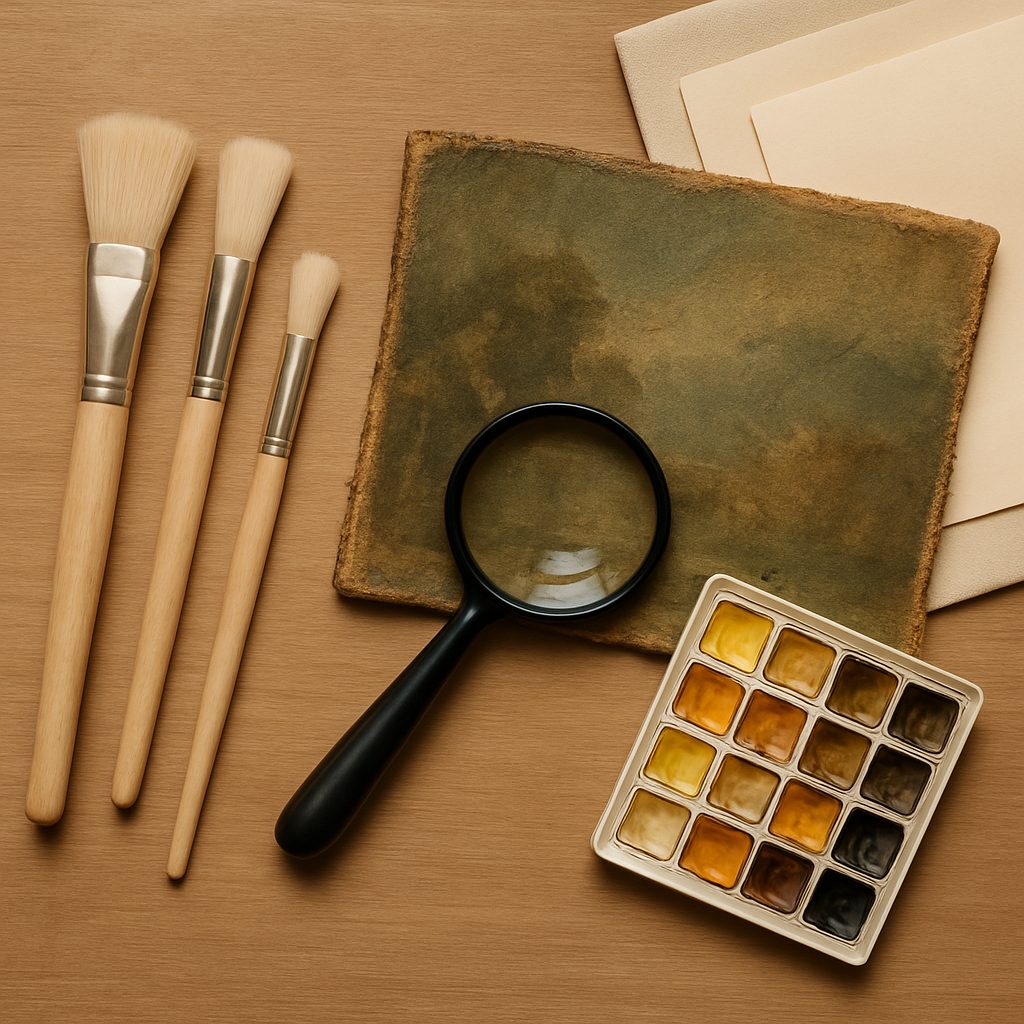
Preserving artworks requires a combination of specialized preservation methods, restoration techniques, and conservation strategies to ensure that the integrity and beauty of the pieces are maintained over time. Professionals in the field employ a range of approaches tailored to the type of artwork, its materials, and its condition.
One of the primary preservation methods involves environmental control, where factors like temperature, humidity, light exposure, and air quality are carefully regulated. Proper climate control prevents deterioration caused by mold, cracking, and fading, especially in sensitive materials such as paper, textiles, and paintings.
Restoration techniques focus on repairing damages and returning the artwork to a state that reflects its original appearance, without compromising its authenticity. This can include cleaning accumulated dirt and varnish layers, filling in paint losses, reattaching flaking paint, and stabilizing fragile structures. Restorers use reversible materials and methods to allow for future treatments without damaging the original piece.
Conservation strategies emphasize preventive care and minimal intervention. This approach involves detailed documentation of the artwork’s condition, routine inspections, and the use of protective enclosures such as UV-filtering glass or acid-free mountings. Conservation also extends to storage and handling protocols designed to reduce physical stress and accidental damage.
Advanced technologies are increasingly playing a role in these efforts. Techniques such as infrared reflectography, X-ray fluorescence, and digital imaging help conservators understand the composition and underlying layers of artworks without invasive sampling. This information guides the choice of the most appropriate preservation methods and restoration techniques.
Ultimately, the goal of combining preservation methods, restoration techniques, and conservation strategies is to prolong the lifespan of artworks and retain their cultural and historical significance for future generations. Professionals in art conservation continuously adapt their practices based on ongoing research and technological advancements to meet the unique needs of each artwork.
Environmental Control and Storage
Maintaining proper environmental conditions is crucial for the preservation of artworks. Climate control, specifically the regulation of temperature and humidity, plays a vital role in preventing deterioration. Fluctuations in temperature can cause materials to expand or contract, leading to potential cracking, warping, or other physical damage. Ideally, artworks should be stored in environments with stable temperatures, typically between 65°F to 75°F (18°C to 24°C), to minimize stress on sensitive materials.
Equally important is controlling artwork humidity. High humidity levels can promote mold growth and cause canvas, paper, and wooden frames to absorb moisture, resulting in swelling or sagging. Conversely, low humidity can dry out materials causing brittleness and cracking. Maintaining relative humidity levels around 45-55% is generally recommended to protect the structural integrity of artworks.
Proper storage solutions are essential to support these climate control measures. Artworks should be stored in archival-quality materials that provide a barrier against environmental pollutants and physical damage. Storage areas must be clean, well-ventilated, and free from direct sunlight or fluctuating environmental conditions. Shelving and racks designed to support artwork without putting undue pressure ensure long-term safety. Together, effective climate control and strategic storage solutions are indispensable in preserving the longevity and appearance of priceless art collections.
Cleaning and Restoration Practices
Art restoration and cleaning techniques are vital processes in the preservation treatments of artworks. These practices aim to maintain the original integrity of the piece while preventing further deterioration. Common cleaning methods include the removal of dirt, varnish layers, and old restorations using solvents, gels, or mechanical means tailored to the specific materials involved. Restoration often involves filling losses, retouching paint, and consolidating fragile areas to stabilize the artwork.
Ethical considerations play a crucial role in art restoration. Conservators follow strict guidelines to ensure that all interventions are reversible or minimally invasive, preserving both the aesthetic and historical values of the piece. The goal is to respect the artist’s original intent and avoid over-restoration, which can lead to loss of authenticity. Transparency in documenting all treatments is also a fundamental principle.
Tools used in cleaning and restoration vary widely depending on the artwork’s medium and condition. They include fine brushes, scalpels, cotton swabs, and specialized solvents. Modern technologies like infrared reflectography and ultraviolet light help in assessing underlying layers and previous restorations, guiding conservators in applying the most appropriate preservation treatments. Together, these careful cleaning and restoration practices ensure that artworks endure for future generations to appreciate.
Preventive Measures and Best Practices
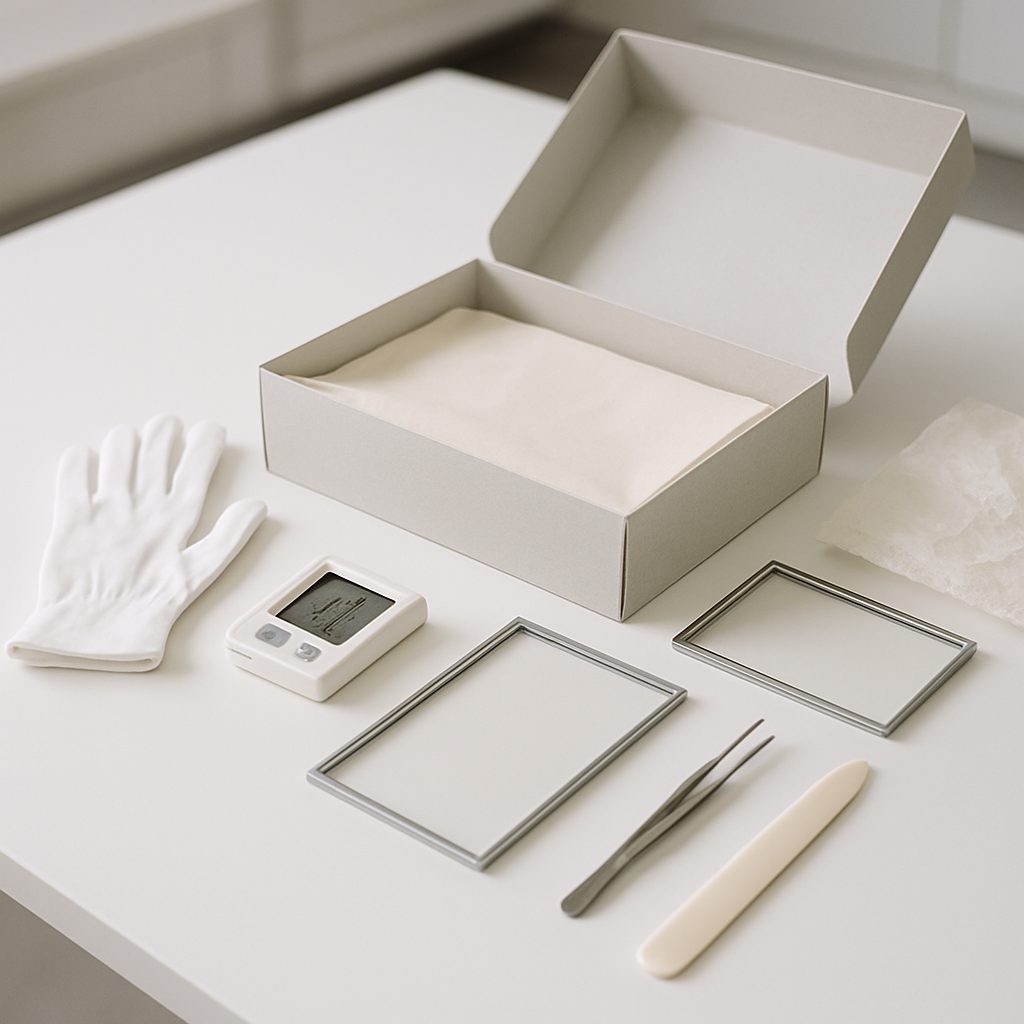
Preventive care is essential in safeguarding artworks from potential damage, ensuring their longevity for future generations. Whether you are an artist, a collector, or managing a museum, understanding and applying conservation best practices can significantly minimize the risk of deterioration and physical harm to valuable pieces.
One of the fundamental aspects of preventive care is proper art handling. This involves using clean, dry hands or wearing gloves when touching artworks to avoid transferring oils, dirt, or moisture that could degrade surfaces. Additionally, always support artworks adequately by their strongest areas—typically the frames or solid backing—to prevent stress and distortion. For heavier or larger pieces, it is advisable to have multiple people assist in handling to reduce the chances of accidental drops or bumps.
Environmental controls also play a crucial role in preservation. Constant monitoring and regulation of temperature and humidity levels can prevent cracking, warping, and mold growth. Museums and collectors should maintain a stable environment, ideally between 18-22°C (64-72°F) and relative humidity levels of 40-60%. Exposure to direct sunlight or harsh artificial lighting should be minimized as ultraviolet rays can fade pigments and damage materials over time.
Using appropriate storage solutions is another best practice. Artworks should be stored in acid-free materials that prevent chemical reactions and physical abrasion. For paintings, storing upright and avoiding stacking can prevent pressure marks or warping. Similarly, sculptures and fragile pieces require custom supports and padding to cushion them during transport or storage.
Regular inspection and maintenance are integral to preventive care. Artists, collectors, and museum staff should routinely check for signs of damage such as discoloration, cracking, or pest infestations. Early detection allows for timely intervention, often preventing minor issues from evolving into more severe damage. Furthermore, documentation of the artwork condition supports informed decisions when conservation treatments are necessary.
Incorporating conservation best practices into everyday routines not only protects art but also enhances its cultural and economic value. Training and education about art handling and preventive measures are invaluable investments for anyone responsible for artwork stewardship. By fostering an environment of careful care, the visual legacy of art can be preserved against the inevitable challenges posed by time and environment.
Safe Handling and Transportation of Artworks
Proper art handling and art transportation are crucial steps in damage prevention and ensuring the longevity of valuable artworks. To protect pieces from physical damage, always use clean, dry hands or wear cotton gloves when touching art surfaces, avoiding direct contact to prevent oils and dirt transfer. For larger artworks, enlist the help of trained professionals equipped with the necessary tools to safely lift and carry the items.
When preparing artworks for transportation, secure each piece individually with acid-free materials and protective padding. Use sturdy, well-ventilated crates or boxes designed specifically for art transport. Ensure that artworks are immobilized within containers to prevent shifting, and label packages clearly to inform handlers of their fragile nature. Avoid stacking artworks directly on top of each other to mitigate the risk of scratches or dents.
During transportation, maintain a stable climate inside the vehicle with controlled temperature and humidity to protect sensitive materials. Avoid exposing artworks to direct sunlight or extreme weather conditions. Whether moving locally or shipping long distances, choose specialized art transportation services familiar with the specific needs of diverse artworks. Following these guidelines will significantly reduce the risk of damage and preserve the integrity of each piece throughout the handling and transportation process.
Regular Monitoring and Documentation
Consistent condition monitoring plays a crucial role in the long-term preservation of artworks. By regularly inspecting each piece, conservators can detect early signs of deterioration or damage, allowing timely interventions that prevent further harm. This proactive approach ensures the artwork’s integrity and aesthetic appeal are maintained over time, safeguarding its historical and cultural value.
In addition to physical monitoring, thorough artwork documentation is essential. Detailed records of an artwork’s condition, treatments, and environmental factors provide a comprehensive history that informs future conservation efforts. These preservation records serve as a valuable reference for conservators, curators, and researchers, enabling informed decisions based on past observations and actions.
Effective preservation combines both condition monitoring and meticulous documentation, creating a continuous feedback loop that enhances the artwork’s longevity. This approach not only protects the artwork from deterioration but also aids in managing its lifecycle systematically. Indeed, maintaining up-to-date preservation records ensures that every detail—no matter how small—is accounted for, ultimately contributing to the artwork’s enduring legacy for generations to come.

I have spent years transforming my home into a personal gallery, constantly hunting for unique pieces that bring walls to life. There is nothing quite like the thrill of discovering an emerging artist online and finding the perfect artwork to complement a room. I am passionate about helping others navigate the world of digital art markets to find authentic pieces that truly resonate with their style.