Understanding the Basics of Painting Care
Caring for paintings at home is essential not only for preserving the beauty and integrity of the artwork but also for maintaining its value over time. Painting care basics are centered around understanding how environmental factors, handling techniques, and regular maintenance can impact the longevity of your cherished pieces. Proper painting preservation ensures that the colors remain vibrant, the canvas stays intact, and any potential damage is minimized, keeping the artwork in optimal condition for years to come.
The fundamental principles of art conservation start with recognizing the common risks that paintings face in a typical home environment. Exposure to direct sunlight is one of the primary threats, as ultraviolet rays can cause fading and degradation of pigments and varnishes. Additionally, fluctuations in temperature and humidity can lead to the expansion and contraction of canvas and wooden frames, which may result in cracking or warping. Dust accumulation and airborne pollutants are other factors that can harm the surface of the painting, dulling its appearance and potentially causing long-term damage.
Handling paintings with care is critical to avoid physical damage. This includes always using clean hands or gloves when touching the artwork, avoiding touching the painted surface directly, and ensuring that the painting is securely hung or displayed to prevent falls and bumps. Proper framing with acid-free materials and UV-protective glass can further contribute to the preservation effort, shielding the painting from environmental stressors.
Regular inspection and cleaning are also key components of effective painting care. Gentle dusting with a soft brush or microfiber cloth can prevent the build-up of dirt without harming the surface. However, for any deep cleaning or restoration work, it is advisable to consult professional art conservation experts who have the skills and tools to address issues without compromising the artwork.
Ultimately, understanding these painting care basics empowers homeowners to safeguard their treasures effectively. By mitigating the common risks paintings face and applying thoughtful preservation techniques, you can ensure that your artwork remains a vibrant and valued part of your home for generations.
Common Types of Paintings and Their Materials
Understanding the common types of paintings and the materials used is essential for proper care. Oil paintings, for instance, are created using oil-based pigments on canvas or wood. The oil medium takes longer to dry, which allows for rich textures and details. However, oil paintings are sensitive to humidity and temperature fluctuations, so they should be kept in stable environments to prevent cracking or warping of the canvas.
Acrylic paintings consist of pigments suspended in an acrylic polymer emulsion. They dry quickly and are generally more durable than oil paintings. Acrylics are less prone to cracking but can become brittle over time if exposed to extreme heat or direct sunlight. Acrylic paintings are often done on various canvas types, including cotton and synthetic fabrics, which also influence their maintenance needs. Proper dusting and avoidance of direct light help preserve their vibrant colors.
Watercolor paintings are created with pigments mixed with water and applied typically on paper rather than canvas. They require special care due to their delicate nature and susceptibility to water damage and fading. The type of paper used plays a critical role in their preservation — high-quality, acid-free, and properly stretched paper can prolong the lifespan of watercolor artworks. Displaying these paintings behind UV-protective glass is recommended to minimize exposure to light and environmental pollutants.
In summary, the type of painting—whether oil, acrylic, or watercolor—and the materials such as canvas types directly impact how they should be cared for at home. Knowing these distinctions helps in choosing the appropriate cleaning methods, framing, and environmental conditions to maintain the beauty and longevity of your artwork.
Environmental Factors Affecting Paintings
Humidity effects play a significant role in the preservation of paintings. Excess moisture can cause canvas and wooden frames to swell, leading to warping or mold growth, which deteriorates the artwork. Conversely, very low humidity can make materials brittle and prone to cracking. Keeping relative humidity levels stable, ideally between 40-60%, helps maintain the integrity of paintings over time.
Temperature control is equally important as fluctuations can cause expansion and contraction of painting materials. Sudden changes in temperature can stress the paint layers and support, leading to flaking or cracking. Maintaining a consistent indoor temperature, preferably around 70°F (21°C), protects paintings from thermal stress and prolongs their lifespan.
Light damage is another critical factor to consider. Exposure to direct sunlight or harsh artificial light can fade pigments and cause discoloration. UV rays are particularly harmful, breaking down the chemical bonds in paints and varnishes. To minimize light damage, paintings should be displayed in areas with indirect natural light or with UV-filtered lighting. Using curtains, shades, or UV-protective glass can further safeguard artworks.
In summary, the best home environment for paintings is one with controlled humidity and temperature, along with minimized exposure to strong light sources. These measures help ensure that paintings remain vibrant and structurally sound for years to come.
Daily Care and Maintenance Tips for Paintings
Proper painting maintenance is essential to preserve the beauty and longevity of your artwork. Incorporating daily care practices will help keep your paintings in excellent condition and protect them from damage over time. One of the most important daily steps is regular dust removal, which prevents the buildup of particles that might degrade the surface of the painting.
When cleaning paintings, it’s crucial to use gentle methods. Avoid harsh chemicals or abrasive materials that could harm the paint or canvas. Instead, use a soft, dry microfiber cloth or a clean, natural-bristle brush designed specifically for art care. Lightly dust the surface in a sweeping motion to remove any loose dirt or dust. If you spot any stubborn dirt, consult a professional conservator rather than attempting to clean it yourself.
Avoid putting your paintings in direct sunlight, as prolonged exposure to UV rays can cause colors to fade and the materials to deteriorate. Position your artwork in areas with indirect lighting or use UV-protective glass when framing to shield them from harmful rays. Additionally, maintaining a stable environment with moderate temperature and humidity levels will help in preventing warping, cracking, or mold growth.
Regularly inspect your paintings for signs of damage such as discoloration, mold, or peeling paint. Early detection through daily care routines enables timely intervention, which can prevent further deterioration. Also, avoid placing paintings near heat sources, air conditioners, or in damp areas, as extreme conditions can accelerate damage.
By incorporating these daily painting maintenance tips like gentle cleaning, careful dust removal, and protecting artwork from direct sunlight, you ensure that your paintings remain vibrant and well-preserved for years to come. Consistent care safeguards your investment and allows you to enjoy the artwork’s beauty every day.
Safe Cleaning Techniques for Different Surfaces
When cleaning paintings, it’s important to use methods that protect the artwork’s integrity while effectively removing dust and dirt. The technique you choose should depend on the painting’s medium and surface to avoid any non-damaging cleaning mistakes. For oil and acrylic paintings on canvas, start with a soft, dry brush or microfiber cloth to gently remove dust. Avoid using water or cleaning solutions directly on the surface, as these can cause paint to lift or colors to run.
For delicate surfaces like watercolor or pastel works on paper, use a clean, soft brush or a specialized dust removal tool such as a microfiber duster. Never apply moisture or pressure; these media are susceptible to smudging and water damage. Glass or varnished surfaces can be cleaned with a slightly dampened microfiber cloth, but take care to protect the edges and backing of the painting from moisture exposure.
Frames require attention as well—use a dry cloth or a brush designed for intricate surfaces to clear dust without scratching. Avoid commercial cleaning sprays unless they are specifically formulated for use on art surfaces. Consistent, gentle cleaning maintains the painting’s appearance without compromising the materials. Always test a small, inconspicuous area first if you’re uncertain about a cleaning method.
Proper Handling and Display Practices
Proper painting handling is essential to preserve the artwork’s integrity and value. When moving paintings, always use clean, dry hands or wear cotton gloves to avoid transferring oils and dirt from your skin. Support the painting from the bottom and the sides, never by the frame alone, as this can cause stress and potential damage. It’s crucial to avoid touching the painted surface directly to prevent abrasion or smudging.
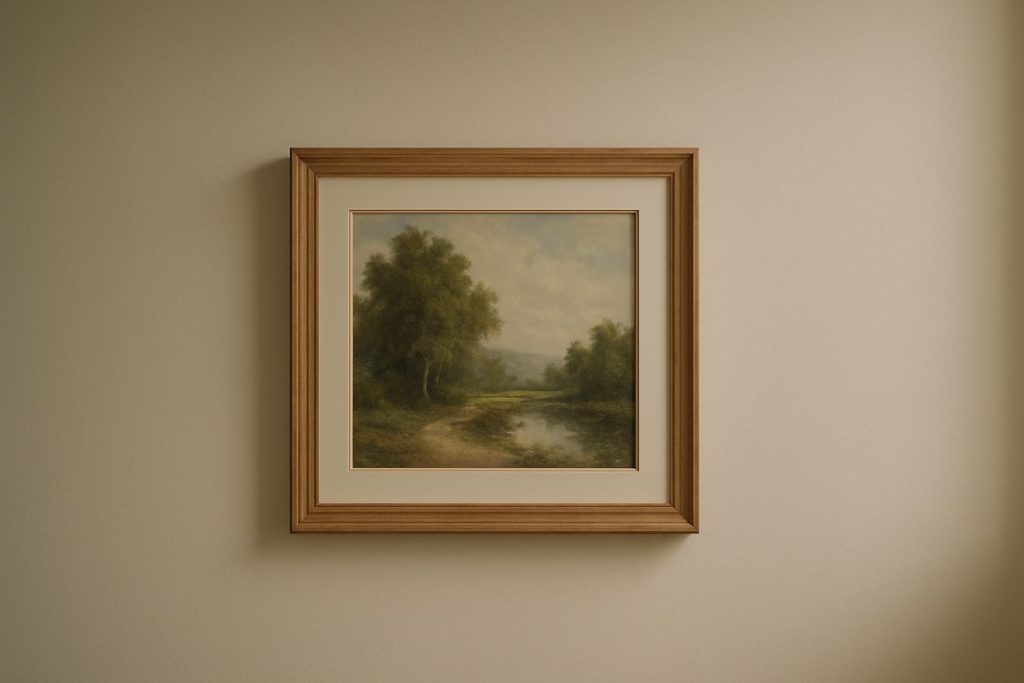
For display tips, select a location that avoids direct sunlight, as UV rays can cause fading and deterioration of paints and canvases. Maintain stable temperature and humidity levels to prevent warping, cracking, or mold growth; ideally, keep humidity between 40-60% and temperature around 70°F (21°C). When hanging paintings, use appropriate wall anchors and hooks designed to support the artwork’s weight securely. Ensure that the paintings hang straight and avoid placing them above heat sources or in damp areas.
Proper painting handling combined with mindful display conditions minimizes damage and extends the life of your collection. Follow these guidelines to maintain your paintings in pristine condition, allowing you to enjoy their beauty for years to come.
Preventive Measures and When to Seek Professional Help
Proper painting protection is essential to maintain the beauty and longevity of your artwork. Taking preventive measures can significantly reduce the risk of damage and preserve the painting’s value over time. Here are the key steps you can follow to ensure your paintings stay in excellent condition.
- Keep paintings out of direct sunlight to prevent fading and discoloration caused by UV rays. Use UV-protective glass or acrylic glazing when framing valuable works.
- Maintain stable temperature and humidity levels in the room where your paintings are displayed. Avoid placing them near heating vents, radiators, or air conditioners to prevent warping or cracking.
- Use acid-free materials for mats and backing boards to avoid chemical reactions that can damage the paint or canvas over time.
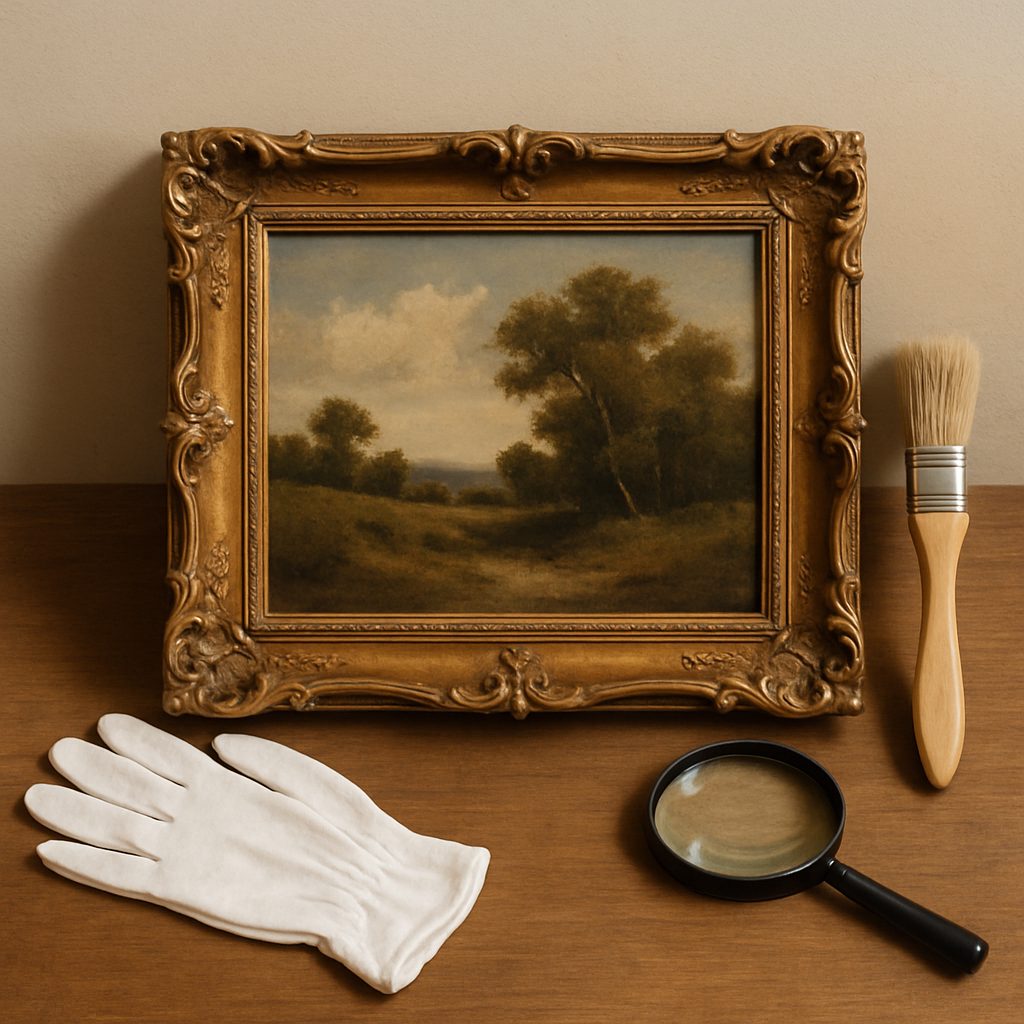
- Regularly dust paintings gently with a soft, dry cloth or a natural bristle brush to remove dirt and prevent buildup without scratching the surface.
- Handle paintings with clean, dry hands or wear cotton gloves to avoid transferring oils and dirt onto the artwork.
- Ensure paintings are securely hung with proper hardware to prevent falls or accidental knocks that can cause tears or dents.
Despite taking these preventive steps, some paintings inevitably show signs of wear or damage that require professional restoration. Knowing the indicators for when to seek expert help is crucial to minimize further deterioration.
- Visible cracking, flaking, or paint loss on the surface, which can worsen if untreated.
- Discoloration, staining, or mold growth indicating environmental damage or moisture exposure.
- Distorted or warped canvases or frames, signaling structural issues that need correction.
- Water damage or tears that compromise the integrity and appearance of the artwork.
- Persistent dirt or varnish yellowing that cannot be cleaned with gentle dusting.
Finding a qualified professional for painting protection and restoration is vital to ensure your artwork is handled with care and expertise. Start by researching reputable conservators or restoration experts with proven experience in your painting’s medium and style. Consult local art galleries, museums, or arts organizations for recommendations. Check for proper certifications and reviews to verify their credibility. Always discuss the restoration process and costs upfront to make informed decisions about your valuable art.
Protective Framing and Storage Solutions
Protective framing is essential for maintaining the integrity of your paintings by shielding them from dust, moisture, and physical damage. A high-quality frame acts as a barrier, preventing dust and dirt from settling on the artwork’s surface, which can cause discoloration and deterioration over time. Additionally, using acid-free mats and UV-protective glass or acrylic can safeguard the painting from harmful light exposure and environmental pollutants that may lead to fading or yellowing.
Proper storage for paintings is another critical aspect of painting preservation methods. When not on display, paintings should be stored upright in a cool, dry environment with stable humidity levels to prevent warping, mold growth, or fading. Avoid storing paintings in basements or attics where temperature and moisture fluctuate significantly. Ideally, use padded racks or shelves designed specifically for artwork to avoid scratches or dents caused by leaning or stacking.
Combining protective framing with appropriate storage for paintings provides a comprehensive approach to preserving artwork for the long term. These methods protect artworks from physical damage as well as environmental factors, ensuring that their beauty and value remain intact for years to come.
Identifying Damage and Choosing Restoration Services
Recognizing painting damage signs early is crucial to preserving your artwork’s beauty and value. Common signs include discoloration, cracked or flaking paint, warping or bubbling canvas, and mold or mildew spots. Exposure to excessive light, humidity, or temperature fluctuations can accelerate these issues. When you notice any of these problems, it’s important to act promptly to prevent further deterioration.
Choosing the right art restoration professional is essential for effective conservation. Look for conservators with specialized training in art restoration and a strong reputation. Verify their credentials and ask for references or examples of previous work. It’s also wise to select someone who specializes in the specific type of painting or medium you own, as different materials require tailored techniques.
Before committing to a restoration service, request a detailed assessment and treatment plan. A qualified conservator should clearly explain the proposed procedures and any risks involved. Transparent communication helps ensure your painting receives the appropriate care, restoring its integrity without compromising its originality.
Ultimately, identifying painting damage signs early and choosing skilled restoration professionals will help maintain your artwork’s aesthetic and historical value for years to come. Regular inspection and proper conservation are key to safeguarding your investment and passion for art.

I have spent years transforming my home into a personal gallery, constantly hunting for unique pieces that bring walls to life. There is nothing quite like the thrill of discovering an emerging artist online and finding the perfect artwork to complement a room. I am passionate about helping others navigate the world of digital art markets to find authentic pieces that truly resonate with their style.