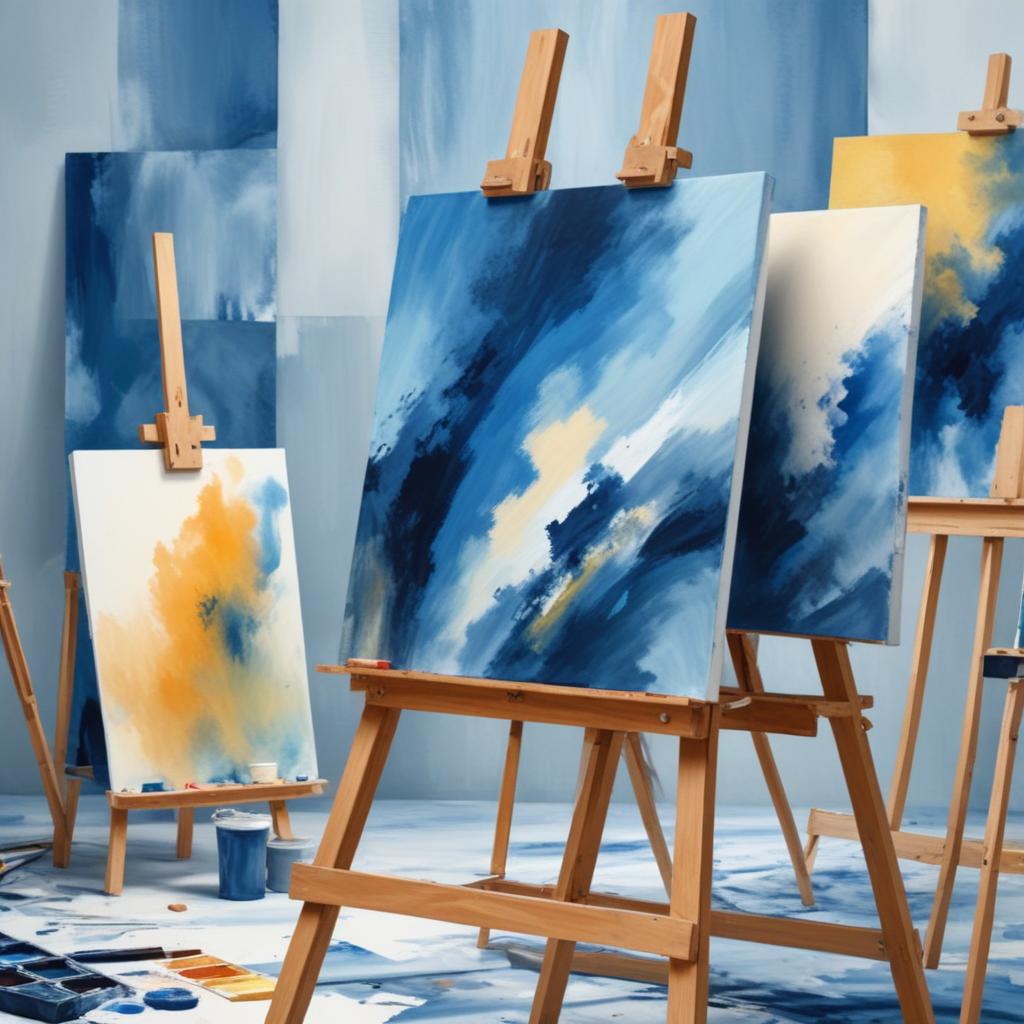
Overview of Famous Painting Techniques
Painting techniques refer to the various methods and styles artists employ to apply paint onto a surface, each technique producing unique textures, effects, and visual experiences. Understanding these art methods is crucial because they not only define the aesthetic qualities of a painting but also convey the artist’s emotional and conceptual intentions. Over time, numerous famous styles have evolved, shaped by cultural trends, technological advancements, and individual creativity.
This overview highlights some of the most renowned painting techniques that have left a significant mark on art history. One of the most classical approaches is oil painting, prized for its rich colors and slow drying time, which allows artists to create detailed textures and subtle gradations. Another pivotal technique is fresco, where pigments are applied on wet plaster, famously used in Renaissance masterpieces to achieve durability and vibrant with time.
Watercolor painting is recognized for its transparency and fluidity, allowing for delicate washes and spontaneous pigment flow, often used in landscape and botanical art. Contrastingly, acrylic painting offers fast drying times and versatility, making it a favorite for contemporary artists experimenting with mixed media. The method of impasto involves thickly applying paint to create texture that stands out from the canvas, adding a tactile dimension to the artwork.
Each of these famous painting techniques has contributed valuable dimensions to the art world, demonstrating the diversity and innovation of artistic expression. By exploring these fundamental art methods, artists and enthusiasts alike gain a deeper appreciation of how technique shapes the storytelling and emotional impact of paintings across different periods and cultures.
What Defines a Painting Technique?
A painting technique is defined by the unique combination of tools, materials, and methods that an artist employs to create their artwork. It encompasses the entire art process, including the choice of brushes, palette knives, and other instruments that contribute to the texture and detail of the painting. Additionally, the materials such as the type of paint—oil, acrylic, watercolor, or gouache—play a crucial role in shaping the visual outcome and the technique’s characteristics.
Each painting style is distinguished by its specific application methods. For example, some techniques involve layering thin washes of color to build depth, while others focus on thick, impasto strokes that emphasize texture. The precision or looseness of brushwork, the blending or stark contrast of colors, and the speed of execution all contribute to defining a painting technique. These factors combine to form a recognizable method that sets one artist’s work apart from another’s.
Moreover, the surface or support used—canvas, wood, paper—affects how a painting technique develops. The absorbency, texture, and durability of these materials guide the artist’s approach in applying paint, influencing the final effect. Understanding these diverse elements helps clarify the painting technique definition and highlights why the art process is both a practical and expressive facet of creativity.
Historical Importance of Painting Techniques
The evolution of painting techniques has played a crucial role in the progression of art history, reflecting changes not only in artistic styles but also in cultural expressions. From the early cave paintings to Renaissance masterpieces, each historical art method introduced new ways to capture light, texture, and emotion. Techniques such as fresco, tempera, and oil painting shaped the development of visual storytelling, allowing artists to experiment with depth and realism.
As techniques evolved, so did their impact on culture. The refinement of oil painting in the 15th century, for example, revolutionized how artists approached layers, drying times, and detail, which profoundly influenced the art world. This evolution was not just about aesthetics but also about the technique’s ability to convey complex narratives and ideas, marking significant milestones in art history. These advancements reflect the dynamic interaction between technology and creative expression.
Moreover, the progression of painting development highlights the cultural exchange of ideas and materials across regions and eras. Innovations such as acrylic paints in the 20th century further expanded artistic possibilities, enabling faster drying and more vibrant colors. This continuous technique evolution embodies the adaptability and resilience of art throughout history, making painting not only a form of creative expression but also an important cultural artifact representing humanity’s evolving vision and experience.
Detailed Explanation of Popular Painting Techniques
Painting techniques have evolved over centuries, each with its distinct process, materials, and characteristics. Among the most celebrated are oil painting, watercolor, fresco, and acrylic painting. Each technique offers artists unique possibilities to express their creativity and convey their vision on canvas or other surfaces.
Oil painting is one of the oldest and most revered techniques, known for its rich texture and vivid color depth. Artists use pigments mixed with oil, typically linseed oil, which allows for slow drying times. This slow drying process is advantageous as it lets painters work and blend colors directly on the canvas over extended periods. Oil paints provide a glossy finish and can be layered to create intricate details and subtle tonal variations. The versatility of oil paint makes it suitable for creating both thick impasto textures and smooth, delicate glazes.
Watercolor is distinguished by its transparent and luminous qualities. It uses pigments suspended in a water-based solution. This technique requires a lighter hand, as it employs paper as the primary surface, and the water allows colors to flow and blend unpredictably. Watercolor painting is praised for its ability to capture lightness, spontaneity, and fluidity. Unlike oil paints, watercolors dry quickly, which demands precision and planning from the artist. Additionally, the layering technique called glazing involves applying thin transparent washes to build up color intensity.
Fresco is an ancient mural painting method where pigments are applied on freshly laid wet lime plaster. This technique bonds the paint to the surface as the plaster dries, resulting in durable and long-lasting artwork. Fresco requires swift and confident brushwork, as artists must work before the plaster sets. The pigments appear matte and integrated with the wall surface, making frescoes a staple in many historic buildings. Due to its complexity and permanence, fresco demands meticulous preparation and expertise.
Acrylic painting is a modern technique favored for its versatility and fast drying time. Acrylic paints are made from pigments suspended in an acrylic polymer emulsion. They can mimic the effects of both oil and watercolor, offering flexibility to artists in texture and opacity. Acrylics dry quickly to a water-resistant finish and can be applied in thick or thin layers. This adaptability makes acrylic painting ideal for a wide range of surfaces and styles, from abstract to photorealistic.
Each of these painting techniques—oil painting, watercolor, fresco, and acrylic painting—offers its own unique appeal and challenges. Mastering them involves understanding their materials, the application process, and the creative possibilities they unlock for artists around the world.
Oil Painting
Oil painting is a classic technique that utilizes oil-based pigments suspended in drying oils, usually linseed oil, to create vibrant and durable works of art. This method has been a preferred medium for artists for centuries due to its rich color depth and versatility. The pigments in oil paint are finely ground and mixed with the oil, resulting in a thick, buttery consistency that can be manipulated with precision on canvas painting surfaces.
One of the defining characteristics of oil painting is the layering technique. Artists apply multiple layers of paint, allowing each to dry partially before adding the next, a process known as “fat over lean” which ensures proper adhesion and prevents cracking. This layering can create luminous effects, rich textures, and subtle gradations that are difficult to achieve with other mediums. The slow drying time of oil paint also allows for extensive blending and reworking, giving artists greater freedom in expression.
The result of this method is a textured, robust artwork that can last for centuries without significant degradation. The durability and flexibility of oil paint make it ideal for both fine details and bold, expressive brushwork. This combination of texture and longevity solidifies oil painting’s status as a timeless and revered technique in the world of art.
Watercolor Painting
Watercolor painting is a unique art form that utilizes water-soluble pigments to create vibrant and translucent effects on paper. Unlike opaque paints, watercolor techniques rely heavily on the transparency of the paint, allowing light to pass through and reflect off the white surface beneath. This quality gives watercolor paintings a luminous and delicate appearance that is difficult to replicate with other mediums.
One of the key characteristics of watercolor painting is the use of wash effects. Washes are created by applying a thin, transparent layer of paint diluted with water, which can cover large areas to establish background color or subtle gradients. Artists can layer multiple washes to build depth and richness while maintaining the inherent transparency of the paint. This layering technique also enables smooth transitions between colors, often seen in gradient effects from light to dark tones.
Watercolor techniques often emphasize the interaction between paint and paper. The texture and absorbency of the paper influence how the pigments spread and settle, allowing artists to play with edge softness and color blending. Additionally, manipulating the amount of water and pigment can result in various effects such as wet-on-wet blends or crisp, defined lines when painting on dry paper.
Overall, watercolor painting combines the fluidity of water with the vibrant qualities of pigment to produce artworks defined by transparency, subtle color shifts, and the elegant simplicity of paper painting.
Fresco Technique
The fresco technique stands out as one of the most enduring and revered methods in fresco art, particularly significant in mural painting. This ancient technique involves the application of pigments directly onto freshly laid wet plaster, a process that requires precision and speed. As the wet plaster dries, the pigments chemically bond with the surface, creating vibrant, long-lasting colors that resist fading over time.
Fresco painting has roots dating back to antiquity, where it was widely employed to decorate the walls and ceilings of temples, churches, and public buildings. The significance of this method lies in its durability and the deep integration of pigment with the plaster, which ensures the artwork becomes an intrinsic part of the structure itself. Unlike paintings done on dry surfaces, fresco murals maintain their brilliance for centuries due to this chemical fusion.
The technique involves layering wet plaster in sections, called “giornate,” allowing artists to work on manageable portions before the plaster sets. Artists mix natural pigments with water to paint on the lime plaster, making each brushstroke a permanent fixture after drying. This method not only reflects the skill and discipline of ancient artists but also preserves cultural and historical narratives on a monumental scale.
Tips for Choosing the Right Painting Technique
Choosing the right painting technique can significantly impact the outcome of your artwork. Whether you are an experienced artist or a hobbyist, understanding how to select the most suitable technique based on your goals, materials, and art style is essential. This table provides practical painting advice to help you make informed decisions when it comes to art style selection and painting materials.
| Criteria | Tips for Choosing Technique | Examples of Suitable Techniques |
|---|---|---|
| Artistic Goals | Identify whether you want to create detailed realism, expressive abstract forms, or quick sketches. Your objective guides the choice of technique. | Realism: Oil glazing Abstract: Impasto or palette knife Sketches: Charcoal or watercolor wash |
| Materials Available | Consider the mediums and supports you have. Some techniques require specific materials for best results. | Acrylic on canvas for versatility Watercolor on paper for light washes Fresco for mural painting |
| Skill Level | Pick a technique that matches your current abilities; some methods have steep learning curves, while others are beginner-friendly. | Beginner: Acrylic washes, tempera Intermediate: Oil blending, gouache layering Advanced: Sgraffito, encaustic painting |
| Desired Texture & Finish | Decide if you want a smooth, polished look or a textured, dynamic surface as this influences the technique. | Smooth: Glazing, wet-on-wet oil Textured: Impasto, dry brush |
| Time Constraints | Some painting techniques require longer drying times or multiple layers. Choose one that fits your schedule. | Quick projects: Acrylic, gouache Long term: Oil, encaustic |
By carefully assessing your painting materials, artistic goals, and style preferences, you can select a technique that enhances your creative process. Use this painting advice to experiment and refine your approach for better results. Remember, the best technique is one that aligns with your vision and the art style selection that motivates you.
Matching Technique to Artistic Goals
Aligning painting techniques with an artist’s creative goals is essential for achieving the desired expression and impact in their work. By carefully considering art goals, artists can select techniques that best support not only the visual style but also the underlying message they wish to convey. This process of technique matching ensures that the chosen methods amplify rather than detract from the artist’s intent.
Successful style alignment involves evaluating how different painting techniques contribute to the overall mood and texture of the piece. For instance, an artist seeking a bold, dynamic effect might opt for impasto or expressive brushwork, while a more subtle, detailed expression could benefit from glazing or layering. Understanding the strengths and limitations of each technique allows for informed decisions that elevate the creative outcome.
Furthermore, matching techniques to artistic goals fosters a cohesive and purposeful approach to painting. It encourages artists to reflect on their creative intent deeply, ensuring that every brushstroke aligns with their vision. This thoughtful integration of style and technique not only enhances the aesthetic quality but also enriches the narrative power of the artwork, leading to more meaningful and resonant creations.
Considering Materials and Skill Level
When starting with painting, carefully evaluating your materials and skill consideration is essential to ensure a positive experience and successful results. Begin by assessing the painting materials you have available—such as types of brushes, paints, canvases, and other tools. Quality and suitability of materials can greatly impact both the ease of use and the final outcome.
Next, consider your current skill level honestly. Beginners benefit from simpler, more forgiving techniques that allow room for learning and experimentation without frustration. Exploring beginner techniques like basic brushwork or simple blending can build confidence and help you become familiar with how different tools react with materials.
Tool selection plays a crucial role in aligning your technique with what you can handle at your experience stage. For example, starting with acrylic paints rather than oils is often recommended because they dry faster and require less specialized knowledge. Similarly, opting for synthetic brushes over natural ones might be more cost-effective and easier to maintain in early stages.
Ultimately, choosing painting techniques that fit both your skill level and the materials on hand encourages growth and ensures enjoyable practice. Take your time to experiment, learn the properties of your supplies, and gradually advance to more complex methods as your confidence and expertise increase.
I have spent years transforming my home into a personal gallery, constantly hunting for unique pieces that bring walls to life. There is nothing quite like the thrill of discovering an emerging artist online and finding the perfect artwork to complement a room. I am passionate about helping others navigate the world of digital art markets to find authentic pieces that truly resonate with their style.