Understanding Texture in Art
Texture in art refers to the perceived surface quality of a work, which can be experienced visually or through touch. It plays a crucial role in adding depth and dimension to compositions, making artworks more engaging and dynamic. There are two primary types of texture in art: actual (or tactile) texture and visual texture. Actual texture is the physical feel of the surface, such as roughness, smoothness, or patterns created by materials like paint, fabric, or other mediums. Visual texture, on the other hand, is an illusion of texture created by the artist through techniques such as shading, color variation, and brushwork, allowing viewers to perceive texture without physically touching the piece.
Art texture significantly influences visual perception by guiding the viewer’s eye and creating focal points within an artwork. Rough textures might evoke a sense of ruggedness or raw energy, while smooth textures can convey calmness or sleekness. The way texture is utilized can alter the emotional impact of a piece—coarse, jagged surfaces might invoke tension or intensity, whereas soft, delicate textures often bring feelings of tranquility or tenderness. By manipulating texture, artists can evoke a wide range of emotional responses and enhance storytelling within their work.
In addition, surface quality has an important role in how art is interpreted. For example, a heavily textured canvas with thick brush strokes can suggest movement and vitality, creating a three-dimensional effect that draws viewers into the scene. Conversely, a smooth, flat surface might emphasize clarity and precision, often associated with minimalism or graphic styles. Understanding the different types of art texture and how they affect both the look and feel of an artwork enables artists and viewers alike to appreciate the complexity and emotional depth that texture brings to visual art.
Types of Texture in Painting
In painting, texture adds depth and interest by appealing to the sense of touch or sight. There are different kinds of texture artists use to create unique effects, including actual texture, visual texture, tactile texture, and implied texture.
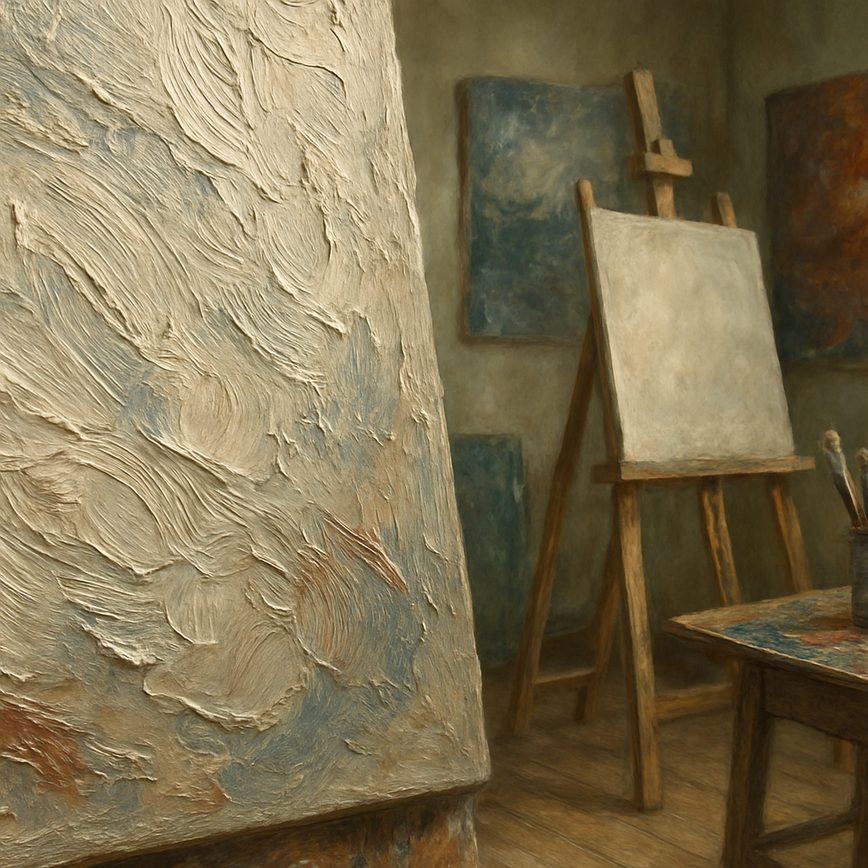
Actual texture, also known as tactile texture, refers to the physical surface quality of a painting. It is the texture you can actually feel with your fingers. For example, thickly applied oil paint, often called impasto, creates ridges and grooves on the canvas, giving it a three-dimensional feel. Artists like Vincent van Gogh famously used actual texture to bring life to their work.
Visual texture, on the other hand, is an illusion of texture created by the artist. It looks like it has texture but is smooth to the touch. This is often achieved through techniques such as cross-hatching, stippling, or detailed brushwork. For instance, a painting of tree bark might look rough and coarse, but when you touch it, the surface is flat.
Implied texture refers to the artist’s strategic use of lines, colors, and shapes to suggest texture without physically creating it. This type of texture stimulates the viewer’s imagination to “feel” how a surface might feel if touched. Visual texture is a kind of implied texture that tricks the eye into perceiving detail and surface variety.
Understanding the differences between actual texture, tactile texture, and visual texture allows artists to effectively manipulate how viewers experience their paintings. Whether through the rough feel of impasto or the illusion created by skillful brushwork, texture is a vital element in painting.
The Role of Texture in Artistic Expression
Texture plays a crucial role in artistic expression by influencing the mood, depth, and thematic meaning of artworks. Through the use of varied surface qualities—whether rough, smooth, thick, or thin—artists can evoke specific emotional effects that resonate with viewers. The tactile nature of texture invites audiences to engage more intimately with a piece, often triggering feelings ranging from calmness to tension depending on its application.
Moreover, texture impacts the perceived depth within a composition. By layering textures, artists create visual complexity that guides the eye across the artwork, adding a sense of dimension and space. This not only enhances realism in some cases but can also abstract or exaggerate elements to convey particular ideas or themes more powerfully.
In terms of thematic meaning, texture serves as a vital expressive tool. It can symbolize contrasts such as softness versus harshness or fragility versus strength, thereby enriching the narrative conveyed through the art. The intentional manipulation of texture allows artists to reinforce the central message or emotional tone, making texture impact an essential aspect of artistic expression that deepens the connection between the artwork and its audience.
Brushwork Techniques Explained
Brushwork is a fundamental aspect of painting techniques, playing a critical role in defining the texture, mood, and overall expression of a piece. Artists utilize various brush strokes and painting tools to manipulate the surface and create distinct visual effects that contribute to the composition’s impact. Understanding these techniques can enhance one’s appreciation of art and provide valuable insight for aspiring painters.
One common brushwork technique is the use of broad, sweeping strokes, often applied with flat or large brushes. This method allows painters to quickly cover large areas with color, creating a sense of movement and dynamism. It’s particularly effective in landscape paintings where the texture of nature, such as the sky or fields, benefits from this fluid and expansive application.
In contrast, fine, detailed brush strokes are essential for intricate work. Using pointed or round brushes, artists can add precision and delicate detailing to their art. These sharp strokes often define facial features, textures, and small highlights that bring realism or intricate expressiveness to the painting. This technique shapes the focal points of a composition, guiding the viewer’s eye.
Another influential technique is impasto, where paint is applied thickly so that brush strokes stand out prominently from the surface. This technique creates a rich texture and a sense of depth, inviting viewers to experience the painting not only visually but almost tactilely. The tactile quality of impasto can enhance the emotional intensity of the artwork, as the physicality of the brushwork becomes a direct extension of the artist’s gesture.
Dry brush technique involves using a brush with very little paint to create a scratchy, textured effect on the surface. This approach is excellent for adding subtle texture and highlights or suggesting the roughness of surfaces without fully covering the underlayer. It provides a contrast to smoother brushwork and enriches the painting’s complexity.
Finally, stippling uses small dots or short strokes made by the tip of the brush to build up texture and tonal variation gradually. This technique can be employed to depict intricate patterns or the play of light and shadow, adding nuanced depth to the composition. It’s often used in combination with other brushwork methods to achieve a balanced and harmonious effect.
Each brushwork technique, from broad strokes to fine details, from thick impasto to delicate dry brushing, influences the painting’s overall composition by controlling texture, light, and mood. By mastering different brush strokes and painting tools, artists can convey their vision more effectively, creating works that engage and captivate their audience.
Common Brush Stroke Styles
Brush strokes play a crucial role in defining texture and form within a painting. Understanding popular brush stroke styles such as stippling, cross-hatching, and impasto can greatly enhance an artist’s ability to convey depth and emotion. Stippling involves creating texture through numerous small dots or dabs of paint. This technique can add delicate detail and subtle gradation, making surfaces appear more tactile and nuanced. It often results in a soft, almost pointillistic effect that builds form gradually.
Cross-hatching consists of overlapping sets of parallel lines, which artists use to build tone and shadow. This method is excellent for suggesting volume and structure in a more graphic, linear manner. The direction and density of these lines affect the perceived shape and texture, giving a dynamic and textured surface that guides the viewer’s eye.
Impasto, on the other hand, involves applying thick layers of paint, often with a palette knife or stiff brush. This technique creates a highly textured, three-dimensional surface where the brush strokes themselves become a prominent feature of the artwork. Impasto adds intensity and movement, emphasizing the physicality of the paint and the artist’s gestures. It generates rich, tactile surfaces that play with light and shadow, dramatically enhancing the painting’s form and emotional impact.
Choosing Brushes for Different Effects
Brush selection plays a crucial role in determining the texture and overall painting effects an artist can achieve. Different brush types, such as round, flat, and filbert brushes, each contribute unique characteristics to brushwork and texture creation, allowing for varied artistic expression.
Round brushes, with their pointed tips and versatile shape, are excellent for detailed work, fine lines, and controlled strokes. They allow artists to create both thin and thick lines by adjusting pressure, making them ideal for intricate textures and delicate brushwork effects. Their ability to hold a good amount of paint also supports smooth blending and fluid transitions.
Flat brushes have a broad, squared-off edge that enables bold, sweeping strokes and sharp edges. These brushes are perfect for covering large areas quickly and for creating crisp, linear textures. The flat shape can produce both wide strokes when applied flat and thinner lines when used on the edge, giving painters flexibility in brushwork styles that contribute to dimensional texture in compositions.
Filbert brushes, combining the characteristics of flat and round brushes, feature a rounded tip that blends the softness of curves with the coverage of broad strokes. They are particularly effective in creating smooth, textured effects such as foliage and soft edges, enhancing the tactile quality of the painting. The brush shapes in this category offer a versatile tool for nuanced painting effects that emphasize natural transitions and organic textures.
Ultimately, understanding and selecting different brush types empowers artists to explore a wide range of painting effects, textures, and brushwork styles, enriching their creative toolkit and enhancing visual impact.
Combining Texture and Brushwork for Impact
Effectively combining texture and brushwork in painting techniques is a powerful way to create a compelling visual impact and deepen the emotional resonance of a piece. Artists who skillfully merge these elements can guide the viewer’s eye, evoke moods, and add layers of meaning within their art composition.
One strategy to enhance a painting’s texture and brushwork is balancing varied brush strokes with textural contrasts. For example, smooth, fluid brushwork can be paired with thick, impasto textures to create a dynamic interplay of tactile and visual sensations. This contrast not only enriches the surface quality but also amplifies focal points, drawing attention to important areas of the canvas.
Additionally, the direction and rhythm of brushwork can be aligned with the texture’s structure to evoke movement and energy. Repeating certain brushstroke patterns over textured layers helps unify the composition while adding depth. Alternately, introducing discordant strokes against a consistent texture can inject tension and intrigue, which heightens the painting’s emotional appeal.
Another approach involves layering thin glazes over textured underpainting. This technique allows the texture to subtly emerge through transparent brushwork, creating a luminous effect that engages viewers on multiple sensory levels. It also invites a closer inspection, rewarding audiences with intricate details and nuanced interplay between texture and brushwork.
Artists should also consider the scale and density of brushwork relative to the texture. Large, sweeping strokes work well with bold textures for dramatic statements, while finer, delicate brush strokes complement subtle textures to convey refinement and intimacy. By thoughtfully manipulating these elements, painters can craft a harmonious balance that enhances the overall visual impact.
Ultimately, the integration of texture and brushwork is a creative dialogue within the painting techniques arsenal. When combined intentionally, they elevate art composition beyond mere representation, deepening the emotional connection and visual storytelling. This blend invites viewers to experience the artwork not only as an image but as an expressive, tactile journey.
Examples of Texture and Brushwork in Famous Paintings
In art analysis, exploring famous paintings reveals how texture and brushwork play a pivotal role in conveying emotion and depth. One iconic texture example is Vincent van Gogh’s Starry Night, where thick, swirling brushstrokes create a vibrant, tactile surface that draws viewers into the night sky’s dynamic energy. Van Gogh’s impasto technique emphasizes the movement in his brushwork, making texture a central expressive element.
Another profound brushwork example is found in Claude Monet’s impressionist masterpiece Water Lilies. Monet’s loose, fluid brushstrokes blend colors softly, evoking a serene atmosphere and a sense of fleeting light on water. The texture here is subtle yet effective, achieved through gentle layering that invites the viewer to experience nature’s tranquility through the artist’s eyes.
Beyond impressionism, Rembrandt’s portraits demonstrate masterful control of brushwork and texture to capture human character. His use of varied brush techniques—from delicate, smooth areas to rich, impasto highlights—adds a tactile quality that enhances the realism and emotional intensity of his subjects. These texture examples highlight how brushwork variability contributes to the artwork’s lifelike presence.
Overall, examining these famous paintings showcases how texture and brushwork techniques are integral to artistic expression. Understanding these elements enriches art analysis, revealing the depth and complexity that artists impart through their distinct approaches to surface and gesture.
Tips for Artists to Enhance Texture Using Brushwork
To effectively enhance texture in your paintings, understanding how to use brushwork is essential. Start by varying the pressure applied with your brush; lighter strokes create subtle texture, while heavier strokes can add bold, tactile elements. Experiment with different brush types and sizes—stiff bristles produce rough, textured patterns, while softer brushes offer smooth, blended effects.
Another painting tip is to layer your brushwork strategically. Apply thick layers of paint with visible brushstrokes to emphasize texture, and let some layers dry before adding contrasting strokes on top. This technique adds depth and dimension to your work. Also, use directional strokes to mimic the natural textures of your subject, whether it’s the grain of wood, the softness of fabric, or the roughness of stone.
Don’t shy away from using unconventional brushwork methods; try dabbing, stippling, or scumbling to create diverse textures. Remember, your brushwork advice should always align with your overall composition to keep the viewer’s eye engaged. By integrating these artist techniques into your practice, you’ll significantly enhance the texture and visual interest of your paintings, making your work more dynamic and expressive.

I have spent years transforming my home into a personal gallery, constantly hunting for unique pieces that bring walls to life. There is nothing quite like the thrill of discovering an emerging artist online and finding the perfect artwork to complement a room. I am passionate about helping others navigate the world of digital art markets to find authentic pieces that truly resonate with their style.