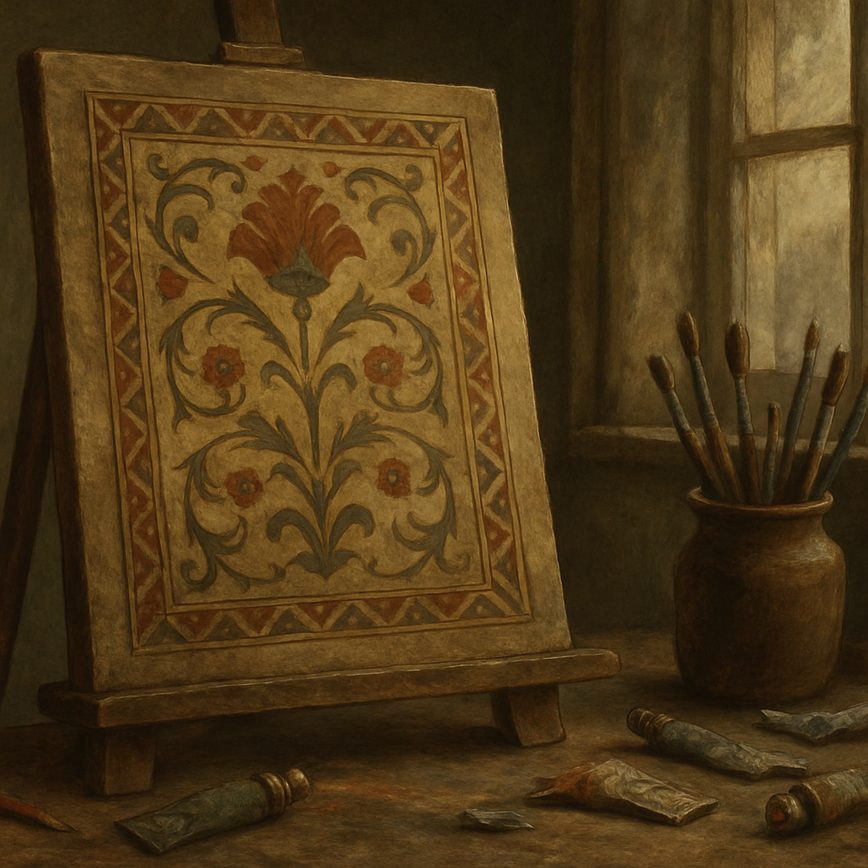
Understanding Motifs in Paintings
Motifs are recurring visual elements or symbols in paintings that carry deeper meanings beyond their aesthetic presence. In the context of paintings, motifs serve as fundamental building blocks that artists use to convey messages, emotions, and cultural narratives. Unlike mere decorative features, motifs are carefully chosen and repeatedly integrated into artworks to evoke specific interpretations, making them essential to the language of art.
These motifs can range from simple shapes and patterns to complex figures and objects, each bearing symbolism that the viewer can decipher. For example, a motif like a dove often symbolizes peace, while a skull might represent mortality. Such elements enrich the artwork by adding layers of meaning that encourage viewers to look beyond the surface and engage with the painting intellectually and emotionally.
The importance of motifs in paintings lies in their ability to communicate ideas quickly and powerfully without relying on words. They act as a universal visual language bridging different cultures and time periods. By understanding the motifs within a painting, viewers gain insight into the artist’s intentions, cultural background, and the socio-historical context that shaped the artwork.
Furthermore, motifs enhance the visual composition by creating rhythm, unity, and balance within the painting. Their repetition guides the viewer’s eye across the canvas, establishing a connection between various parts of the work and contributing to its overall harmony. This dual role of motifs as both symbolic carriers and compositional tools highlights their indispensable place in art.
In summary, motifs are much more than decorative accents in paintings. They are meaningful visual elements deeply embedded with art symbolism that invite viewers to explore layers of interpretation. Recognizing and understanding these motifs enriches the appreciation of paintings, transforming a simple visual experience into a profound dialogue between the artist and the observer.
Definition and Characteristics of Motifs
Motifs in paintings are fundamental elements that carry specific meanings and contribute to the overall narrative of the artwork. One of the primary characteristics of motifs is repetition. Artists often use motifs repeatedly within a composition to create rhythm, cohesiveness, and a visual pattern that guides the viewer’s eye. Repetition also reinforces the symbolic meaning of the motif, making it easier for the audience to recognize and interpret the intended message.
Another defining feature of motifs is their symbolism. Motifs serve as visual symbols that communicate ideas, emotions, or cultural stories without the need for words. These symbols can be universal or specific to a particular culture, era, or artist. For example, floral motifs might symbolize growth and beauty, while geometric shapes can represent harmony and order. Understanding the symbolic nature of motifs allows viewers to connect more deeply with the painting.
Cultural significance is also a crucial aspect of motif features. Many motifs are deeply rooted in cultural traditions, religious beliefs, and historical contexts. They can convey shared values or collective memories of a community, making the artwork not just a visual treat but also a rich cultural artifact. Recognizing the cultural background of motifs enhances appreciation and interpretation, revealing layers of meaning that go beyond the surface.
Common Types of Motifs Used in Art
In paintings, artists frequently use various common motifs to convey deeper meanings and enhance visual appeal. These art motifs often serve as symbolic elements that bring layers of interpretation to the artwork. Among the most prevalent motifs are natural, geometric, and abstract types, each with unique significance and application.
- Natural Motifs: These include elements inspired by nature such as flowers, animals, trees, and landscapes. Natural motifs often symbolize life, growth, beauty, and the passage of time. For instance, flowers might represent purity or love, while animals can carry cultural or spiritual symbolism.
- Geometric Motifs: Shapes like circles, triangles, squares, and labyrinthine patterns form the basis of geometric motifs. These are frequently used to evoke harmony, balance, order, or the infinite. Their repetitive nature can create rhythm and emphasis within the composition, reinforcing the symbolic elements.
- Abstract Motifs: These motifs do not directly represent objects but instead focus on shapes, colors, and forms to express emotions, ideas, or concepts. Abstract motifs encourage viewers to interpret meaning subjectively, adding an element of mystery or philosophical depth to the artwork.
Utilizing these common motifs allows artists to communicate complex stories and feelings through symbolic elements, making the artwork visually engaging and intellectually stimulating for the audience.
Interpreting the Meaning of Motifs
Interpreting the meaning of motifs in paintings is a crucial part of art analysis that allows viewers to uncover deeper layers of symbolism and cultural context. Motifs, which are recurring elements or themes within artworks, often carry rich emotional and cultural significance, offering insight beyond the surface imagery. To begin this interpretation, it is essential to consider the historical background of the artwork and the cultural traditions that influenced the artist. This understanding sets a foundation for decoding symbolic references embedded in the motifs.
One effective approach to interpretation is to observe the motifs within the broader narrative of the painting. For example, certain colors, shapes, or figures can symbolize ideas such as fertility, death, rebirth, or spiritual enlightenment. Through art analysis, identifying these symbols helps to unlock the intended message or emotion that the artist wished to convey. Additionally, emotional significance can be drawn from how motifs interact with each other and the overall composition, enhancing the viewer’s connection to the artwork.
Cultural symbolism in motifs varies widely across different societies, so interpreting meaning requires sensitivity to this diversity. What may represent peace and harmony in one culture could symbolize conflict or transformation in another. Therefore, research into the specific cultural context of the painting is invaluable. This research informs a more nuanced interpretation, illuminating the way motifs communicate values, beliefs, or historical events deeply rooted in that culture.
Moreover, personal interpretation also plays a role in understanding motifs. While cultural and historical insights provide a framework, the emotional response elicited by a motif can be unique to each viewer. This dynamic aspect of art analysis encourages a more intimate engagement with the artwork, allowing the symbolic meanings to resonate on a personal level. By balancing cultural knowledge with personal feeling, one can gain a richer appreciation for the multifaceted meanings behind motifs.
In summary, successful interpretation of motifs in paintings combines careful observation, cultural research, and openness to emotional resonance. Through this process, the symbolism of motifs reveals itself, enriching the viewer’s understanding and appreciation of the artwork’s depth and complexity.
Symbolism Behind Nature Motifs
Nature motifs, such as flowers, animals, and landscapes, are rich with symbolism and play a significant role in conveying deeper meanings in art. These motifs often serve as a visual language that artists use to communicate concepts like life, death, and spirituality. For example, flowers frequently symbolize the cycle of life and death; blooming flowers can represent vitality and growth, while wilting ones may allude to mortality and the passage of time.
Animals are another powerful category of nature motifs, each carrying distinct symbolic meanings depending on cultural contexts. For instance, a lion might symbolize courage and strength, while a dove is often associated with peace and spirituality. These representations allow artists to infuse their works with layers of meaning beyond the immediate visual impression.
Landscapes, too, hold symbolic value, often embodying themes of eternity, the sublime, or the spiritual connection between humans and nature. Mountainous scenes can evoke feelings of transcendence and the quest for higher understanding, while serene waters might symbolize calmness and reflection. Through these nature motifs, artists explore the intricate relationship between the physical world and abstract concepts, enriching the art’s meaning and engaging viewers on a profound level.
Historical and Cultural Context of Motifs
The historical context and cultural background of an artwork significantly influence the meaning of its motifs. Throughout art history, the symbolism embedded in motifs can shift dramatically depending on the time period and the societal values prevalent during that era. For instance, a motif that represented fertility and abundance in one culture or epoch may have taken on an entirely different connotation in another, reflecting changes in religious beliefs, politics, or social structures.
Understanding the cultural meaning embedded in motifs requires examining the artwork within its original historical framework. In classical art history, motifs like the laurel wreath symbolized victory and honor in Greco-Roman culture, whereas in medieval times, religious motifs became dominant, representing divine power and moral lessons. The evolution of motifs mirrors the changing worldview and collective experiences of societies, making it essential to consider both time and place when interpreting artworks.
Moreover, globalization and cultural exchange have further complicated the interpretation of motifs, blending meanings and creating new layers of significance. Modern art, for example, often reinterprets traditional motifs, sometimes blending historical references with contemporary cultural commentary. Hence, analyzing the historical context and cultural meaning of motifs allows for a richer and more nuanced appreciation of art, revealing not just aesthetic value but also insight into human history and societal shifts.
Examples of Motif Usage in Famous Paintings
Motifs play a crucial role in famous paintings, serving as symbolic elements that deepen the viewer’s understanding of the artwork. By examining motif examples in renowned art pieces, we gain insight into the artist’s intentions and cultural context, enriching our art analysis experience.
One of the most iconic paintings featuring impactful motifs is Leonardo da Vinci’s Mona Lisa. The enigmatic smile itself acts as a central motif, symbolizing mystery and subtle emotion. Additionally, the winding path and distant mountains in the background function as motifs representing a journey or the passage of time, adding layers of meaning to the portrait beyond its surface beauty.
In Vincent van Gogh’s The Starry Night, swirling celestial shapes are dominant motifs that convey the turbulent emotions of the artist. The stars and moon are not just decorative but serve as motifs for hope amid chaos and the infinite nature of the cosmos. Art analysis of this painting often highlights how the contrast between the calm village and the dynamic sky motifs underscores the tension between inner turmoil and outer peace.
Gustav Klimt’s The Kiss is another powerful example where motifs enrich the narrative. The golden patterns and floral elements enveloping the embracing couple act as motifs of love, intimacy, and unity. These motifs are intricately designed to blend human forms with symbolic decoration, illustrating how motifs can merge aesthetic beauty with profound meaning in famous paintings.
Finally, in Frida Kahlo’s The Two Fridas, the dual self-portrait contains motifs of identity and duality. The visible hearts connected by a vein motif emphasize emotional pain and connection to heritage. This painting’s motifs invite viewers to explore themes of self-exploration and cultural struggle, highlighting the complex messages conveyed through the artist’s symbolic use of imagery.
These famous paintings and their distinct motifs exemplify how recurring symbols enhance the storytelling and emotional impact of visual art. Understanding motif examples is essential in art analysis, as it allows deeper appreciation of the layered meanings artists embed within their work.
Motifs in Renaissance Paintings
Renaissance paintings are rich with motifs that carry profound art symbolism reflecting the cultural and intellectual revival of the era. One predominant motif is the use of classical mythology and religious themes, which Renaissance artists employed to convey moral and philosophical ideas. For instance, the depiction of mythological figures like Venus or Apollo symbolized beauty, love, and the human pursuit of knowledge. This blend of pagan and Christian motifs illustrated the period’s complex relationship with spirituality and humanism.
Another recurring motif is the use of nature elements, such as flowers, animals, and landscapes, each imbued with symbolic meaning. The lily, often portrayed in the hands of the Virgin Mary, signified purity and divine grace, while animals like the lion represented strength and courage. These natural motifs helped artists visually communicate abstract virtues and ideas important to Renaissance thought.
Additionally, Renaissance motifs often included geometrical shapes and perspectives, symbolizing harmony, balance, and the rediscovery of mathematical principles in art. The application of linear perspective itself was a motif illustrating the era’s emphasis on realism and the scientific exploration of space. Combined, these motifs created layered meanings, enriching the viewer’s experience and reflecting the intellectual spirit of the Renaissance.
Modern Interpretations of Traditional Motifs
Contemporary artists often breathe new life into traditional motifs by using them to express ideas that resonate with modern audiences. This motif reinterpretation allows artists to link the past with present-day themes, creating a dialogue between history and contemporary culture. By reimagining age-old symbols, these artists explore updated or contrasting meanings that reflect today’s social, political, and personal realities.
In modern art, motifs that once held specific cultural or spiritual significance may be transformed to challenge previous interpretations or to highlight current issues. For example, a traditional floral design might be adapted to represent environmental conservation, or ancestral patterns may be infused with messages about identity and heritage in a globalized world. This process enriches the symbolism embedded in the artwork and offers viewers fresh perspectives.
Such contemporary symbolism often relies on the viewers’ ability to recognize the original motif while appreciating its new context. This layered meaning invites deeper engagement and reflection, as the artist mediates between tradition and innovation. Ultimately, the modern use of traditional motifs demonstrates how cultural elements can evolve, maintaining relevance and sparking conversations across generations through the versatile language of art.

I have spent years transforming my home into a personal gallery, constantly hunting for unique pieces that bring walls to life. There is nothing quite like the thrill of discovering an emerging artist online and finding the perfect artwork to complement a room. I am passionate about helping others navigate the world of digital art markets to find authentic pieces that truly resonate with their style.