The Biggest Mistake New Collectors Make in Art
Entering the world of art collecting can be an exhilarating experience. For many, it represents a blend of passion, investment, and personal expression. However, new collectors often stumble into common pitfalls that can impede their journey. Understanding these mistakes is crucial for anyone looking to build a meaningful and valuable art collection. This article explores the most significant missteps that new art collectors make, providing insights and tips to help you navigate this vibrant market successfully.
Neglecting Research Before Purchases
One of the most significant errors new art collectors make is buying artworks without conducting thorough research. Many enthusiasts fall in love with a piece at first sight, only to later discover that they overpaid or that the work lacks significance. Understanding an artist’s background, the context of the artwork, and its market value is essential. Knowledge about the medium, style, and historical importance can greatly influence both the enjoyment and value of an art piece.
For instance, if you are drawn to a contemporary artist, take the time to explore their previous works, exhibitions, and reviews. Online platforms like art galleries and auction houses often provide insights into trends and prices. The more informed you are, the better your purchasing decisions will be.
Focusing Solely on Aesthetic Appeal
While it’s natural to be attracted to art based on its visual appeal, relying solely on aesthetics can lead to poor investment choices. Many new collectors overlook the importance of an artwork’s narrative and historical context. Pieces that may not catch your eye initially could hold significant value or meaning due to their background or the story behind them.
For example, a seemingly simple painting by an emerging artist might carry a compelling narrative about cultural identity or social issues, which could resonate more profoundly over time. Therefore, consider not only what you like but also what could appreciate in value based on its story and significance in the art world.
Ignoring the Importance of Provenance
Provenance refers to the history of ownership of an artwork. New collectors often neglect this aspect, which can lead to issues of authenticity and value. An artwork with a well-documented provenance can command a higher price and is less likely to have legal issues regarding ownership. Conversely, purchasing a piece without verifying its history can result in acquiring a forgery or a work with disputed ownership.
To avoid these pitfalls, always ask for documentation and verify the authenticity of a piece before purchasing. Reputable galleries and auction houses typically provide provenance information, which can also enhance your understanding of the work’s value and significance.
Overlooking the Importance of Condition
The condition of an artwork is a critical factor that can affect its value and longevity. New collectors may become so enamored with a piece that they overlook signs of damage or deterioration. Factors such as fading, discoloration, or physical damage can significantly affect an artwork’s value and appeal.
Before making a purchase, it’s crucial to closely examine the condition of the piece. If possible, consult with an art conservator or expert who can provide insights into any necessary restorations or the potential impact of the artwork’s condition on its value. Investing in a piece that requires extensive restoration can lead to unforeseen costs and complications down the line.
Failing to Diversify the Collection
New collectors often make the mistake of focusing on a single artist, style, or medium, which can limit their collection’s potential. While it is essential to collect what resonates with you personally, a diversified collection can provide balance and enhance overall value. Different styles, periods, and mediums can create a more dynamic and interesting collection.
Consider exploring various genres, such as contemporary, modern, or classical art. Additionally, incorporating different mediums like paintings, sculptures, and photography can provide a richer collecting experience. Diversification not only makes your collection more visually appealing but also reduces the risk associated with market fluctuations in a specific area.
Neglecting to Build Relationships with Art Professionals
Building relationships with art dealers, gallery owners, and other collectors can be invaluable for new art collectors. Many newcomers make the mistake of viewing art collecting as a solitary endeavor. However, establishing connections within the art community can provide access to exclusive opportunities, advice, and insights that can enhance your collecting experience.
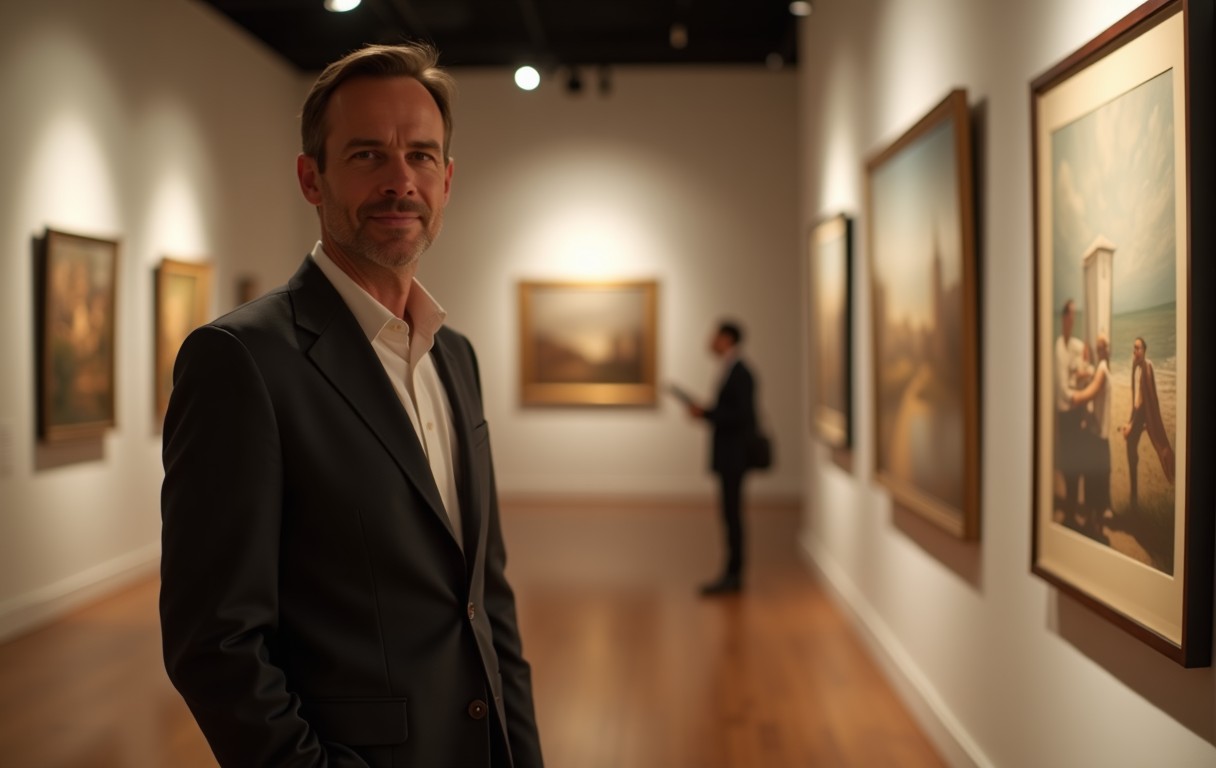
Attend gallery openings, art fairs, and exhibitions to meet industry professionals and fellow collectors. Engaging in discussions and networking can lead to valuable mentorship and potential investment opportunities. These connections can also help you stay informed about emerging artists and market trends, further enriching your collection.
Rushing to Make Decisions
In the excitement of starting an art collection, new collectors often rush to make decisions. This impulsiveness can lead to regrettable purchases. Taking the time to reflect on your choices is essential. If you feel pressured to buy a piece immediately, it may be wise to walk away and reconsider.
Set a budget and take the time to evaluate potential purchases. Consider how a piece fits into your overall collection and whether it aligns with your aesthetic and investment goals. By allowing yourself the space to make thoughtful decisions, you can avoid the regret that often accompanies hasty purchases.
Conclusion: Embracing the Learning Curve
Art collecting is a rewarding journey filled with opportunities for personal expression and investment. However, new collectors must navigate potential pitfalls to build a meaningful collection. By avoiding common mistakes such as neglecting research, focusing solely on aesthetics, and failing to verify provenance, you can enhance your collecting experience. Embrace the learning curve, and remember that every misstep is an opportunity to grow and refine your approach to art collecting.

I have spent years transforming my home into a personal gallery, constantly hunting for unique pieces that bring walls to life. There is nothing quite like the thrill of discovering an emerging artist online and finding the perfect artwork to complement a room. I am passionate about helping others navigate the world of digital art markets to find authentic pieces that truly resonate with their style.