

Collectors searching for museum-quality multiples often ask why limited edition art prints hold more value than open-run posters, and the answer lies in scarcity combined with direct artist authorization. When a creator signs and numbers a run of fifty or one hundred impressions, each sheet becomes a documented fragment of that artist’s market history rather than a decorative reproduction. Provenance paperwork, edition size, and the printer’s reputation all feed into resale performance, so buyers who understand these mechanics can spot undervalued opportunities before they reach auction rooms. Platforms that publish full condition reports, high-resolution zoomable images, and transparent sales histories give collectors the data needed to make confident acquisitions. This guide breaks down the leading digital marketplaces by the criteria that matter most to serious buyers.
Curatorial Vetting and Artist Relationships
Top-tier sites operate more like selective galleries than open marketplaces because they maintain direct contracts with living artists or established estates. A platform that negotiates exclusive releases with a painter’s studio can offer impressions that never appear on secondary aggregators, giving subscribers first access to sold-out editions. Curatorial teams typically review portfolios quarterly, accepting fewer than five percent of applicants to preserve brand integrity and protect collector trust. Buyers should verify whether a site lists the publisher, printer, and paper stock in the product description, since omission of those details often signals a drop-ship arrangement rather than a sanctioned release. Transparency about the printing workshop, whether it is a legacy atelier like Gemini G.E.L. or a contemporary studio, adds another layer of authenticity that resale platforms rarely replicate.
Relationships with artist foundations also determine how quickly new editions launch after a museum retrospective. When a major institution stages a survey show, the authorized platform often coordinates a timed release that coincides with the exhibition catalog, creating a documented provenance chain from day one. Collectors who join waiting lists for these drops gain an edge over general traffic, especially for editions capped below thirty copies. Some services assign a dedicated advisor to high-volume accounts, offering private viewings of artist proofs before public listing. That level of service transforms a transactional website into a long-term collecting partner.
Edition Transparency and Documentation Standards
Every legitimate listing should display the exact edition size, the individual impression number, and whether artist proofs or printer’s proofs exist outside the numbered run. A missing edition number or vague phrasing like “limited quantity” is a red flag that the work may be an unauthorized reproduction. Reputable platforms embed a certificate of authenticity into the digital order flow, generating a PDF that matches the physical document shipped with the artwork. That certificate must reference the publisher’s archive number, the printing date, and the specific paper or substrate used, because conservators rely on those details for future condition assessments. Buyers who intend to resell later will find that auction houses require this paperwork to clear the lot for sale.
High-resolution imaging standards vary widely across competitors. The best sites capture each impression under color-calibrated lighting at a minimum of three hundred DPI, allowing collectors to inspect plate marks, deckled edges, and signature pressure before committing. Some platforms go further by providing raking-light photographs that reveal surface texture, a critical factor for embossed or hand-finished works. If a marketplace only shows a single low-resolution mockup, assume the operator never physically handled the inventory. Physical custody matters because it enables condition reporting on corner bends, foxing, or mat burn that invisible dropshippers cannot detect.
Pricing Models: Primary Market vs. Secondary Listings
Primary-market platforms sell directly on behalf of the publisher at fixed retail prices, which means no bidding wars and predictable budgeting for new collectors. These prices typically range from two hundred dollars for emerging talent to fifteen thousand dollars for blue-chip names with editions under fifty. Secondary-market aggregators, by contrast, pool consignments from private owners, galleries, and estates, letting supply and demand set the final hammer price. A 2023 Banksy screen print numbered thirty-two of one hundred fifty might list at eight thousand dollars on a primary site but fetch twelve thousand at a timed online auction six months later. Understanding which model a platform uses prevents sticker shock and helps buyers decide whether they want immediate availability or potential appreciation.
Fee structures differ dramatically between the two models. Primary retailers usually absorb payment processing and shipping insurance into the displayed price, while secondary venues add buyer’s premiums of twelve to twenty-five percent plus separate shipping quotes. Some hybrid platforms charge a flat platform fee of three percent on top of the hammer price, which can be cheaper for high-value lots but expensive for entry-level prints. Always calculate the all-in cost including import duties if the seller ships from outside your customs union, because a seemingly low hammer price can become uncompetitive once VAT and brokerage fees arrive.
Shipping, Insurance, and Condition Guarantees
Framed works on paper require climate-controlled transit, acid-free glazing, and corner protectors that standard couriers rarely provide. Leading platforms partner with fine-art shippers such as Cadogan Tate or Atelier 4 to build custom crates with humidity buffers, and they include full-value insurance that covers the declared retail replacement cost. A typical door-to-door shipment for a framed 30-by-40-inch print from London to New York costs between four hundred and seven hundred dollars depending on declared value, and the best sites bundle that fee into checkout so buyers avoid surprise invoices. Platforms that offer a fourteen-day condition guarantee allow collectors to inspect the piece under their own lighting and return it if undisclosed flaws appear, a policy that signals confidence in their vetting process.
Unframed impressions shipped flat in archival sleeves need rigid backing boards and moisture-barrier bags, especially during summer months when humidity spikes can cause cockling. Some marketplaces provide a complimentary framing consultation with a partnered atelier, letting buyers select museum-grade UV glass and reversible hinging before the print leaves the warehouse. That service saves weeks of back-and-forth with local framers and ensures the artwork never leaves a controlled environment. Collectors should ask whether the platform stores inventory in a temperature-regulated vault or a standard fulfillment center, because long-term storage conditions affect paper longevity long after the sale closes.
Secondary Market Liquidity and Resale Support
A platform that facilitates resale creates a closed loop where provenance remains intact and future buyers trust the chain of title. Integrated “sell through us” buttons let consignors list previously purchased editions with the original certificate pre-attached, reducing friction and time to market. Data from 2024 shows that prints relisted on their original platform sell thirty percent faster than those moved to general auction sites, because the buyer pool already knows the edition’s history. Some services offer a buy-back guarantee at a fixed percentage of the original price for up to five years, effectively putting a floor under the investment. That feature is rare but valuable for collectors building a rotation strategy rather than a permanent holding.
Price databases and realized-price archives give sellers leverage when setting reserves. Platforms that publish anonymized transaction histories for each edition, showing date, hammer price, and condition grade, enable data-driven pricing instead of guesswork. A collector who sees that the last three impressions of a specific Hockney etching sold between twenty-two and twenty-six thousand dollars can confidently list at twenty-four thousand with a twenty-thousand reserve. Without that transparency, sellers either leave money on the table or price too high and watch the listing stale. The best marketplaces update these databases weekly and flag when an edition approaches sell-out status, which often triggers a final price surge.
Artist Discovery and Emerging Talent Pipelines
Established names dominate auction headlines, but the strongest long-term returns often come from artists whose first editions sell for under one thousand dollars. Platforms with dedicated scouting teams attend MFA thesis shows, artist-run space openings, and regional biennials to sign exclusive print agreements before commercial galleries represent the maker. These early editions typically run twenty-five to fifty copies on handmade paper, priced between three hundred and eight hundred dollars, and they frequently appreciate threefold once the artist secures a major solo show. Collectors who allocate ten percent of their budget to this tier gain exposure to the next generation while supporting living practice directly.
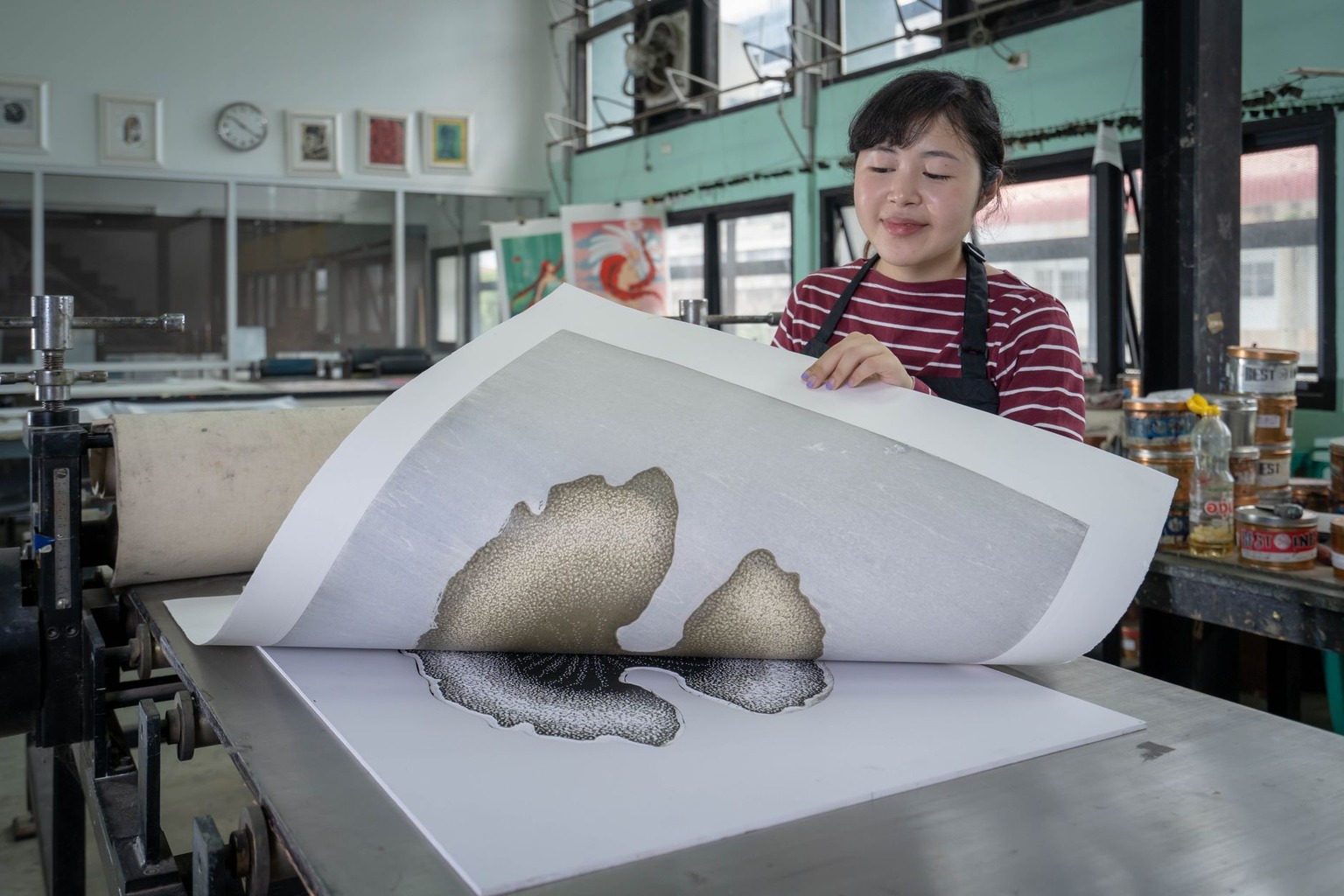
Curated “rising stars” sections or quarterly portfolio drops signal that a platform invests in discovery rather than just recycling blue-chip inventory. Some sites commission original print projects, pairing a painter with a master printer to create a suite that exists only in that edition. Those collaborations produce unique technical innovations, split-fountain gradients, hand-torn deckles, or embedded collage elements, that standard reproductions cannot replicate. Buyers who follow a platform’s editorial newsletter learn about these drops weeks before public release, securing low numbers in the edition that carry a premium on the secondary market. The relationship between platform, printer, and artist becomes part of the work’s narrative, adding scholarly weight to future catalog entries.
Why Limited Edition Art Prints Hold More Value in Digital Marketplaces
Digital marketplaces amplify the structural advantages that make scarcity valuable by turning edition data into searchable, comparable metrics. When a collector can filter by edition size, signature status, and printer name across dozens of vendors in seconds, the market efficiently prices rarity instead of relying on gallery gatekeepers. Algorithms that surface “last five available” alerts create urgency grounded in real inventory counts, not marketing copy. Platforms that integrate blockchain-based registry entries for each impression add an immutable layer to the provenance chain, reducing forgery risk for high-value editions. That technological infrastructure transforms what was once an opaque wholesale network into a liquid, transparent asset class accessible to collectors in any time zone.
Data analytics also reveal collecting trends before they hit print publications. A sudden spike in saved searches for a specific photographer’s vintage gelatin silver prints can predict a price inflection point months before auction results confirm it. Savvy buyers monitor these signals on platforms that expose aggregate interest metrics, then acquire undervalued editions from sellers who have not yet adjusted asking prices. The convergence of curated supply, verified documentation, and real-time demand data creates a feedback loop where scarcity, authenticity, and liquidity reinforce each other, exactly the conditions under which limited editions outperform open editions over any meaningful holding period.

I have spent years transforming my home into a personal gallery, constantly hunting for unique pieces that bring walls to life. There is nothing quite like the thrill of discovering an emerging artist online and finding the perfect artwork to complement a room. I am passionate about helping others navigate the world of digital art markets to find authentic pieces that truly resonate with their style.