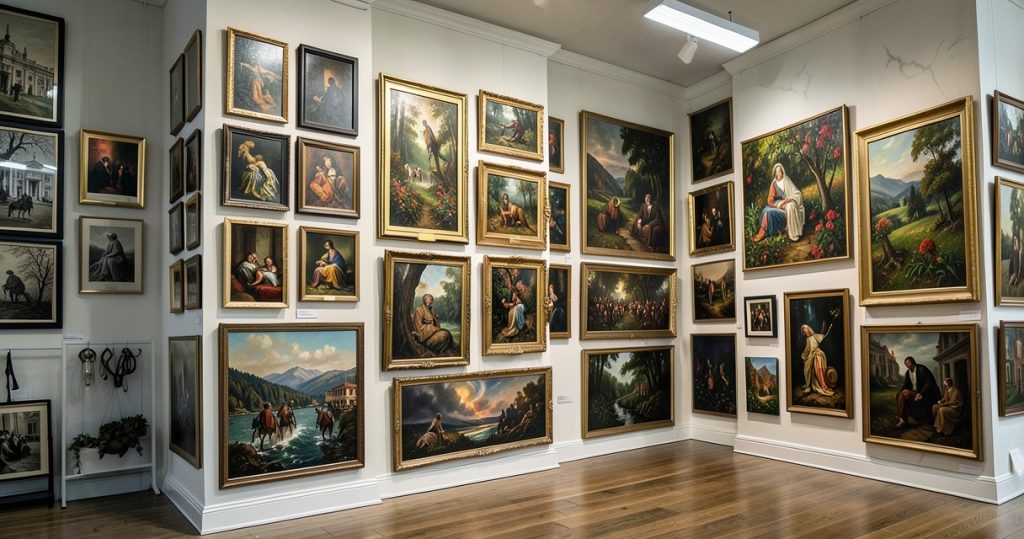
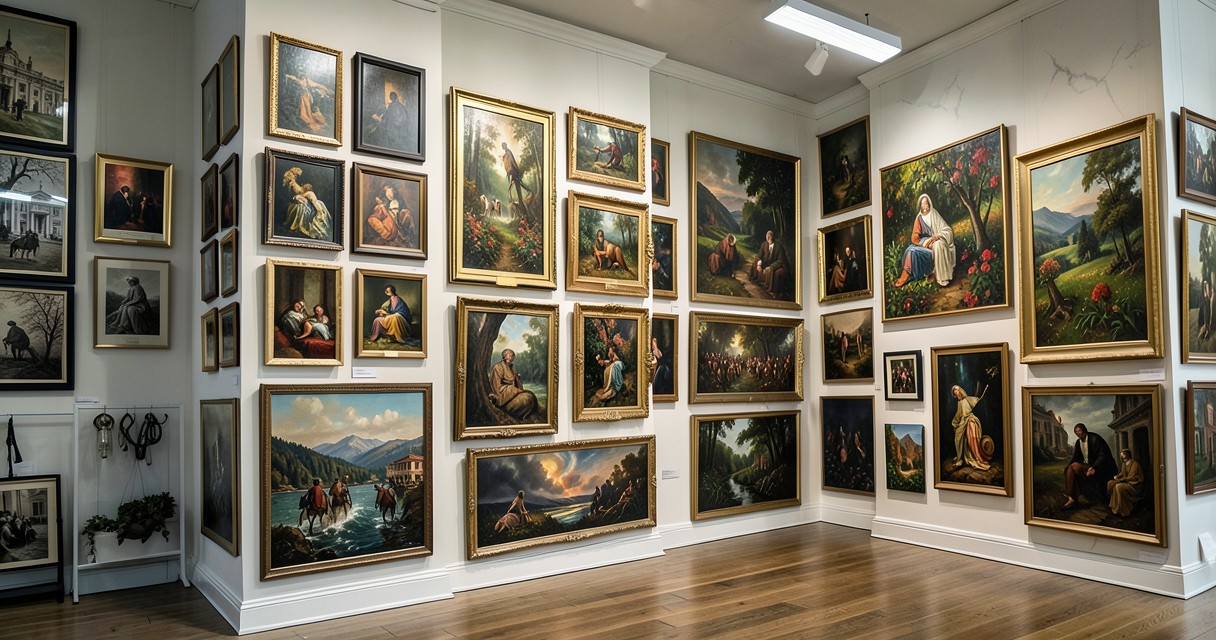
Building a meaningful art collection starts with understanding the language of visual history. Every brushstroke, color palette, and compositional choice carries the DNA of a movement that shaped how we see the world today. Whether you are furnishing a living room with a single statement piece or assembling a portfolio of investment-grade works, knowing the key art movements helps you spot quality, predict value trends, and connect emotionally with the art you bring home. Below, we walk through the seven movements that every serious collector encounters in galleries, auctions, and online marketplaces like ours, explaining what makes each distinct, which artists to watch, and how their market behavior differs.
Impressionism: The Birth of Modern Light
Impressionism emerged in Paris during the 1870s as a radical departure from the polished academic style of the time. Artists like Claude Monet, Pierre-Auguste Renoir, and Camille Pissarro abandoned the studio in favor of painting en plein air, capturing fleeting moments of natural light with rapid, visible brushstrokes. Instead of blending colors on the palette, they placed complementary hues side by side, letting the viewer’s eye mix them optically. This technique created a shimmering, almost vibrating surface that became the movement’s signature. Collectors today prize Impressionist works for their luminosity and emotional immediacy, qualities that translate beautifully into contemporary interiors where natural light is abundant.
The market for Impressionist paintings remains one of the most stable and liquid in the art world. A Monet water lily canvas can fetch over $80 million at auction, while smaller works by second-tier artists like Berthe Morisot or Alfred Sisley often sell in the $1 to $5 million range. What sets Impressionism apart is its broad appeal; these paintings work equally well in a minimalist loft and a traditional home. When shopping online, look for canvases with provenance that traces back to the original Impressionist exhibitions or major 20th-century collections. Condition is critical; varnish yellowing and craquelure can reduce value by 30% or more, so always request a detailed condition report before purchasing.
Post-Impressionism: Structure Meets Emotion
Post-Impressionism arose in the 1880s as a reaction to Impressionism’s perceived lack of structure. Artists like Paul Cézanne, Vincent van Gogh, and Paul Gauguin retained the bright palette and expressive brushwork but introduced stronger compositional elements, symbolic content, and personal emotion. Cézanne’s geometric approach to still lifes and landscapes laid the groundwork for Cubism, while van Gogh’s swirling, impasto brushstrokes conveyed psychological intensity. Gauguin’s flat planes of color and exotic subject matter influenced the Symbolists and later the Fauves. These artists worked independently, yet their collective innovations redefined what painting could express.
For collectors, Post-Impressionist works offer a compelling blend of aesthetic beauty and historical significance. A van Gogh sunflower painting can sell for $100 million or more, but the movement also includes more accessible artists like Henri de Toulouse-Lautrec and Émile Bernard, whose works often appear in the $50,000 to $500,000 range. When evaluating a Post-Impressionist piece, pay attention to the artist’s signature style; van Gogh’s thick impasto, for example, should feel almost sculptural to the touch. Provenance is equally important; works that passed through the hands of early dealers like Ambroise Vollard or major collectors like Sergei Shchukin tend to command premiums. Online listings should include high-resolution images that allow you to examine brushwork and pigment texture in detail.
Cubism: The Fragmented Revolution
Cubism, pioneered by Pablo Picasso and Georges Braque between 1907 and 1914, shattered the conventions of perspective by depicting objects from multiple viewpoints simultaneously. The movement unfolded in two phases: Analytic Cubism, characterized by monochromatic palettes and dense, overlapping planes, and Synthetic Cubism, which introduced collage elements like newspaper clippings and fabric. These innovations freed artists from the constraints of realism and paved the way for abstract art. Picasso’s “Les Demoiselles d’Avignon” and Braque’s “Violin and Palette” remain iconic examples, but the movement also produced smaller, more affordable works on paper that are ideal for new collectors.
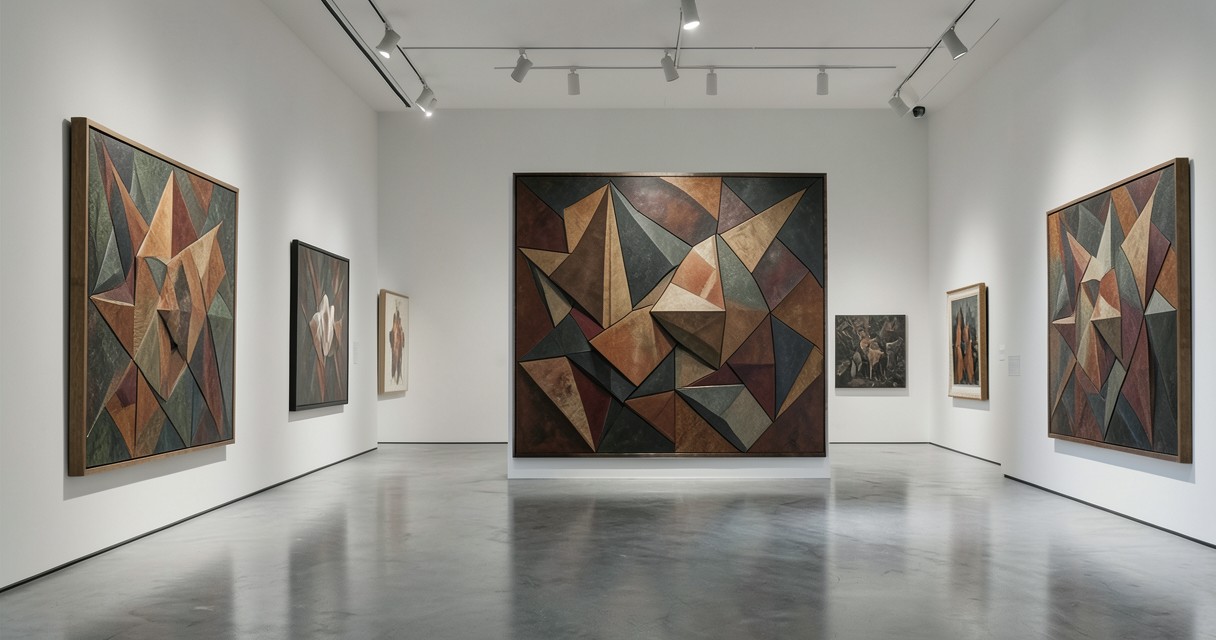
The market for Cubist art is highly segmented. Major oil paintings by Picasso or Braque can exceed $100 million, while drawings and prints often sell for $50,000 to $500,000. What collectors love about Cubism is its intellectual depth; these works invite repeated viewing, revealing new details with each encounter. When purchasing online, focus on works with clear provenance and exhibition history. The condition of collage elements is particularly important; glue degradation or paper discoloration can significantly reduce value. Look for pieces that have been professionally conserved and come with a detailed condition report from a reputable restorer.
Surrealism: The Unconscious on Canvas
Surrealism emerged in the 1920s as a literary and artistic movement that sought to unlock the creative potential of the unconscious mind. Artists like Salvador Dalí, René Magritte, and Max Ernst used dreamlike imagery, unexpected juxtapositions, and hyper-realistic techniques to challenge rational thought. Dalí’s melting clocks in “The Persistence of Memory” and Magritte’s floating apples in “The Son of Man” are instantly recognizable, but the movement also includes more abstract works by Joan Miró and Yves Tanguy. Surrealism’s appeal lies in its ability to provoke thought and conversation, making it a favorite among collectors who want their art to spark dialogue.
The market for Surrealist art is diverse, with prices ranging from $10,000 for a small print to $20 million for a major oil painting. Dalí’s works are the most sought-after, but lesser-known artists like Leonora Carrington and Dorothea Tanning offer excellent value. When evaluating a Surrealist piece, consider its symbolic content; works with layered, open-ended narratives tend to appreciate more over time. Provenance is crucial, especially for works created during the movement’s peak in the 1930s and 1940s. Online listings should include detailed images of the signature, as forgeries are common in this market. Always verify the work’s authenticity with a certificate from a recognized expert or foundation.
Abstract Expressionism: The Power of Gesture
Abstract Expressionism dominated the New York art scene in the 1940s and 1950s, marking the first major American art movement to achieve global influence. The movement split into two main strands: Action Painting, exemplified by Jackson Pollock’s drip paintings and Willem de Kooning’s aggressive brushwork, and Color Field Painting, represented by Mark Rothko’s luminous rectangles and Barnett Newman’s “zips.” These artists prioritized emotional expression over representational accuracy, using scale, color, and gesture to create immersive experiences. A Pollock canvas can cover an entire wall, while a Rothko demands contemplation from a distance, making both ideal for large, open spaces.
The market for Abstract Expressionist works is among the most competitive in contemporary collecting. A Pollock drip painting can sell for over $140 million, while a Rothko can fetch $80 million or more. However, the movement also includes more affordable artists like Franz Kline and Robert Motherwell, whose works often appear in the $100,000 to $1 million range. When purchasing online, focus on works with strong exhibition history, particularly those shown at major institutions like the Museum of Modern Art or the Whitney. Condition is critical; canvas sagging, paint cracking, and color fading can drastically reduce value. Always request a professional condition report and, if possible, a technical analysis of the paint layers.
Pop Art: The Marriage of Art and Commerce
Pop Art emerged in the 1950s and 1960s as a playful yet critical response to consumer culture. Artists like Andy Warhol, Roy Lichtenstein, and Claes Oldenburg appropriated imagery from advertising, comic books, and everyday objects, using bright colors and bold outlines to blur the line between high art and mass production. Warhol’s silkscreened Campbell’s Soup Cans and Lichtenstein’s Ben-Day dot paintings are now cultural icons, but the movement also includes lesser-known figures like James Rosenquist and Tom Wesselmann, whose works offer excellent entry points for collectors. Pop Art’s vibrant, accessible style makes it a favorite for modern interiors, where it adds a touch of irony and energy.
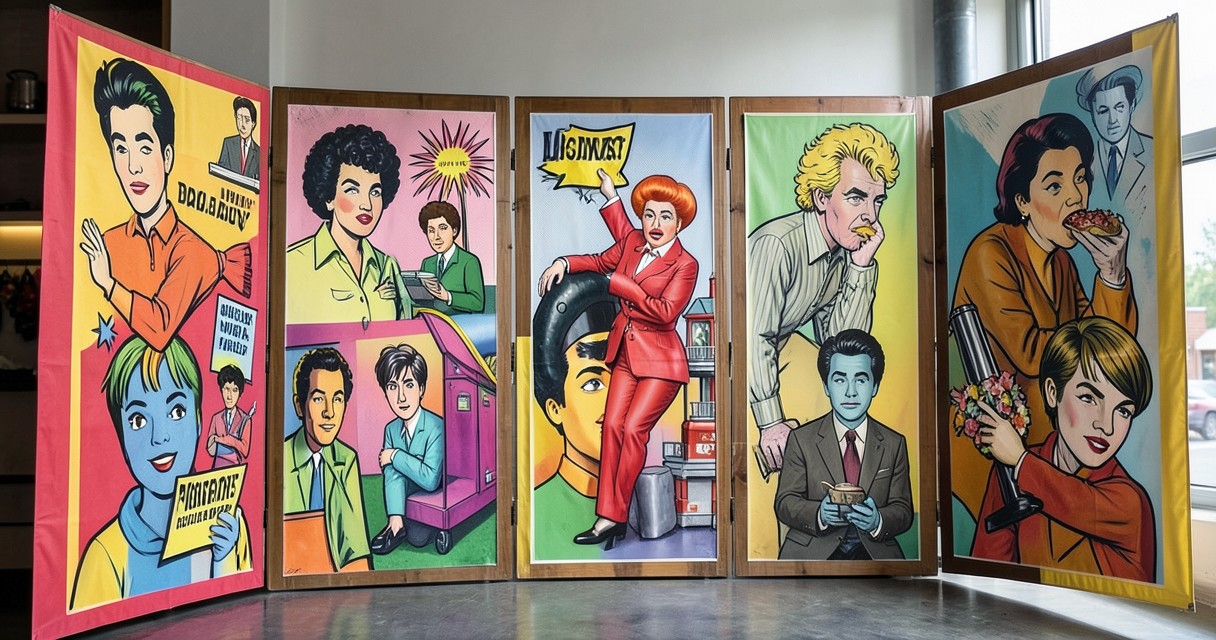
The market for Pop Art is highly liquid, with prices ranging from $5,000 for a small print to $100 million for a major Warhol canvas. Warhol’s works dominate the market, but prints and multiples by Lichtenstein and Oldenburg are more affordable, often selling for $20,000 to $200,000. What collectors love about Pop Art is its immediacy; these works are instantly recognizable and often humorous, making them great conversation starters. When purchasing online, pay attention to edition numbers and condition. Warhol’s screenprints, for example, can suffer from ink fading and paper discoloration, so always request a condition report. Provenance is also important; works that come from the artist’s estate or a major gallery like Leo Castelli tend to hold their value better.
Contemporary Art: The Market’s Cutting Edge
Contemporary art encompasses works created from the 1970s to the present day, reflecting the diversity and complexity of the modern world. This category includes everything from Gerhard Richter’s photorealistic abstractions to Yayoi Kusama’s immersive installations and Banksy’s subversive street art. Unlike earlier movements, contemporary art is less defined by a shared style and more by its engagement with current social, political, and technological issues. For collectors, this means a broader range of options but also greater risk; not every emerging artist will stand the test of time, so research and intuition are key.
The market for contemporary art is the most dynamic and unpredictable. A Richter painting can sell for $40 million, while a Banksy print might fetch $100,000. What sets contemporary art apart is its potential for rapid appreciation; works by artists like Julie Mehretu or Njideka Akunyili Crosby have seen their values multiply in just a few years. When purchasing online, focus on artists with strong gallery representation and museum exhibitions. Provenance is less established than in older movements, so look for works that come directly from the artist’s studio or a reputable dealer. Condition is also critical; many contemporary works use unconventional materials that can degrade over time, so always request a professional assessment before buying.

I have spent years transforming my home into a personal gallery, constantly hunting for unique pieces that bring walls to life. There is nothing quite like the thrill of discovering an emerging artist online and finding the perfect artwork to complement a room. I am passionate about helping others navigate the world of digital art markets to find authentic pieces that truly resonate with their style.