

The journey from a blank canvas to a finished painting isn’t just about technique, it’s about transforming an idea into a tangible piece that resonates with viewers. Whether you’re commissioning a custom artwork for your home or browsing an online gallery like OAC Gallery, understanding the process behind each painting reveals the artistry, precision, and creative decisions that shape the final result. From the initial sketch to the final brushstroke, every step carries weight in defining the artwork’s character, mood, and emotional impact. This isn’t just about replication; it’s about collaboration between artist and client to bring a vision to life with depth and authenticity.
Defining the Vision: How Artists Translate Client Ideas
The first critical phase of any commissioned painting begins with a clear, shared vision between the artist and the client. This stage isn’t just about describing a subject, it’s about distilling emotions, themes, and details into a cohesive concept. For example, if a client wants a coastal landscape, the artist might explore whether the focus should be on the dramatic waves of a stormy sea, the serene reflections of a sunset, or the quiet intimacy of a lone boat on calm waters. Artists often use mood boards, color palettes, or even reference images to align expectations, ensuring the final piece captures the essence of what the client envisions. Without this foundational alignment, even the most skilled execution can miss the mark. A well-defined vision also accounts for technical constraints, like the medium (oil, acrylic, digital) and the scale of the artwork, so the artist can propose solutions that balance creativity with feasibility.
Some artists take this a step further by offering multiple conceptual sketches during this phase. These rough drafts serve as a visual dialogue, allowing clients to refine their ideas before committing to a final direction. For instance, a client might initially request a portrait but later realize they prefer a more abstract, impressionistic approach after seeing three different interpretations. This iterative process not only clarifies the client’s preferences but also helps the artist refine their own approach, ensuring the final painting feels intentional rather than generic. Tools like digital mockups or even physical thumbnails can accelerate this phase, making it easier to visualize adjustments in real time.
Medium Matters: Choosing the Right Technique for Your Artwork
The choice of medium isn’t just about personal preference, it directly influences the texture, longevity, and emotional impact of the finished painting. Oil paints, for example, offer rich, layered depth with a luminous finish that’s ideal for dramatic landscapes or intricate details, like the velvety textures of a stormy sky or the fine brushwork of a floral still life. Acrylics, on the other hand, dry quickly and are more versatile for bold, expressive strokes, making them a favorite for contemporary or abstract pieces. Digital art, while less tactile, allows for infinite revisions and vibrant color gradients, which can be particularly compelling for modern or surreal compositions.
Each medium also demands different techniques to achieve the desired effect. oil paints require patience, layers must dry slowly to avoid muddy colors, and often involve techniques like glazing or scumbling to build depth. Acrylics, meanwhile, thrive on rapid experimentation, with artists often working wet-on-wet to blend colors seamlessly. Digital artists leverage brush presets and layer masks to simulate traditional textures, but they must balance realism with the unique advantages of digital tools, such as adjusting hues or opacity without losing detail. The medium you choose should complement the subject matter; a hyper-realistic portrait might shine in oils, while a dreamy, ethereal landscape could be better suited to acrylics or digital.
Color Psychology: How Palettes Shape Emotional Impact
Color is the silent storyteller of a painting, capable of evoking emotions before a viewer even processes the subject. A deep cobalt blue might suggest tranquility and introspection, perfect for a serene seascape, while fiery oranges and reds can convey passion or urgency, ideal for a dynamic cityscape at dusk. Artists often use color theory to guide their choices, complementary colors (like blue and orange) create vibrancy, while analogous palettes (shades next to each other on the wheel) foster harmony. For instance, a painting of a Mediterranean village might rely on warm terracotta tones for the buildings, contrasted with cool turquoise for the sea, creating a sense of balance and warmth.

The role of color extends beyond aesthetics; it can also influence the perceived scale and mood of a scene. A limited palette, such as the muted tones of a monochromatic study, can add a timeless, understated elegance, while a high-contrast palette with bold blacks and whites can create a sense of drama or intensity. Artists may also use color to guide the viewer’s eye, warm hues often draw attention, while cool tones can recede, creating depth. When commissioning a painting, discussing color preferences upfront ensures the final piece aligns with the intended emotional response. For example, a client who wants a painting to feel calming might opt for soft pastels, whereas someone seeking energy might choose a palette with vibrant, saturated tones.
Composition and Framing: Where the Magic Happens
The composition of a painting is where the artist’s eye becomes the viewer’s guide, determining how the eye moves across the canvas and what emotions it evokes. Techniques like the rule of thirds, dividing the canvas into a grid and placing key elements along the lines or intersections, can create a sense of balance and dynamism. For landscapes, this might mean positioning the horizon slightly off-center to avoid a static feel, while portraits often benefit from leading lines (like a gaze or a hand gesture) that draw the viewer into the scene. The framing of the subject also plays a role; a close-up portrait emphasizes intimacy, whereas a wide-angle view of a landscape immerses the viewer in the environment.
Framing isn’t just about the subject’s placement; it’s about the negative space and the interplay between elements. An artist might use leading lines, such as a winding road or a row of trees, to create a sense of depth, or they might contrast sharp, angular forms against soft, organic shapes to add visual interest. Digital artists have additional tools at their disposal, like cropping and layer masks, to refine compositions without altering the original work. For clients, understanding these techniques can help in providing feedback, whether it’s adjusting the balance of elements or suggesting a different focal point, to ensure the final painting feels cohesive and intentional. A well-composed painting doesn’t just show a subject; it tells a story.
From Sketch to Finished Stroke: The Refining Process
The transition from a rough sketch to a finished painting is where the artist’s vision takes tangible form, but it’s also the phase where the most significant refinements occur. Initially, the artist might work in broad strokes, focusing on the overall structure and values (light and dark areas) to establish the painting’s foundation. This stage is about blocking in shapes and colors to capture the essence of the scene before diving into details. For example, a landscape artist might begin with a monochromatic underpainting to define the light source and shadows before adding color. This approach prevents the painting from becoming cluttered too early and ensures the composition remains strong.
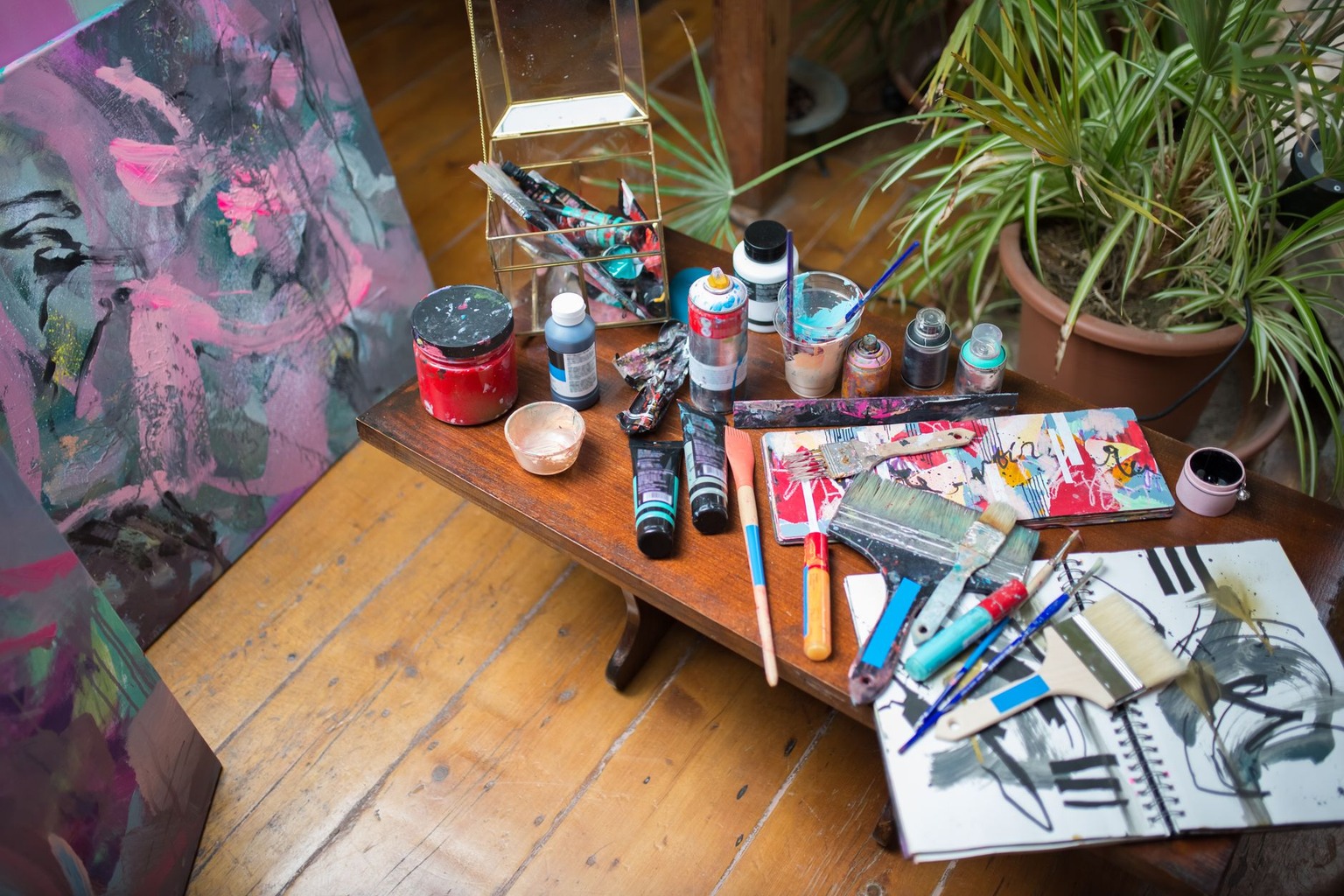
As the painting progresses, the artist refines details layer by layer, adjusting colors, textures, and proportions as needed. This is where the magic happens, where subtle adjustments in a character’s expression or the play of light on a surface can elevate the piece from good to exceptional. Digital artists, for instance, might use adjustment layers to fine-tune colors or contrast without altering the original brushwork, while traditional artists might employ techniques like glazing or dry brushing to add depth. The refining process is iterative; artists often step back to assess the painting’s impact before making further changes. This phase is also where the artist’s signature style emerges, whether through bold brushwork, intricate details, or a unique approach to color blending.
Client Collaboration: How to Guide Your Artist Without Overstepping
Commissioning a painting is a partnership, and effective communication is key to ensuring the final result meets both the artist’s and the client’s expectations. The best collaborations begin with clear, specific feedback, rather than vague directives like “make it more colorful,” clients should describe what they’re seeing and how they’d like it adjusted. For example, instead of saying “I don’t like the sky,” a client might suggest, “The sky feels too bright; can we make it more moody with deeper blues?” Providing reference images or mood boards can also help bridge any gaps in interpretation. Artists appreciate detailed feedback because it allows them to refine their work precisely, rather than guessing at the client’s preferences.
However, collaboration doesn’t mean clients should dictate every detail. Artists bring their expertise, knowledge of color theory, composition, and technique, to the table, and their experience often leads to unexpected but effective solutions. A well-informed client will trust the artist’s judgment while offering constructive input. For instance, if a client insists on a specific color that clashes with the overall palette, the artist might suggest alternatives that align with the vision while maintaining harmony. Open dialogue ensures that both parties feel heard, and the final painting reflects a true collaboration between the client’s vision and the artist’s skill. This balance is what transforms a commissioned piece from a simple order into a meaningful work of art.

I have spent years transforming my home into a personal gallery, constantly hunting for unique pieces that bring walls to life. There is nothing quite like the thrill of discovering an emerging artist online and finding the perfect artwork to complement a room. I am passionate about helping others navigate the world of digital art markets to find authentic pieces that truly resonate with their style.