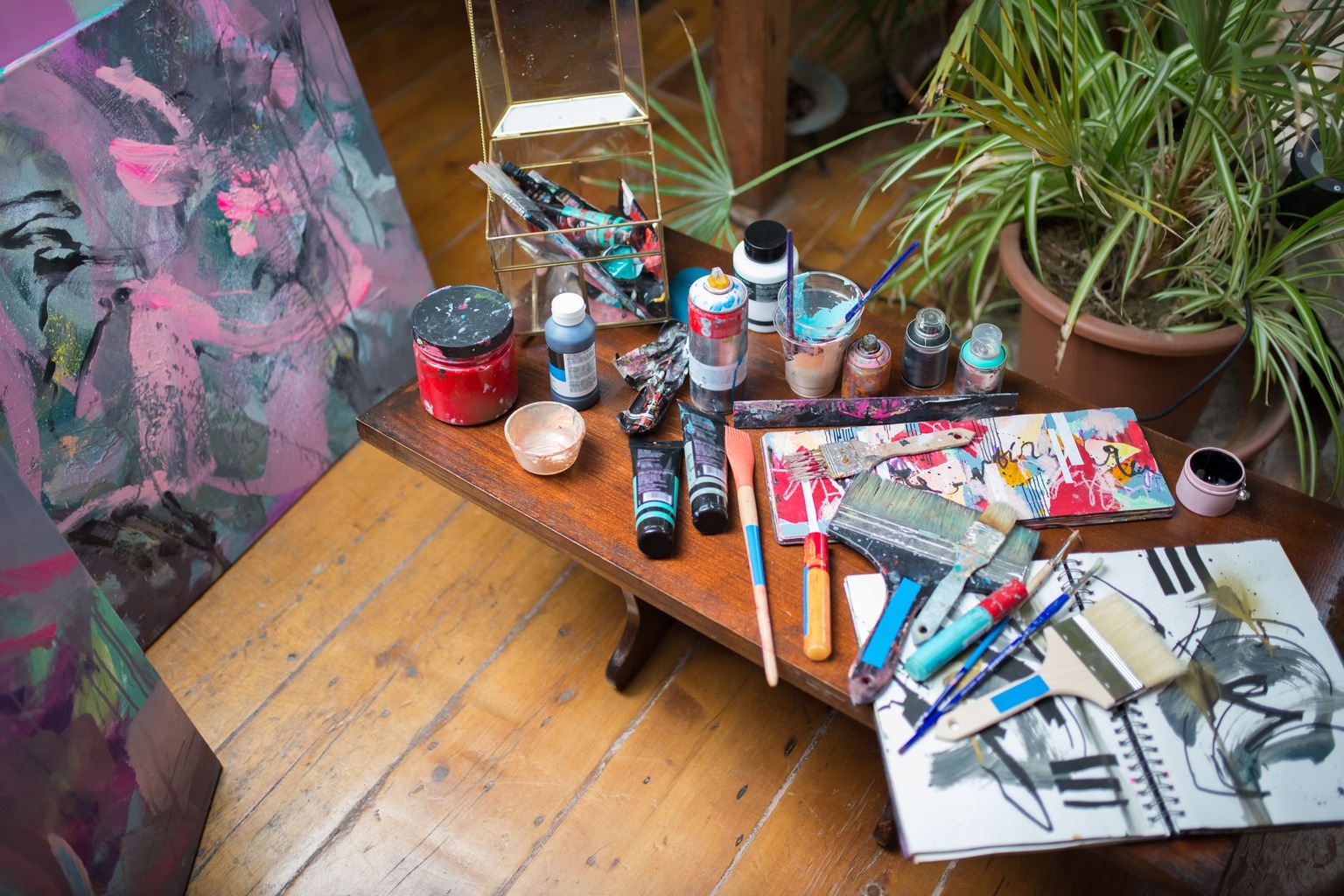
The way an artist documents their creative process isn’t just a personal habit, it’s a strategic tool that shapes how their work is perceived, sold, and collected. For painters and illustrators whose work lives in an online gallery like this one, the documentation itself becomes part of the artwork’s narrative, influencing buyer decisions, gallery curation, and even the artist’s reputation. Unlike industries where process documentation is standard (like software development or architecture), visual artists often treat their creative journey as an intimate, unshared space. Yet the most successful artists in the digital art market, those whose paintings sell for five or six figures, understand that their process is as valuable as the final piece. It’s not about exposing every sketch or failed attempt; it’s about curating a version of the journey that aligns with the story they want to tell about their work.
The psychological contract between artist and audience
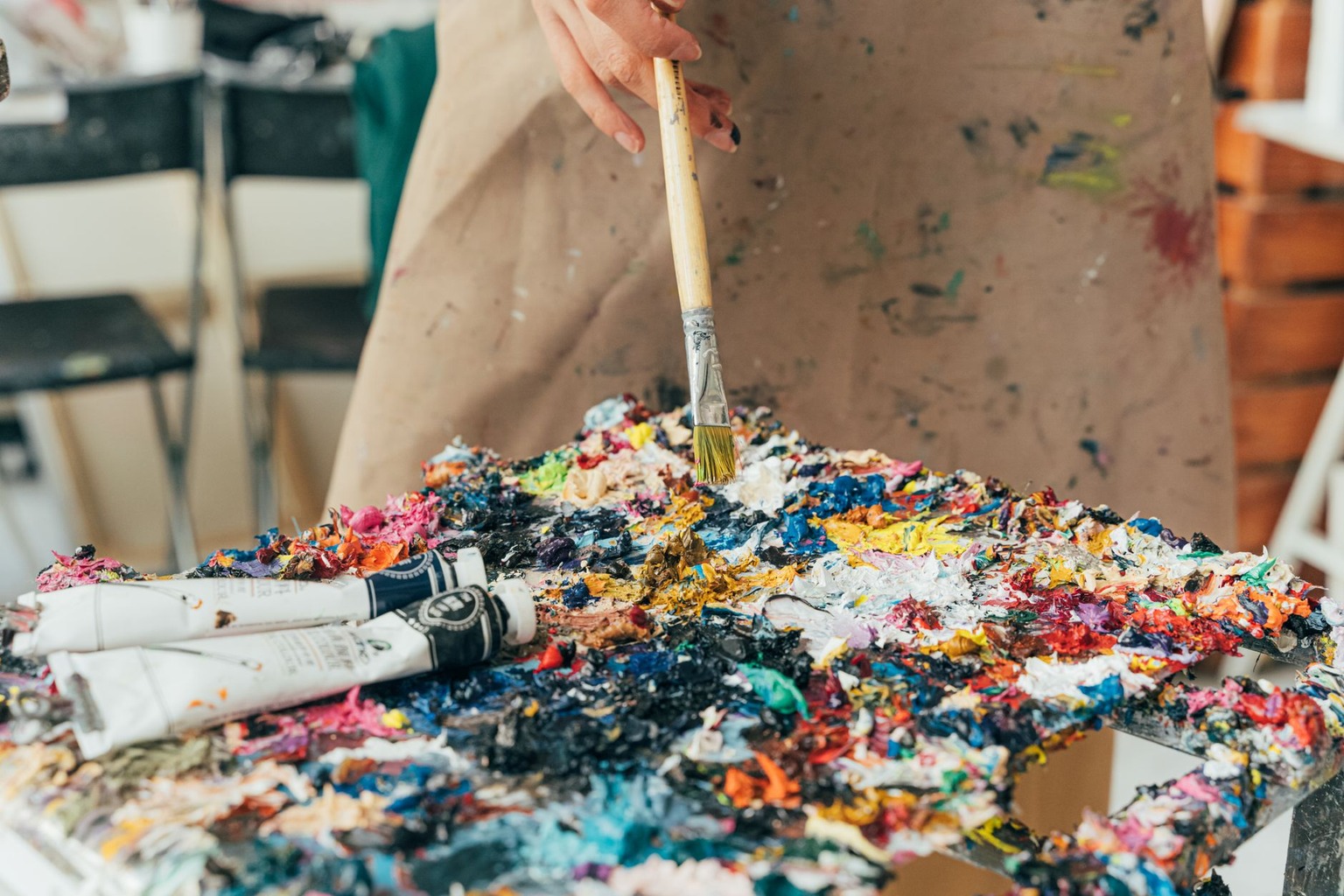
When an artist shares their creative process, they’re entering into an unspoken agreement with their audience: you’re giving me access to your mind, and in return, I’ll give you a reason to trust my work. This dynamic is particularly powerful in the art market, where buyers often seek not just a beautiful object but a connection to the artist’s worldview. For example, a painter who documents their process of layering oil paints over a textured canvas, capturing the visible brushstrokes, the smudges, and the deliberate mistakes, creates a sense of authenticity that a pristine, finished piece alone can’t convey. Studies in art psychology show that audiences respond more strongly to work that feels “alive” with evidence of human hands and imperfections. The key isn’t to overshare; it’s to highlight the intentionality behind the choices. An artist might skip the messy underdrawings but include a close-up of their palette, explaining how they mixed a specific shade of blue to evoke a particular mood. This selective transparency builds credibility without revealing the entire studio process.
The psychological contract extends to collectors who invest in emerging artists. A buyer of a $2,500 painting isn’t just purchasing a piece; they’re betting on the artist’s ability to evolve. When an artist documents their process, even in small ways, like a time-lapse of a single brushstroke, it signals consistency and growth. Galleries and platforms like this one leverage this by featuring “artist’s notes” or “behind-the-scenes” content that turns passive viewers into engaged followers. The process documentation becomes a form of social proof: if an artist can articulate their creative journey, buyers infer that they can deliver on their artistic promises. This is why artists who document their process often see higher engagement rates on their social media and gallery pages, leading to more inquiries and higher average sale prices.
How medium-specific constraints shape documentation
The way an artist documents their process is heavily influenced by the physical properties of their medium. A watercolor painter’s process, for instance, is fundamentally different from that of an oil painter, and both require distinct documentation strategies. Watercolor’s translucency and the inevitability of fluid errors mean that documentation often focuses on the absence of control, capturing the way water bleeds, how colors shift unpredictably, or how the artist responds to these accidents. An artist might share a series of photographs showing the paper before painting, mid-process with visible water stains, and the final piece with the stains now integrated into the composition. This highlights the medium’s limitations as strengths. In contrast, oil painters, who have more control over layering and texture, might document their process by showing the buildup of glazes, the deliberate smudging of dry brush, or the way they scrape off paint to create depth. The documentation here emphasizes technique and craftsmanship, reinforcing the artist’s skill rather than their adaptability to the medium’s quirks.
Digital artists, while often lumped together with traditional media, face entirely different documentation challenges. Their process is invisible unless captured in real time, no visible brushstrokes, no smudges, just a final image. This is why many digital artists rely on time-lapses or step-by-step breakdowns to show their process. For example, an artist creating a hyper-realistic portrait might document their workflow by showing the initial sketch in a digital brush, the layering of shading, and the final touch-ups. This transparency isn’t just about showing skill; it’s about making the intangible tangible. Buyers of digital art often seek to understand the “magic” behind the image, and documentation bridges that gap. Even traditional artists are adopting digital documentation tools, like Procreate’s recording features or Photoshop’s timeline, to create more dynamic, engaging content that appeals to a younger, tech-savvy audience.
The role of failure in process documentation
Most artists avoid discussing their failures, yet failure is the most compelling part of any creative process. The paintings that sell for the highest prices aren’t always the ones that look flawless; they’re the ones where the artist has visibly wrestled with a problem and found a solution. For instance, a painter might document a series of abandoned canvases, works they scrapped because the composition didn’t work, only to later reveal how those failures led to a breakthrough in their next piece. This kind of documentation turns rejection into a narrative of resilience, which collectors find deeply appealing. Studies in art marketing show that buyers of expensive artwork often seek stories of struggle and triumph, as it aligns with their own aspirations for creativity and perseverance. The key is to frame failures as part of the journey, not as mistakes. An artist might caption a photo of a discarded painting with a note like, “This one didn’t work, but it taught me how to avoid flat lighting in future pieces.”
On James Taylor’s channel, they cover the creative process — you can watch it right here.
The challenge is balancing honesty with marketability. An artist can’t afford to document every failure, doing so might undermine their brand. Instead, they should highlight failures that lead to meaningful breakthroughs. For example, a painter who experimented with abstract shapes before returning to figurative work might share a series of abstract sketches with a note explaining how they simplified their palette as a result. This approach shows growth without oversharing. The best process documentation makes failures feel like stepping stones, not setbacks. It’s about presenting the creative process as a series of informed decisions, where every “wrong turn” was a lesson. This mindset not only improves the artist’s work but also makes their documentation more compelling to buyers who value authenticity over perfection.
When documentation becomes a marketing tool
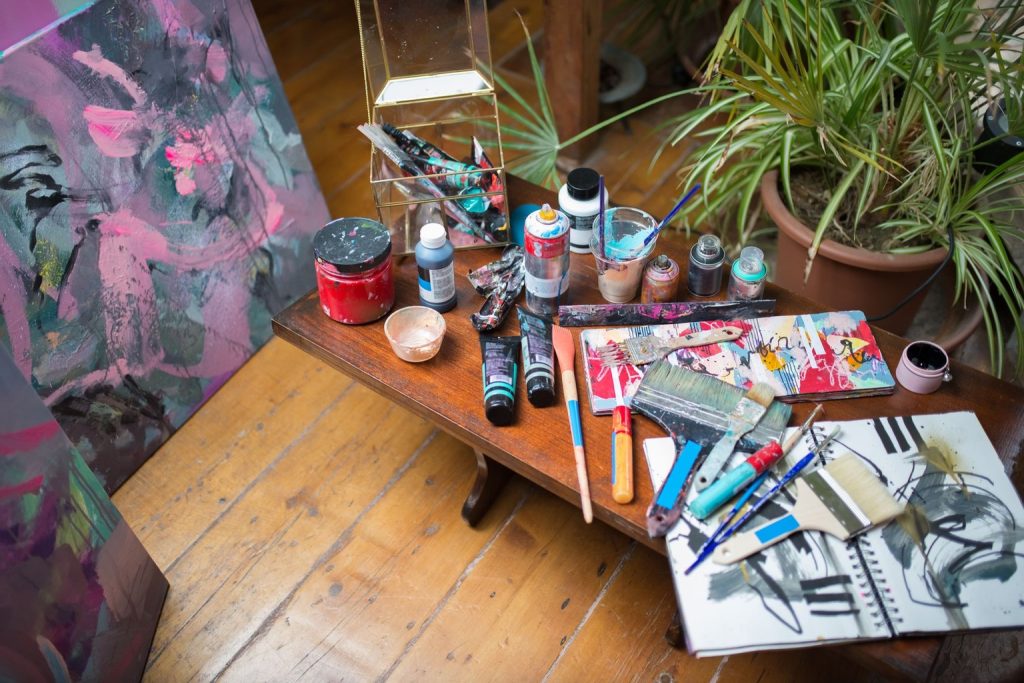
Not all process documentation is created equal. Some artists use it purely for self-reflection, while others treat it as a calculated marketing strategy. The difference lies in intent: self-reflection aims to deepen the artist’s understanding of their work, whereas marketing documentation aims to influence perception. For artists in the online gallery space, the latter is often more critical. Consider an artist who documents their process by staging their studio in a way that aligns with their brand. If their work is known for bold colors, they might share photos of their vibrant palette setup, while an artist focused on minimalism might document their meticulous brushwork in soft lighting. The goal isn’t to mislead but to guide the viewer’s interpretation. This is why many successful artists use a mix of raw, unfiltered documentation (like a time-lapse of a messy session) alongside polished, curated content (like a final piece with a dramatic lighting setup). The contrast creates a narrative that feels both real and aspirational.
The most effective marketing-driven documentation integrates storytelling with technical details. For example, an artist might document their process of creating a landscape by showing the initial sketch, the reference photos they used, and the final piece, while also sharing a personal anecdote about why this particular scene resonated with them. This blend of technical transparency and emotional connection makes the documentation more engaging. Galleries and platforms often amplify this effect by featuring artists who can articulate their process in a way that feels both educational and inspiring. The result is a kind of “art as a service”, buyers aren’t just getting a painting; they’re getting a story, a technique, and a piece of the artist’s world. This is particularly powerful in the online space, where visual artists compete for attention in a sea of content. Documentation that feels like an invitation into the artist’s creative life rather than a sales pitch performs best.
The hidden economics of process documentation
The way an artist documents their process can subtly influence pricing and perceived value. A painting that comes with a detailed process documentation, even just a few notes or a short video, often commands a higher price than an identical piece without it. This isn’t about the documentation itself adding value; it’s about the psychological effect it has on buyers. Research in art economics shows that collectors are willing to pay more for work that feels “complete” in their minds, as if they’ve experienced the artist’s thought process alongside the final piece. For instance, a $5,000 painting might sell for $7,000 if the artist includes a 30-second time-lapse of its creation, simply because the buyer feels they’ve had a more intimate experience with the work. This effect is amplified in the online space, where documentation can be easily shared and discussed, turning a single piece into a conversation starter.
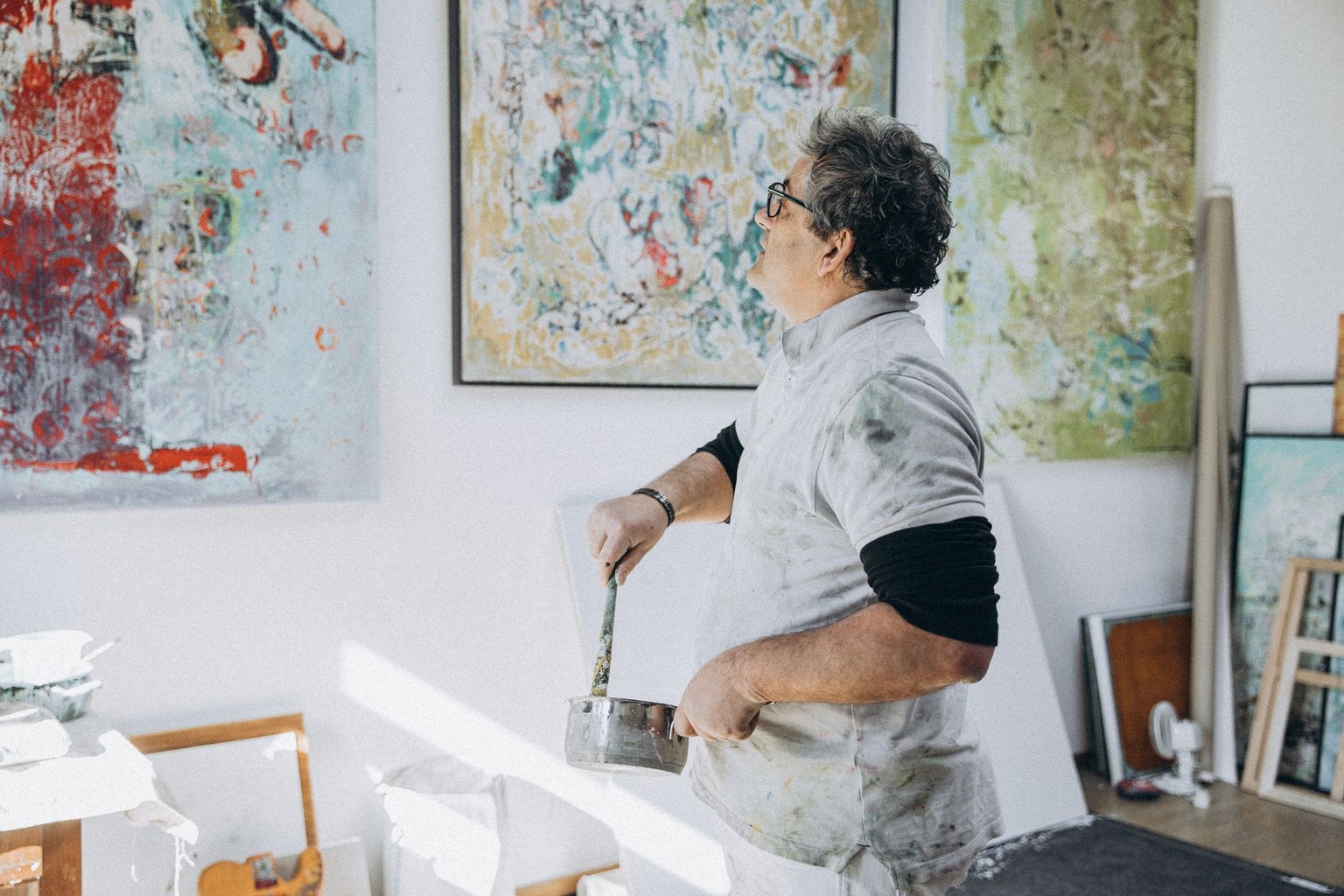
Documentation also plays a role in the secondary market. Collectors who buy artwork with strong process documentation are more likely to appreciate its evolution over time. If an artist continues to document their work, buyers see the potential for future pieces to increase in value. This is why galleries often encourage artists to maintain a consistent documentation style, it creates a body of work that feels cohesive and investable. The economics extend to licensing and reproductions as well. An artist who documents their process is more likely to have their work featured in books, magazines, or online platforms, which can lead to additional revenue streams. Even small details, like a single photo of an artist’s sketchbook, can make a piece more desirable to curators and collectors who seek to build a narrative around their collections. In short, process documentation isn’t just about the present; it’s about shaping the future value of the work.
Documentation as a form of artistic legacy
The most enduring artists aren’t just those who create beautiful work; they’re those who create a body of work that feels like a living entity, evolving over time. Documentation is how artists build that legacy. For example, an artist who consistently documents their process over decades, whether through sketchbooks, time-lapses, or studio photos, creates a visual diary that future generations can study. This kind of documentation turns individual pieces into part of a larger narrative, making the artist’s work feel timeless rather than fleeting. Galleries and collectors increasingly value artists who can articulate their creative journey, as it suggests a depth of practice that transcends trends. A painter who documents their process might later find that their early sketches influence a new generation of artists, or that their notes provide insight into their later works. This legacy effect is particularly powerful in the digital age, where documentation can be easily shared and archived.
Documentation also serves as a form of artistic insurance. If an artist’s work is lost or damaged, their documented process can sometimes be used to recreate or reinterpret it. More importantly, it ensures that the artist’s intent isn’t lost to time. For instance, an artist who documents their process of creating a symbolic piece might later explain how certain colors or shapes were meant to evoke specific emotions. Without this documentation, future viewers might misinterpret the work. In the online gallery space, where pieces are often sold sight unseen, documentation becomes even more critical. It ensures that buyers understand the full context of the work, reducing the risk of dissatisfaction. Ultimately, documentation isn’t just about the present; it’s about ensuring that an artist’s legacy endures beyond their lifetime, in the minds of collectors, curators, and future artists.

I have spent years transforming my home into a personal gallery, constantly hunting for unique pieces that bring walls to life. There is nothing quite like the thrill of discovering an emerging artist online and finding the perfect artwork to complement a room. I am passionate about helping others navigate the world of digital art markets to find authentic pieces that truly resonate with their style.