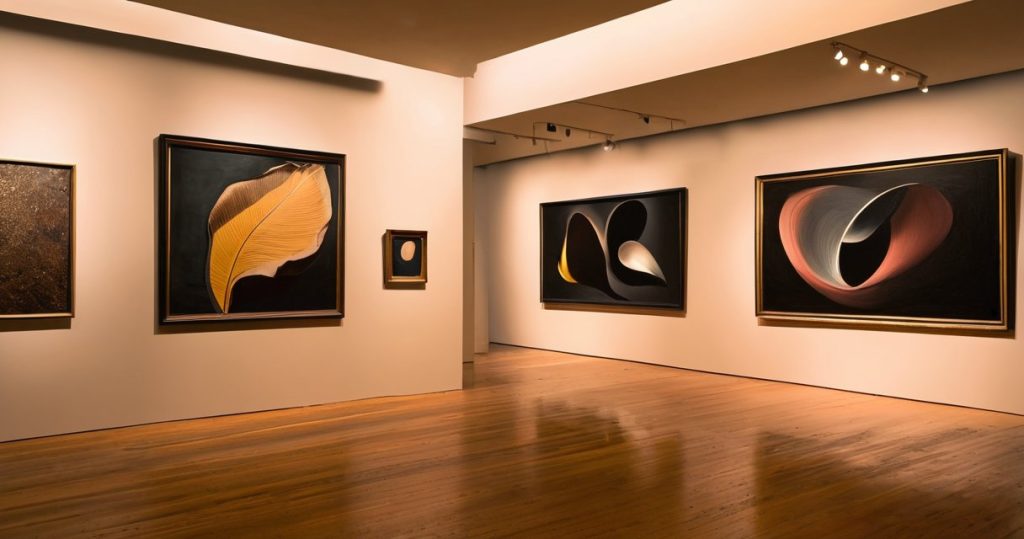
Online art exhibitions have emerged as a transformative platform for artists, collectors, and art enthusiasts alike. These digital showcases allow for a broadening of accessibility and engagement that traditional galleries often cannot match. As technology continues to evolve, online art exhibitions are not just a temporary substitute for physical galleries; they represent a significant shift in how art is experienced, shared, and bought. This article will explore the various facets of online art exhibitions, including their advantages, the technology that powers them, and how they are shaping the future of the art market.
The Rise of Online Art Exhibitions
The shift towards online art exhibitions can be traced back to various factors, including the global pandemic that forced many physical galleries to close. Artists and galleries quickly adapted by transitioning to virtual formats, which allowed them to reach a wider audience. According to a report by Hiscox, the online art market grew by 4% in 2020, reaching an estimated $12.4 billion. This growth highlights a significant shift in consumer behavior, as more people became comfortable purchasing art online. The rise of social media platforms has also played a crucial role in this transition, enabling artists to showcase their work and connect with potential buyers directly.
Furthermore, online exhibitions eliminate geographical barriers, allowing art lovers from anywhere in the world to experience exhibitions that may have otherwise been inaccessible. This democratization of art not only broadens the audience but also diversifies the types of art that can be showcased. Emerging artists, who may not have had the opportunity to display their work in traditional venues, can now reach global audiences through online platforms.
Technology Behind Online Art Exhibitions
The technology that enables online art exhibitions is continually evolving, offering immersive experiences that can rival physical galleries. Virtual Reality (VR) and Augmented Reality (AR) are at the forefront of this technological revolution. VR allows viewers to step into a virtual gallery and explore artworks in a three-dimensional space, providing a sense of presence that traditional images cannot offer. For instance, platforms like Artland and Kunstmatrix utilize VR technology to create realistic gallery experiences, allowing users to navigate through virtual spaces as if they were physically present.
AR, on the other hand, enhances the viewing experience by overlaying digital information onto the physical world. This technology can be particularly useful for collectors who want to visualize how a piece of art would look in their own space before making a purchase. Applications like Artivive allow users to interact with artworks, bringing static images to life and enriching the narrative behind each piece. This level of interactivity not only captivates audiences but also encourages deeper engagement with the artwork.
Benefits of Online Art Exhibitions
One of the most significant benefits of online art exhibitions is the increased accessibility they offer to both artists and audiences. For artists, the online platform eliminates the high costs associated with physical exhibitions, such as venue rental and transportation of artworks. This financial relief allows artists to focus more on their craft and reach audiences without the constraints of traditional gallery structures. Additionally, online exhibitions can run indefinitely, allowing artworks to be showcased for longer periods compared to temporary physical exhibitions.
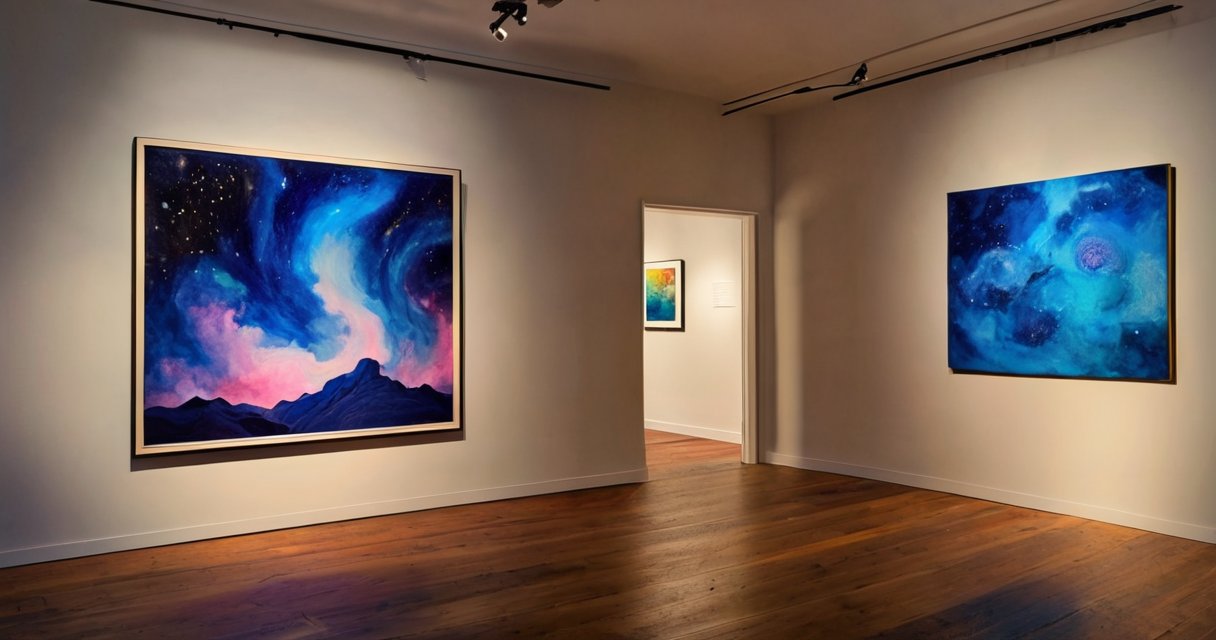
For art lovers, a custom painting can be an ideal purchase when exploring online exhibitions from home. This ease of access is particularly appealing to younger generations who are accustomed to digital experiences. Moreover, many online exhibitions offer features like live streaming events, artist talks, and interactive Q&A sessions, enhancing the overall experience and fostering a sense of community among viewers. The ability to connect with artists directly through online platforms also adds a personal touch that is often missing in traditional galleries.
Challenges Facing Online Art Exhibitions
Despite the many advantages, online art exhibitions are not without their challenges. A key limitation of digital platforms is the inability to fully experience the physical presence of original art firsthand. The challenges of displaying mixed media art digitally include conveying texture, scale, and color nuances through screens. While technologies like VR and AR aim to bridge this gap, they still cannot fully replicate the experience of standing in front of a physical artwork.
Additionally, the online art market is becoming increasingly saturated. With countless exhibitions available at a click, artists and galleries must find innovative ways to stand out. This often involves significant investment in marketing and social media strategies, which can be a daunting task for emerging artists with limited resources. Furthermore, the risk of art fraud is heightened in the online space, necessitating robust verification processes to ensure authenticity and build trust with potential buyers.
Marketing Strategies for Online Art Exhibitions
Effective marketing is crucial for the success of online art exhibitions. Artists and galleries must leverage social media platforms to engage with their audience and create buzz around their exhibitions. Platforms like Instagram and Facebook are particularly effective for visual storytelling, allowing artists to showcase their work and share behind-the-scenes content. Regular updates, engaging posts, and interactive stories can help maintain audience interest and drive traffic to online exhibitions.

Understanding key art movements is essential for email marketing campaigns targeting dedicated art collectors and enthusiasts. Building a mailing list enables artists to send personalized invitations to exhibitions, share updates about new works, and offer exclusive promotions. Collaborating with influencers or art bloggers can also amplify reach and credibility, attracting new audiences to online exhibitions. Ultimately, a well-rounded marketing strategy that combines social media, email outreach, and partnerships can significantly enhance the visibility and success of online art exhibitions.
The Future of Online Art Exhibitions
The future of online art exhibitions will likely highlight emerging contemporary painting trends as technology advances. We can expect to see more innovative uses of AI and machine learning to personalize the viewing experience. For instance, algorithms could recommend artworks to viewers based on their preferences, making the art discovery process more engaging and tailored. Additionally, as 5G technology becomes more widespread, the quality of streaming and virtual experiences will improve, making online exhibitions even more immersive.
Moreover, hybrid models that combine online and physical exhibitions are likely to gain traction. This approach allows galleries to maintain a physical presence while reaching a broader audience through online platforms. Artists can benefit from the best of both worlds, showcasing their work in physical spaces while also tapping into the global online market. As the art world adapts to these changes, online exhibitions will undoubtedly continue to play a significant role in shaping how art is experienced, appreciated, and sold.

I have spent years transforming my home into a personal gallery, constantly hunting for unique pieces that bring walls to life. There is nothing quite like the thrill of discovering an emerging artist online and finding the perfect artwork to complement a room. I am passionate about helping others navigate the world of digital art markets to find authentic pieces that truly resonate with their style.