The world of original art is a vibrant tapestry woven from creativity, culture, and individual expression. Understanding where original art comes from not only enriches our appreciation but also connects us to the artists and movements that shape our visual landscape. This exploration is particularly relevant for online art galleries such as OAC Gallery, which strives to showcase authentic artistic voices. From the studio practices of artists to the cultural and historical contexts that influence their work, each piece of original art carries a story that transcends its visual form.
The Artist’s Studio: A Creative Sanctuary
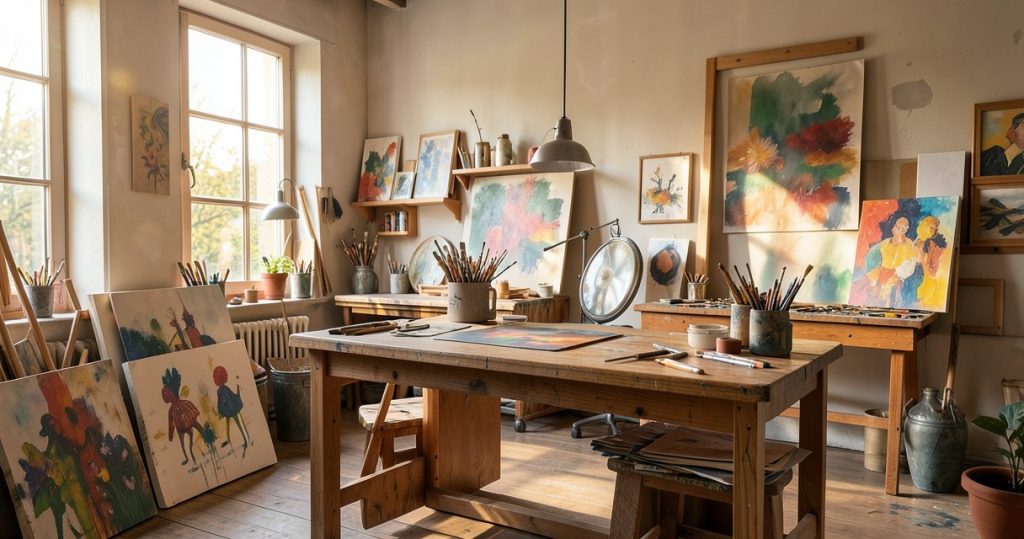
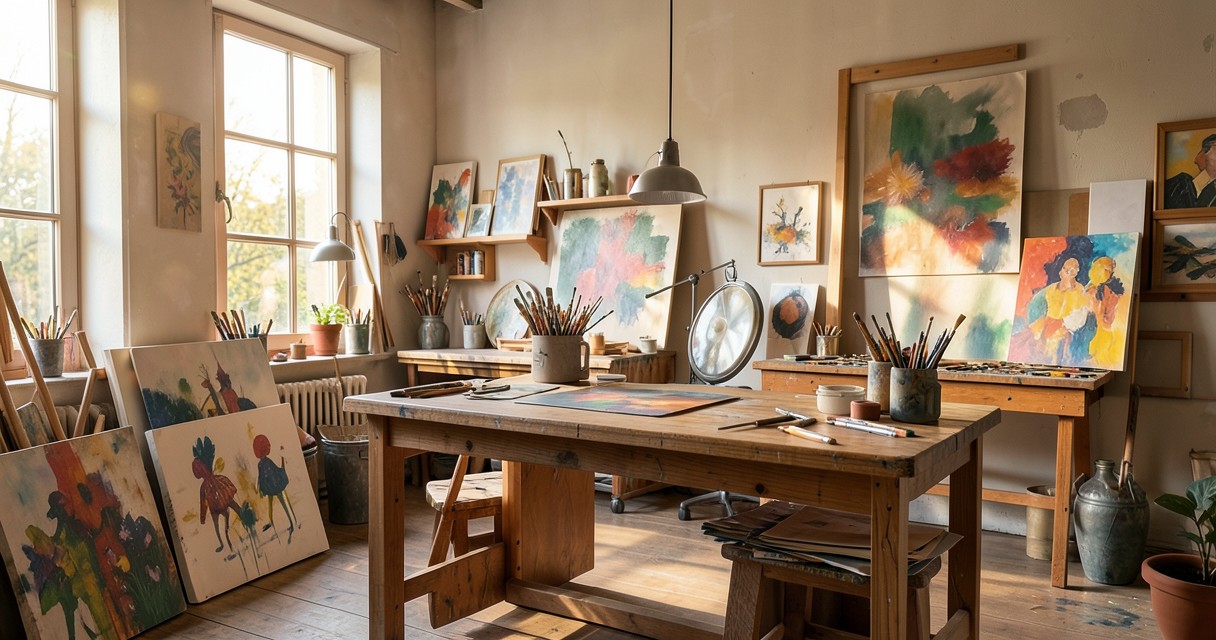
At the heart of original art creation lies the artist’s studio, a space where imagination and skill converge. This environment is often a personal sanctuary filled with tools, materials, and inspiration. Artists may choose to work with a variety of mediums, oil paints, watercolors, acrylics, or mixed media, each requiring specific techniques and approaches. The studio is not merely a physical space; it embodies the artist’s creative process, where sketches evolve into full-fledged works. The atmosphere, lighting, and even the clutter of supplies can significantly influence the final piece, making each studio unique.
Many artists develop a routine that fosters creativity. This could involve setting specific hours for painting, experimenting with new techniques, or engaging in artistic dialogues with peers. The act of creating original art often involves trial and error, where mistakes can lead to unexpected breakthroughs. For collectors and art enthusiasts, visiting an artist’s studio can provide invaluable insight into their creative journey, revealing the intricate layers that contribute to the artwork’s final form.
Art Movements and Historical Influences
Original art does not exist in a vacuum; it is deeply rooted in the cultural and historical contexts of its time. Various art movements, from Impressionism to Abstract Expressionism, have shaped the way artists perceive and interpret the world around them. Understanding these movements allows us to appreciate how original art reflects societal changes, technological advancements, and philosophical shifts. For instance, the rise of modernism in the early 20th century challenged traditional artistic conventions, encouraging artists to explore new forms and ideas.
Moreover, the influence of historical events often permeates the work of artists. The impact of war, social justice movements, and technological innovations can serve as powerful backdrops for artistic expression. Today, contemporary artists may draw inspiration from past movements while incorporating modern themes such as digital technology and environmental concerns. This blending of influences creates a dynamic dialogue within the art world, making original art a living reflection of our collective experiences.
Art Fairs: Showcasing Original Work
Art fairs play a pivotal role in the dissemination of original art, providing platforms for artists to showcase their work to a broader audience. Events such as Art Basel and Frieze Art Fair attract collectors, curators, and art lovers from around the globe, creating a vibrant marketplace for original pieces. These fairs not only highlight emerging talent but also celebrate established artists, facilitating connections that can lead to future collaborations or exhibitions.
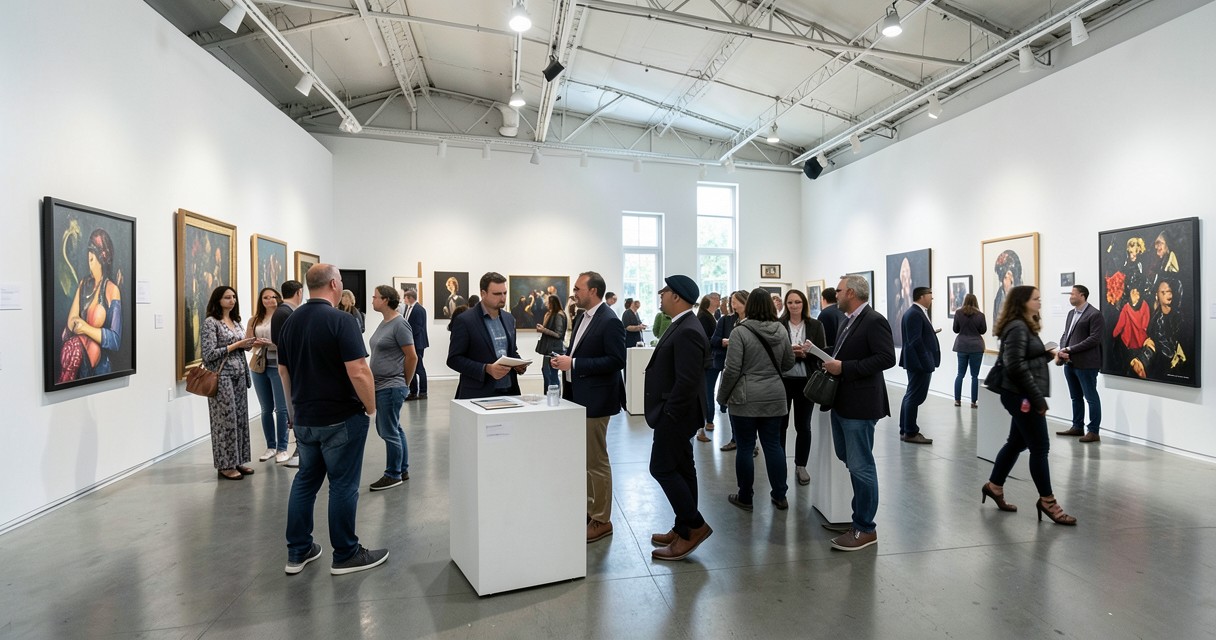
Participating in an art fair allows artists to engage directly with their audience, offering insights into their creative process and the stories behind their works. This interaction can foster a deeper appreciation for original art, as collectors gain a personal connection to the artist. For online galleries like OAC Gallery, promoting artists who have participated in these fairs can enhance their visibility and credibility, attracting more visitors to their platforms.
The Role of Online Art Galleries
With the rise of the internet, online art galleries have transformed the way we access and purchase original art. Platforms such as OAC Gallery provide artists with a digital space to showcase their work, reaching potential buyers worldwide. This shift democratizes the art market, allowing diverse voices to emerge and compete alongside established names. Artists can now present their portfolios, share their stories, and connect with collectors without the constraints of traditional gallery spaces.
Online galleries also offer various features that enhance the buying experience. High-quality images, detailed descriptions, and artist biographies help potential buyers make informed decisions. Some platforms even provide virtual tours of exhibitions, allowing art enthusiasts to explore original artworks from the comfort of their homes. This accessibility not only broadens the audience for original art but also encourages a new generation of collectors who may not have previously engaged with the art world.
Art Collecting: Building a Personal Collection
Collecting original art is a deeply personal endeavor that reflects individual taste, values, and experiences. Many collectors start their journey by exploring different styles and mediums, discovering what resonates with them. As they become more familiar with the art world, collectors often seek to understand the significance of the pieces they acquire, including the artist’s background and the cultural context of the work.
Building a collection can also be an investment opportunity, as original artworks can appreciate over time. However, the intrinsic value of art often goes beyond monetary considerations. Many collectors find joy in supporting artists and contributing to the cultural landscape. Engaging with artists directly, attending openings, and participating in art events can enrich the collecting experience, fostering a sense of community among art lovers.
Challenges in the Art Market
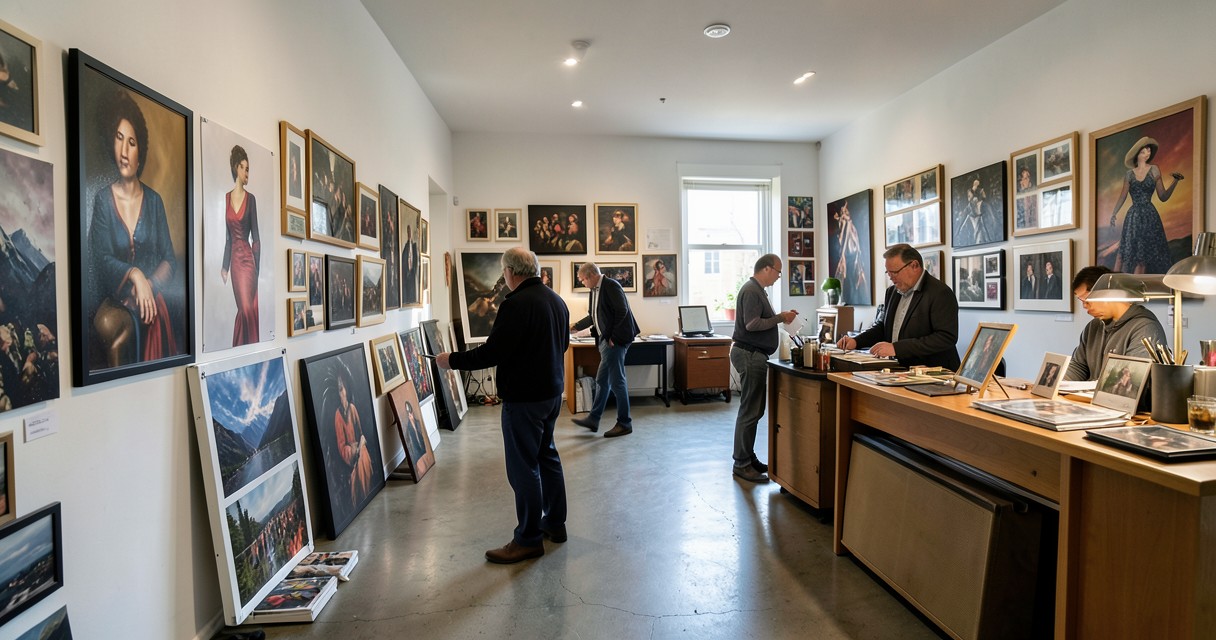
The art market is not without its challenges. Issues such as authenticity, provenance, and market saturation can complicate the buying and selling of original art. As the demand for unique pieces grows, so does the prevalence of counterfeit artworks. This makes it essential for collectors to conduct thorough research and seek reputable galleries or auction houses that provide guarantees of authenticity.
Additionally, the rise of digital art and NFTs has sparked debates about the nature of ownership and value in the art world. While these innovations offer exciting possibilities, they also present challenges for traditional artists and collectors who may struggle to navigate this evolving landscape. For online galleries, staying informed about these trends and adapting to market changes is crucial in maintaining relevance and trust with their audience.
Supporting Emerging Artists
Emerging artists are often the lifeblood of the contemporary art scene, bringing fresh perspectives and innovative ideas. Supporting these artists is essential for fostering a diverse and vibrant art community. Online galleries like OAC Gallery play a significant role in providing platforms for emerging talent, giving them visibility and the opportunity to connect with collectors. This support can take many forms, from featuring their work on gallery websites to organizing exhibitions that highlight their contributions to the art world.
Additionally, art education programs and workshops can help nurture the skills of aspiring artists, providing them with the tools they need to succeed. By investing in the next generation of artists, we not only enrich our cultural landscape but also ensure that original art continues to thrive in the future. Engaging with emerging artists can lead to exciting discoveries and unique pieces that resonate on both personal and cultural levels.
I have spent years transforming my home into a personal gallery, constantly hunting for unique pieces that bring walls to life. There is nothing quite like the thrill of discovering an emerging artist online and finding the perfect artwork to complement a room. I am passionate about helping others navigate the world of digital art markets to find authentic pieces that truly resonate with their style.