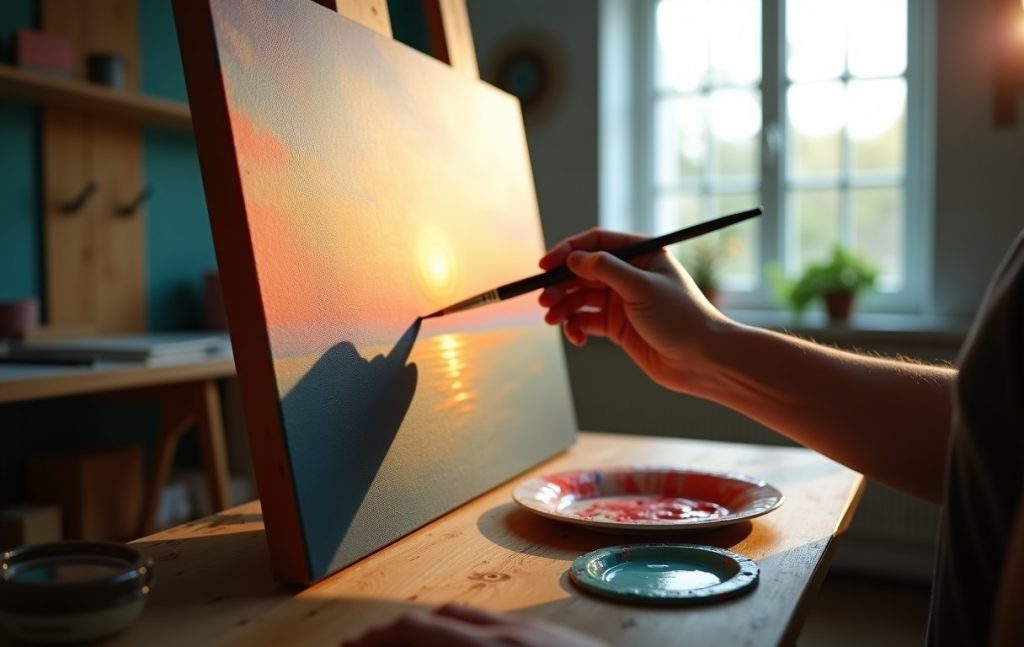
Video has become a primary way for painters to reach collectors, especially when the artwork is sold through an online gallery such as oacgallery.com. A short clip that shows a canvas coming to life can convey texture, brushwork and the artist’s personality far more effectively than a static image alone. When emerging artists learn to produce clear, well‑lit videos they gain a tool that not only drives traffic but also builds trust with buyers who cannot see the piece in person. The following tips focus on practical steps that fit a modest budget and align with the expectations of art shoppers looking for authentic, high‑quality content.
Understanding the Role of Video in an Art Marketplace
Potential buyers spend an average of 2.5 minutes on a product page before deciding whether to explore further, and a compelling video can increase that dwell time by up to 40 percent. By placing a short process video at the top of a painting’s listing, the artist gives visitors a reason to stay, which improves search rankings on both the gallery site and external platforms like Google. Video also provides a narrative hook; viewers learn how the colour palette was chosen, why certain brushstrokes were emphasized, and what emotions the work is meant to evoke. This storytelling element turns a simple purchase decision into a shared experience, which is especially valuable for emerging artists without an established reputation.
Analytics tools embedded in oacgallery.com can track how many visitors click the video, how long they watch, and whether they proceed to add the piece to their cart. These metrics mirror the audience‑engagement data collected by major platforms, allowing the artist to refine future content based on real performance numbers. For example, if a video’s average watch time falls below 30 seconds, the creator might experiment with a tighter edit or a more striking opening frame. Understanding these numbers helps the artist allocate time and resources to the formats that actually convert browsers into buyers.
Crafting a Clear Visual Narrative for Paintings
A successful art video begins with a storyboard that outlines each key moment, from setting up the easel to the final reveal of the finished canvas. Even a simple three‑scene plan, preparation, creation, and showcase, provides structure and keeps the shoot focused on the most engaging parts of the process. Artists should decide whether they want to emphasize technique, such as palette knife work, or the story behind the subject, like a personal memory that inspired the composition. By defining this focus early, the video can maintain a consistent tone that resonates with viewers seeking either educational insight or emotional connection.
When filming the creation phase, it helps to use a tripod and a fixed camera angle that captures the entire surface of the canvas. A 60‑second time‑lapse of the painting’s development can illustrate the evolution of form without overwhelming the audience with too much detail. For pieces with subtle texture, a close‑up shot taken at the end of the process highlights the tactile quality that static photos often miss. Combining these perspectives in a single video gives shoppers a comprehensive view of the artwork’s depth and craftsmanship.
Choosing the Right Gear on a Limited Budget
High‑end cinema cameras are unnecessary for a painter who mostly needs to showcase colour accuracy and fine detail. A modern smartphone that records in 4K resolution, paired with a small external microphone, can produce results that meet the quality standards of most online galleries. Investing in a budget‑friendly lighting kit, such as two LED panels with adjustable brightness, costs less than $150 and dramatically improves colour fidelity compared with ambient room light. Artists should also consider a simple ring light for close‑up shots, as it reduces shadows and highlights the texture of thick paint layers.
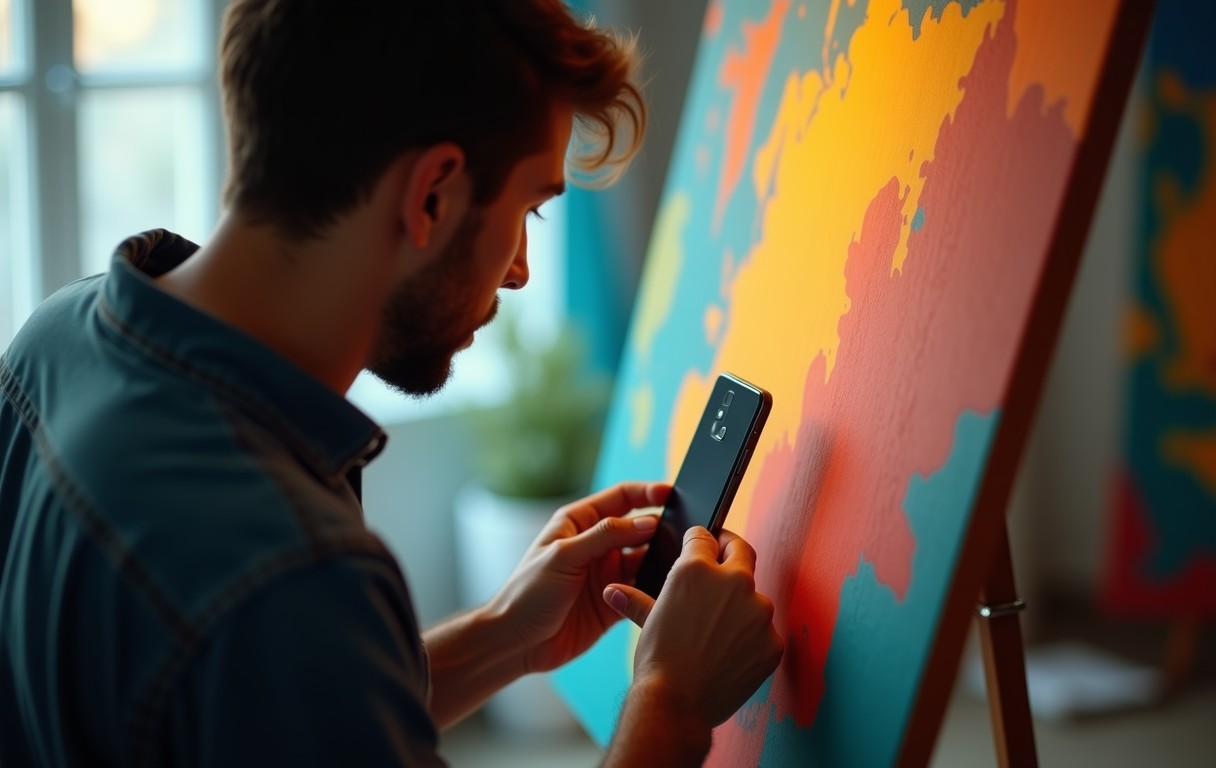
Audio quality matters even when the video is primarily visual. Viewers often listen to background music or narration, and a clear voice track can enhance the perceived professionalism of the piece. A lapel microphone that plugs directly into the phone’s audio jack provides consistent sound without the need for a separate recorder. By allocating funds strategically, spending more on lighting than on a high‑resolution sensor, emerging artists can achieve a polished look that matches the standards of oacgallery.com’s curated listings.
Lighting Techniques that Reveal Colour and Texture
Natural daylight is the most reliable source for accurate colour rendition, but it can be unpredictable. Positioning the artwork near a north‑facing window provides soft, diffused light that minimizes harsh shadows while preserving the true hue of pigments. If daylight is unavailable, two LED panels placed at 45‑degree angles on either side of the canvas create a balanced illumination that emphasizes brushstroke depth. Adjusting the panels to a colour temperature of around 5600 kelvin mimics daylight and prevents warm or cool colour casts that could mislead potential buyers.
For paintings with heavy impasto, a small side light positioned close to the surface can accentuate the three‑dimensional quality of the paint. A subtle catchlight on the canvas highlights the peaks of the texture without creating glare. Artists should avoid direct overhead lighting, which can flatten the surface and hide the subtle variations that make a work unique. By experimenting with the direction and intensity of light, painters can produce video frames that showcase the tactile richness of their medium, encouraging viewers to imagine the physical presence of the piece in their own space.
Editing Strategies that Keep Viewers Engaged
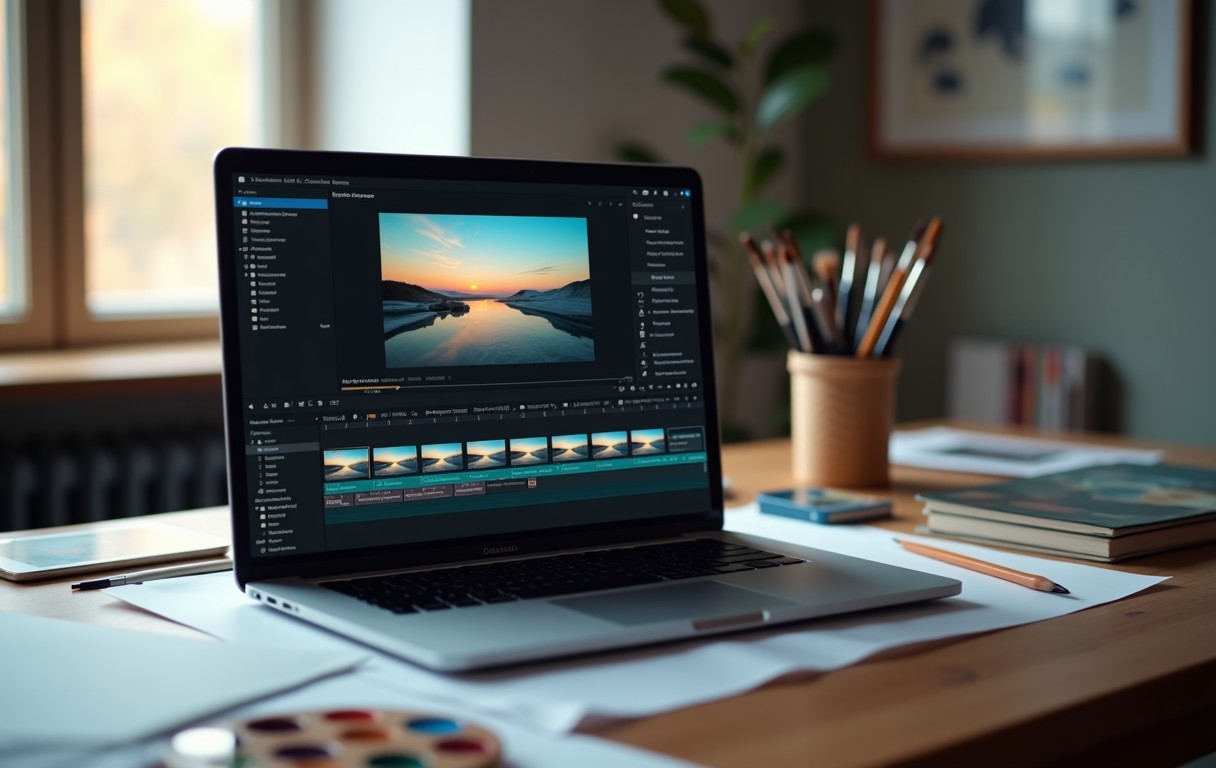
After capturing the footage, the editing phase should focus on pacing and clarity. A common approach is to trim the raw time‑lapse to a 60‑second segment, then insert short, 5‑second clips of close‑ups that illustrate critical moments such as the first brushstroke or the final glaze. Adding a brief voice‑over that explains the inspiration behind the composition provides context without overwhelming the visual flow. Simple graphics, like a lower‑third title that displays the painting’s name and dimensions, reinforce key information for shoppers who may be watching without sound.
Background music should be low‑key and complementary to the visual tone; a soft piano track at a volume that does not compete with narration works well for most art videos. Exporting the final file in H.264 format with a bitrate of 10 megabits per second preserves detail while keeping file size manageable for quick loading on the gallery site. Consistent use of the same editing style across multiple videos creates a recognizable brand identity, which helps emerging artists build a cohesive portfolio that shoppers can easily associate with the artist’s name.
Optimizing Video for Search and Social Platforms
Search engines treat video content as a valuable signal, especially when the file is accompanied by descriptive metadata. When describing a piece, artists should highlight oil on canvas techniques, including the medium, dimensions, and the inspiration behind the artwork. Using fine art terminology for discoverability, such as gallery names and artistic styles, boosts visibility on social media platforms. Including a link back to the specific product page on oacgallery.com in the video description drives direct traffic and can boost conversion rates.
Social platforms favour vertical or square video formats for mobile viewers, so creating a cropped version of the main video for Instagram Stories or TikTok can expand reach without sacrificing quality. Embedding the same video on the artist’s own website, on the gallery page, and in email newsletters ensures consistent exposure across multiple touchpoints. By aligning the video’s technical specifications with the expectations of each platform, emerging artists maximize the chances that their work will be seen, shared, and ultimately purchased.
Measuring Performance and Adapting Future Content
After publishing a video, the artist should monitor key performance indicators such as click‑through rate, average watch time, and conversion rate from video viewers to buyers. Tools provided by oacgallery.com can show how many visitors watched the video, how long they stayed on the page, and whether they added the painting to their cart. If a particular video consistently generates higher sales, the artist can analyze its structure, perhaps it featured a more vivid colour palette or a stronger narrative hook, and replicate those elements in subsequent productions.
Regularly reviewing audience feedback, whether through comments on social media or direct messages, offers qualitative insight that numbers alone cannot provide. Viewers may request close‑up shots of specific details or ask about the artist’s technique, indicating areas where future videos could add value. By treating each video as an experiment and applying data‑driven adjustments, emerging painters can continuously improve their visual storytelling, increasing both engagement and the likelihood of turning casual browsers into dedicated collectors.

I have spent years transforming my home into a personal gallery, constantly hunting for unique pieces that bring walls to life. There is nothing quite like the thrill of discovering an emerging artist online and finding the perfect artwork to complement a room. I am passionate about helping others navigate the world of digital art markets to find authentic pieces that truly resonate with their style.