Selling paintings online is no longer a side channel for artists, it is the primary storefront for thousands of creators who want to reach collectors, decorators, and first-time buyers across time zones. The success of online art exhibitions depends on how well an artist presents their work, turning casual browsers into paying customers. The perceived value of a piece in realism in painting is shaped by every detail, from the photograph’s resolution to the tone of the artist’s statement. For an online gallery like OAC, understanding these presentation strategies is essential, because the site must balance the individual voice of each artist with a cohesive, professional experience that keeps visitors browsing and buying.
High-Resolution Photography That Captures Texture and True Color
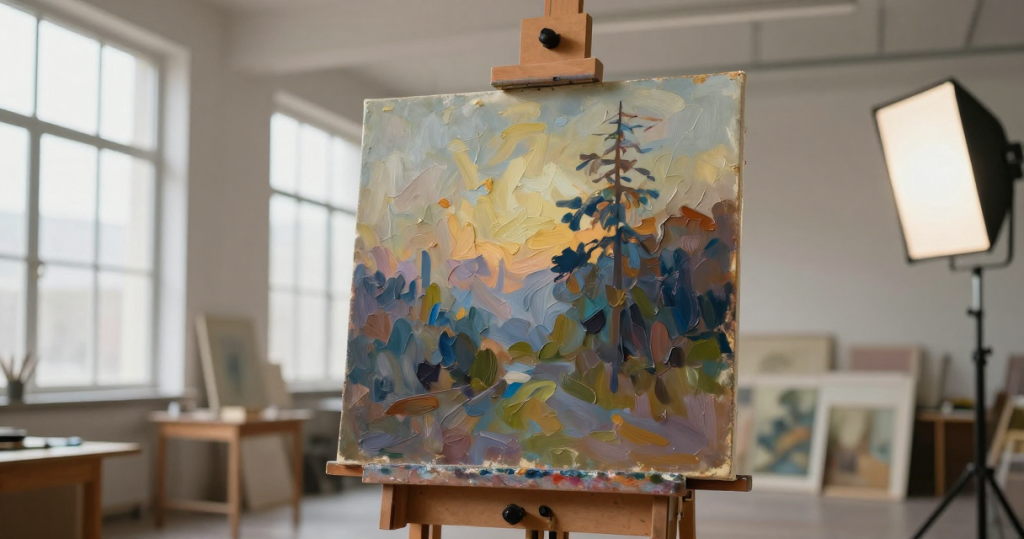
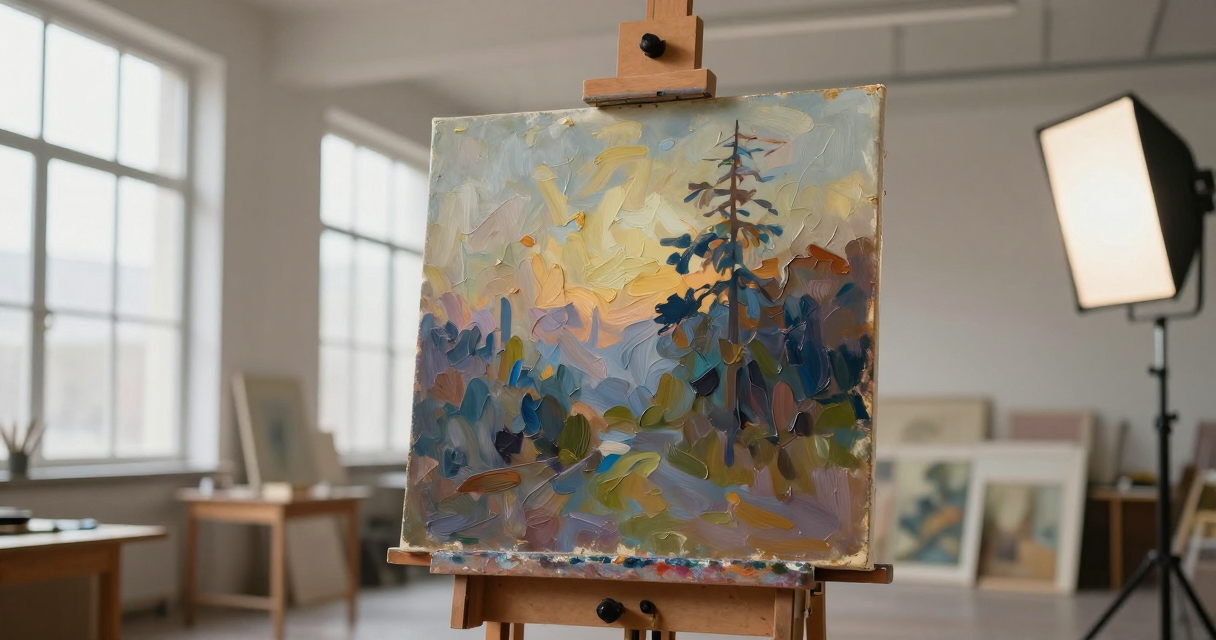
When a painting moves from the studio to the screen, the photograph becomes the only sensory connection the buyer has with the work. A 20-megapixel camera set to RAW mode and paired with a color-calibrated monitor ensures that every brushstroke and layer of impasto is visible. Artists should shoot under diffused natural light or a continuous LED panel that mimics daylight, avoiding the yellow cast of incandescent bulbs. A gray card placed in the frame helps post-processing software correct white balance, so the reds in a portrait or the blues in a landscape appear exactly as they do in person. Many artists skip this step and upload compressed JPEG files that flatten texture and shift hues, which can lead to returns when the buyer receives a piece that looks nothing like the online image.
Tripods and remote shutters eliminate blur, and a polarizing filter reduces glare from varnish. Photographing large format paintings often requires stitching multiple overlapping shots in Photoshop to achieve a seamless, distortion-free result. The final file should be at least 3000 pixels on the longest side and saved as an sRGB JPEG with minimal compression. Some artists also include a 180-degree rotating view or a short video clip that shows the painting under different lighting angles, which helps buyers visualize how the work will look in their own space.
Consistent Branding Across Platforms and the Artist’s Own Website
A painter who sells on OAC, Instagram, Saatchi Art, and their own Squarespace site needs a recognizable visual identity so collectors can spot their work instantly. This starts with a logo or monogram that appears in the corner of every image, along with a consistent color palette for the website and social media headers. The artist statement should be concise, under 150 words, and written in the first person to create a personal connection. Font choices matter too; a serif typeface can suggest tradition and craftsmanship, while a clean sans-serif feels modern and approachable. Even the tone of the captions should match the artist’s voice, whether that is poetic, minimalist, or humorous.
Many artists use a template for their product listings so that the layout, spacing, and typography remain uniform. This consistency extends to the packaging; branded tissue paper, thank-you cards, and even the tape used to seal the box reinforce the professionalism of the transaction. When a buyer receives a painting that looks and feels like it came from the same artist whose website they browsed, they are more likely to leave a positive review and return for future purchases.
Detailed Descriptions That Answer Buyer Questions Before They Ask
A well-written product description does more than list dimensions and medium; it anticipates the questions a buyer might have and answers them in a way that builds confidence. For example, an oil painting on linen should specify whether the canvas is stretched and gallery-wrapped, or if it requires a frame. The description should also mention the type of varnish used, matte, satin, or gloss, and whether it is removable for future conservation. Artists often include a note about the archival quality of the materials, such as “acid-free linen” or “lightfast pigments,” which reassures buyers that the work will not fade or deteriorate over time.
On the Tahlia Stanton channel, they explain how to photograph your artwork for prints, and you can watch it right here.
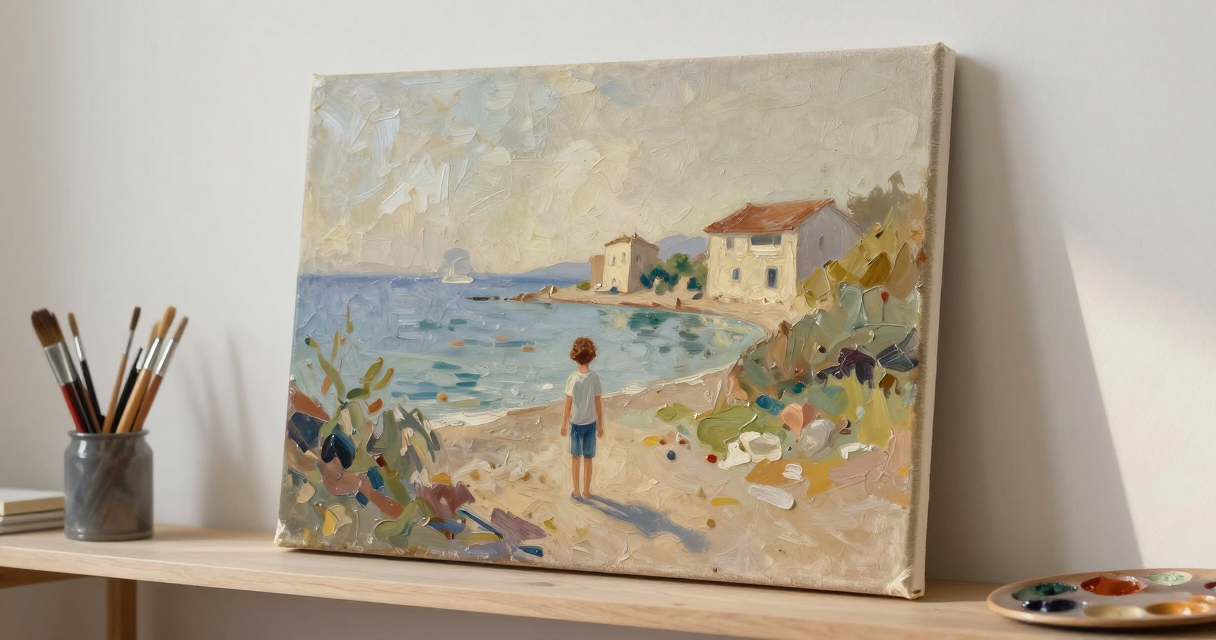
Some artists add a short narrative about the inspiration behind the piece, such as a trip to the Mediterranean or a childhood memory. This storytelling turns a static image into a conversation, making the buyer feel like they are purchasing a piece of the artist’s life. Measurements should be provided in both centimeters and inches, and the weight of the package should be listed so buyers can estimate shipping costs. If the painting is part of a series, a link to the other works in the collection can encourage additional sales.
Strategic Use of Social Media to Drive Traffic to the Online Store
Instagram remains the most effective platform for visual artists, but the way it is used can make the difference between a follower and a customer. Instead of posting only finished works, artists should share process videos, studio shots, and behind-the-scenes content that gives followers a sense of how the painting evolves. Showcasing famous painting techniques, such as a timelapse of a portrait or a clip of texture being built with a palette knife, can boost engagement more than static images. Hashtags like #ContemporaryArt, #OriginalPainting, and #ArtForSale help new audiences discover the work, but artists should also use location-based tags to attract local buyers who might prefer to pick up the piece in person.
Stories and Reels can be used to announce new collections, flash sales, or limited-edition prints. Artists who link their Instagram bio directly to their OAC gallery page see higher conversion rates because the path from discovery to purchase is seamless. Some artists also run targeted ads on Facebook and Instagram, using lookalike audiences based on their existing customer list. These ads should feature high-quality images of the paintings and a clear call-to-action, such as “Shop Now” or “View Collection.”
Pricing Transparency and Flexible Payment Options
Nothing frustrates a potential buyer more than clicking on a painting only to find that the price is hidden behind a “Contact for Price” button. Openly listing the retail price, including framing, shipping, and insurance, can significantly influence how retail price affects art sales on platforms like OAC. If the work is part of a limited edition, the description should state how many pieces are available and whether the edition is signed and numbered. Some artists offer tiered pricing based on size, such as small, medium, and large canvases, which makes it easier for buyers to find something within their budget.
Flexible payment options can also increase sales. Many online galleries now integrate with services like Klarna or Afterpay, which allow buyers to split the cost into four interest-free installments. This is particularly effective for mid-priced works between $500 and $2000, where the buyer might hesitate to pay the full amount upfront. Artists should also consider offering a layaway plan, where the buyer pays a deposit and then makes monthly payments until the balance is cleared. This approach not only makes the purchase more accessible but also builds a long-term relationship with the buyer.
Engaging with Buyers Through Virtual Studio Visits and Live Sales
One of the biggest challenges of selling art online is the lack of physical interaction, but virtual studio visits can bridge that gap. Artists can use Zoom or Instagram Live to give collectors a tour of their workspace, show works in progress, and answer questions in real time. These sessions can be recorded and shared on the artist’s website or YouTube channel, providing evergreen content that continues to attract new followers. Some artists also host live sales events, where they offer a limited-time discount or a free print to the first few buyers. These events create a sense of urgency and excitement, which can lead to impulse purchases.

Another effective strategy is to invite buyers to join a private Facebook group or newsletter where they receive early access to new collections, studio updates, and exclusive offers. This sense of exclusivity makes buyers feel like they are part of a community rather than just customers. Artists who engage with their audience in this way often see higher repeat purchase rates and more referrals, as happy buyers share their experiences with friends and family.
Optimizing for Search Engines and Online Marketplaces
Even the most beautifully presented artwork will go unnoticed if it is not optimized for search engines. Artists should use descriptive file names for their images, such as “abstract-oil-painting-blue-gold-30x40cm.jpg” instead of “IMG_1234.jpg.” The alt text for each image should include keywords like “original abstract painting,” “contemporary art for sale,” and “hand-painted canvas.” The product description should also incorporate these keywords naturally, without overstuffing, to improve the page’s ranking on Google and within the OAC gallery’s internal search.
Many online marketplaces, including OAC, use algorithms to recommend products to buyers based on their browsing history. Artists can increase their visibility by encouraging satisfied customers to leave reviews, as positive feedback boosts the algorithm’s confidence in the work. Some artists also collaborate with art bloggers or influencers who can feature their paintings in roundup posts or gift guides. These backlinks not only drive direct traffic but also improve the artist’s search engine authority, making it easier for new buyers to discover their work.

I have spent years transforming my home into a personal gallery, constantly hunting for unique pieces that bring walls to life. There is nothing quite like the thrill of discovering an emerging artist online and finding the perfect artwork to complement a room. I am passionate about helping others navigate the world of digital art markets to find authentic pieces that truly resonate with their style.