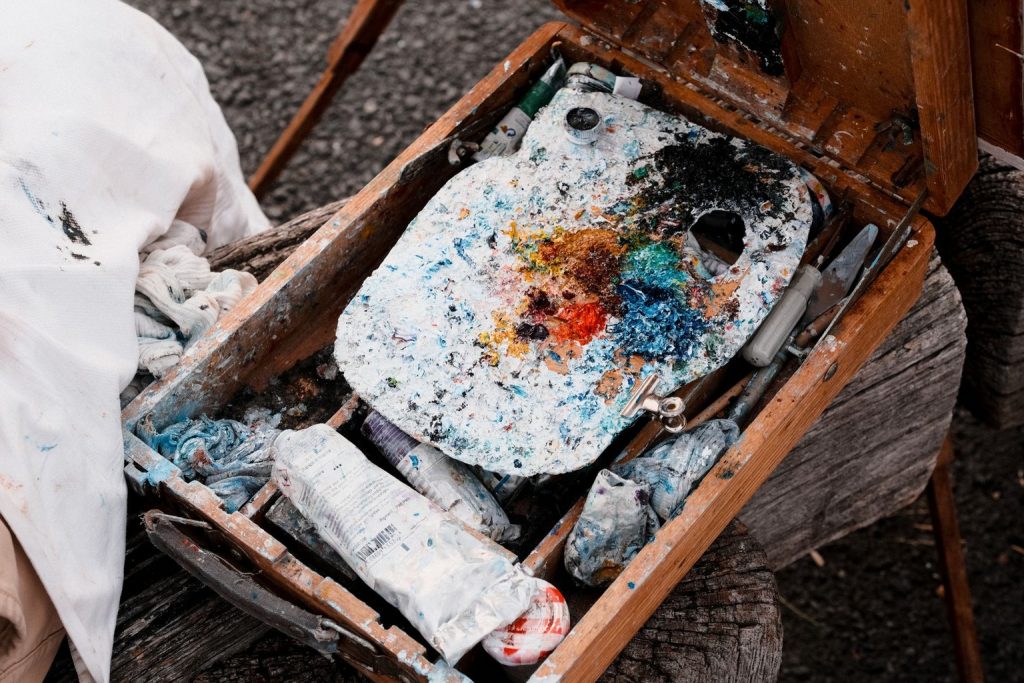

The internet has revolutionized how artists sell their work, and few mediums benefit more from digital tools for selling art prints than original fine art. Whether you’re a painter transitioning to prints or a digital artist expanding your reach, the right platform and tools can transform how your art connects with collectors. From high-end galleries to independent studios, the digital tools for selling art prints now offer everything from print-on-demand services to customizable e-commerce stores, each with distinct advantages depending on your workflow, budget, and audience. The challenge lies in choosing the right combination of platforms that align with your artistic goals without overwhelming you with unnecessary complexity or hidden costs.
Platforms for Direct Sales: E-Commerce Stores vs. Marketplaces
When deciding between building your own e-commerce store or selling through established marketplaces, the trade-off isn’t just about control versus convenience, it’s about how deeply you want to integrate your brand into the buying experience. Platforms like Shopify or WooCommerce give you full ownership over your store’s design, branding, and customer data, which is ideal if you’re selling limited-edition prints with high margins or building a long-term audience. These tools let you customize every detail, from the checkout process to the way your art is displayed, ensuring a seamless experience that feels tailored to your artistic vision. However, the downside is the upfront investment: you’ll need to budget for hosting, domain names, and potentially hiring a developer to fine-tune your store’s functionality. For artists who prioritize autonomy and scalability, Shopify’s monthly plans (starting at $29) and WooCommerce’s free WordPress plugin (with optional premium themes) are worth the effort if you’re serious about growing an independent brand.
On the other hand, marketplaces like Etsy or Saatchi Art act as gateways to a pre-existing audience, reducing the need for marketing upfront. Etsy, in particular, thrives on handmade and artistic goods, with its algorithm favoring niche products like limited-edition prints. The platform’s 6.5% transaction fee and $0.20 listing fee might feel steep, but it’s offset by the built-in traffic, Etsy sees over 81 million visitors monthly, making it easier to discover your work without heavy promotion. Saatchi Art, meanwhile, positions itself as a more curated space for contemporary artists, with a 10% commission but access to a global audience of collectors. The key difference here is trust: buyers on Saatchi Art often expect higher-quality reproductions, so your prints must meet a certain standard to compete. If you’re just starting or testing the waters, these marketplaces can be a low-risk way to gauge interest without the pressure of maintaining your own site.
Print Production: On-Demand vs. Bulk Printing Services
The way you produce your prints directly impacts your profit margins and operational stress, especially when scaling from a handful of customers to a steady stream of orders. Print-on-demand services like Printful or Giclée Club eliminate the need for inventory by printing and shipping each order individually, which is perfect for artists exploring new designs or testing demand without financial risk. Printful, for example, integrates seamlessly with Shopify and Etsy, so once you upload your artwork, it handles the rest, printing, packaging, and global shipping, while you focus on marketing. The catch is that print-on-demand tends to be more expensive per unit (often $10–$25 for a standard 8×10-inch print) due to the lack of bulk discounts, making it less ideal for high-volume sales or premium collections. If you’re selling abstract prints or experimental pieces where quantity isn’t a priority, this model can be a practical starting point.
For artists who want to maintain higher profit margins or sell in bulk, traditional print studios like Sawtooth or Giclée Club offer superior quality at lower per-unit costs when ordering in batches. Sawtooth, for instance, specializes in archival-quality giclée prints, which are favored by collectors for their longevity and vibrant colors. Their pricing starts at around $5–$10 per print when ordering 50+ copies, making it a smarter choice if you’ve already validated demand through pre-orders or a waiting list. The trade-off is the upfront cost and logistical hassle of storing and shipping inventory yourself. If you’re confident in your audience’s appetite for your work and can afford to invest in bulk, this approach gives you more control over pricing and presentation, plus, you can bundle prints with signed copies or exclusive variants to add perceived value. The decision often comes down to whether you’d rather sleep well knowing you’ve minimized waste or prefer the flexibility of printing as you sell.
Design and Presentation: Tools for High-Impact Listings
In the crowded world of online art sales, how you present your prints can make or break a sale, and the right design tools can turn a good listing into a compelling story. Tools like Adobe Photoshop or Procreate aren’t just for creating art, they’re essential for preparing your prints for sale. Before uploading to any platform, you’ll want to mock up your prints in realistic settings using Photoshop’s “Print Layout” feature or Procreate’s “Canvas” tool, which lets you simulate how the print will look framed or displayed in a home. This attention to detail helps buyers visualize the final product, reducing hesitation. For example, a landscape print might look stunning in isolation but could feel lost against a plain wall, mocking it up with a neutral backdrop or a simple frame can make all the difference. Many artists also use Canva’s free templates to create eye-catching product images with consistent branding, which is particularly useful if you’re selling across multiple platforms.

Beyond individual listings, tools like Artwork Archive or Printful’s “Mockup Generator” help you create professional-looking catalogs or lookbooks for your website or social media. These tools automate the process of combining multiple prints into a cohesive visual narrative, which is especially useful for artists with a series or thematic collections. For instance, if you’re selling a set of three prints based on a recurring motif, a lookbook can showcase the series as a cohesive unit rather than three separate items. This approach not only makes your listings more appealing but also encourages buyers to purchase multiple pieces, increasing your average order value. The downside is that these tools often require some learning curve, Artwork Archive, for example, has a steeper price point ($29/month) but offers more customization than Printful’s free mockup generator. If budget is a concern, free alternatives like Placeit or Creative Market can deliver similar results with less overhead.
Marketing and Discovery: How to Stand Out in a Crowded Space
Even with the best tools, your prints won’t sell themselves unless buyers can find them, and that’s where marketing strategies become as important as the tools themselves. Social media platforms like Instagram and Pinterest are goldmines for art sales, but they require consistent effort to drive traffic to your listings. Instagram’s algorithm favors accounts with high engagement, so artists often use tools like Later or Planoly to schedule posts and analyze performance, ensuring your prints are seen by the right audience. For example, a watercolor artist might schedule posts during peak hours (typically 9–11 AM or 7–9 PM local time) when engagement is highest, pairing each post with a link to their Shopify store or Etsy shop. Pinterest, meanwhile, is a long-term play: pins can drive traffic for months or even years after posting, making it ideal for evergreen collections like botanical prints or abstract patterns. The key is to optimize your pins with keywords (e.g., “hand-painted botanical prints for living room decor”) and drive traffic to a dedicated landing page on your website or shop.
For artists who want to go beyond organic reach, paid advertising on platforms like Facebook or Google can be a game-changer, but it requires careful targeting to avoid wasting budget. Facebook’s Audience Insights tool lets you narrow down your audience by interests, behaviors, and demographics, useful if you’re selling niche prints like cyberpunk illustrations or vintage-inspired landscapes. Google Ads, on the other hand, is better for targeting buyers actively searching for terms like “limited-edition art prints” or “original giclée prints.” The challenge is balancing cost and ROI: a well-targeted $50/month campaign can yield better results than a broad, untargeted ad spend. Many artists start with a small test budget ($10–$20/day) to gauge which platforms and audiences respond best before scaling up. Tools like Hootsuite or Buffer can help manage these campaigns alongside your social media scheduling, keeping everything organized in one place. The goal isn’t just to attract visitors but to convert them into buyers, which often means offering something extra, like a free downloadable sketch or a discount for first-time purchasers, to build trust and encourage that first sale.
Customer Experience: Handling Orders, Shipping, and Returns
The difference between a one-time buyer and a loyal collector often hinges on how smoothly the post-purchase experience goes, and the tools you use can make or break that transition. Platforms like Shopify and Etsy handle most of the logistics, shipping labels, order tracking, and customer notifications, but the devil is in the details. For example, offering free shipping over a certain threshold (e.g., $50) can boost your average order value, but you’ll need to factor that into your pricing. Tools like Shippo or Pirate Ship integrate with your e-commerce platform to compare shipping rates across carriers (USPS, FedEx, UPS) and find the best balance between cost and delivery speed. This is particularly important for artists selling internationally, where shipping costs can vary wildly, some platforms, like Etsy, even offer discounted international rates for sellers. The downside is that managing shipping preferences manually can become tedious as your order volume grows, so automating these processes with apps like ShipStation (which starts at $9/month) can save time and reduce errors.
Returns and customer service are equally critical, especially when selling high-ticket items like original prints. Tools like Zendesk or Gorgias provide live chat and email support directly within your e-commerce platform, allowing you to address buyer concerns in real time, whether it’s a question about print quality or a request for a replacement. For example, if a buyer receives a print with a minor smudge, offering a quick replacement or a discount on their next purchase can turn a negative experience into a positive one. Some artists also use tools like Stamped to create customizable return labels and policies, ensuring transparency and reducing friction. The key is to set clear expectations upfront: if you’re selling limited-edition prints, specify that returns are only accepted for defects (and not changed minds), as this protects both you and the buyer. By streamlining these processes, you not only improve customer satisfaction but also build credibility, which is especially important for first-time buyers who may be hesitant to invest in original prints online.
Scaling Up: Tools for Managing Multiple Sales Channels
As your audience grows, managing your art across multiple platforms, whether it’s your own website, Etsy, Saatchi Art, or even local galleries, can become a logistical nightmare unless you use the right tools to centralize your inventory. Platforms like TradeGecko or Sortly help sync your product listings across all sales channels in real time, preventing overselling and keeping your inventory accurate. For example, if you sell a print on Etsy and also have it listed on your Shopify store, TradeGecko ensures that when one sells, the other is automatically updated to reflect the remaining stock. This is particularly useful if you’re selling in bulk or have seasonal collections that require frequent updates. The downside is that these tools often come with a monthly fee (Sortly starts at $25/month for basic plans), but the time saved in manual updates can outweigh the cost for artists with multiple revenue streams. Alternatively, apps like Rewind (for Shopify) or Etsy’s built-in inventory tools can handle simpler syncing needs without the same level of complexity.
For artists looking to expand into wholesale or gallery partnerships, tools like Artwork Archive or Artnet’s Pro Listings can help manage consignment sales and track sales commissions across multiple dealers. Artwork Archive, for instance, lets you upload your portfolio once and share it with galleries or collectors, who can then request prints directly from you. This eliminates the need to manually update listings for each new partner and ensures that your pricing and availability are consistent. The challenge is that these tools often require a higher level of organization, you’ll need to keep your digital catalog up to date with new works and track which galleries have which pieces in stock. For artists who are serious about growing their reach beyond direct sales, these platforms can be a game-changer, but they do require a commitment to maintaining a professional online presence. The payoff, however, is the potential to sell to collectors who might not have discovered your work otherwise, especially if you’re targeting high-end buyers who prefer to purchase through established galleries.

I have spent years transforming my home into a personal gallery, constantly hunting for unique pieces that bring walls to life. There is nothing quite like the thrill of discovering an emerging artist online and finding the perfect artwork to complement a room. I am passionate about helping others navigate the world of digital art markets to find authentic pieces that truly resonate with their style.