Buying a painting online feels straightforward until the checkout page reveals that logistics can add 20 to 40 percent to the sticker price. Most buyers assume the listed cost covers everything, yet cross-border delivery of fragile, high-value items triggers a cascade of fees that rarely fit into the original budget. The primary cost of shipping original artwork internationally involves more than carrier rates; it includes specialized crating, insurance premiums, customs clearance, and potential import duties that vary by destination country. These variables depend heavily on the medium, dimensions, and current trade agreements between your home region and the artist’s location. Understanding these hidden layers prevents sticker shock and ensures your piece arrives without damage or bureaucratic delays.
Packaging Specifications That Drive Up Base Rates
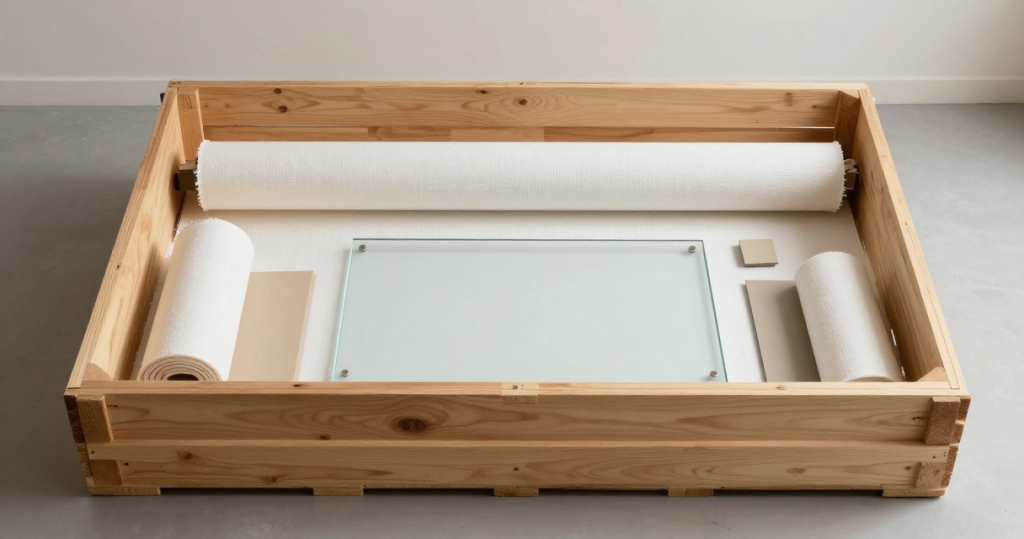
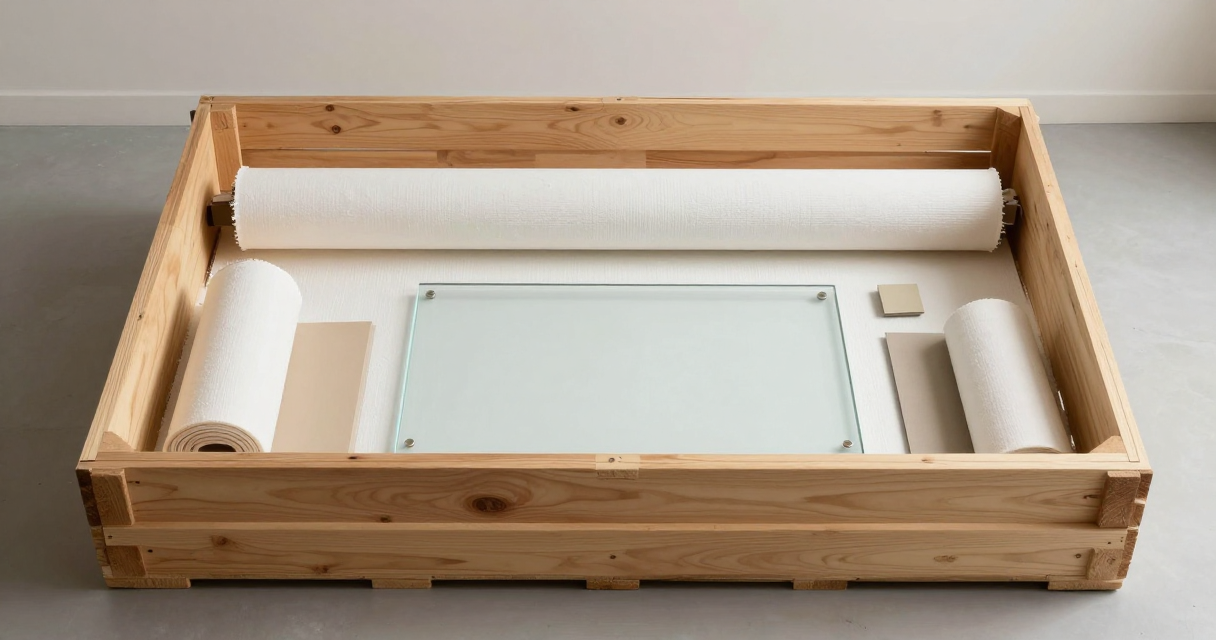
Standard parcel carriers treat art as high-risk cargo because canvas tension, glass panes, and mixed media react differently to humidity and pressure changes. You often need a wooden crate with internal foam lining rather than a simple cardboard box, which increases the volumetric weight calculation significantly. For example, a 100×80 cm framed oil painting might weigh only 4 kg but occupy space equivalent to a 15 kg parcel when crated for protection. Carriers charge based on the heavier of actual or dimensional weight, so bulky art with light materials triggers higher freight charges than dense, compact items of the same physical size.
The choice between flat packing and box packing also influences the final invoice. Flat packing saves space in transit but requires the recipient to reframe or install the work, adding labor costs on their end. Box packing allows for immediate display but demands more rigid structural support to prevent frame warping during handling. Many galleries include this packaging upgrade in the base shipping fee, while others itemize it as a separate line, making direct price comparisons between sellers difficult without reading the fine print carefully.
Customs Valuation and Import Duty Structures
When a package crosses an international border, customs authorities assess its value to determine applicable import duties and taxes. The declared value must match the transaction receipt, yet discrepancies often arise if the seller undervalues the item to save on fees, which can lead to penalties or seizure. Most countries have a de minimis threshold, typically ranging from 50 to 100 euros, below which no duty is charged. Once that limit is exceeded, rates for artistic goods often sit between 0 and 6 percent depending on the specific classification code used by local customs.
VAT or GST adds another layer of complexity because it applies to both the item’s value and the calculated duty amount. In the European Union, intra-community moves between member states are duty-free but still require proper invoice documentation to avoid being treated as domestic sales with different tax implications. Buyers should verify whether their country classifies original paintings as cultural goods or standard merchandise, as this distinction can shift the effective tax burden by several percentage points on high-value acquisitions.
Insurance Premiums and Risk Assessment Models
Standard courier insurance rarely covers the full replacement value of an original artwork because it treats the item as general goods with a capped liability limit. To secure full coverage, you must purchase specialized fine art insurance that accounts for transit risk, storage conditions, and installation hazards. Premiums typically range from 1 to 3 percent of the insured value per journey, meaning a 5,000 dollar painting carries an additional cost of 50 to 150 dollars just for protection. This fee covers damage from handling errors, weather exposure during transit, or loss due to carrier negligence.

The risk profile of the medium affects the premium calculation significantly. Watercolor works and paper-based pieces are more susceptible to moisture damage than sealed oil paintings on rigid panels, prompting insurers to charge higher rates for hygroscopic materials. If your piece includes three-dimensional elements like sculpture or mixed media with protruding textures, the carrier may flag it as fragile cargo, which can void standard warranties unless specific handling instructions are documented and followed by every party in the supply chain.
Carrier Selection and Transit Time Trade-offs
Express air freight offers speed but comes at a premium price per kilogram, while sea freight is cheaper but adds weeks to the delivery timeline. For most original paintings under 50 kg, air freight remains the practical choice because the cost difference rarely justifies the two-to-four week delay in sea transport. However, heavy sculptural works or large canvas installations might see savings of 30 percent by choosing consolidated sea shipping, provided the buyer can wait for the vessel schedule and port handling fees.
Reliability varies dramatically between carriers, especially when routing through third-party forwarding agents in intermediate countries. A package routed through a major hub may experience fewer delays than one handled by multiple local couriers, but the tracking data becomes less granular during these transfers. Buyers should prioritize carriers that offer white-glove delivery services, where trained art handlers manage the piece from pickup to final placement, rather than standard door-to-door parcel options that treat art like electronics.
Tax Reclaim Mechanisms and Documentation Requirements
Many countries allow businesses or eligible individuals to reclaim import VAT through a formal application process, but this requires meticulous documentation from the seller. The invoice must clearly state the item as an original artwork, include the artist’s name, creation date, and exact dimensions, rather than listing it generically as “painting” or “decorative item.” Without these specific details, tax authorities may reject the claim, leaving the buyer responsible for the full tax amount without recourse. Keeping digital copies of all shipping labels, insurance certificates, and payment receipts simplifies this audit trail considerably.

The timing of the reclaim application matters as much as the accuracy of the documents. Most jurisdictions impose a strict deadline, often within 12 months of the import date, after which the right to refund expires permanently. Delays in customs clearance or disputes over valuation can eat into this window, so buyers should file their applications immediately upon receiving the artwork rather than waiting for installation or framing to be completed first.
Regional Variations in Art Trade Regulations
Trade agreements between specific regions can eliminate tariffs entirely, creating significant cost differences depending on the origin of the artwork. For instance, paintings moving between countries within a common trade bloc often bypass duty charges that would apply to goods coming from non-member states. However, cultural heritage laws in some nations restrict the export of certain historical or high-value pieces, requiring additional permits that add both time and administrative fees to the process. Buyers should verify current export controls before finalizing a purchase to avoid legal complications at the border.
Local content regulations also influence pricing in regions where government subsidies support domestic artists. Some countries offer tax incentives for purchasing locally produced art, which can offset shipping costs if the work is created within that jurisdiction. These programs change frequently based on cultural policy shifts, so the savings available today may not apply next year. Checking with a local arts council or customs broker before shipping provides the most current insight into these evolving financial mechanisms.

I have spent years transforming my home into a personal gallery, constantly hunting for unique pieces that bring walls to life. There is nothing quite like the thrill of discovering an emerging artist online and finding the perfect artwork to complement a room. I am passionate about helping others navigate the world of digital art markets to find authentic pieces that truly resonate with their style.