Understanding Cultural Identity in Art
Cultural identity is a fundamental concept in the world of artistic expression, serving as a bridge between an artist’s heritage and their interpretation of the world around them. It encompasses the shared values, traditions, languages, and history that define a group of people, influencing how individuals see themselves and how they choose to represent their experiences. In the realm of art, cultural identity becomes a powerful lens through which artists explore and communicate their personal and collective stories.
Artistic expression rooted in cultural identity allows for a rich tapestry of creativity. Artists often draw upon symbols, motifs, and narratives prevalent in their culture to create works that resonate on multiple levels. These elements may manifest in traditional art forms such as painting, sculpture, and textile design, or through contemporary mediums like digital art and performance. By embedding cultural references into their work, artists provide viewers with a glimpse into their heritage, fostering a deeper understanding and appreciation of diverse cultural backgrounds.
Moreover, the significance of cultural identity in art extends beyond mere representation. It plays a critical role in art interpretation, inviting audiences to engage with the socio-political and historical contexts that shape an artist’s vision. This dialogue between the artwork and viewer highlights the complexities of identity, challenging stereotypes and encouraging empathy. Through their unique perspectives, artists confront issues such as migration, colonization, and globalization, using their art to preserve tradition while simultaneously pushing the boundaries of cultural discourse.
Ultimately, cultural identity in art is not static but dynamic, reflecting the evolving nature of communities and individual experiences. By embracing their heritage and personal identity, artists create meaningful connections that transcend time and place. This interplay between past and present enriches both the artistic process and the audience’s appreciation, making cultural identity an indispensable element in the interpretation and creation of art.
Definition and Importance
Cultural identity in the context of art refers to the ways in which artists express their unique heritage, traditions, and social values through their creative work. It encompasses the symbols, narratives, and artistic styles that reflect the historical and cultural experiences of a particular community or individual. This definition of cultural identity highlights how art acts as a medium for preserving and communicating the richness of diverse backgrounds.
The importance in art of cultural identity cannot be overstated. For artists, it serves as a vital source of inspiration and self-expression, allowing them to explore and affirm their origins and perspectives. This identity representation in their work often brings authenticity and depth, making the art more meaningful and resonant. For audiences, recognizing cultural identity in artwork opens up pathways to better understanding and appreciating the context and deeper messages conveyed. It fosters empathy and respect across different cultures by inviting viewers to connect emotionally with experiences outside their own.
Ultimately, the representation of cultural identity in art enriches the global artistic landscape. It challenges stereotypes and broadens cultural dialogues, making both the creation and reception of art an insightful journey into the complexities of human identity. This dual role emphasizes why cultural identity is fundamental to both artists and audiences in grasping art on a profound level.
Historical Perspectives
The history of cultural identity in art reveals a dynamic evolution shaped by diverse societies and their unique artistic traditions. Across different time periods, art has served as a vital medium to express cultural heritage, capturing the values, beliefs, and social structures of communities. From ancient cave paintings to classical sculptures, early artistic works often reflect the spiritual and communal identities of their creators.
During the Renaissance, a renewed interest in humanism and the natural world led to a flourishing of artistic styles that blended cultural narratives with innovative techniques. This period highlighted the importance of individual and regional identities, as artists like Leonardo da Vinci and Michelangelo infused their work with cultural symbolism rooted in their societies. Meanwhile, in non-Western societies such as Africa, Asia, and the Americas, artistic traditions continued to evolve independently, preserving and celebrating indigenous cultural heritage through vibrant textiles, pottery, and ritual objects.
The 19th and 20th centuries marked a significant turning point with movements like Romanticism, Realism, and Modernism, which challenged traditional norms and explored new ways to depict identity amid social changes. Cultural identity in art became increasingly complex as globalization introduced cross-cultural exchanges and hybridity. Postcolonial art further emphasized reclaiming and redefining cultural heritage, addressing histories of oppression and resilience through diverse artistic expressions.
Ultimately, the evolving nature of cultural identity in art underscores the continuous dialogue between artists and their cultural contexts. By studying key movements and examples throughout history, we gain a deeper understanding of how art functions as a living document of cultural heritage and identity.
Influence of Cultural Identity on Artistic Styles and Mediums
Cultural identity plays a crucial role in shaping artistic styles, themes, and the selection of mediums by artists worldwide. The rich tapestry of cultural backgrounds offers a broad spectrum of artistic expression, allowing artists to communicate unique perspectives rooted in their traditions and social experiences. This diversity reflects how cultural influence directly informs both the visible style of artworks and the underlying narrative they convey.
From the intricate patterns found in Indigenous Australian dot paintings to the bold, symbolic imagery of African tribal art, cultural identity profoundly influences artistic styles. Artists often draw from traditional motifs and symbols, adapting them to contemporary contexts while preserving their cultural heritage. These stylistic elements not only distinguish artists within the global art scene but also serve as a means of cultural storytelling and preservation.
The choice of artistic mediums also reflects cultural diversity. For instance, Japanese artists have historically favored mediums such as ink and brush on rice paper, emphasizing subtlety and precision, rooted in their cultural appreciation for minimalism and nature. Meanwhile, Latin American muralists like Diego Rivera employed large-scale murals to narrate social and political histories, choosing mediums suitable for public engagement. Such medium diversity underscores how cultural contexts dictate not only what is created but how it is manifested.
Cultural influence extends to thematic content as well. Many artists incorporate their cultural heritage and social realities into themes addressing identity, community, spirituality, and resistance. For example, Mexican folk art is often infused with vibrant colors and religious symbolism, reflecting the country’s fusion of indigenous and Catholic traditions. Similarly, contemporary African artists frequently explore post-colonial identity and urban life through mixed media and installation art, showcasing the evolving nature of cultural narratives in artistic expression.
Ultimately, the impact of cultural identity on artistic styles and mediums exemplifies the interconnectedness of art and culture. By engaging with their cultural roots, artists enrich the global art landscape, fostering greater understanding and appreciation of the diverse ways in which human experience can be expressed through artistic styles and medium diversity.
Stylistic Elements Influenced by Culture
Art is a profound reflection of cultural identity, often showcasing distinct cultural style elements that distinguish one community from another. These elements include unique art motifs, color palettes, and visual symbolism that carry significant meaning within a cultural context. Understanding these stylistic features helps in appreciating the cultural depth embedded in artworks.
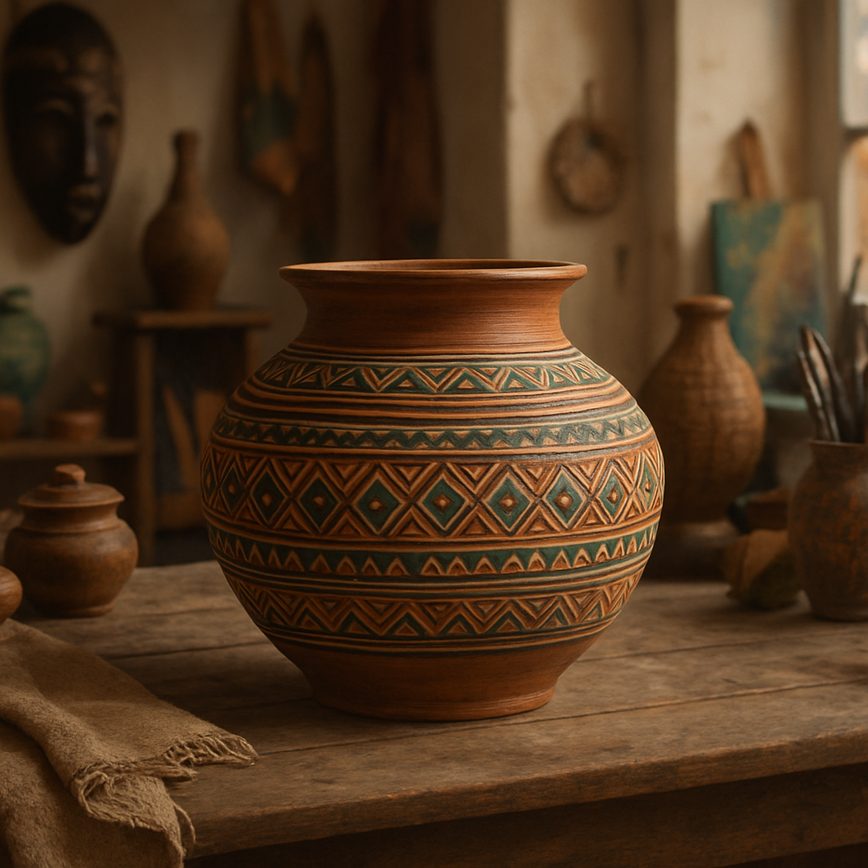
- Motifs: Cultural art motifs are recurring themes or patterns that represent traditional stories, beliefs, or nature found within a society. Examples include indigenous patterns, religious symbols, and historical emblems.
- Colors: The choice of colors in artwork often reflects cultural values or spiritual beliefs. For instance, red might symbolize prosperity and luck in some Asian cultures, while blue conveys tranquility and spirituality in others.
- Visual Symbolism: Many artworks incorporate symbolic elements that communicate complex ideas or cultural narratives. These symbols can range from animals, plants, geometric forms, to abstract shapes, each with a hidden or overt cultural significance.
- Techniques and Materials: Traditional methods and materials unique to each culture also influence the stylistic outcome, reinforcing cultural identity through the physical artwork.
- Interplay of Style and Meaning: The combination of motifs, colors, and symbolism creates a visual language that resonates with cultural heritage, allowing viewers to interpret deeper meanings within the art.
These cultural style elements not only define the aesthetic appeal of an artwork but also serve as a bridge connecting past traditions to contemporary expressions, ensuring that cultural identity remains alive and evolving within the art world.
Traditional vs. Contemporary Mediums
Traditional art mediums, such as painting, sculpture, and weaving, have long been vital in expressing cultural identity. These mediums often embody techniques and symbolism passed down through generations, serving as tangible connections to heritage and history. Traditional art frequently anchors cultural narratives in historic contexts, preserving values and stories that might otherwise be lost.
In contrast, contemporary art utilizes a wider range of materials and digital technologies, reflecting the dynamic nature of modern cultural evolution in art. Contemporary artists experiment with unconventional mediums like video, installations, and performance art, allowing for more fluid and diverse expressions of identity. This approach often challenges traditional norms and embraces globalization’s impact on culture, resulting in hybrid identities that reflect the complexities of today’s world.
While traditional art mediums emphasize preservation and continuity, contemporary art prioritizes innovation and dialogue. Both, however, play crucial roles in communicating cultural identity, with contemporary art expanding the boundaries to include multicultural perspectives and new social issues. This evolution showcases how cultural identity in art is not static but continuously reinterpreted through both traditional and modern artistic languages.
Cultural Identity Challenges and Artist Perspectives
Artists who incorporate their cultural identity into their work often face a variety of cultural challenges that test their creativity and resilience. One common struggle is the pressure to balance authentic representation with broader audience appeal. Artists may worry that displaying specific cultural elements might lead to misinterpretation or stereotyping. This concern can create tension between staying true to their heritage and making their work accessible and relatable to diverse viewers.
Another significant challenge lies in the identity struggles that emerge as artists navigate the intersection of personal and collective experience. Cultural identity is complex and multifaceted, shaped by history, community, and individual narrative. Artists grapple with how to express these layers authentically without reducing their culture to a monolithic portrayal or unintentionally perpetuating cultural clichés. This struggle often demands a thoughtful negotiation of what to reveal and what to withhold, as well as how to contextualize symbols and stories within their art.
From an artist perspective, these cultural challenges become a source of profound creative exploration. Many artists use their work as a form of dialogue, addressing issues like cultural displacement, assimilation, and hybridity openly. By confronting identity struggles directly, they invite audiences to engage with cultural complexities rather than simplified narratives. This process can lead to innovative artistic expressions that fuse tradition with contemporary influences, enriching the cultural discourse.
Artists also employ various strategies to navigate these challenges creatively. Some incorporate personal stories or community histories to ground their work in lived experience, thus enhancing authenticity. Others experiment with mixed media, symbolism, and abstraction to communicate cultural themes in ways that transcend literal representation, allowing for multiple interpretations. By embracing ambiguity and layered meanings, artists open up space for ongoing conversations about identity, culture, and belonging.
Ultimately, the artist perspective on cultural identity challenges highlights resilience and adaptability. Despite the struggles of negotiating identity and audience expectations, many artists find empowerment in reclaiming and reimagining their cultural narratives. Their work not only acknowledges the complexities of cultural identity but also expands the possibilities for artistic expression in a globalized world.
Cultural Appropriation and Authenticity
The debate surrounding cultural appropriation versus authentic cultural expression in art is a complex and often contentious issue. Cultural appropriation occurs when elements of one culture are taken or used by another, often without permission or understanding of their significance. This practice raises concerns about disrespect, exploitation, and the misrepresentation of cultures, especially when dominant groups appropriate from marginalized ones. In contrast, authentic art reflects a genuine connection to cultural roots, traditions, and experiences, often created by artists who belong to or have a deep understanding of that culture.
This distinction impacts both artists and communities profoundly. Artists engaging in cultural appropriation may face criticism and loss of credibility, while communities whose culture is appropriated may experience a sense of cultural dilution or erasure. On the other hand, authentic art can serve as a form of cultural preservation and pride, respecting the origins and significance of cultural symbols and practices. Ethical art practices encourage collaboration, respect, and education to ensure cultural expressions are portrayed accurately and sensitively.
Ultimately, navigating the line between cultural appropriation and authenticity requires sensitivity and awareness. Artists must consider the origins and meanings of the cultural elements they incorporate and strive to engage ethically, promoting respect and honoring the communities they draw inspiration from. This ongoing conversation shapes the evolving landscape of art and cultural identity.
Personal Identity and Artistic Freedom
Artists often face the intricate challenge of balancing their personal identity with the cultural heritage they represent, all while maintaining a strong sense of artistic freedom and originality. Personal identity acts as the lens through which artists interpret the world, allowing them to infuse their works with unique perspectives and emotions. At the same time, cultural heritage provides a rich backdrop that grounds their art in tradition, history, and shared community experiences. Navigating this interplay requires sensitivity and creativity, as artists strive to honor their roots without becoming confined by them.
Artistic freedom plays a critical role in this balancing act, empowering artists to explore beyond conventional boundaries and innovate in ways that reflect their evolving selves. By embracing self-expression, artists can challenge stereotypes, question social norms, and reinterpret cultural symbols through a personal lens. This dynamic fusion allows for a dialogue between the past and present, fostering originality that respects cultural identity but is not restricted by it.
Ultimately, the successful negotiation of personal identity and cultural heritage within artistic creation highlights the importance of authenticity and freedom. Artists who achieve this balance contribute to a vibrant, diverse art world where self-expression thrives alongside a deep reverence for cultural origins, enriching the global community through their distinctive voices.