Renaissance art represented a decisive break from medieval styles, embracing scientific observation and mathematical precision in composition. Pioneers like Leonardo da Vinci and Michelangelo exemplified this transition through their masterful use of light, shadow, and anatomical accuracy. The classical revival in art was part of a larger intellectual movement that sought to reconcile faith with reason and to explore the richness of human potential.
This transformation in artistic style and philosophy illustrates the dynamic nature of art evolution. The medieval period laid foundational religious and symbolic elements while the Renaissance redefined artistic expression by marrying these elements with classical ideals. Together, these periods demonstrate how art continuously adapts and reinterprets the past to express new ideas and cultural values.
Medieval Art Characteristics
Medieval art, spanning roughly from the 5th to the late 15th century, is largely defined by its religious themes and its role as a medium of spiritual expression throughout the medieval period. This art form is deeply intertwined with the church, which was the dominant cultural and social institution of the time. The majority of artworks served didactic and devotional purposes, aiming to convey biblical stories and Christian ideologies to a largely illiterate population.
One of the prominent styles within medieval art is Gothic art, which flourished from the 12th century onwards. Gothic art is particularly noted for its architectural achievements like cathedrals featuring pointed arches, ribbed vaults, and flying buttresses. In painting and sculpture, Gothic art brought a heightened sense of realism and emotional expression compared to earlier medieval styles, although religious narratives remained central.
Characteristics of medieval art include flat, two-dimensional figures, lack of perspective, and the use of vivid colors to enhance symbolic meaning. Artists often employed gold leaf to signify divine light and holiness. Manuscript illumination is another hallmark, showcasing intricate designs and detailed imagery to decorate religious texts. Overall, medieval art reflects the cultural context of an era dominated by faith, where art was a crucial tool for religious teaching and community identity.
Renaissance Art and Its Impact
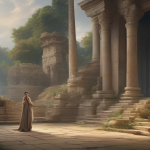
The Renaissance marked a profound revival of classical ideals, emphasizing realism, humanism, and precise proportions in art. Artists during this period sought to reconnect with the beauty and intellectual spirit of ancient Greece and Rome, which led to what is often called the classical revival. This era was characterized by meticulous attention to detail and an exploration of human anatomy, giving rise to artworks that portrayed subjects with unprecedented lifelike accuracy.
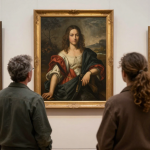
Leonardo da Vinci exemplified the Renaissance spirit through his scientific approach to art, studying the human body to enhance realism and balance in his paintings. His works, such as the “Vitruvian Man,” illustrate the harmony between human proportions and geometry, a direct nod to classical principles. Michelangelo further advanced these ideals with sculptures and frescoes that celebrated the human form’s power and beauty, blending emotional expression with anatomical precision.
Humanism played a central role in Renaissance art, shifting focus toward human experience, individuality, and emotion. This philosophical change encouraged artists to depict not just religious subjects but also everyday life, capturing a wide range of human emotions and conditions. By incorporating perspective, light, and shadow, Renaissance painters created an immersive sense of space and depth, enhancing the realism of their compositions while paying homage to classical artistic traditions.
Introduction to Classical Art Periods
Classical art has long been celebrated for its profound impact on the development of visual culture and its enduring aesthetic principles. Understanding classical art periods offers a fascinating art history overview, as these eras provide the foundation for much of Western art’s evolution. Classical art typically spans from ancient civilizations through to the early modern age, encompassing a range of influential styles that have shaped artistic expression across centuries.
The journey through classical art periods begins with Ancient Greece and Rome, where artists emphasized harmony, proportion, and balance. This era laid the groundwork for many artistic conventions still appreciated today. Following this, the Byzantine period introduced a shift toward spiritual and symbolic representations, characterized by intricate mosaics and iconography that blended religious themes with artistic practice.
Transitioning into the Middle Ages, the Romanesque and Gothic periods dominated the landscape. Romanesque art is noted for its solid, architectural quality and religious motifs, while Gothic art pushed the boundaries of expression through more detailed and ornate designs, as seen in cathedrals and illuminated manuscripts. These periods highlight the interplay between art and architecture, reflecting societal values and religious devotion of the time.
The Renaissance marks a significant leap in the art history overview, heralding a revival of classical ideals and humanism. This period saw artists like Leonardo da Vinci and Michelangelo explore naturalism, perspective, and anatomy with unprecedented skill. The Renaissance represents a flourishing of creativity that bridged the gap between medieval art and the modern world, influencing countless artists and art forms thereafter.
Following the Renaissance, the Baroque and Neoclassical periods continued to expand artistic expression, each adding distinct characteristics and thematic concerns. The Baroque period is known for its dramatic intensity and ornate details, while Neoclassical art revisited the simplicity and clarity of ancient classical art, reflecting Enlightenment ideals.
Overall, classical art periods provide a rich timeline that illustrates the dynamic evolution of artistic styles, techniques, and cultural values. This art periods introduction not only highlights the significance of these eras but also encourages a deeper appreciation for the legacy of classical art that continues to influence contemporary creativity.
Ancient Classical Art Periods
Ancient classical art, particularly from classical Greece and Rome, represents some of the most influential and enduring artistic traditions in Western history. This era of ancient art, spanning roughly from the 5th century BCE in Greece to the fall of the Roman Empire in the 5th century CE, is celebrated for its focus on harmony, proportion, and the idealized human form. These principles have left a profound legacy in the fields of sculpture, architecture, and painting.
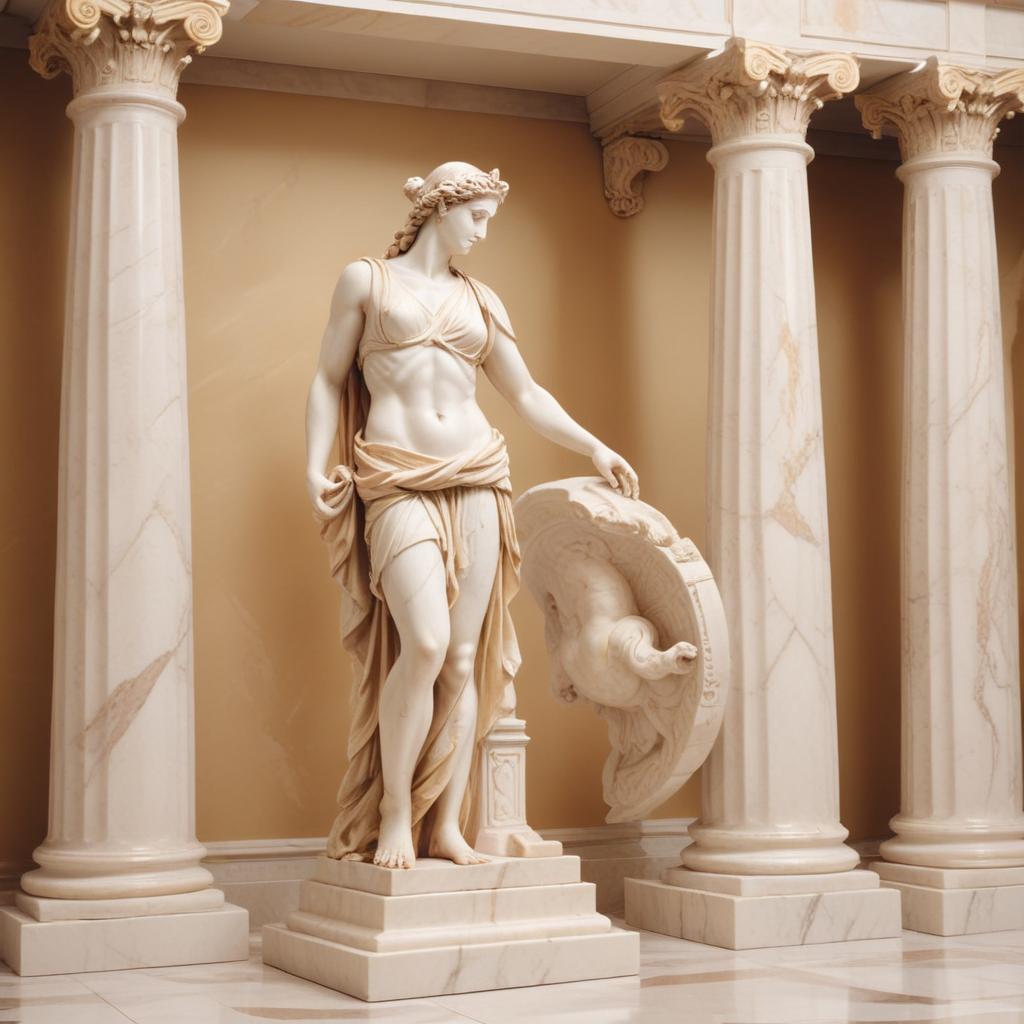
In classical Greece, art was deeply intertwined with the cultural, religious, and political life of the city-states. Greek sculpture, known for its emphasis on naturalism and anatomical precision, sought to capture the beauty and balance of the human body. The works of sculptors such as Phidias and Polykleitos exemplify this ideal, with statues that display dynamic movement and perfectly proportioned forms. Temples like the Parthenon in Athens epitomize the architectural advancements of the period, characterized by the use of the Doric and Ionic orders that emphasize symmetry and elegant detail.
Roman art, while heavily influenced by the Greeks, developed its own distinctive characteristics, focusing more on realism and detailed portraiture. Roman sculpture often emphasized individuality and included detailed depictions of age and emotion, which were less common in Greek art. This can be seen in busts of emperors and citizens that convey personality and status. Additionally, Romans excelled in engineering and incorporated their artistic sensibilities into grand architectural structures such as the Colosseum and aqueducts, which combined utility with aesthetic form.
Both Greek and Roman art contributed significantly to the development of Western art traditions. The emphasis on proportion, balance, and idealized beauty in ancient sculpture has inspired countless artists through the centuries. Meanwhile, the Roman dedication to realistic detail and expression added a human dimension to classical art forms. Together, these elements of ancient classical art represent a rich historical context in which art was not only a display of aesthetic ideals but also a reflection of societal values and advancements in human knowledge.
Greek Classical Period
The Greek Classical period represents a pinnacle in the evolution of Greek art, spanning roughly from the 5th to the 4th centuries BCE. This era is renowned for its emphasis on harmony, balance, and realistic representation, encapsulating the ideals of beauty and human form. Greek art during this classical period is characterized by a remarkable advancement in ancient sculptures, which not only showcased anatomical precision but also captured dynamic movement and emotional expression with grace.
Major themes of the period often revolved around mythology, heroism, and the divine, reflecting the Greeks’ deep connection to their cultural and religious narratives. The art style shifted from the rigid and formalized figures of the earlier Archaic period toward more naturalistic and idealized forms. Sculptors such as Phidias and Polykleitos set the standard for proportion and symmetry, influencing not just their contemporaries but the entire Western art tradition.
In addition to sculpture, Greek pottery from the classical period also played an essential role in art. Pottery was both functional and decorative, often adorned with intricate scenes that depicted everyday life, mythology, and athletic competitions. The use of red-figure and black-figure techniques on Greek pottery showcased the artists’ skill and attention to detail, making these objects valuable historical records today.
Overall, the Greek Classical period contributed significantly to the foundation of Western art, with its innovations in style, technique, and thematic depth continuing to influence artists and architects for centuries.
Roman Classical Period
Roman art during the classical era is renowned for its distinctive features and lasting influence that shaped the course of Western art history. Roman art is characterized by a blend of practical function and aesthetic appeal, reflecting the grandeur and power of the Roman Empire. One of the defining elements of Roman art is its architecture, which introduced innovative engineering techniques such as the use of concrete and the development of the arch, vault, and dome. These architectural advancements allowed for the construction of monumental structures like the Colosseum and aqueducts, which remain iconic symbols of Roman ingenuity.
In the realm of classical sculpture, Roman artists excelled in creating realistic and highly detailed representations of human figures, often emphasizing individuality and expression. This contrasted with the idealized forms prevalent in earlier Greek sculpture, offering a more personal and narrative approach to classical sculpture. Roman painting, though fewer examples survive, showcased vibrant frescoes and intricate mosaics that decorated homes and public buildings, highlighting scenes from mythology, daily life, and nature.
The influence of Roman art extended beyond its era, laying foundational principles for Renaissance and neoclassical art movements. Roman art’s emphasis on realism, architectural innovation, and decorative excellence set standards that continued to inspire artists and architects for centuries. Through these contributions, Roman art not only exemplified the cultural achievements of its time but also created a legacy that defines much of classical artistic tradition.
Medieval to Renaissance Classical Art
The evolution of art from the medieval period to the Renaissance marks one of the most profound transformations in art history. Medieval art, characterized by its religious themes and symbolic representation, focused largely on spirituality and the divine. Rooted in the traditions of Byzantine and Romanesque styles, medieval art predominantly served ecclesiastical purposes, with its figures often appearing flat, stylized, and lacking perspective. This period’s art was more about conveying religious narratives and moral lessons than representing the natural world realistically.
As Europe moved toward the Renaissance, a classical revival began which emphasized a return to the art principles of ancient Greece and Rome. This revival brought a renewed focus on naturalism, human anatomy, and the use of perspective, highlighting the beauty of the human form and the physical world. Artists began to blend the spiritual with the secular, creating works that celebrated human experience alongside religious themes. This shift reflected broader cultural changes, including the rise of humanism, which placed greater value on individual potential and the study of classical antiquity.
Renaissance art represented a decisive break from medieval styles, embracing scientific observation and mathematical precision in composition. Pioneers like Leonardo da Vinci and Michelangelo exemplified this transition through their masterful use of light, shadow, and anatomical accuracy. The classical revival in art was part of a larger intellectual movement that sought to reconcile faith with reason and to explore the richness of human potential.
This transformation in artistic style and philosophy illustrates the dynamic nature of art evolution. The medieval period laid foundational religious and symbolic elements while the Renaissance redefined artistic expression by marrying these elements with classical ideals. Together, these periods demonstrate how art continuously adapts and reinterprets the past to express new ideas and cultural values.
Medieval Art Characteristics
Medieval art, spanning roughly from the 5th to the late 15th century, is largely defined by its religious themes and its role as a medium of spiritual expression throughout the medieval period. This art form is deeply intertwined with the church, which was the dominant cultural and social institution of the time. The majority of artworks served didactic and devotional purposes, aiming to convey biblical stories and Christian ideologies to a largely illiterate population.
One of the prominent styles within medieval art is Gothic art, which flourished from the 12th century onwards. Gothic art is particularly noted for its architectural achievements like cathedrals featuring pointed arches, ribbed vaults, and flying buttresses. In painting and sculpture, Gothic art brought a heightened sense of realism and emotional expression compared to earlier medieval styles, although religious narratives remained central.
Characteristics of medieval art include flat, two-dimensional figures, lack of perspective, and the use of vivid colors to enhance symbolic meaning. Artists often employed gold leaf to signify divine light and holiness. Manuscript illumination is another hallmark, showcasing intricate designs and detailed imagery to decorate religious texts. Overall, medieval art reflects the cultural context of an era dominated by faith, where art was a crucial tool for religious teaching and community identity.
Renaissance Art and Its Impact
The Renaissance marked a profound revival of classical ideals, emphasizing realism, humanism, and precise proportions in art. Artists during this period sought to reconnect with the beauty and intellectual spirit of ancient Greece and Rome, which led to what is often called the classical revival. This era was characterized by meticulous attention to detail and an exploration of human anatomy, giving rise to artworks that portrayed subjects with unprecedented lifelike accuracy.
Leonardo da Vinci exemplified the Renaissance spirit through his scientific approach to art, studying the human body to enhance realism and balance in his paintings. His works, such as the “Vitruvian Man,” illustrate the harmony between human proportions and geometry, a direct nod to classical principles. Michelangelo further advanced these ideals with sculptures and frescoes that celebrated the human form’s power and beauty, blending emotional expression with anatomical precision.
Humanism played a central role in Renaissance art, shifting focus toward human experience, individuality, and emotion. This philosophical change encouraged artists to depict not just religious subjects but also everyday life, capturing a wide range of human emotions and conditions. By incorporating perspective, light, and shadow, Renaissance painters created an immersive sense of space and depth, enhancing the realism of their compositions while paying homage to classical artistic traditions.

I have spent years transforming my home into a personal gallery, constantly hunting for unique pieces that bring walls to life. There is nothing quite like the thrill of discovering an emerging artist online and finding the perfect artwork to complement a room. I am passionate about helping others navigate the world of digital art markets to find authentic pieces that truly resonate with their style.