Introduction to Environmental Factors Affecting Art
The exploration of environmental factors art is crucial for anyone involved in the creation, collection, or maintenance of artistic works. These factors significantly influence the condition and longevity of art, presenting both challenges and opportunities for effective management. Key environmental elements include temperature, humidity, light, and pollutants, which can interact in complex ways to accelerate deterioration if not properly controlled.
Natural risks such as fluctuating weather patterns and biological agents pose persistent threats to artworks. High levels of moisture can promote mold and corrosion, while intense sunlight leads to discoloration and weakening of fibers. Extreme events like earthquakes or storms add layers of vulnerability that artists, collectors, and conservators must anticipate in their planning processes.
The ongoing climate impact on art cannot be overlooked, as rising global temperatures and altered precipitation patterns intensify existing problems. This phenomenon affects everything from outdoor installations to indoor archives, demanding adaptive strategies to safeguard pieces against unprecedented environmental stresses.
Human activities contribute substantially to the degradation of art through emissions and habitat alterations. Industrial byproducts and urban expansion introduce harmful substances that settle on surfaces, causing chemical reactions over time. In response, art conservation has evolved to include sophisticated monitoring and intervention techniques designed to counteract these anthropogenic effects.
For artists, selecting materials with inherent resistance to environmental factors art enhances durability from the outset. Collectors rely on climate-controlled spaces and regular assessments to preserve value. Professionals dedicated to art preservation utilize scientific methods to diagnose issues early and apply targeted treatments.
Ultimately, a thorough understanding of these dynamics supports robust art conservation practices. By addressing both natural and human-induced risks, stakeholders can ensure that artworks endure for generations, highlighting the importance of proactive environmental stewardship in the field.
Temperature and Humidity Effects on Artworks
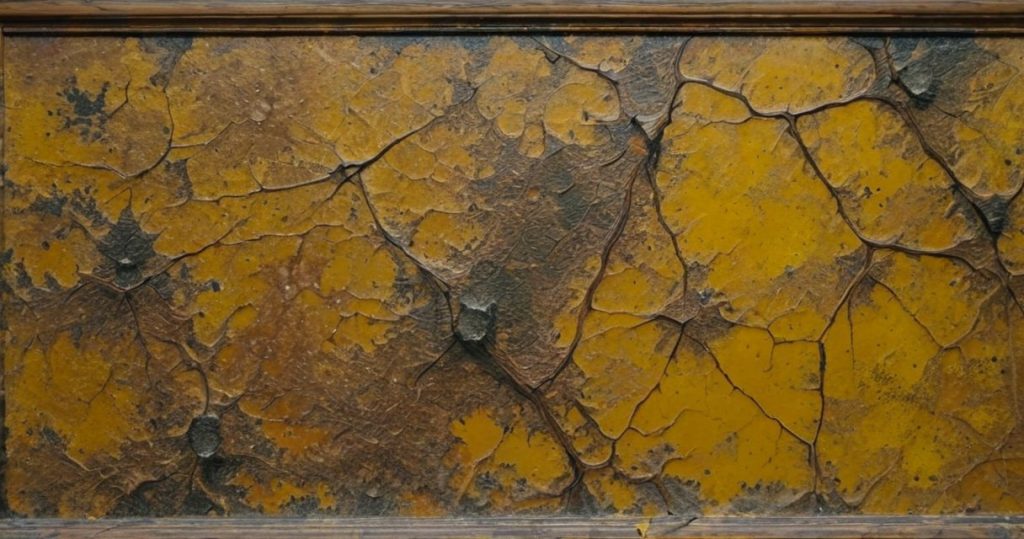
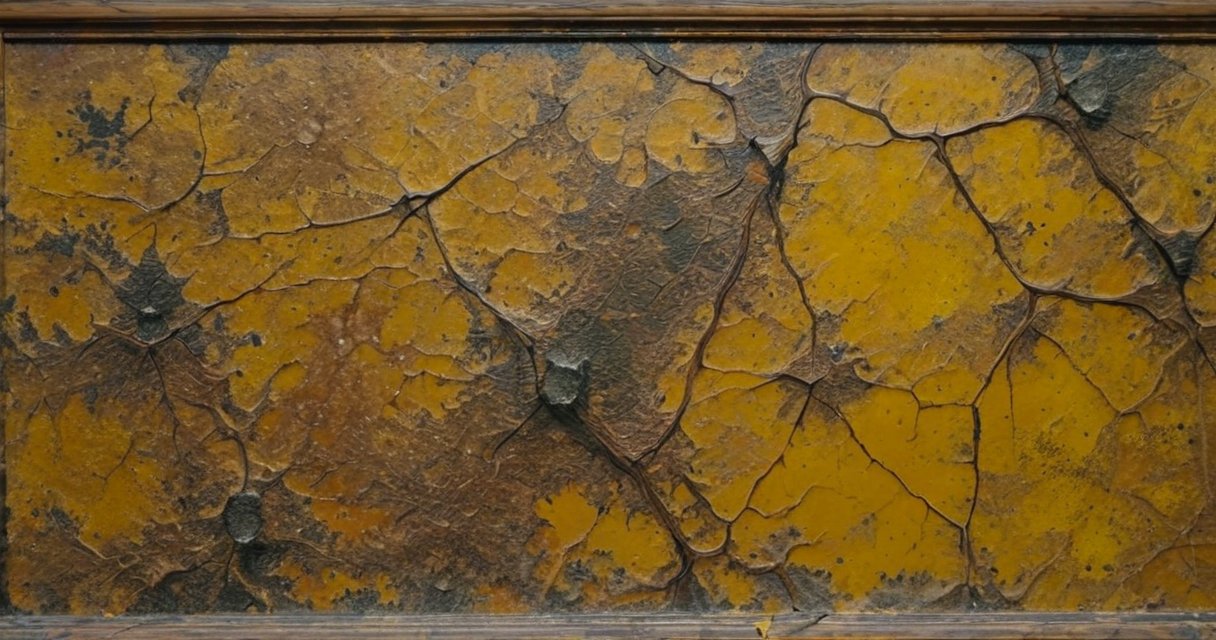
Temperature humidity art plays a critical role in preserving cultural heritage, as even minor shifts can accelerate deterioration across various media. Inconsistent conditions within art storage conditions often lead to expansion and contraction in organic materials, resulting in visible harm such as cracking on painted surfaces or wooden frames.
High relative humidity promotes mold growth on canvases, paper, and textiles, while low levels cause brittleness and flaking. These issues compound when temperature spikes coincide with humidity changes, creating ideal environments for biological threats that permanently damage irreplaceable pieces.
Canvas warping prevention requires stable environments that minimize moisture absorption, which distorts stretcher bars and paint layers over time. Museums combat this through precise monitoring systems that maintain equilibrium and protect against seasonal variations common in non-climate-controlled spaces.
Effective relative humidity control targets 45-55 percent for most collections, paired with temperatures between 18-22 degrees Celsius. Oil paintings tolerate slightly broader ranges than works on paper, which demand tighter parameters around 50 percent humidity to avoid both desiccation and fungal outbreaks.
Sculptures in wood or ivory need similar art storage conditions to prevent splitting, whereas metal artifacts focus more on corrosion risks from elevated moisture. Implementing dedicated HVAC zones allows institutions to customize settings per media type without compromising overall facility efficiency.
Regular calibration of sensors and data logging ensures proactive adjustments, reducing long-term restoration costs. By prioritizing consistent temperature humidity art protocols, collectors and curators safeguard artworks against cumulative environmental stress that might otherwise go unnoticed until irreversible harm occurs.
Light Exposure and Art Degradation
Visible and ultraviolet light trigger photochemical reactions that cause light damage art by exciting electrons in organic molecules, breaking chemical bonds in pigments and binders. Ultraviolet rays in particular accelerate the degradation of dyes and proteins, leading to color shifts and structural weakening in paintings, textiles, and works on paper.
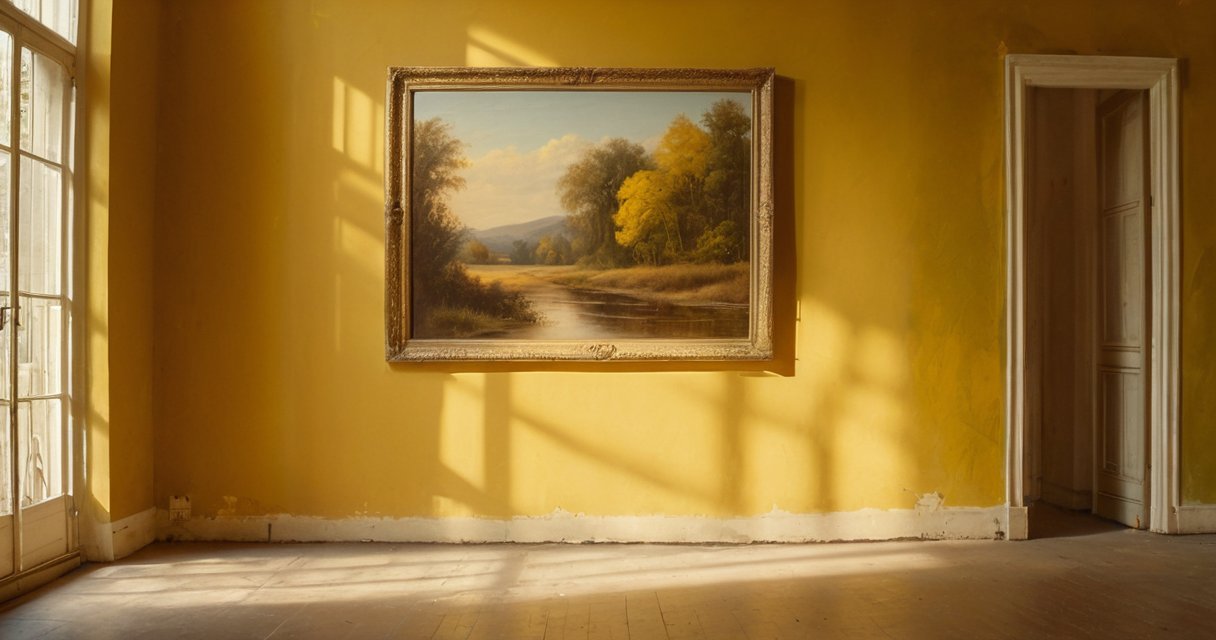
Over prolonged exposure, visible light also contributes to cumulative fading even at lower intensities, oxidizing materials and producing free radicals that embrittle surfaces. These processes result in irreversible changes, from chalking in oil paints to yellowing in cellulose fibers, underscoring the need for controlled environments in galleries and storage.
Effective fading prevention begins with UV protection artworks through specialized filters on windows, display cases, and lamps that block nearly all ultraviolet wavelengths below 400 nanometers. Museums further reduce intensity with LED fixtures emitting minimal heat and employ dimming systems calibrated to recommended lux levels for each medium.
Rotation schedules limit cumulative exposure by cycling sensitive pieces off view after set periods, allowing recovery time in darkness while maintaining public access. These practices align with museum lighting guidelines that specify maximum annual lux-hours for different artifact types, balancing preservation with educational goals.
Additional measures include blackout curtains during closed hours and regular monitoring with light meters to ensure compliance. By integrating these strategies, institutions significantly slow photochemical damage and extend the lifespan of valuable collections for future generations.
Air Quality and Pollution Influences on Art
Air pollution art damage remains one of the most persistent threats to cultural heritage worldwide. Fine particles, acidic gases, and reactive oxidants settle on or chemically interact with artworks, leading to visible soiling, surface corrosion, and gradual material breakdown. Dust, sulfur dioxide, and ozone are among the chief culprits that accelerate these processes in both urban and indoor settings.
Particulate matter conservation strategies are essential because microscopic dust can embed itself in porous surfaces such as canvas, paper, and stone. Once lodged, these particles cause abrasion during any cleaning attempt and create micro-environments that trap moisture and pollutants, speeding up deterioration. Museums therefore invest in multi-stage filtration to capture particles down to the submicron level before they reach exhibition spaces.
The acidic gases effects are equally damaging. Sulfur dioxide readily combines with water vapor to form sulfuric acid, which etches metals, marbles, and pigments. Ozone attacks organic binders and dyes, causing fading and embrittlement. These reactions occur even at low concentrations, making long-term exposure especially harmful to delicate works on paper and textiles.
Indoor air quality museums must therefore be rigorously controlled. Modern HVAC systems equipped with HEPA filters and activated-carbon beds remove both particulate and gaseous pollutants. Continuous monitoring with calibrated sensors tracks levels of sulfur dioxide, ozone, nitrogen dioxide, and fine dust, allowing conservators to adjust ventilation rates or activate additional purification stages before damage thresholds are reached.
Regular maintenance of these systems, combined with sealed display cases for the most sensitive objects, has proven effective at slowing corrosion and soiling. Data from institutions that adopted comprehensive filtration and monitoring programs show measurable reductions in surface degradation rates, confirming that proactive air-quality management is indispensable for preserving art collections.
Climate Change Impacts on Art Conservation
The impacts of global warming on cultural heritage are profound and multifaceted, affecting everything from delicate paintings to ancient sculptures. In the realm of climate change art, institutions must confront escalating threats that jeopardize the longevity of priceless artifacts held in collections around the globe. Rising sea levels museums are particularly vulnerable, as coastal facilities risk inundation that could destroy irreplaceable works without adequate preparation.
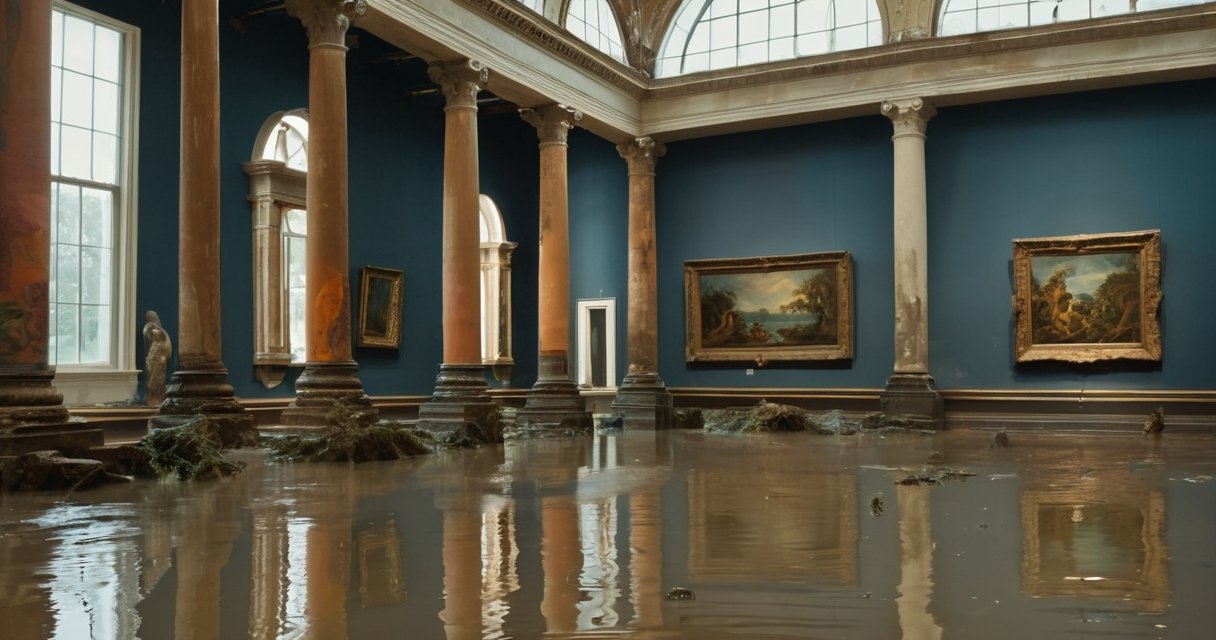
Long-term risks from global warming encompass both flooding and temperature shifts that accelerate material degradation. Flooding, driven by higher sea levels and more intense precipitation events, threatens to submerge storage areas and exhibition spaces, leading to water damage and mold growth. Temperature shifts, meanwhile, cause expansion and contraction in materials, leading to cracking, warping, and fading over extended periods. These factors compound the challenges for conservators seeking to maintain stable environmental conditions essential for preservation.
Extreme weather preservation requires innovative strategies to safeguard collections against hurricanes, wildfires, and prolonged heatwaves that are becoming more frequent. By prioritizing sustainable art storage, museums can reduce energy consumption while enhancing protective measures through efficient design. Adaptive conservation practices include retrofitting buildings with flood barriers, utilizing advanced HVAC systems for precise climate control, and developing comprehensive emergency response plans tailored to various climate scenarios. Additionally, relocating vulnerable collections to higher ground or inland facilities offers a proactive solution for future resilience against environmental uncertainties.
Furthermore, collaboration with climate scientists enables better prediction of environmental changes, allowing for timely interventions before disasters strike. Implementing renewable energy sources in museum facilities supports broader sustainability goals and lowers operational costs. Educational programs for staff on climate adaptation also play a vital role in building institutional capacity. Through these multifaceted efforts, the art world can build resilience against the ongoing effects of climate change, ensuring that cultural treasures endure for generations to come and continue inspiring future audiences.

I have spent years transforming my home into a personal gallery, constantly hunting for unique pieces that bring walls to life. There is nothing quite like the thrill of discovering an emerging artist online and finding the perfect artwork to complement a room. I am passionate about helping others navigate the world of digital art markets to find authentic pieces that truly resonate with their style.