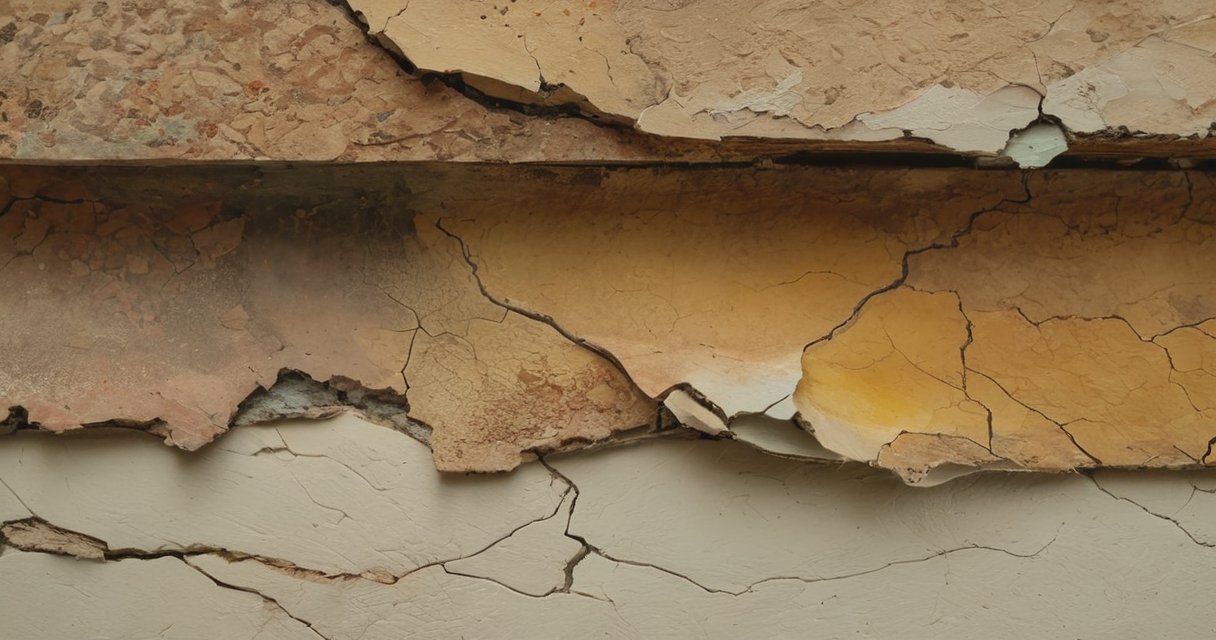
Factors Influencing Art Material Longevity
The longevity of various art materials depends on multiple interconnected factors, prominently featuring light exposure, humidity, temperature variations, and the inherent material composition. Professionals in the field recognize that addressing these factors affecting longevity is crucial for maximizing art material durability. Moreover, the environmental impact on art cannot be overstated, as uncontrolled conditions often lead to premature deterioration despite best efforts in creation and display.
Light exposure stands out as a primary concern, with ultraviolet radiation from sunlight or artificial sources triggering fading and embrittlement in sensitive pigments. Scientific insights reveal that photons excite electrons in pigment molecules, leading to irreversible bond breakage and color shifts. A real-world example is Vincent van Gogh’s paintings, where certain yellows have browned due to prolonged light exposure in galleries before modern protections were implemented, underscoring the need for filtered lighting in any collection.
High humidity fosters biological growth like mold and mildew on organic substrates such as canvas and paper, while excessive dryness induces shrinkage, fractures, and flaking. Temperature swings compound these effects through repeated thermal expansion and contraction, potentially causing delamination in layered artworks. Research indicates optimal storage at 18-20°C with 40-50% relative humidity preserves structural integrity best, according to conservation science protocols used worldwide.
The composition of materials further dictates resilience; for example, acrylic paints offer better flexibility and resistance to cracking compared to traditional oils when exposed to fluctuating environments. Case studies of Renaissance frescoes demonstrate how mineral pigments embedded in plaster have survived centuries due to their stable chemical makeup, outlasting many organic alternatives that degrade faster under similar conditions.
To combat these challenges, preservation techniques include climate-controlled display cases, acid-free mounting boards, UV-filtering glazing, and regular condition inspections. Implementing such strategies effectively minimizes the environmental impact on art and bolsters overall art material durability, ensuring cultural treasures and contemporary works alike endure for future generations to study and enjoy.
Longevity of Oil Paints
Oil paints are celebrated for their remarkable oil paint longevity, often lasting for hundreds of years when properly cared for. Historical masterpieces such as Rembrandt’s “The Night Watch” and Van Gogh’s vibrant works demonstrate exceptional oil painting durability, surviving through wars, environmental changes, and the passage of time while retaining much of their original vibrancy.
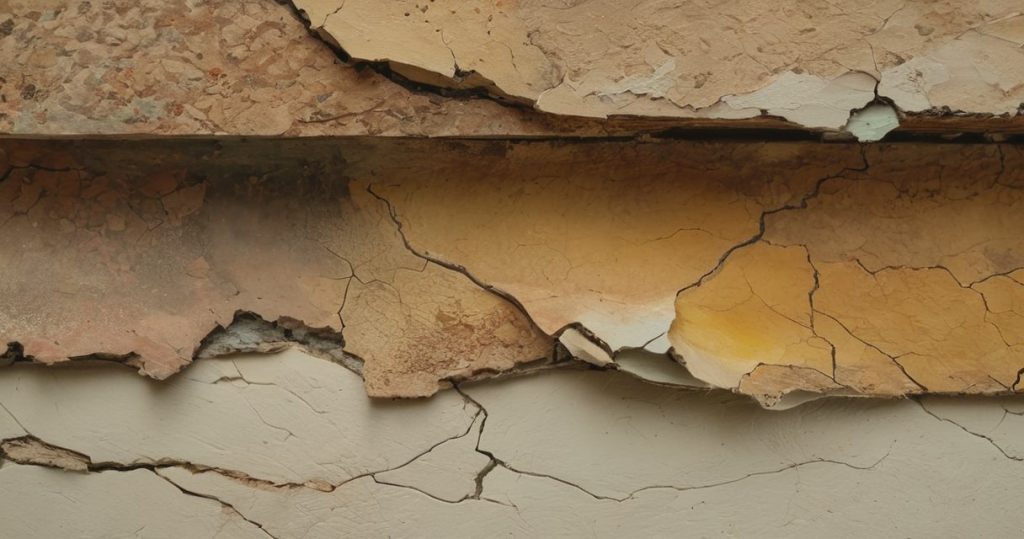
Despite their resilience, oil paints undergo natural aging processes that can affect their appearance. Over decades, the oil medium may yellow, and the paint layers might develop fine cracks known as craquelure. Understanding these changes is crucial for effective oil paint preservation strategies that maintain the integrity of the artwork across generations.
Proven methods to extend durability include meticulous varnishing techniques. By applying high-quality varnishes, artists can protect the surface from UV light, pollutants, and physical damage. Modern synthetic varnishes provide reversible protection, allowing future conservators to remove and reapply them without harming the underlying paint layers.
Additionally, controlling the environment where oil paintings are stored or displayed plays a vital role in their preservation. Avoiding direct sunlight, extreme temperatures, and high humidity helps prevent degradation. Regular professional assessments ensure that any signs of deterioration are addressed promptly, safeguarding the oil paint longevity for future generations.
In conclusion, the combination of traditional techniques and contemporary advancements in varnishing techniques and conservation practices ensures that oil paintings remain durable and vibrant. This commitment to oil paint preservation allows these artistic treasures to endure, showcasing the timeless beauty of oil painting durability.
Light Exposure Effects on Oil Paintings
Light exposure poses significant risks to oil paintings, primarily through light damage to oil paint caused by both UV and visible light. These elements accelerate fading and cracking by initiating chemical reactions within the pigments and binder. Ultraviolet radiation is especially harmful as it breaks down the molecular bonds, leading to discoloration and embrittlement of the paint film. Visible light, while less intense, contributes cumulatively to the fading of vibrant hues over extended periods of display.
Implementing UV protection for art is crucial for preservation. Protective glazing, such as UV-blocking glass or specialized acrylic sheets, effectively shields paintings from harmful rays without compromising the viewing experience. This approach not only prevents immediate damage but also slows the long-term degradation processes.
Additionally, adhering to museum lighting standards helps minimize exposure. These standards typically suggest maintaining illumination levels below 200 lux for oil paintings and utilizing filters to eliminate UV components. Such controlled environments are vital in galleries and homes alike.
For effective fading prevention, display strategies should include avoiding direct sunlight, rotating artworks periodically, and employing LED lighting with low UV emissions. Positioning pieces away from windows and using curtains or shades during peak hours further reduces risks. By combining these measures, collectors and institutions can significantly extend the lifespan of oil paintings, maintaining their original beauty and structural integrity for generations to come.
Watercolor Longevity and Challenges
Watercolor durability remains a primary concern for artists seeking to create lasting works. The watercolor painting lifespan often spans decades when proper materials and care are applied, yet several factors can accelerate deterioration if overlooked. Typical issues include fading colors and structural weakening, both of which directly impact how long a piece retains its original appearance and integrity.
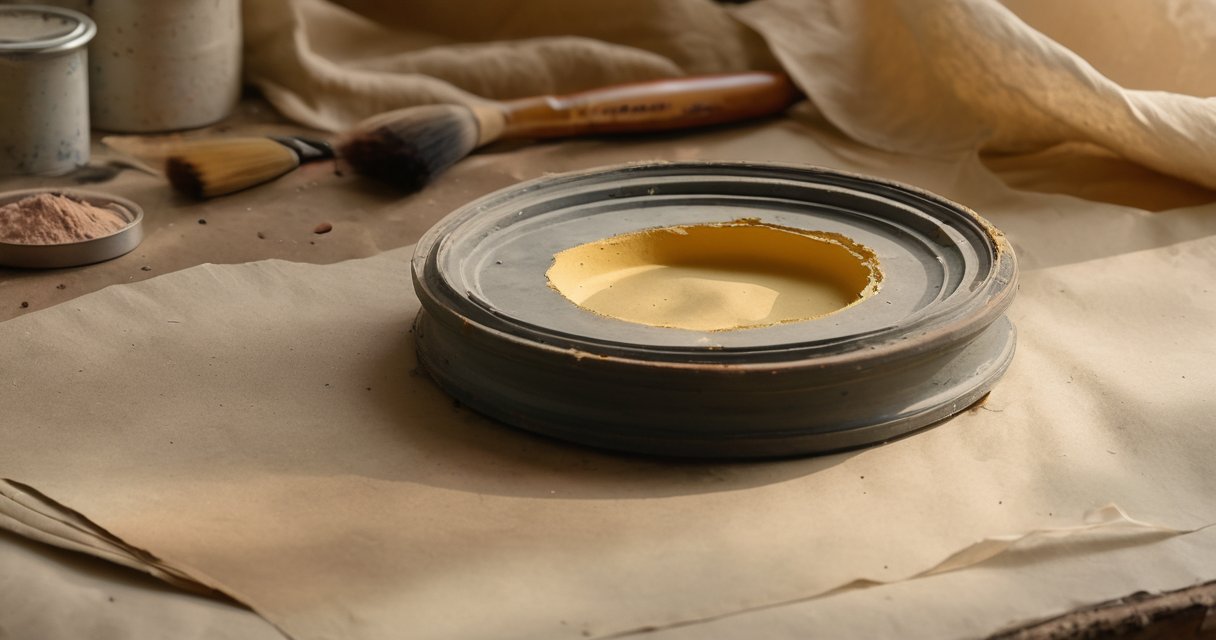
Paper degradation represents one of the most common threats to watercolor artworks. Lower-quality papers containing acids gradually yellow and become brittle, causing the surface to crack or flake over time. This process shortens the watercolor painting lifespan considerably, especially in humid environments where mold can also develop on the fibers.
Paper quality effects extend beyond initial creation to influence long-term outcomes. Archival, acid-free cotton papers resist breakdown far better than wood-pulp alternatives, allowing pigments to remain stable without bleeding or discoloration. Choosing superior substrates at the outset is essential for maximizing watercolor durability across generations.
Pigment stability further determines overall performance. Many traditional watercolor pigments react to prolonged light exposure, resulting in noticeable shifts in hue and intensity. Organic-based colors tend to fade faster than mineral ones, making lightfast ratings a vital consideration during selection to preserve visual fidelity.
Effective watercolor preservation begins with controlled storage conditions. Keep pieces away from direct sunlight, extreme temperature fluctuations, and high humidity levels that promote warping or foxing. Acid-free folders and boxes provide an additional barrier against dust and pollutants during long-term archiving.
Conservation techniques also involve framing with UV-protective glass and acid-free mats to shield against environmental damage. Regular professional assessments help detect early signs of degradation, enabling timely interventions that extend the watercolor painting lifespan. Implementing these strategies ensures artworks maintain both aesthetic value and structural soundness for many years.
Acrylic Paints Durability Compared to Others
Acrylic paints have established themselves as a leading choice among modern art materials, particularly when evaluating acrylic paint longevity. Their performance in acrylic vs oil durability is notable for the flexibility they provide. This characteristic allows acrylic films to remain intact even as supports expand or contract due to temperature and humidity variations. Oil paints, by comparison, often develop cracks because of their less forgiving nature once cured. Watercolor media present additional challenges, as they lack the robust film formation that protects against physical stress over decades.
When pitted against watercolor media, acrylics offer enhanced protection and permanence. Watercolors can be susceptible to light fading and water damage, whereas acrylics form a tough, water-resistant layer that safeguards the pigments. This makes them suitable for a wide range of display conditions without immediate concern for deterioration. Color retention in acrylics is exemplary, with formulations designed to resist yellowing and maintain brilliance over extended periods. Recent formulation improvements have introduced innovative additives that bolster resistance to environmental stressors, ensuring that artworks created with these paints retain their intended appearance for many years to come.
Artists can further optimize results by adhering to acrylic preservation tips. These include selecting archival quality supports, applying isolation coats before varnishing, and controlling the storage climate to prevent mold or warping. Such measures complement the inherent strengths of acrylics, promoting the creation of enduring pieces that collectors and museums value highly. The versatility of acrylics allows for various techniques that do not compromise their durability, from thick impasto applications to thin washes. This adaptability, combined with ongoing advancements, positions them favorably in discussions about the longevity of different art materials.
Best Practices for Art Preservation
Implementing effective art preservation tips begins with proper framing. Choose frames crafted from archival, acid-free materials and fit them with UV-protective glass to block harmful rays. This method is a cornerstone of conservation methods, helping in protecting art from damage and preserving colors and surfaces for years to come in various finished pieces.
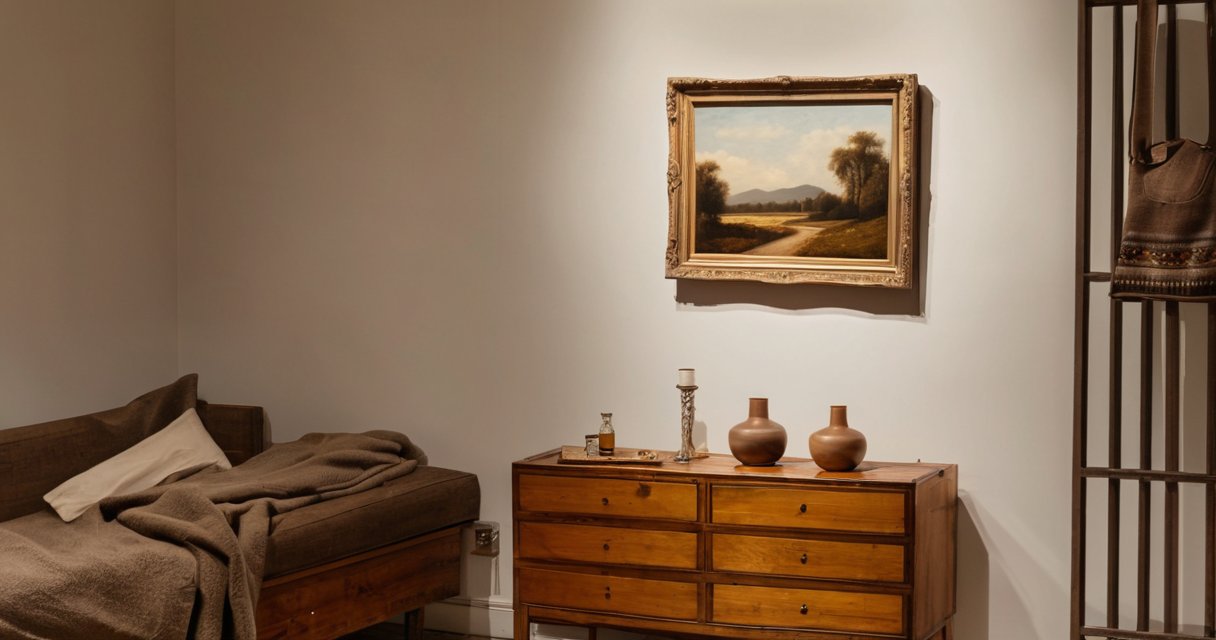
Climate control is vital for longevity. Maintain temperatures between 65 and 72 degrees Fahrenheit with humidity levels of 45 to 55 percent. This stable environment prevents expansion, contraction, and other issues in art materials such as canvas, wood, and paper. Place artworks away from direct sunlight, vents, and exterior walls.
For storing artworks, opt for acid-free portfolios and boxes in cool, dark, and dry locations. Avoid direct stacking by using dividers to prevent pressure and abrasion. These storage solutions are key art preservation tips that ensure pieces remain undamaged over time.
Handling artworks calls for caution. Wear cotton gloves to prevent oil transfer and always support the piece fully from below. Minimize unnecessary touching and movement to reduce the chance of scratches or dents, thereby protecting art from damage effectively.
Routine maintenance involves gentle cleaning and inspections. Use soft brushes for dusting and check regularly for signs of wear or infestation. Engage conservators for specialized care as needed. Following these practices will maximize the lifespan of your art collection using proven conservation methods.

I have spent years transforming my home into a personal gallery, constantly hunting for unique pieces that bring walls to life. There is nothing quite like the thrill of discovering an emerging artist online and finding the perfect artwork to complement a room. I am passionate about helping others navigate the world of digital art markets to find authentic pieces that truly resonate with their style.