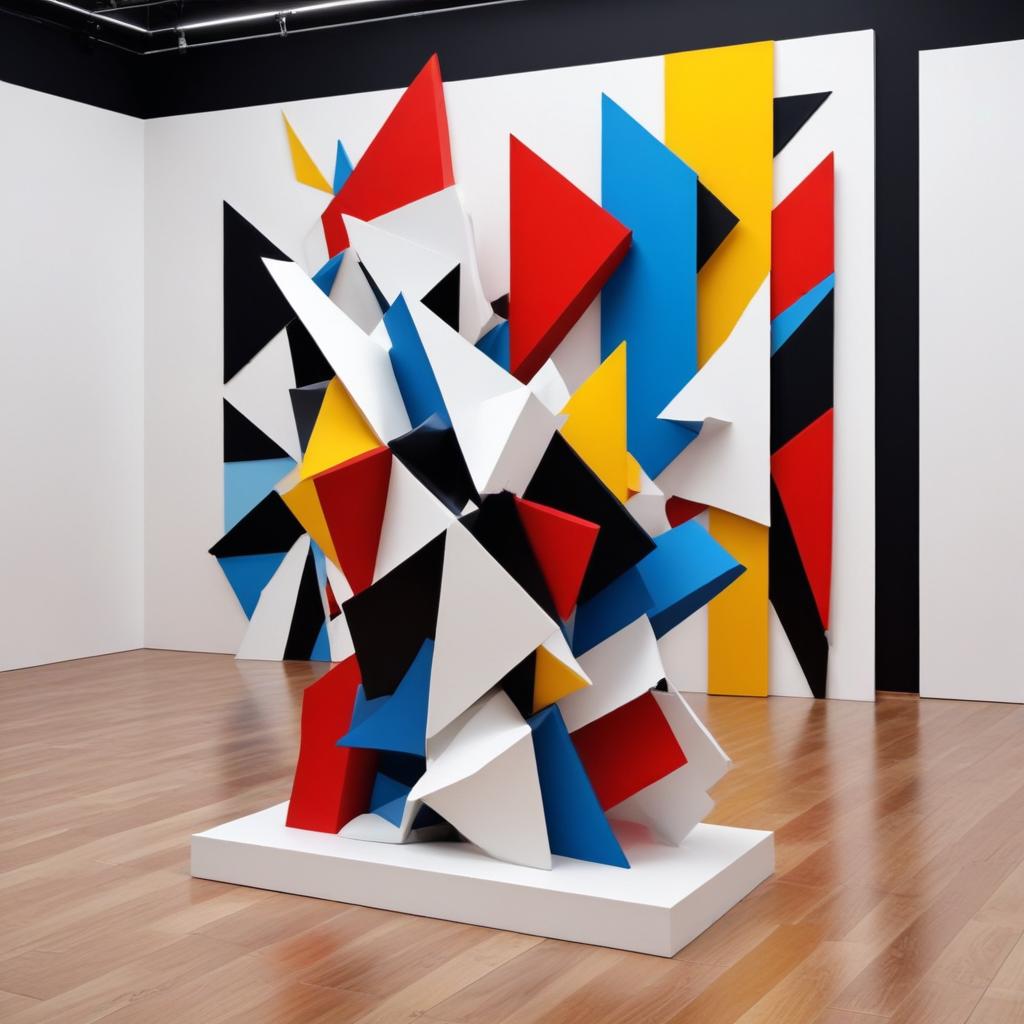
Overview of Modern Art
Modern art represents a profound shift in the landscape of art history, marking a departure from classical and traditional forms toward innovative expressions and new perspectives. Emerging roughly in the late 19th and early 20th centuries, modern art embodies the spirit of experimentation and the breaking of established conventions. This period in art history reflects the dynamic changes in society, technology, and philosophy, which influenced artists to explore new mediums, techniques, and ideas.
The significance of modern art lies in its challenge to the norms of aesthetic beauty and narrative representation that dominated earlier eras. Rather than merely depicting the external world, modern art focuses on the artist’s individual perception and emotional response. This led to the birth of numerous art movements, each with its unique approach and philosophy, including Impressionism, Cubism, Surrealism, and Abstract Expressionism. These movements collectively contributed to expanding the boundaries of artistic expression and redefining the role of art in society.
In understanding modern art, it is essential to consider its historical context. The industrial revolution, urbanization, and the upheavals brought by World Wars created an environment ripe for change and reflection. Artists responded to these shifts by rejecting classical realism and embracing abstraction, symbolism, and conceptual art. This period is marked by an intense dialogue between tradition and innovation, where artists questioned the very nature and purpose of art.
Overall, modern art offers an invaluable overview of the evolving nature of creativity and cultural expression. It serves as a vital chapter in art history that continues to influence contemporary art and shape our understanding of visual culture. Whether in museums or galleries, modern art stands as a testament to the transformative power of artistic vision and the continuous evolution of art movements.
Historical Background
The historical origins of modern art are deeply rooted in the dramatic shifts of the 19th century, a period marked by rapid social, political, and technological changes. This era witnessed the beginnings of art evolution from traditional representational forms towards more experimental and abstract expressions. Modernism emerged as a response to the strict conventions of classical art, reflecting the desire among artists to break free from established norms and to explore new perspectives.
Art history during this transformative period is characterized by the influence of movements such as Impressionism, Post-Impressionism, and early Expressionism, which collectively challenged the realism and academic styles that previously dominated. These movements emphasized subjective experience, innovative techniques, and a focus on modern life’s fleeting moments. The shift was not just stylistic but also ideological, as artists sought to capture the complexities of an increasingly industrialized and urbanized world.
Key time periods in the rise of modern art span from the mid-to-late 19th century into the early 20th century, marking a progressive evolution of ideas and practices. By questioning traditional boundaries, artists paved the way for diverse styles, including Cubism, Surrealism, and Abstract art. This foundational period in art history ultimately redefined what art could be, setting the stage for contemporary artistic experimentation and continuing dialogue about the nature and purpose of art itself.
Distinguishing Modern Art
Modern art traits set it apart from traditional or classical art styles through its emphasis on innovation, experimentation, and a break from historical conventions. Unlike the art characteristics of classical periods that often focused on realism and strict adherence to form and technique, modernism features a liberation from such constraints. Artists embraced new perspectives, abstract forms, and unconventional materials to express their ideas and emotions.
One of the key modern art traits is its focus on individual expression and subjective experience rather than objective representation. This change in approach results in art styles that challenge viewers to interpret meaning on their own terms. Additionally, modernism features an exploration of concepts such as time, space, and movement, which were less emphasized in traditional art. The art style often incorporates bold colors, distorted shapes, and fragmented compositions that reflect contemporary life and thought.
Another distinctive aspect of modern art traits lies in its rejection of the idea that art must be beautiful or decorative. Instead, modernism features works that provoke thought and elicit emotional responses, sometimes through discomfort or ambiguity. This departure from classical norms illustrates a broader cultural shift where art is seen as a mode of questioning and redefining reality itself.
Overall, modern art characteristics reveal a dynamic evolution in artistic practice, where innovation and critical engagement with tradition define the art style. This makes modern art distinctively vibrant and relevant to contemporary audiences.
Key Characteristics of Modern Art
Modern art is defined by a set of distinct modern art traits that break away from traditional artistic conventions. One of the primary characteristics of modern art is its emphasis on innovation and experimentation. Artists working in this style often explore new techniques, materials, and forms, aiming to challenge and redefine what art can be. This spirit of innovation is a defining feature that encapsulates the essence of modernism elements in various art pieces.
Another notable characteristic is the focus on abstraction and conceptual content rather than realistic representation. Modern art frequently moves away from depicting the visible world in a literal sense and instead highlights emotional, symbolic, or theoretical ideas. This pivot allows artists to express personal perspectives and societal critiques that are inherent in the broader characteristics of modern art.
The use of bold colors, unusual shapes, and fragmented forms is also a hallmark of modern art traits. These art features create dynamic compositions that provoke thought and invite viewers to interpret meaning through their own experiences. The visual language of modern art is often non-traditional, incorporating stylization and distortion to convey deeper significance beyond surface appearances.
Modern art traits also encompass a variety of movements such as Cubism, Surrealism, and Expressionism, each bringing unique stylistic approaches but united by the pursuit of new artistic possibilities. The emphasis on individual creativity and emotional expression reflects the core characteristics of modern art, where the artist’s vision and innovation take precedence over adherence to historical artistic norms.
Furthermore, modernism elements often include an interplay between form and meaning, creating works that engage the viewer intellectually and emotionally. The art features typical of modern art invite reflection on cultural, political, and existential themes, making modern art not only visually striking but also thought-provoking. This characteristic distinguishes modern art as an evolving dialogue between artist, artwork, and audience.
In summary, the key characteristics of modern art revolve around experimentation, abstraction, innovative techniques, and a deep engagement with contemporary issues. These modern art traits collectively contribute to a diverse and transformative art movement that continues to influence creativity and artistic expression worldwide.
Emphasis on Innovation and Experimentation
Modern art style is defined by its strong emphasis on innovation and experimentation. Artists within this movement continuously seek to break away from established traditional norms and explore new horizons in artistic expression. This drive leads them to develop and incorporate unique art techniques that challenge conventional methods, thereby expanding the possibilities of visual communication.
The focus on innovation allows modern artists to experiment with unconventional materials, forms, and processes, which often results in groundbreaking works that provoke thought and inspire fresh perspectives. Instead of adhering strictly to classical standards, these artists view art as a dynamic and evolving practice, constantly reshaped by creativity and new ideas.
Experimentation in the modern art style is not just about aesthetics; it involves questioning the very essence of art itself. By blending different media, styles, and cultural influences, modern artists create multifaceted pieces that defy easy categorization. This adventurous spirit is a core characteristic of modern art, pushing the boundaries of what art can be and how it can be experienced.
Ultimately, the commitment to innovation and experimentation enriches the art world with diversity and vitality, ensuring that modern art remains a vibrant and influential force that continuously challenges viewers and creators alike.
Abstract and Non-Representational Elements
Modern art forms often embrace the qualities of abstract art, moving away from traditional representational techniques. This shift allows artists to explore new dimensions of expression, focusing on shapes, colors, and forms rather than direct visual references to reality. The use of abstraction in modern art highlights the artist’s freedom to convey emotions and ideas in a purely non-representational manner, challenging the viewer to engage with the artwork on an intuitive level.
Art abstraction is a defining characteristic of many modern works, where the emphasis lies not on depicting recognizable subjects but on the interplay of visual elements that evoke a response. Non-representational art invites audiences to interpret the meaning through their personal experiences rather than relying on explicit imagery. This approach encourages a deeper connection between the observer and the creative process, making each interaction unique.
The departure from representational art also reflects a broader cultural movement within modern art forms that prioritize innovation and experimentation. Artists use abstract and non-representational techniques to break free from conventional boundaries, allowing for greater exploration of concepts such as movement, texture, and color theory. This evolution in artistic practice continues to inspire new generations, affirming the lasting impact of abstraction in the contemporary art world.
Focus on Subjectivity and Expression
Modern art is deeply rooted in the exploration of subjectivity and personal expression, marking a significant departure from the objective representation seen in earlier artistic movements. This emphasis on individual perspective allows artists to convey their unique experiences and emotional responses to the world around them. Expressionism, a key modern art movement, highlights this shift by prioritizing the emotional and psychological content of artworks over realistic depiction.
The essence of modern art lies in its embrace of emotional art, where feelings and moods take precedence, inviting viewers to engage in personal interpretation. Rather than adhering to universal standards of beauty or form, artists focus on communicating their inner truths, making each piece a reflection of personal reality. This approach encourages audiences to connect with artworks on a more intimate level, interpreting the meaning based on their own emotions and experiences.
By valuing subjectivity, modern art fosters a diverse spectrum of artistic voices and styles. It challenges traditional norms and celebrates the complexity of human emotion, making art a powerful medium for exploring identity, memory, and existential questions. Ultimately, the emphasis on expressionism and personal interpretation enriches the modern art landscape, offering profound insights into the human condition through the lens of individual emotional depth.
Influence and Legacy of Modern Art
Modern art has wielded a profound influence on the trajectory of contemporary art and culture across the globe. Its legacy is not confined to the boundaries of art galleries and museums but extends deeply into the fabric of society, shaping how art is created, perceived, and valued today. This dynamic impact can be observed through the diverse art movements and styles that have sprung from the foundations laid by modern artists, whose revolutionary approaches challenged traditional norms and opened new avenues for creative expression.
The modern art influence is evident in the way contemporary artists engage with form, color, and conceptual content. By breaking away from classical realism and embracing abstraction, surrealism, and other avant-garde practices, modern art set the stage for a more experimental and inclusive art world. This shift triggered a ripple effect, encouraging artists to explore personal identity, social issues, and global concerns through innovative media and techniques. As a result, the legacy of modern art is not merely historical but actively shapes contemporary practices and dialogues.
Art movements emerging in the wake of modernism, such as postmodernism, minimalism, and conceptual art, testify to the enduring effects of modern art’s pioneering spirit. These movements reflect a continuous dialogue with the past, often revisiting and reinterpreting modernist themes to address current cultural and political contexts. This dialogue enriches contemporary art, creating a layered and multifaceted cultural landscape where tradition and innovation coexist and inspire one another.
Moreover, modern art’s global reach has contributed to a more interconnected art world, where ideas and styles transcend geographical boundaries. The influence of modern art on contemporary culture is visible in design, fashion, architecture, and popular media, underscoring its pervasive role beyond fine arts. This broad cultural permeation highlights the art legacy as a living, evolving force that continues to shape and reflect societal values and human experience.
In conclusion, the influence and legacy of modern art remain vital to understanding contemporary art and culture worldwide. By challenging conventions and fostering innovation, modern art has paved the way for diverse artistic expressions that continue to inspire and provoke thought. Its ongoing impact underscores the importance of art movements in shaping not only the aesthetics but also the cultural and intellectual currents of our time.
Impact on Contemporary Art Movements
Modern art has had a profound impact on contemporary art, fundamentally shaping its evolution and inspiring new art movements. This era introduced revolutionary ideas and techniques that broke away from traditional methods, encouraging artists to experiment with form, color, and materials. As a result, contemporary art has embraced a diverse range of styles that challenge conventional boundaries and explore complex themes.
The modern art impact is visible in the way contemporary artists approach their work with a focus on individuality and expression, building on the foundations laid by predecessors in the early to mid-20th century. Movements such as Abstract Expressionism, Cubism, and Surrealism have paved the way for postmodern art styles that emphasize ambiguity, irony, and conceptual ideas rather than purely aesthetic concerns.
Art evolution continues as contemporary creatives draw inspiration from modern art’s embrace of innovation, using new technologies and interdisciplinary approaches. This has led to the emergence of new art movements that reflect today’s cultural, social, and political complexities, highlighting the ongoing dialogue between past and present artistic practices.
Cultural and Social Significance
Modern art holds a profound cultural impact as it mirrors the complexities of contemporary life and social realities. By engaging with current issues, modern art creates a dialogue that connects viewers to broader cultural narratives and challenges conventional perspectives. The social relevance of modern art is evident in its ability to address themes like identity, politics, inequality, and environmental concerns, making it a powerful tool for reflection and change.
Art and society are intricately linked, with modern art often serving as a response to societal transformations and upheavals. Artists use their work to critique established norms and highlight marginalized voices, thereby fostering greater awareness and empathy. This dynamic relationship underscores how modern art is not just a visual experience but also a catalyst for cultural discourse and activism.
Modern art themes encompass a wide range of social and cultural issues, from globalism and technology to social justice and personal freedom. Its ability to encapsulate these diverse themes reflects its adaptability and relevance to the evolving cultural landscape. Ultimately, the cultural and social significance of modern art lies in its capacity to inspire change, provoke thought, and reflect the spirit of the times in which it is created.

I have spent years transforming my home into a personal gallery, constantly hunting for unique pieces that bring walls to life. There is nothing quite like the thrill of discovering an emerging artist online and finding the perfect artwork to complement a room. I am passionate about helping others navigate the world of digital art markets to find authentic pieces that truly resonate with their style.