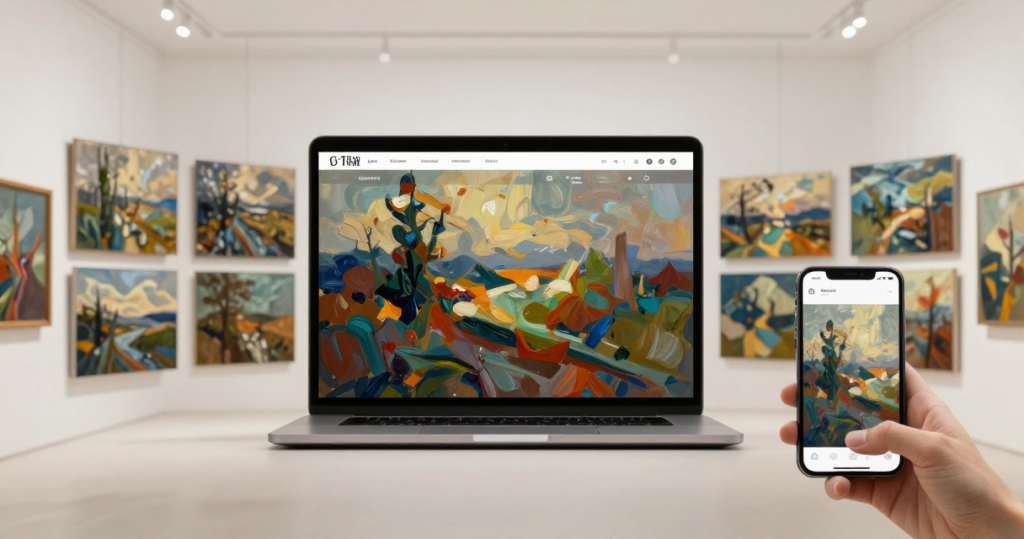
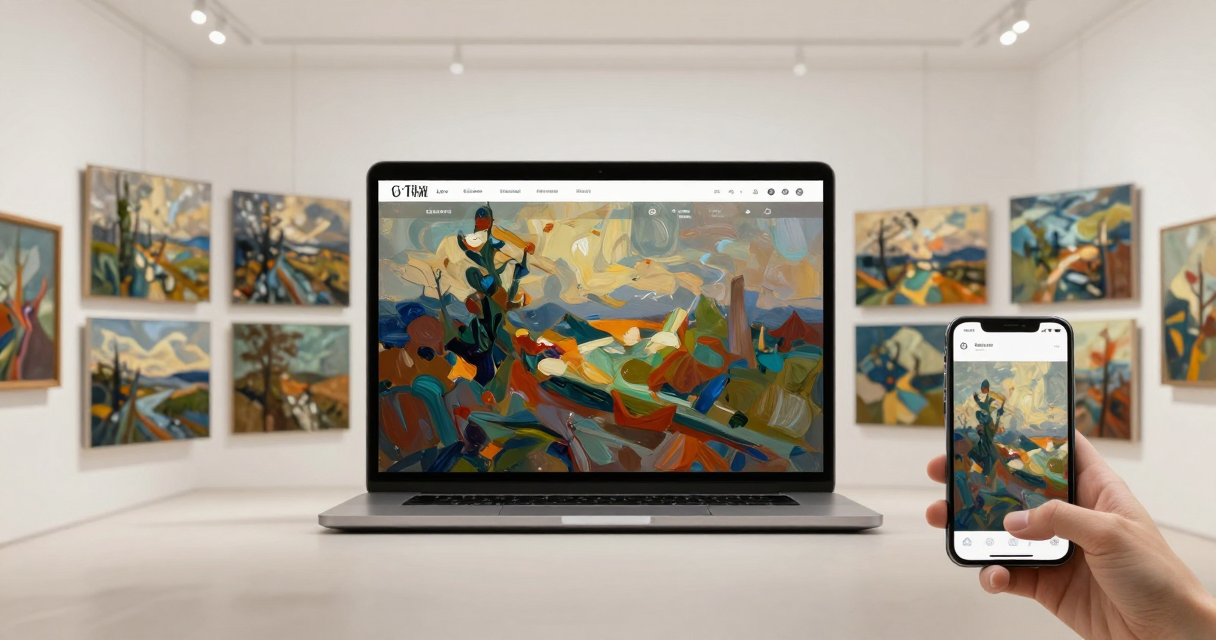
The internet has turned the once‑exclusive world of fine paintings into a space anyone with a computer or smartphone can explore. By removing geographic barriers, an online gallery can showcase works from a Moscow atelier alongside a New York studio without the cost of shipping physical pieces to a central hall. This shift has created a continuous flow of new images, artist statements, and price information that reaches collectors, interior designers, and casual admirers alike. For a shop that sells original canvases, the digital arena becomes both showroom and marketplace, allowing a visitor in Tokyo to view a Russian landscape the same way a patron in Berlin experiences a contemporary abstract. Digital platforms introduce a wider audience to Mixed media art, fostering greater inclusivity in the visual arts community.
Digital Showrooms Replace Brick‑and‑Mortar Walls
Online painting stores present their collections on responsive websites that adapt to any device, from widescreen monitors to pocket‑size phones. High‑resolution photography captures brushwork, texture, and color fidelity, giving viewers a sense of depth that rivals a physical viewing room. Because the platform is always open, a potential buyer can browse late at night or during a lunch break, something impossible with traditional galleries that operate on set hours. The ability to filter by style, size, price range, or artist biography turns the browsing experience into a personalized tour, guiding each user toward works that match their taste and budget. The ability to closely inspect artworks online transforms how viewers appreciate Realism in painting, making subtle techniques more accessible.
Beyond static images, many sites integrate video walkthroughs where curators discuss the inspiration behind a piece or demonstrate how a canvas looks under different lighting conditions. Such multimedia content adds context that a simple label cannot convey, helping shoppers form an emotional connection before making a purchase. By embedding these narratives directly on the product page, the online shop reduces the need for a separate exhibition catalogue, streamlining the decision‑making process while preserving the educational value of a museum guide.
Search Tools and Curated Collections Guide the Eye
Tagging systems and keyword metadata allow a visitor to type “Impressionist seascape” and instantly retrieve dozens of relevant works from multiple artists. Algorithms that learn from browsing behavior suggest complementary pieces, such as a modern abstract that shares a dominant hue with a selected landscape. This kind of guided discovery mirrors the role of a knowledgeable gallery assistant, but it operates at scale and without waiting in line. For collectors who know exactly what they want, advanced filters let them narrow results by canvas dimensions, frame type, or even the year the painting was completed.
Curated collections, often assembled by in‑house experts or guest curators, present themed groupings like “Urban Minimalism” or “Nature in Oil.” These mini‑exhibitions provide a narrative thread that helps shoppers understand how individual works relate to broader artistic movements. By highlighting emerging talent alongside established names, the online shop encourages cross‑generational appreciation and supports artists who might otherwise remain hidden in regional studios.
Interactive Viewing Technologies Bring Paintings to Life
Zoomable image viewers allow collectors to examine the intricate details of Large format paintings, revealing brushwork and pigment variations with precision. Some platforms incorporate 360‑degree room simulations where a painting can be placed on a virtual wall, allowing the buyer to assess scale and ambience before committing to a purchase. Augmented‑reality apps take this a step further, projecting a high‑definition replica of the canvas onto the user’s actual living space through a smartphone camera. This hands‑on approach removes the guesswork of how a work will integrate with existing décor.
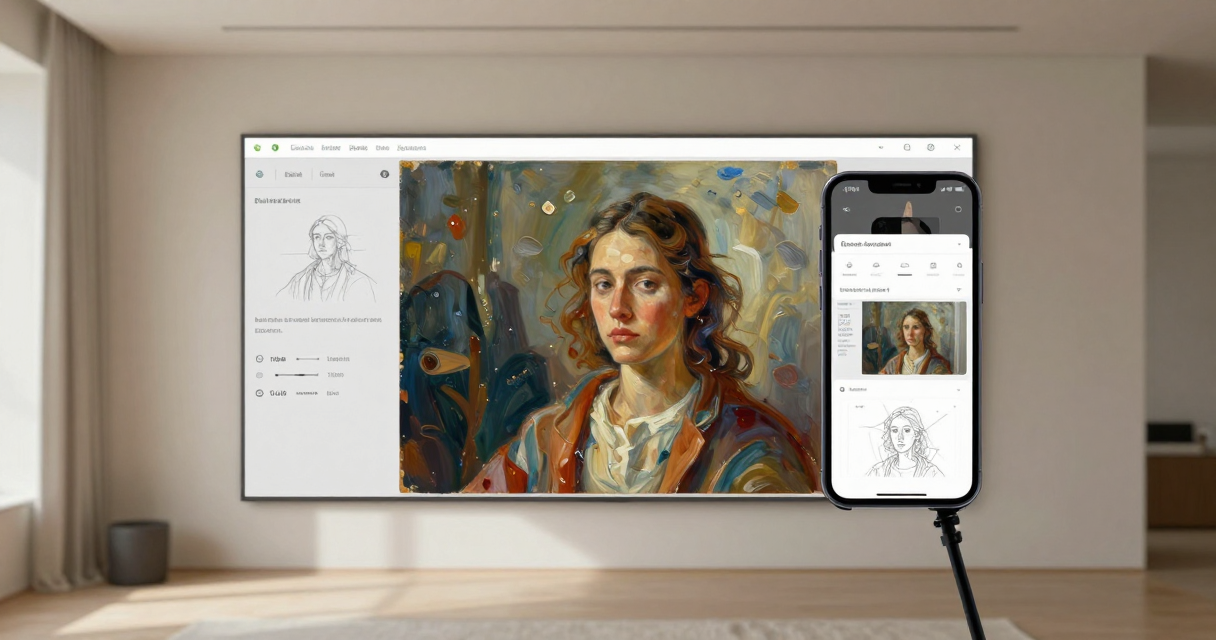
These interactive tools also serve educational purposes; a click‑through timeline may reveal the evolution of a series, showing early sketches alongside the finished piece. By embedding these features directly into the product page, the online shop transforms a simple transaction into an immersive learning experience, fostering a deeper appreciation for the craft behind each brushstroke.
Community Platforms Extend the Conversation
Social media feeds embedded on the shop’s site showcase real‑time reactions from owners who have already hung the paintings in their homes. Comment sections allow prospective buyers to ask questions about framing options, shipping logistics, or the artist’s inspiration, receiving answers from both the seller and fellow enthusiasts. Live webinars where artists discuss their creative process and projects provide a unique way for audiences to engage, showcasing how artists present work online in a dynamic format.
Forums dedicated to art collection strategies enable members to share advice on preservation, lighting, and insurance, turning the commercial platform into a hub for ongoing dialogue. This community aspect not only builds brand loyalty but also educates newcomers about the responsibilities of owning original artwork, reinforcing the value of purchasing through a reputable online source.
Transparency in Pricing and Provenance Strengthens Trust
Online galleries can display price histories, comparable sales, and detailed provenance records alongside each listing, giving buyers a clear picture of a work’s market position. Interactive charts that track an artist’s market value over time demonstrate how Retail Price Affects Art Sales, guiding collectors in their investment choices. Because the data is visible to all visitors, price manipulation becomes difficult, fostering a more equitable marketplace.
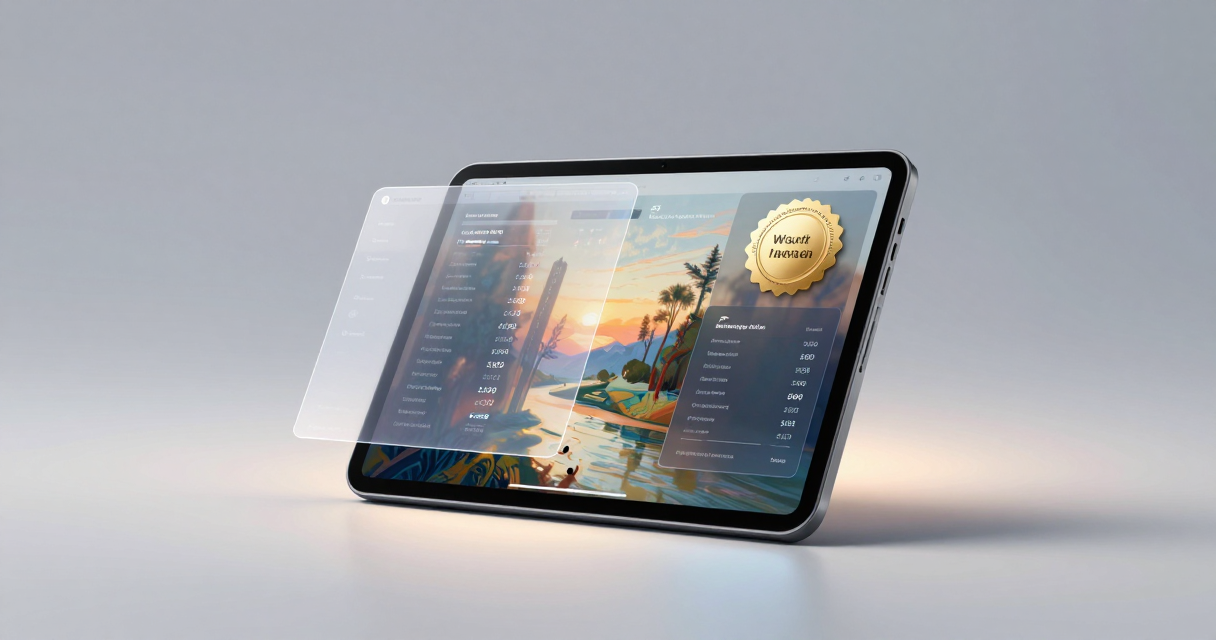
Secure payment gateways and tracked shipping options further reduce the risk associated with high‑value transactions. Many platforms also partner with third‑party authentication services that verify signatures and materials, providing certificates of authenticity that can be downloaded instantly. This combination of openness and verification reassures buyers that their purchase is both genuine and fairly priced.
Emerging Challenges and Future Directions
While the internet expands access, it also introduces new distractions that can dilute the contemplative experience of viewing a painting. Notifications, pop‑ups, and endless scrolling compete for attention, prompting some shoppers to seek quieter, ad‑free environments for serious appreciation. Additionally, the rise of digital reproductions and NFTs raises questions about the unique value of a physical canvas when a perfect copy can be displayed on any screen.
To address these issues, many online shops are experimenting with virtual‑reality galleries that replicate the silence and spatial awareness of a physical museum. By requiring a headset or a dedicated browser mode, these experiences limit external interruptions and focus the viewer on the artwork itself. As bandwidth improves and 3‑D scanning becomes more affordable, the line between digital and tactile interaction will continue to blur, offering new possibilities for how people discover, purchase, and cherish paintings.

I have spent years transforming my home into a personal gallery, constantly hunting for unique pieces that bring walls to life. There is nothing quite like the thrill of discovering an emerging artist online and finding the perfect artwork to complement a room. I am passionate about helping others navigate the world of digital art markets to find authentic pieces that truly resonate with their style.