

Understanding the Global Impact of Digital Art Galleries
The rise of digital art galleries has revolutionized the way art is accessed, appreciated, and purchased globally. Unlike traditional galleries, digital platforms break geographical barriers, allowing artists and collectors from various corners of the world to connect effortlessly. This paradigm shift has not only democratized art but also expanded the market reach for artists, enabling them to showcase their work to a more diverse audience. As the digital art scene continues to evolve, understanding the global reach of these galleries is essential for both artists and collectors seeking to navigate this dynamic environment.
Criteria for Selecting Digital Art Galleries
Choosing the right digital art gallery involves several key criteria. First, consider the platform’s audience reach. A gallery with a larger, more diverse audience increases the chances of exposure and sales for artists. Next, evaluate the gallery’s reputation and credibility within the art community. Established platforms often have a history of successful sales and satisfied artists. Additionally, the user experience should not be overlooked; a well-designed, easy-to-navigate website enhances the shopping experience for potential buyers. Lastly, consider the gallery’s marketing strategies and how they promote their artists, as effective marketing is crucial for visibility in the crowded digital space.
Top Digital Art Galleries to Explore
Several digital art galleries stand out for their unique offerings and approaches to showcasing art. One notable platform is Saatchi Art, which boasts a vast collection of original artwork and prints from artists worldwide. Saatchi Art’s user-friendly interface and personalized recommendations make it easy for collectors to discover new pieces. Another noteworthy option is Artsy, which partners with galleries and museums to provide a comprehensive platform for buying and selling art. Artsy’s extensive database and focus on high-quality art make it a favorite among serious collectors. Additionally, platforms like Artfinder focus on connecting buyers directly with independent artists, fostering a more personal connection between creators and their audience.
Specialized Digital Art Platforms
For those interested in niche art forms, specialized digital platforms can provide tailored experiences. For instance, SuperRare focuses exclusively on high-quality, limited edition digital art, often leveraging blockchain technology to ensure authenticity and provenance. This platform is particularly appealing for collectors interested in the growing field of NFTs (non-fungible tokens). Similarly, Foundation is another platform that emphasizes community-driven art sales, allowing artists to invite collectors to join and support their work. These specialized platforms cater to specific tastes and trends, making them ideal for collectors looking for unique and innovative pieces.

International Reach of Digital Galleries
The international reach of digital galleries is significant, as artists from various cultural backgrounds can showcase their work to a global audience. Platforms like Etsy allow artists from different countries to sell their work directly to consumers, fostering cross-cultural exchanges and collaborations. Additionally, galleries like DeviantArt focus on community engagement, enabling artists to share their work and connect with fans and fellow creators worldwide. This international exposure not only enriches the art community but also encourages a more diverse range of artistic expressions, reflecting the unique perspectives of artists from different regions.
How to Choose the Right Gallery for Your Needs
Selecting the right digital art gallery depends on individual needs and goals. For emerging artists, platforms that offer strong community engagement, like DeviantArt or ArtStation, can provide valuable feedback and networking opportunities. On the other hand, established artists seeking broader exposure may benefit from larger platforms like Saatchi Art or Artsy, which have extensive marketing resources and a vast audience. Collectors should consider what type of artwork they are interested in, as some galleries specialize in contemporary art while others may focus on traditional styles or specific mediums. Ultimately, aligning personal goals with the gallery’s strengths is key to a successful partnership.
The Role of Technology in Expanding Art Access
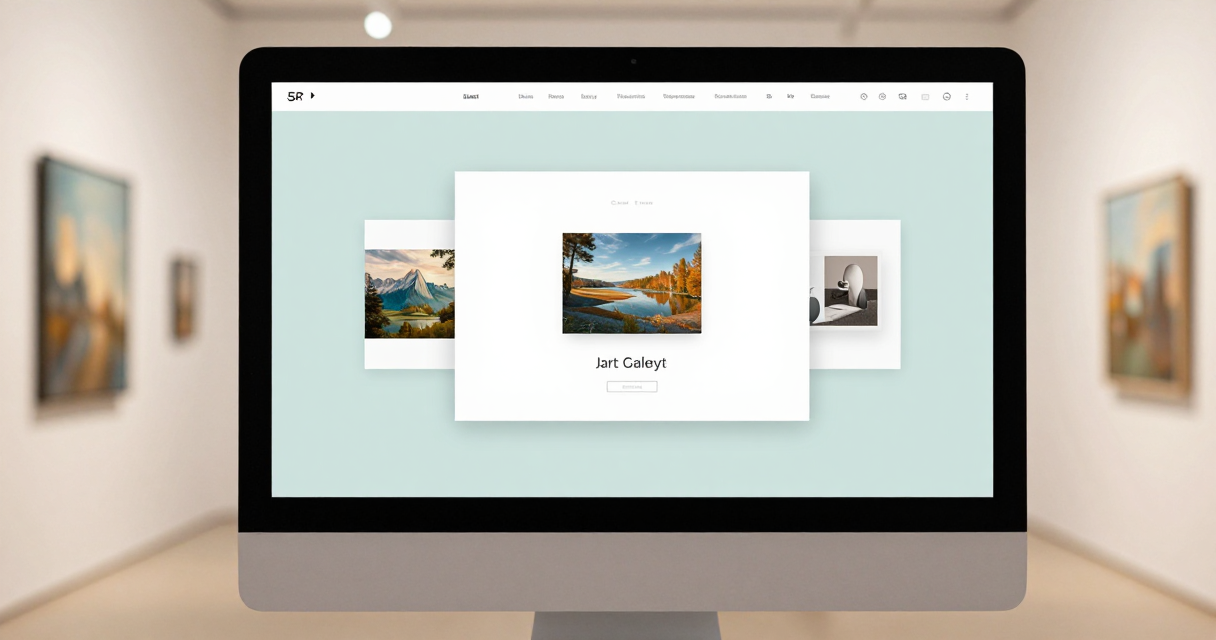
Technology plays a crucial role in the expansion of digital art galleries. Innovations such as virtual reality (VR) and augmented reality (AR) are transforming how art is experienced online. For instance, some galleries are using VR to create immersive exhibitions, allowing viewers to explore artworks in a simulated environment. This technology not only enhances the viewing experience but also makes it accessible to those who may not be able to visit physical galleries. Moreover, advancements in e-commerce technology have streamlined the purchasing process, making it easier for collectors to buy art with just a few clicks. As technology continues to evolve, the potential for digital art galleries to reach new audiences will only grow.
Future Trends in Digital Art Galleries
Looking ahead, several trends are likely to shape the future of digital art galleries. The increasing popularity of NFTs suggests that galleries will continue to explore ways to integrate blockchain technology into their offerings, providing collectors with secure and verifiable ownership of digital pieces. Additionally, the rise of social media platforms as marketing tools for artists indicates that galleries will need to adapt their strategies to leverage these channels effectively. As more people become comfortable with online art buying, we can expect digital galleries to enhance their user experiences, perhaps by incorporating more personalized recommendations and interactive features. These trends point to a vibrant future for digital art, where accessibility and innovation remain at the forefront.

I have spent years transforming my home into a personal gallery, constantly hunting for unique pieces that bring walls to life. There is nothing quite like the thrill of discovering an emerging artist online and finding the perfect artwork to complement a room. I am passionate about helping others navigate the world of digital art markets to find authentic pieces that truly resonate with their style.