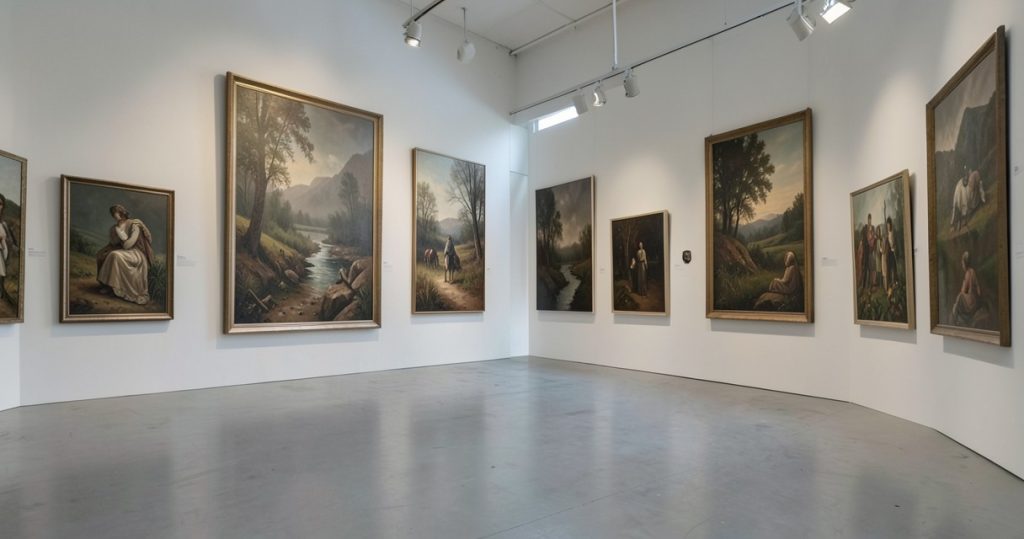
Curating an art collection conceptually involves more than just acquiring aesthetically pleasing pieces; it requires a thoughtful approach that aligns with personal values, themes, and narratives. For those navigating the world of art, especially in the context of an online art gallery like OAC Gallery, understanding how to curate a collection conceptually can enhance both the enjoyment and the investment in art. This article explores various dimensions of conceptual curation, comparing different approaches to help you create a meaningful art collection.
Theme vs. Aesthetic
The first dimension to consider is the balance between theme and aesthetic when curating an art collection. A thematic collection revolves around a central idea or message, such as social justice, identity, or nature. For example, a collection focused on environmental issues might feature works that highlight climate change or conservation efforts. In contrast, an aesthetic-based collection prioritizes the visual appeal of the artworks, often leading to a more eclectic mix. While both approaches can be rewarding, a theme-driven collection can create a more cohesive narrative that resonates deeply with viewers, making it particularly effective for online galleries that want to engage audiences on multiple levels.
When selecting artworks for a thematic collection, consider how each piece contributes to the overarching message. For instance, if your theme is ‘urban life,’ you might include works that depict cityscapes, street art, or portraits of diverse city dwellers. Each piece should not only stand out on its own but also enhance the collective story you’re telling. Conversely, if you lean towards an aesthetic approach, you might curate based on color palettes or styles, creating a visually harmonious display that appeals to the eye.
Medium vs. Message
Another crucial comparison in conceptual curation is the choice between medium and message. Selecting artworks based on their medium, such as painting, sculpture, photography, or digital art, can lead to a diverse collection that showcases various artistic techniques. This approach allows collectors to appreciate the different ways artists express their ideas. For instance, a collection featuring both traditional oil paintings and contemporary digital pieces can highlight the evolution of artistic expression over time.
On the other hand, prioritizing message over medium focuses on the ideas and narratives conveyed through art. This approach can lead to a more intellectually stimulating collection, encouraging viewers to engage with the themes presented. If you choose to curate based on message, consider how each medium can effectively communicate your chosen ideas. For example, a powerful message about resilience might be best expressed through a striking photograph capturing human emotion, rather than a more abstract painting. Understanding how medium and message interact can help you create a collection that resonates with both the heart and the mind.
Historical Context vs. Contemporary Relevance
Curators also face the decision of whether to focus on historical context or contemporary relevance. A collection steeped in historical context may include works from specific art movements or periods, providing insight into the evolution of artistic styles and societal influences. For example, a collection highlighting Impressionism can educate viewers about the socio-political climate of the late 19th century and its impact on artists like Monet and Renoir.

In contrast, prioritizing contemporary relevance means selecting works that address current issues, trends, and cultural dialogues. A collection that features contemporary artists may engage with themes such as globalization, digital identity, or climate change. This approach can make the collection feel more immediate and relatable to today’s audiences. For an online gallery, showcasing contemporary works can draw in a younger demographic that seeks art reflecting their lived experiences. Ultimately, the choice between historical context and contemporary relevance will shape the narrative and impact of your collection.
Local Artists vs. Global Perspectives
The decision to feature local artists versus global perspectives is another important dimension in conceptual curation. Supporting local artists not only helps cultivate the regional art scene but also fosters a sense of community and connection. A collection that highlights local talent can reflect the unique cultural identity and stories of the area, making it particularly meaningful for viewers who share that environment.
On the other hand, incorporating global perspectives can enrich a collection with diverse viewpoints and artistic practices. By featuring artists from various cultural backgrounds, you can create a dialogue that transcends geographical boundaries. This approach allows collectors to explore universal themes through the lens of different cultures, which can be especially compelling in an online gallery setting. Balancing local and global artists can create a dynamic collection that celebrates both community and diversity, appealing to a wide audience.
Personal Affinity vs. Market Trends
When curating an art collection, collectors often grapple with the tension between personal affinity and market trends. Curating based on personal affinity means selecting artworks that resonate with your tastes, experiences, and emotions. This approach often leads to a more authentic collection that reflects your identity as a collector. For example, if you have a passion for abstract expressionism, focusing on that style will likely yield a more fulfilling collection.
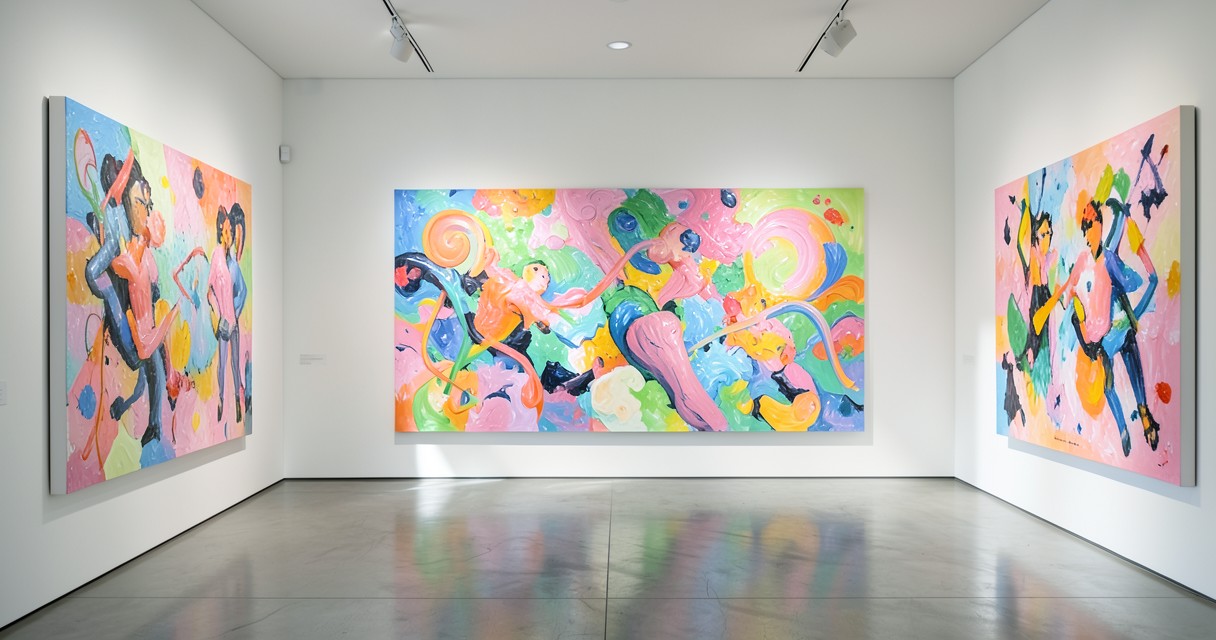
Conversely, aligning your collection with market trends can be a strategic decision, especially for those considering art as an investment. Understanding current trends can help you acquire pieces that may appreciate in value over time. However, this approach runs the risk of creating a collection that feels impersonal or disconnected from your true preferences. Striking a balance between personal affinity and market trends can lead to a collection that not only satisfies your aesthetic desires but also holds potential for future value.
Emotional Impact vs. Intellectual Engagement
The final dimension to consider is the emotional impact versus intellectual engagement of the artworks in your collection. Art that evokes strong emotions, such as joy, sadness, or nostalgia, can create a powerful connection between the viewer and the piece. For instance, a poignant portrait that captures a moment of vulnerability can resonate deeply, leaving a lasting impression on the viewer. Curating with emotional impact in mind can create a collection that feels alive and engaging.
On the other hand, works that stimulate intellectual engagement often provoke thought and discussion. These pieces may challenge societal norms or present complex ideas that invite viewers to ponder deeper meanings. A collection that emphasizes intellectual engagement might include conceptual art or pieces that utilize symbolism and metaphor. Balancing emotional and intellectual elements can create a rich and multifaceted collection that appeals to a wide range of viewers, encouraging both heartfelt reactions and thoughtful discussions.

I have spent years transforming my home into a personal gallery, constantly hunting for unique pieces that bring walls to life. There is nothing quite like the thrill of discovering an emerging artist online and finding the perfect artwork to complement a room. I am passionate about helping others navigate the world of digital art markets to find authentic pieces that truly resonate with their style.