Urban themes dominate contemporary art because they capture the pulse of modern life, from neon‑lit streets to the quiet moments of solitary commuters. For buyers who browse an online gallery, recognizing the layers of meaning behind a cityscape can transform a decorative piece into a cultural investment. This guide walks you through the essential steps to select, evaluate, and acquire urban‑focused artworks that will resonate in a living room, office, or boutique space while aligning with the aesthetic standards of a curated online collection.
Step 1, Understand the Core Elements of Urban Imagery
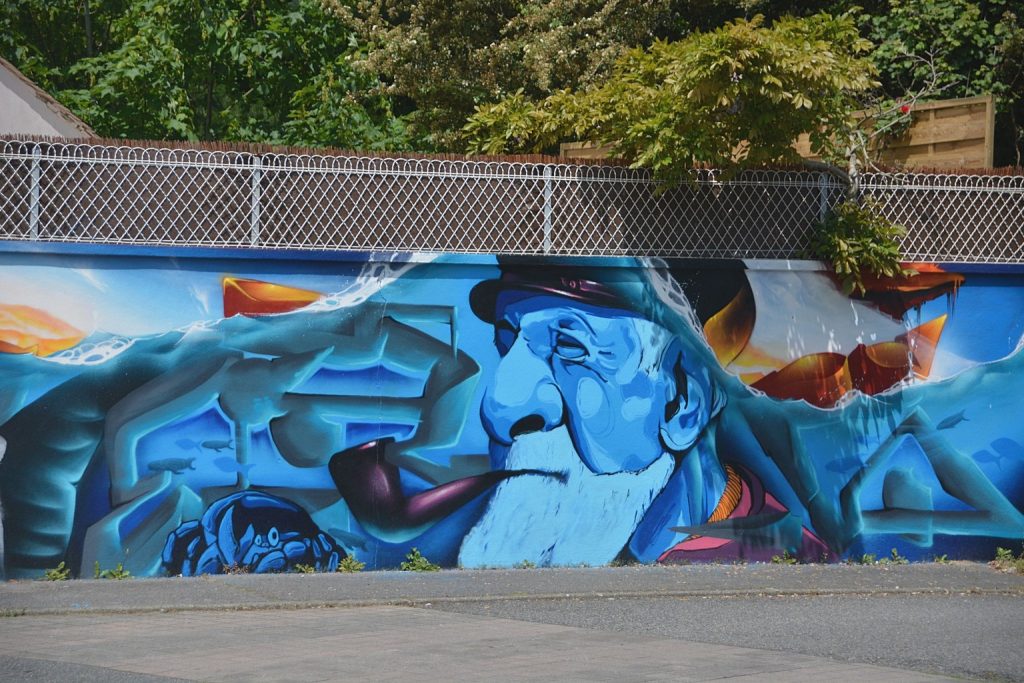
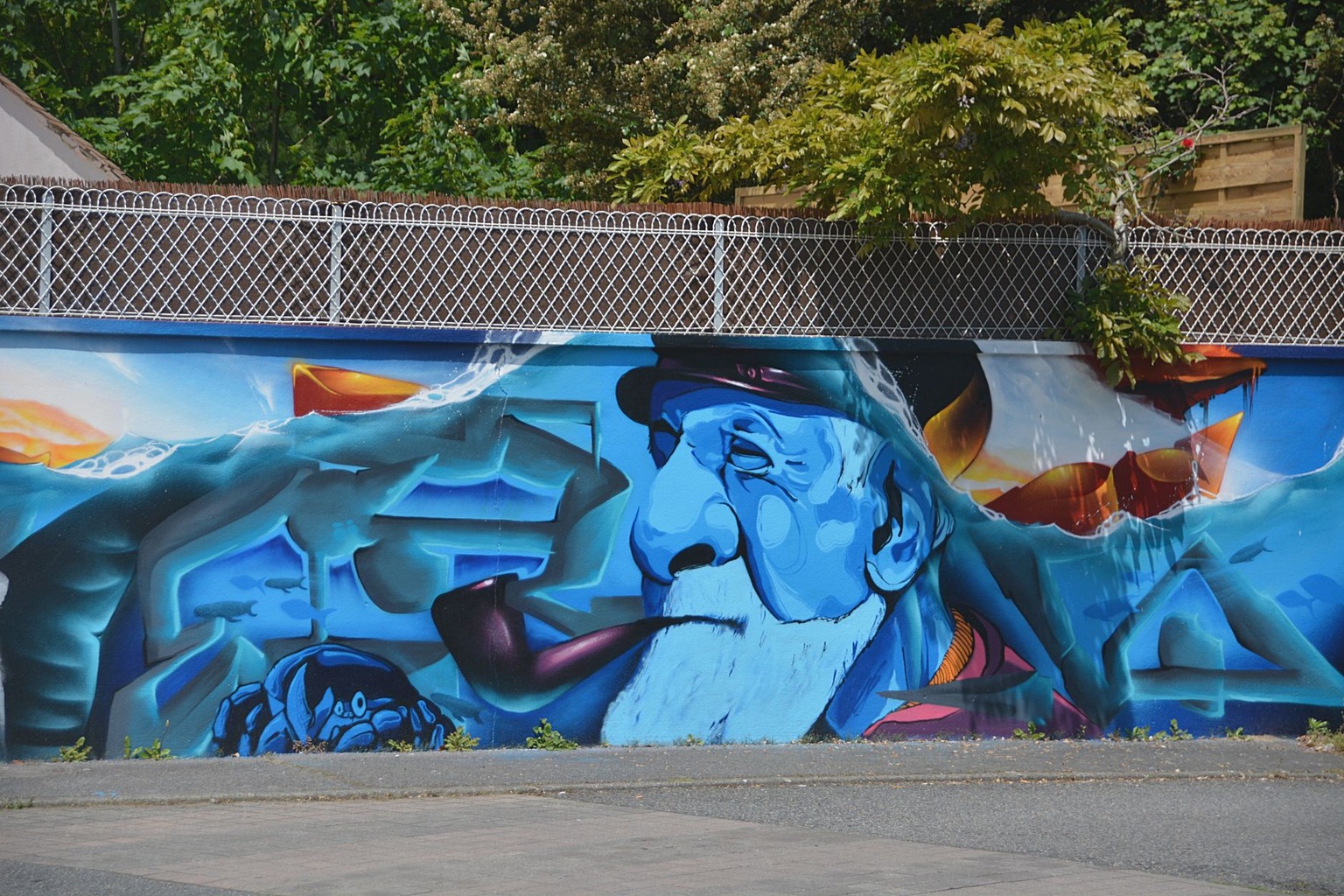
Before adding a city‑inspired painting to your cart, identify the visual vocabulary that defines the genre. Common motifs include towering skyscrapers, bustling sidewalks, graffiti‑covered walls, and the interplay of artificial light with dusk shadows. Artists often use these symbols to comment on isolation, economic disparity, or the relentless motion of metropolitan life. Recognizing whether a work emphasizes stark geometry or soft, atmospheric tones helps you match it to the mood you wish to create in a room.
Beyond composition, consider the narrative intent. Edward Hopper’s mid‑20th‑century scenes, for example, portray solitary figures framed by stark architecture, highlighting the loneliness that can accompany urban density. Modern creators may invert that sentiment, celebrating community through vibrant street festivals or crowded markets. Pinpointing the emotional thread allows you to select pieces that either contrast with or amplify the existing ambience of your space.
Step 2, Research Current Urban Exhibitions and Leading Artists
Online galleries often feature works that have already proven their relevance on the international stage. Major events such as the Bangkok Art Biennale showcase large‑scale installations that reinterpret city life through immersive media, while the Bukhara Contemporary Art Biennial brings together artists who juxtapose historic urban forms with futuristic concepts. Browsing the exhibition catalogs of these shows reveals emerging talent whose city‑centric pieces are gaining critical attention.
In addition to biennials, keep an eye on specialized shows like “Echoes over the Hudson” presented by ACC Gallery, which highlighted waterfront industrial landscapes and the lingering echo of labor histories. Artists featured in such programs tend to have robust documentation and gallery representation, making provenance easier to verify. When you encounter a work linked to a reputable exhibition, you gain confidence that the piece meets professional standards and holds market relevance.
Step 3, Analyze the Technical Qualities and Materials
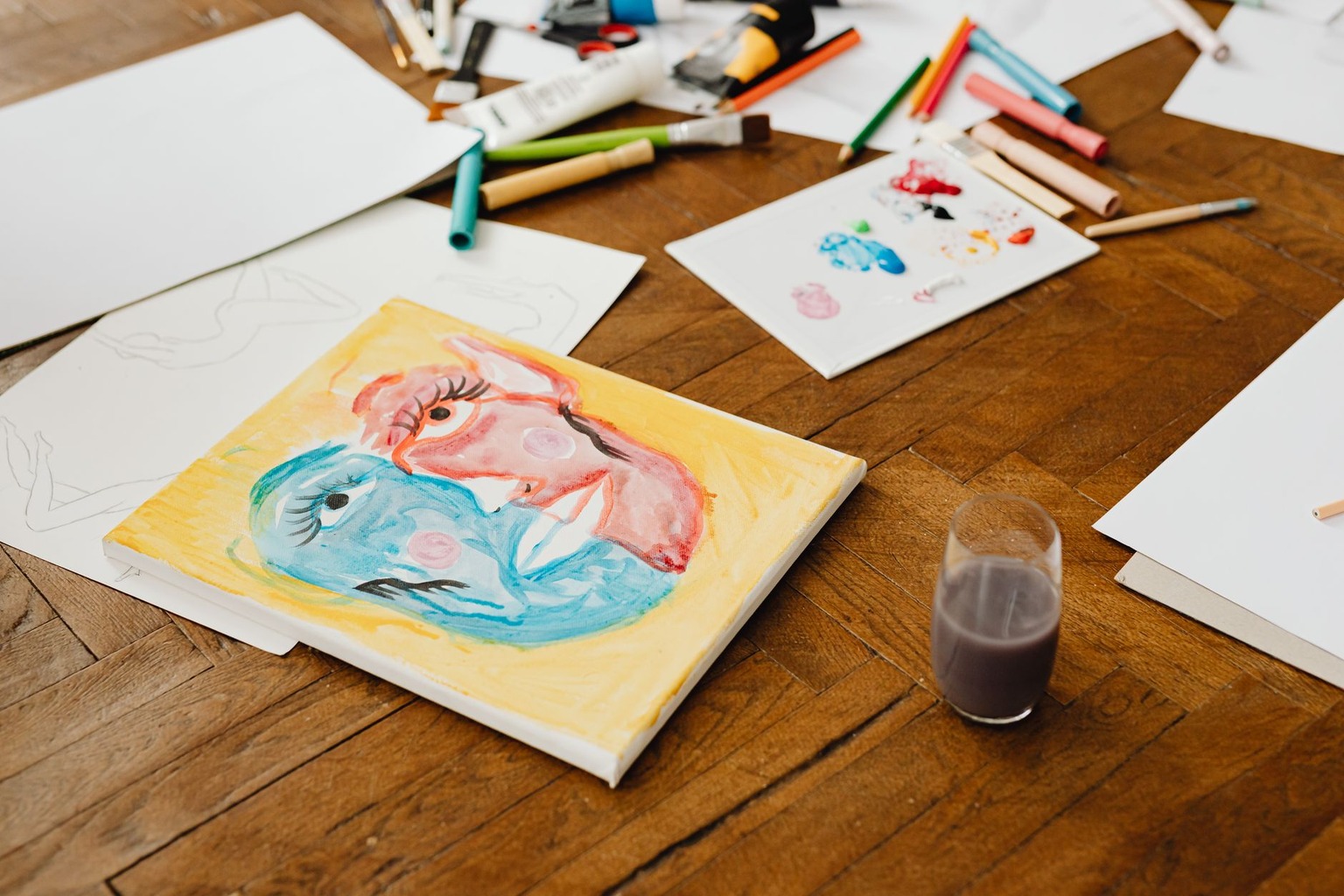
Urban paintings vary widely in medium, from oil on canvas to large‑format acrylic prints and mixed‑media collages that incorporate reclaimed city materials. Oil offers depth and subtle color transitions ideal for night‑time skylines, while acrylic’s quick drying time supports bold, graphic street‑art aesthetics. If a piece incorporates actual metal or concrete fragments, it may demand special handling but also adds tactile authenticity that resonates with collectors seeking a three‑dimensional urban feel.
On Film Courage they explain the difference between bad and great art — you can watch it right here.
Resolution and scale are equally important. A high‑resolution digital print can reproduce the intricate details of a graffiti wall without loss of fidelity, yet a small canvas may struggle to convey the expansive perspective of a city skyline. Verify the dimensions listed on the product page and compare them to the intended wall space; a 150 cm by 200 cm canvas will dominate a hallway, whereas a 60 cm square works better as a gallery set piece. Matching size to environment prevents visual overwhelm and ensures the artwork integrates smoothly with surrounding décor.
Step 4, Confirm Authenticity, Provenance, and Edition Status
When purchasing through an online platform, request the artist’s certificate of authenticity and any exhibition history associated with the work. Provenance records that trace a piece from the studio to previous collectors or museum shows add a layer of security and often increase resale value. Limited‑edition prints, for instance, should include a numbered label and a statement from the publisher confirming the total run, typically ranging from ten to fifty copies.
gallery representation is another indicator of credibility. Artists who have exhibited at institutions like the Bangkok Biennale or have been featured in ACC Gallery’s curated shows usually maintain professional relationships with reputable dealers. These connections simplify the verification process and often guarantee that the artwork has been stored under climate‑controlled conditions, reducing the risk of damage during transit.
Step 5, Plan Installation Logistics and Care Requirements
After selecting a piece, map out the shipping and handling plan. Most online galleries partner with specialized art couriers that provide climate‑controlled containers and insurance coverage up to the declared value. Confirm that the shipping estimate includes padding, custom crates, and a tracking system; these details protect the work from vibrations and temperature fluctuations that could affect paint adhesion or metal components.

Once the artwork arrives, follow the recommended acclimatization routine. Allow the piece to rest in the intended room for at least twelve hours before hanging, especially if it traveled across climate zones. Use UV‑filtering glass for frames that will sit near windows, and maintain a stable humidity level around 45 percent to prevent canvas warping. Proper care extends the visual impact of urban scenes, preserving the crisp lines of a neon sign or the subtle gradations of a twilight skyline.
Step 6, Curate a Cohesive Urban Collection
Building a series of city‑themed works creates a narrative thread that elevates each individual piece. Start by selecting artworks that share a common color palette, such as muted blues and greys for industrial moods, or a recurring motif like subway maps or streetlights. Pair a large, dramatic skyline with smaller, intimate street‑level studies to balance scale and perspective, offering viewers both macro and micro views of urban life.
Consider the lighting conditions of each display area. A piece emphasizing reflective glass will thrive under bright, natural light, whereas a moody, low‑contrast composition benefits from directional spotlights that accentuate shadows. By arranging the collection with intentional lighting, you reinforce the thematic coherence and guide the observer’s eye through the visual story of the city. This thoughtful approach not only enhances aesthetic appeal but also signals to future buyers that the collection was assembled with a discerning eye for context and detail.

I have spent years transforming my home into a personal gallery, constantly hunting for unique pieces that bring walls to life. There is nothing quite like the thrill of discovering an emerging artist online and finding the perfect artwork to complement a room. I am passionate about helping others navigate the world of digital art markets to find authentic pieces that truly resonate with their style.