

The evolution of landscape painting isn’t just an academic exercise, it’s a living blueprint for how artists and collectors can approach modern art with deeper meaning. Whether you’re a painter refining your technique, a collector curating a gallery-worthy collection, or a buyer searching for pieces that tell a story, understanding this progression reveals which styles hold lasting value and which techniques still resonate today. The best landscapes don’t just depict scenery; they capture the soul of a moment, a place, or even a cultural shift. By tracing the key phases of landscape painting, from its foundational roots to its digital reinventions, you can identify timeless qualities that elevate a piece from decorative to investment-worthy. This guide breaks down the essential stages, common pitfalls, and actionable insights to help you navigate the market with confidence, whether you’re acquiring a masterpiece or creating one yourself.
Identify the Core Principles of Early Landscape Painting
The origins of landscape painting as a distinct genre emerged in the 17th century, when artists like Claude Lorrain and Nicolas Poussin shifted focus from religious or mythological subjects to the natural world itself. These early landscapes prioritized harmony, idealized beauty, and a sense of timelessness, qualities that still influence how collectors evaluate classical pieces today. Look for works where the composition follows the “rule of thirds” (a grid system that divides the canvas into nine equal parts, with key elements placed along the lines or intersections), as this technique ensures visual balance. Another hallmark is the use of atmospheric perspective, where distant elements appear softer and cooler in tone to create depth. For collectors, these principles translate to pieces that feel universally appealing rather than tied to a specific era, making them more versatile in a home or gallery setting.
A common mistake among buyers is dismissing early landscape paintings as overly simplistic or “boring” because they lack dramatic action. In reality, their strength lies in subtlety, the way light filters through foliage, the way water reflects the sky, or the quiet grandeur of a mountain range. Artists like Salvator Rosa later introduced more rugged, almost theatrical landscapes, but even these works retain the foundational emphasis on mood and atmosphere over narrative. When evaluating a piece from this era, ask yourself whether it evokes a sense of place or emotion; if the answer is yes, it’s likely to retain its value over time. This is especially true for smaller formats, which were often commissioned for private collections and thus had a more intimate, personal appeal.
Recognize How the Romantic Era Transformed Landscape Painting
The Romantic movement in the early 19th century didn’t just change how landscapes were painted, it redefined their purpose. Artists like J.M.W. Turner and Caspar David Friedrich abandoned the polished ideals of the classical era in favor of raw emotion, dramatic lighting, and a focus on the sublime (the awe-inspiring power of nature). Turner’s seascapes, for example, often feature turbulent waves and stormy skies that feel almost violent, while Friedrich’s works like The Wanderer Above the Sea of Fog use mist and isolation to evoke existential contemplation. For collectors, this shift means that Romantic landscapes are more about storytelling than technical perfection, which can make them feel more alive and dynamic in a space. Pieces from this era often command higher prices because they’re seen as windows into the artist’s inner world rather than just representations of scenery.
One of the most critical mistakes buyers make is underestimating the importance of scale in Romantic landscapes. Many of these works were designed to be viewed from a distance, where their broad strokes and atmospheric effects could fully immerse the viewer. A small Turner etching, for instance, might feel underwhelming up close but becomes electrifying when displayed in a gallery setting where its energy can spread across a room. When acquiring a Romantic landscape, consider how it will function in your space, whether it’s meant to anchor a room or serve as a focal point in a hallway. Also, pay attention to the medium; oil paintings from this period often have a textured, almost tactile quality that adds to their emotional impact, whereas watercolors might feel more delicate and intimate. This era’s works are particularly valuable for those who prioritize art that feels alive with tension and mystery.
Master the Technical Innovations of the Impressionist Revolution
The Impressionists didn’t just paint landscapes, they invented a new way of seeing them. Artists like Claude Monet and Pierre-Auguste Renoir abandoned the polished brushwork of their predecessors in favor of short, visible strokes that captured light and movement in real time. Their landscapes, such as Monet’s Water Lilies series, often feature dappled sunlight, shimmering water, and fleeting weather effects that make the scene feel transient. For collectors, this approach means the art becomes more about the experience of viewing it than the subject itself. A well-executed Impressionist landscape will make you feel as if you’re standing in the scene, with the colors and brushstrokes pulsing with life. This immediacy is why these works are so sought after, they don’t just decorate a space; they engage the viewer’s senses.
On the Greenwich Historical Society channel, they cover the evolution of art in America – you can watch it right here.
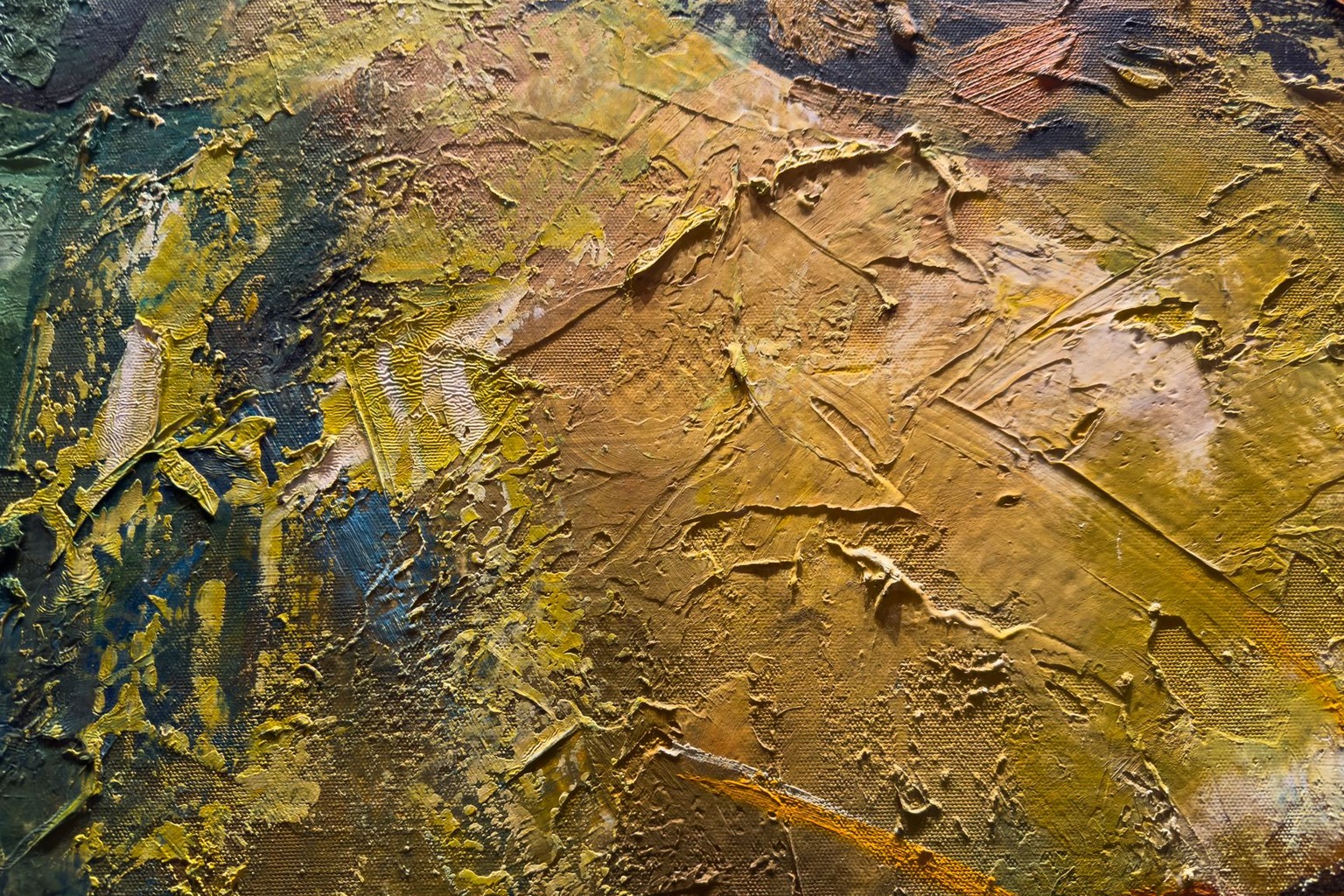
One of the biggest challenges for buyers is distinguishing between a truly Impressionist piece and a derivative work. The key lies in the brushwork: authentic Impressionist paintings have loose, almost sketchy strokes that suggest movement rather than define it. A common mistake is seeking out overly smooth or finished-looking landscapes, which might appeal to traditional tastes but lack the raw energy of the original movement. When evaluating a piece, examine the edges of forms, are they soft and blended, or sharply defined? Impressionists often left outlines incomplete to emphasize the interplay of light and shadow. Additionally, pay attention to the palette; Impressionists relied heavily on complementary colors (like blue and orange) to create vibrancy, whereas later movements might use more muted tones. For collectors, this means prioritizing pieces that feel dynamic and alive, even if they don’t conform to classical ideals of perfection.
Understand the Shift to Symbolism and Modern Abstraction
By the late 19th and early 20th centuries, landscape painting began to serve as a vehicle for deeper philosophical and emotional expression. Artists like Arnold Böcklin and Odilon Redon used landscapes to explore themes of death, eternity, and the human condition, often through surreal or dreamlike compositions. Böcklin’s Island of the Dead, for example, transforms a serene seascape into a haunting meditation on mortality, while Redon’s works blend organic forms with abstract shapes to evoke the subconscious. For collectors, this shift means that landscape paintings from this period are less about depicting a place and more about conveying an idea. Pieces that succeed in this vein often feel mysterious and layered, inviting viewers to interpret their meaning rather than simply admire their beauty. This introspective quality makes them particularly valuable in contemporary collections, where conceptual depth is highly prized.
A frequent oversight among buyers is assuming that abstract or symbolic landscapes lack “traditional” appeal. In reality, their power lies in their ability to evoke emotion without relying on literal representation. The challenge is in identifying works where the abstraction serves a purpose rather than feeling arbitrary. Look for artists who have a distinct visual language, consistent use of color, form, or texture, that ties their landscapes together. For instance, Wassily Kandinsky’s later works, though abstract, retain a sense of place through their organic shapes and vibrant hues. When acquiring a piece from this era, consider how it might dialogue with other works in your collection; symbolic landscapes often pair well with modern or contemporary art that also explores themes of perception and reality. This approach ensures that the piece doesn’t just hang on a wall but becomes part of a larger narrative in your space.
Adopt Contemporary Techniques for Modern Landscape Art
Today’s landscape painters are pushing boundaries by blending traditional techniques with digital tools, mixed media, and unconventional materials. Artists like Julie Mehretu use large-scale canvases to layer architectural and natural elements, creating landscapes that feel both familiar and alien. Others, such as Julie Curtiss, incorporate photography and collage to explore the relationship between memory and place. For collectors, this means that modern landscape art isn’t confined to oil on canvas, it can include works on paper, digital prints, or even interactive installations. The key is to recognize how these techniques enhance the emotional and conceptual depth of the piece. A contemporary landscape might not depict a recognizable scene but instead evoke a feeling or idea, making it more relevant to today’s viewers who value art that challenges and engages them. This openness to innovation is what makes modern landscape art so exciting and valuable in the current market.

One of the most common pitfalls for buyers is dismissing contemporary landscape art because it doesn’t fit traditional aesthetic standards. However, the best modern works often excel in areas that older landscapes lack, such as bold color choices, unexpected textures, or a playful approach to representation. For example, artists like Mark Bradford use layered paper and paint to create landscapes that feel like physical landscapes themselves, with their surfaces telling a story of erosion and growth. When evaluating a contemporary piece, ask whether it offers something new in terms of technique, concept, or emotional impact. Also, consider the artist’s reputation and how their work fits into broader art movements, pieces that are part of a recognized trend or dialogue with other artists tend to hold their value better. For collectors, this means being open to works that might not look like “traditional” landscapes but still capture the essence of place and emotion in fresh ways.
Apply These Insights to Curate a Cohesive Collection
Building a collection of landscape paintings that spans different eras and styles requires more than just acquiring individual pieces, it demands a thoughtful approach to how they relate to one another. Start by identifying the emotional or thematic threads that connect your selections. For instance, a collection might focus on how artists have depicted light across centuries, from the soft glows of Impressionism to the stark contrasts of modern abstraction. Alternatively, you could curate around a specific location, such as coastal scenes that evolve from Romantic drama to contemporary minimalism. The goal is to create a narrative that unfolds as viewers move through your space, with each piece contributing to a larger story. This approach not only enhances the visual impact of your collection but also increases its value, as cohesive collections are highly sought after by museums and private buyers.
A critical mistake many collectors make is treating each piece as an isolated acquisition rather than part of a larger vision. For example, pairing a dramatic Romantic landscape with a serene Impressionist work can create a striking contrast, but without a unifying theme, the collection might feel disjointed. Instead, think about how each piece complements the others, whether through color, subject matter, or artistic technique. For instance, if you’re drawn to works that explore the relationship between humanity and nature, you might include pieces by artists like Ansel Adams (photography) alongside painters like Thomas Cole (early American landscape). This interdisciplinary approach can make your collection more dynamic and engaging. Additionally, consider the physical layout of your space; landscapes that feel expansive, like those by Turner, work well in large rooms, while smaller, intimate works by Monet or Sargent might thrive in a cozy study. By planning ahead, you can ensure your collection not only looks stunning but also tells a compelling story.

I have spent years transforming my home into a personal gallery, constantly hunting for unique pieces that bring walls to life. There is nothing quite like the thrill of discovering an emerging artist online and finding the perfect artwork to complement a room. I am passionate about helping others navigate the world of digital art markets to find authentic pieces that truly resonate with their style.