Origins and Early Development of Painting
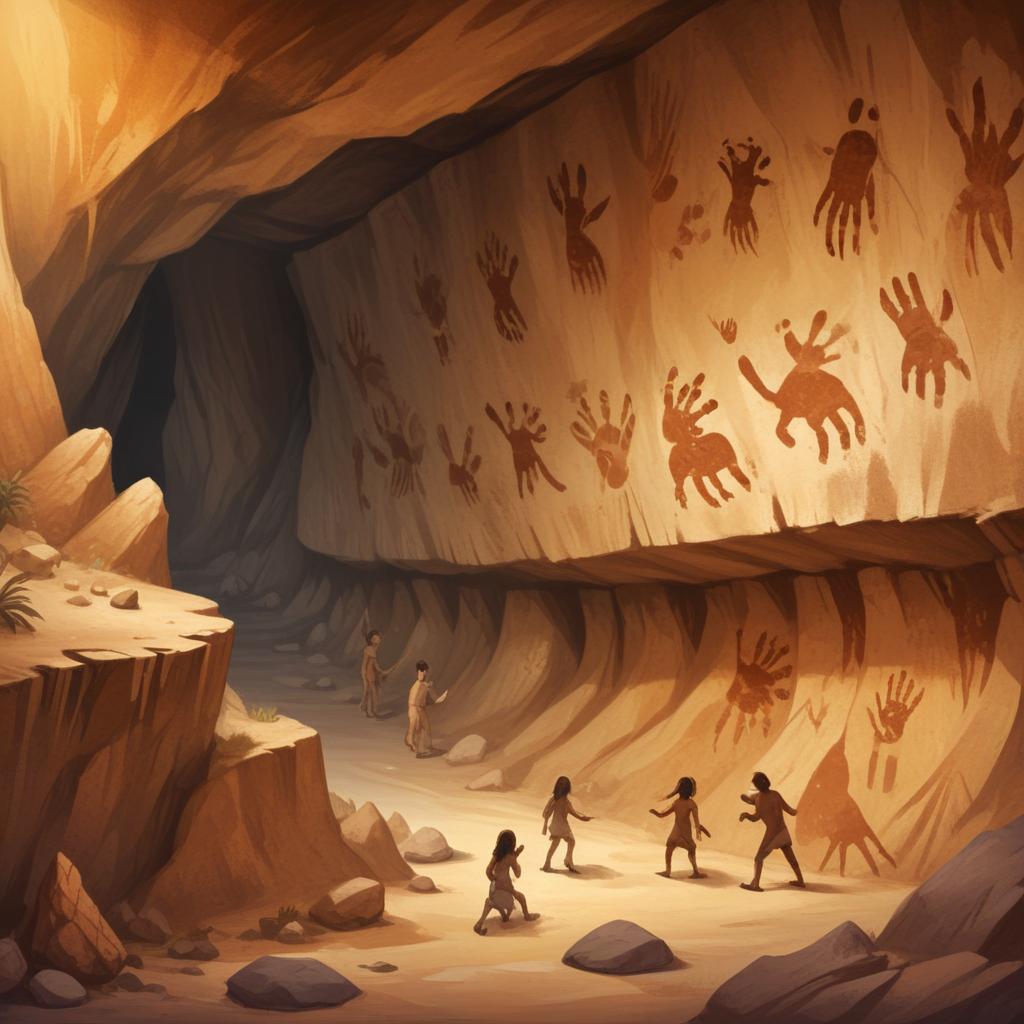
Painting, as an expressive art form, traces its origins back to prehistoric times when early humans began leaving visual marks on cave walls. These ancient artistic expressions serve as some of the earliest evidence of human creativity and communication, providing invaluable insight into the culture and daily life of our ancestors. Prehistoric painting, often referred to as cave art, marks the beginning of humanity’s journey into the visual arts.
Cave art is most famously exemplified by the stunning murals found in locations such as Lascaux in France and Altamira in Spain. These artworks, dating back tens of thousands of years, depict animals, hunting scenes, and symbolic shapes with remarkable detail and artistry. These early artists used natural pigments made from minerals, charcoal, and ochre to create images that have endured for millennia, showcasing an impressive mastery of materials and techniques at a nascent stage of human history.
The significance of prehistoric painting goes beyond mere decoration. These paintings likely held ritualistic or communicative functions, aiding in hunting magic, storytelling, or the strengthening of community bonds. As some of the earliest forms of ancient art, they reflect a cognitive leap where humans began to interpret and represent the world around them symbolically. This ability to abstract and symbolize laid the foundation for the future evolution of all forms of art.
Throughout early human culture, beyond caves, evidence of early artistic expressions can also be found in portable art objects such as decorated bones, stones, and figurines. These items further illustrate the importance of visual expression and aesthetic enjoyment in ancient societies. Collectively, prehistoric painting and related artistic endeavors mark the origins of painting as a vital human practice, intertwining creativity with cultural and spiritual life.
Prehistoric and Cave Paintings
| Aspect | Description |
|---|---|
| Notable Examples | The Lascaux caves in France are among the most famous sites of prehistoric cave paintings. These extensive rock art murals date back approximately 17,000 years and depict animals such as bulls, horses, and deer with remarkable detail and vitality. |
| Materials and Techniques | Early pigments used in cave paintings were derived from natural sources including ochre, charcoal, and manganese dioxide. Artists applied these pigments using brushes made of animal hair or by blowing pigment through hollow bones to create stenciled effects. |
| Cultural Significance | These paintings served ritualistic or symbolic purposes, possibly related to hunting magic, shamanistic practices, or storytelling. They provide vital insights into the spiritual and daily lives of early humans, highlighting their interaction with the environment and animal species. |
Painting in Ancient Civilizations
Painting in ancient civilizations such as Egypt, Greece, and Rome showcases a rich tapestry of styles and purposes, each reflecting its unique cultural and religious contexts. Egyptian murals are notable for their symbolic and highly stylized nature, often adorning tombs and temples to depict the afterlife, gods, and daily life scenes in a flat, two-dimensional perspective. The use of vibrant colors and hierarchical scale emphasized the importance of figures, with the paintings serving both decorative and ritualistic functions.
Greek frescoes, on the other hand, reveal a distinct evolution towards naturalism and humanism. These works adorn the interiors of wealthy homes and public buildings, portraying mythological themes, human figures, and nature with greater attention to anatomy, perspective, and movement. The Greeks employed techniques such as secco and buon fresco, blending artistic skill with storytelling to celebrate their gods, heroes, and daily lives.
Roman art built upon the Greek traditions but expanded in scale and subject matter, emphasizing realism and detail in their frescoes. Roman art incorporated various themes, from elaborate mythological tableaux to intricate scenes of landscapes, politics, and domestic life. Roman frescoes often conveyed power and prestige, decorating villas and public spaces, while also serving as propaganda to glorify emperors and the empire.
Together, Egyptian murals, Greek frescoes, and Roman art illustrate the evolution of painting from symbolic representation to a celebration of human experience, each with distinct characteristics that continue to influence art history today.
The Evolution of Painting Through Major Art Movements
The history of painting is marked by a continuous evolution of styles, techniques, and themes that reflect the changing cultural and social landscapes of their times. Among the most influential art movements that transformed painting from the Renaissance to modern periods are Renaissance art, Baroque painting, and Impressionism. Each of these movements brought distinctive innovations that contributed to the rich tapestry of art history.
Renaissance art, emerging in the 14th to 17th centuries, signaled a rebirth of classical knowledge and an emphasis on humanism. This period was characterized by a renewed interest in naturalism, perspective, and anatomical accuracy. Artists like Leonardo da Vinci and Michelangelo pioneered techniques such as chiaroscuro—the use of light and shadow to create depth—and linear perspective, which allowed for more realistic compositions. Renaissance art expanded the thematic scope to include mythology, religious subjects, and portraits, focusing on the beauty and complexity of the human form and the natural world.
Following the Renaissance, the Baroque period introduced a dramatic intensity and emotional depth to painting. Baroque painting thrived from the late 16th century to the early 18th century, emphasizing movement, contrast, and vivid detail. Artists such as Caravaggio and Peter Paul Rubens used bold colors, stark lighting contrasts, and dynamic compositions to evoke strong emotional responses. The themes often centered on religious fervor, grandeur, and theatricality, reflecting the cultural tensions of the time. This movement significantly changed how artists conveyed narrative and drama on canvas, pushing the boundaries of visual storytelling.
The 19th century brought about a radical shift with Impressionism, which challenged traditional techniques and subjects. Impressionist painters like Claude Monet and Pierre-Auguste Renoir focused on capturing fleeting moments and the effects of light and color in the natural environment. Breaking away from the meticulous detail of earlier periods, Impressionism favored loose brushwork and vibrant palettes to convey atmosphere and sensory experience. This movement marked the beginning of modern art’s exploration of perception, subjectivity, and abstraction.
In summary, the evolution of painting through these major art movements—from the structured and harmonious Renaissance art to the emotional drama of Baroque painting, and finally to the innovative and sensory-driven Impressionism—demonstrates the dynamic nature of artistic expression. Each movement not only redefined painting techniques and themes but also mirrored the societal changes and philosophies of their respective eras, paving the way for contemporary art forms.
Renaissance and Baroque Periods
The Renaissance and Baroque periods marked revolutionary advancements in the art of painting, characterized by profound innovations in technique, perspective, and subject matter. During the Renaissance, painters like Leonardo da Vinci pioneered the use of linear perspective, creating a sense of depth and realism that transformed flat surfaces into three-dimensional spaces. Leonardo’s mastery of anatomy and natural light helped artists portray the human form with unprecedented accuracy and subtlety.
One of the defining techniques of the Baroque era was chiaroscuro, a dramatic contrast between light and dark that enhanced the emotional intensity of paintings. This technique was famously employed by Caravaggio, whose works exemplify the powerful interplay of shadow and illumination to highlight the drama and movement within his scenes. The Baroque period also shifted toward more dynamic compositions and realistic portrayals of everyday life, religious themes, and dramatic narratives, capturing both the grandeur and turmoil of the time.
Together, these periods expanded the boundaries of artistic expression. The Renaissance’s focus on harmony, proportion, and scientific observation provided a foundation that the Baroque era built upon with heightened emotion and theatricality. This evolution of style and technique laid the groundwork for modern painting, making the Renaissance and Baroque periods pivotal chapters in the history of art.
Modern Art Movements
The 19th and 20th centuries witnessed revolutionary shifts in the art world as new movements arose that fundamentally challenged traditional painting methods. Impressionism emerged as a pioneering force, breaking away from precise detail and classical subjects to capture fleeting moments and the effects of light with loose, visible brushstrokes. This represented a shift toward expressing perception rather than exact realism. Following Impressionism, Expressionism took these ideas further by emphasizing emotional experience over physical reality, using vivid colors and distorted forms to convey the artist’s inner feelings and reactions to the world.
Cubism, developed in the early 20th century, radically redefined spatial representation by fragmenting objects into geometric shapes and depicting them from multiple viewpoints simultaneously. This abstraction challenged the traditional perspective and composition that had dominated painting for centuries. Together, these movements expanded the boundaries of what painting could be, introducing new expressive forms that focused on personal interpretation and conceptual exploration rather than straightforward depiction.
These modern art movements not only revolutionized painting techniques but also profoundly influenced the cultural and intellectual landscape, encouraging artists to experiment with form, color, and perspective in ways that continue to inspire contemporary art today.
Painting in the Contemporary World
In the contemporary art scene, painting continues to evolve by embracing innovative trends and technologies, shaping the way artists express creativity today. One of the most significant advancements is digital painting, a technique that leverages digital tools and software to create artworks with precision and versatility. Digital painting allows artists to experiment freely with colors, textures, and effects without the constraints of traditional media. This technology has expanded the accessibility of painting, enabling creators to reach global audiences through online platforms.
Contemporary art encompasses a broad range of styles and methodologies that challenge conventional boundaries. Artists blend classic techniques with modern ideas, often incorporating mixed media to add depth and complexity to their works. Mixed media, the combination of various materials such as paint, fabric, paper, and found objects, offers painters the opportunity to create tactile, multidimensional pieces that engage viewers in unique ways. This approach reflects the dynamic and experimental nature of today’s art environment.
The integration of technology in contemporary painting does not replace traditional craftsmanship; instead, it complements it by providing new tools and perspectives. Digital painting software such as Adobe Photoshop, Corel Painter, and Procreate offer rich toolsets that mimic traditional brush strokes while introducing features like layering, undo options, and infinite color palettes. These advancements encourage artists to push their creative boundaries, combining digital elements with hand-painted works to produce hybrid forms of art.
Moreover, the rise of social media and digital galleries has transformed how paintings are shared and appreciated. Artists can now showcase their digital paintings and mixed media projects worldwide, gaining feedback and recognition in real-time. This connectivity not only democratizes art appreciation but also inspires new collaborations and the exchange of ideas across cultures. In this contemporary landscape, painting stands as a versatile and adaptive art form, continually enriched by technological progress and innovative artistic approaches.
Technological Advancements and Digital Art
Technological advancements have significantly expanded the possibilities of painting, transforming traditional artistic methods through innovative digital software and hardware. Digital painting tools have revolutionized the way artists create, offering a vast array of brushes, textures, and effects that can be easily customized and manipulated. These tools provide an unprecedented level of control and flexibility, enabling artists to experiment freely without the constraints or costs of physical materials.
Graphic tablets have become essential hardware in the digital art world, allowing artists to draw directly onto a screen with a stylus that mimics the feel and precision of traditional brushes. This integration bridges the gap between conventional and contemporary painting practices, facilitating a smoother transition for artists adapting to new media. The sensitivity and responsiveness of these tablets provide a natural drawing experience, encouraging detailed and expressive work.
Furthermore, the rise of new media has broadened the scope of painting beyond flat surfaces to include interactive and multimedia installations. Digital platforms enable artworks to be shared and experienced in virtual spaces, reaching a global audience instantly. This synergy between technology and creativity continues to redefine the boundaries of painting as an art form, making it more accessible, dynamic, and immersive than ever before.
The Role of Painting in Modern Culture
Painting maintains a vital presence in modern culture, thriving across various platforms that continue to celebrate and evolve this timeless art form. Art galleries remain central to this dynamic, serving not only as exhibition spaces but also as hubs for cultural exchange and artistic innovation. They provide artists with opportunities to showcase their works to discerning audiences while allowing collectors and enthusiasts to engage directly with original pieces. Through these curated environments, painting sustains its relevance and prestige within the art market.
Beyond the gallery walls, street art has democratized painting by bringing it into public spaces, making art accessible to a broader audience. This form of artistic expression challenges conventional boundaries and often reflects social and political themes, resonating powerfully with contemporary urban life. These public murals and installations contribute to the cultural fabric of cities worldwide, enriching everyday experiences and encouraging community interaction with art.
Commercial contexts also play a significant role in maintaining the prominence of painting today. The art market is increasingly diverse, encompassing traditional sales, online platforms, and art fairs that connect creators with buyers globally. This commercialization supports artists financially while expanding the reach and appreciation of painting as a multifaceted discipline. In all these ways—through galleries, street art, and the commercial art market—painting continues to adapt and thrive, affirming its enduring significance in modern culture.

I have spent years transforming my home into a personal gallery, constantly hunting for unique pieces that bring walls to life. There is nothing quite like the thrill of discovering an emerging artist online and finding the perfect artwork to complement a room. I am passionate about helping others navigate the world of digital art markets to find authentic pieces that truly resonate with their style.