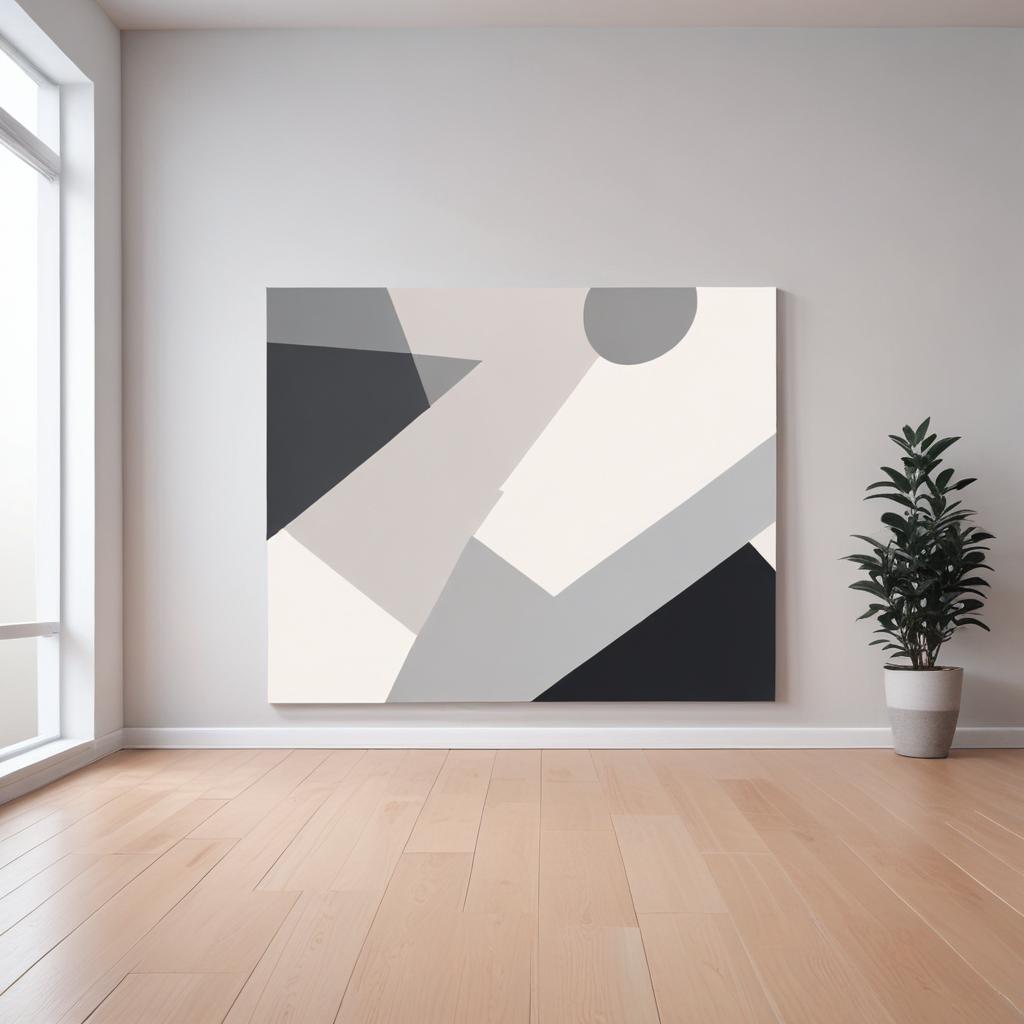
Introduction to Minimalism in Painting
Minimalism in painting emerged as a significant art movement in the late 1950s and early 1960s, primarily in the United States. It was a reaction against the emotional intensity and complexity of Abstract Expressionism, seeking instead to embrace visual simplicity and purity. The essence of minimalism lies in its emphasis on reduction—stripping art down to its most fundamental features by eliminating any unnecessary elements or embellishments.
The origins of minimalism are closely tied to broader philosophical and cultural shifts that valued simplicity and clarity. Artists involved in this movement sought to create works that were straightforward and objective, avoiding personal expression and symbolism. By focusing on geometric forms, clean lines, and monochromatic palettes, minimalism aimed to highlight the intrinsic qualities of painting itself, such as color, shape, and texture, without distraction.
As an art movement, minimalism profoundly influenced painting by challenging traditional concepts of composition and artistic representation. Rather than conveying complex narratives or emotional depth, minimalist paintings emphasize the idea of visual simplicity. This approach encourages viewers to engage with the artwork on a direct, sensory level, appreciating the subtleties of form and space.
The reduction of form in minimalist painting often results in compositions built from basic geometric shapes like squares, rectangles, and lines. These elements are arranged with great precision, creating a sense of order and harmony. By paring down the visual components to their essentials, minimalism invites contemplation and introspection, making the act of viewing a more meditative experience.
Minimalism’s emphasis on simplicity and reduction also marks it as a reaction to the increasingly complex and layered art styles that preceded it. This return to basics was not merely aesthetic but also conceptual, exploring how less can indeed be more in the realm of visual art. Through its dedication to clarity, minimalism in painting remains a powerful expression of the beauty found in restraint and the elemental.
Historical Background
- The history of minimalist painting began prominently in the 1960s, marking a clear departure from the complexity and emotional intensity of abstract expressionism.
- Minimalist painting in art history sought to emphasize simplicity, focusing on basic geometric forms, monochromatic palettes, and the use of space.
- Key artists involved in the development of minimalist painting include Frank Stella, known for his shaped canvases and precise, repetitive patterns that rejected the traditional picture plane.
- Donald Judd, although more recognized as a sculptor, influenced minimalist painting with his emphasis on simplicity and industrial materials.
- Agnes Martin, another crucial figure, used subtle grids and soft tones to convey a sense of tranquility and order, contributing a unique spiritual perspective to minimalist art.
- Ellsworth Kelly’s work with bold, flat colors and clean lines helped define the aesthetic principles of minimalist painting as part of art history.
- The history of minimalist painting is marked by a reduction of art to its most fundamental features, challenging viewers to experience the essence of form and color without distraction.
- This movement played a significant role in shaping contemporary art’s trajectory, influencing not only painting but also sculpture, design, and architecture.
Key Characteristics
Minimalist art is defined by several core characteristics that emphasize simplicity and clarity. The style elements focus on reducing art to its essential components, eliminating anything superfluous to create a pure visual experience.
- Color Use: Minimalist paintings often utilize a limited color palette, frequently relying on monochromatic schemes or basic primary colors. The restrained use of color helps to emphasize form and space rather than decorative detail.
- Shapes: Simple geometric shapes such as squares, rectangles, lines, and circles dominate minimalist painting. These shapes are clean, precise, and arranged with intentionality to evoke a sense of balance and harmony.
- Composition: The composition in minimalist art is carefully planned to maximize clarity and focus. Large areas of negative space are common, allowing the viewer’s eye to rest and engage more deeply with the essential elements of the work.
- Simplicity: Above all, simplicity is the hallmark of minimalist painting. Every element present serves a purpose, and unnecessary details are stripped away to highlight the fundamental beauty of form and color.
- Emotional Restraint: Minimalist style elements often avoid overt emotional expression, instead encouraging the viewer to experience a quiet, contemplative mood.
Techniques and Materials Used in Minimalist Painting
Minimalist painting is characterized by its emphasis on simplicity, clarity, and reduction of form. To achieve this, minimalist painters employ a variety of techniques and materials that help strip away excess and highlight the essence of the artwork. The following list explores common painting methods, techniques, and materials essential to the minimalist style.
- Use of Geometric Shapes: Minimalist painters often rely on simple geometric forms such as squares, rectangles, and circles. These shapes are repeated or arranged meticulously to create balance and harmony within the composition.
- Monochromatic Palettes: A limited color palette, often monochromatic, is used to focus attention on the form and surface texture rather than on color variation. Shades of black, white, or muted tones dominate to express purity and simplicity.
- Flat and Even Paint Application: Techniques such as spraying, rolling, or using squeegees allow for an even, flat coating of paint that avoids brushstrokes and texture, reinforcing the clean, smooth surface typical of minimalist paintings.
- Use of Industrial Materials: Minimalist artists sometimes incorporate non-traditional or industrial materials like acrylics, latex paint, or aluminum to enhance durability and produce a sleek, modern finish.
- Repetition and Seriality: Repeating simple forms or colors in sequences helps to emphasize rhythm, pattern, and structure, which are key to the minimalist aesthetic.
- Hard-Edge Painting: This painting technique defines crisp, sharp edges with contrasting colors or tones, avoiding any gradation or blending to create stark clarity and separation between shapes.
- Emphasis on Surface and Space: Minimalist painters carefully consider the relationship between painted and unpainted areas, using negative space as an integral part of the composition to enhance simplicity and clarity.
- Minimal Use of Tools: Brushes may be limited or replaced by palette knives, stencils, or masking tape to maintain precision and avoid spontaneity or expressionistic marks.
- Canvas and Support: Plain, unprimed canvases or panels are often used to reduce distractions and keep the focus on the shape and color alone.
By combining these techniques and materials, minimalist painters create works that communicate through reduction and clarity, allowing the viewer to experience the power of simplicity in art.
Use of Color and Space
Minimalist painters expertly harness limited color palettes and the strategic use of negative space to evoke powerful emotional responses and visual clarity in their artworks. Their approach is deeply rooted in fundamental color theory, emphasizing the subtleties and relationships between hues rather than a broad spectrum.
- Limited Palettes: Minimalist artists often choose minimalist palettes composed of a few carefully selected colors. This restraint allows each color to gain significance and creates harmony within the composition, avoiding visual noise and distraction.
- Color Theory Application: By focusing on the interaction and contrast between colors—such as warm versus cool tones or complementary colors—these painters build depth and balance, using color contrasts thoughtfully to guide the viewer’s eye.
- Negative Space Utilization: Negative space, or the empty areas around subjects, is deliberately used to highlight form and enhance simplicity. This breathing room balances the artwork, providing a sense of calm while accentuating the painted elements.
- Emphasis on Form and Focus: The sparing use of color combined with expansive negative space draws attention to essential shapes and lines, allowing viewers to contemplate the composition’s purity and meaning without distraction.
- Create Impactful Artworks: Through these methods, minimalist painters create visually impactful artworks that communicate ideas and emotions with precision, illustrating how less can indeed be more in the visual arts.
Materials and Tools
Minimalist painting focuses on simplicity and clarity, which is reflected in the careful selection of materials and tools. Artists often choose mediums that offer clean lines and smooth finishes to enhance the minimalist aesthetic.
- Paint Types: Acrylics are the preferred paint type in minimalist painting due to their versatility, quick drying time, and ability to maintain crisp edges. They allow artists to build layers without muddiness, which is essential for minimalist compositions.
- Canvas: Artists tend to use high-quality cotton or linen canvases with fine, even textures. These canvases provide a smooth surface that supports the precise application of paint and emphasizes the minimalist look. Some prefer primed canvases to enhance paint adhesion and brightness.
- Tools: Minimalist painters favor a limited set of tools such as fine brushes, palette knives, and occasionally masking tape. These tools help create sharp, geometric shapes and clean lines, which are hallmarks of minimalist designs.
- Minimalist Mediums: Beyond acrylics, some artists experiment with inks and watercolors in minimalist works but keep the palettes restricted. The emphasis remains on subtlety and restraint to maintain the essence of minimalism.
Influence and Legacy of Minimalism in Painting
Minimalism has exerted a profound influence on contemporary art, reshaping its visual language and conceptual foundations in significant ways. Emerging in the mid-20th century as a reaction against the emotional excesses of abstract expressionism, minimalism championed simplicity, clarity, and the essential qualities of form and color. This movement’s influence can be readily observed in the subsequent generations of artists who prioritize restraint and precision over complexity and ornamentation in their works.
The legacy of minimalism is deeply embedded in modern art’s evolution. Minimalist painters stripped down their compositions to basic geometric shapes and monochromatic palettes, which challenged traditional notions of what art should represent and how it should engage the viewer. This reductionist approach encouraged a focus on the material presence of the artwork itself, fostering a direct interaction between the painting’s surface, color fields, and the observer. As a result, minimalist impact is evident in contemporary practices that emphasize spatial relationships, form, and perceptual experience rather than narrative or symbolic content.
Today’s painters continue to draw inspiration from minimalism’s ethos, integrating its principles of simplicity and intentionality into a broad spectrum of visual expressions. The minimalist impact can be seen in diverse art styles, from contemporary abstract works to digital and installation art, where the emphasis remains on clarity of form and conceptual purity. Artists often adopt minimalist techniques to explore ideas related to space, silence, and the essence of materiality, reinforcing minimalism’s ongoing relevance within the modern art dialogue.
Moreover, minimalism’s influence extends beyond the canvas, shaping how art is displayed, interpreted, and experienced. Its legacy promotes an appreciation for subtlety and nuance, prompting modern painters to consider how less can often be more in creating powerful visual statements. This enduring impact underscores minimalism’s foundational role in redefining artistic priorities, encouraging innovation while maintaining a disciplined focus on the elemental aspects of painting. Consequently, minimalism remains a vital force, continually inspiring artists and audiences alike to rethink the possibilities of form and meaning in art.
Impact on Contemporary Art
Minimalism has had a profound impact on contemporary art, fundamentally reshaping trends and philosophies within modern painting and beyond. Emerging as a reaction against the emotional intensity and complexity of abstract expressionism, minimalism introduced a new artistic language centered on simplicity, clarity, and essential forms. This minimalist influence encouraged artists to strip down their work to basic geometric shapes, monochromatic palettes, and reduced textures, emphasizing the artwork’s physical presence rather than narrative or symbolic content.
In contemporary art practices, this shift fostered a heightened awareness of space, form, and viewer interaction. Artists began to explore the relationship between object and environment, creating works that challenge traditional notions of composition and aesthetic value. The minimalist ethos also inspired a focus on process and materiality, where the inherent qualities of the medium became central to the artwork’s meaning. This philosophical pivot reverberates through the current art scene, where the principles of restraint and essentialism guide a variety of approaches, from installation art to digital creations.
Modern painting continues to reflect the minimalist influence by embracing reduction as a means of expression. Contemporary painters often prioritize surface, texture, and color fields over representational imagery, aligning with the minimalist pursuit of purity and objectivity. As a result, minimalism’s legacy endures, shaping how artists conceive of form and engage audiences, while continually evolving within the expansive scope of contemporary art.
Famous Minimalist Painters
Minimalist painters are key figures in the art movement that emphasizes simplicity and focuses on the essence of form and color. These artists have profoundly influenced modern art by stripping away extraneous details to reveal pure visual expressions.
Notable minimalist painters include Frank Stella, known for his geometric patterns and dynamic use of shapes that challenge traditional painting boundaries. His work embodies the minimalist philosophy of reduction and repetition.
Another prominent figure is Agnes Martin, whose subtle grid paintings evoke serenity through delicate lines and muted color palettes. Martin’s art stresses the spiritual and emotional impact of minimalist aesthetics.
Donald Judd, though often recognized for his sculptures, also made significant contributions as a minimalist painter. His works emphasize the interaction between space, form, and material, further enriching the movement’s scope.
Ellsworth Kelly’s large-scale color field paintings are equally influential, showcasing bold colors and simple shapes that celebrate visual purity. Kelly’s contributions highlight how minimalist painters use color to evoke emotional responses.
These minimalist painters and other artists have collectively shaped the trajectory of minimalism, making it a powerful and enduring movement in contemporary art.

I have spent years transforming my home into a personal gallery, constantly hunting for unique pieces that bring walls to life. There is nothing quite like the thrill of discovering an emerging artist online and finding the perfect artwork to complement a room. I am passionate about helping others navigate the world of digital art markets to find authentic pieces that truly resonate with their style.