Origins and Historical Background of Pop Art
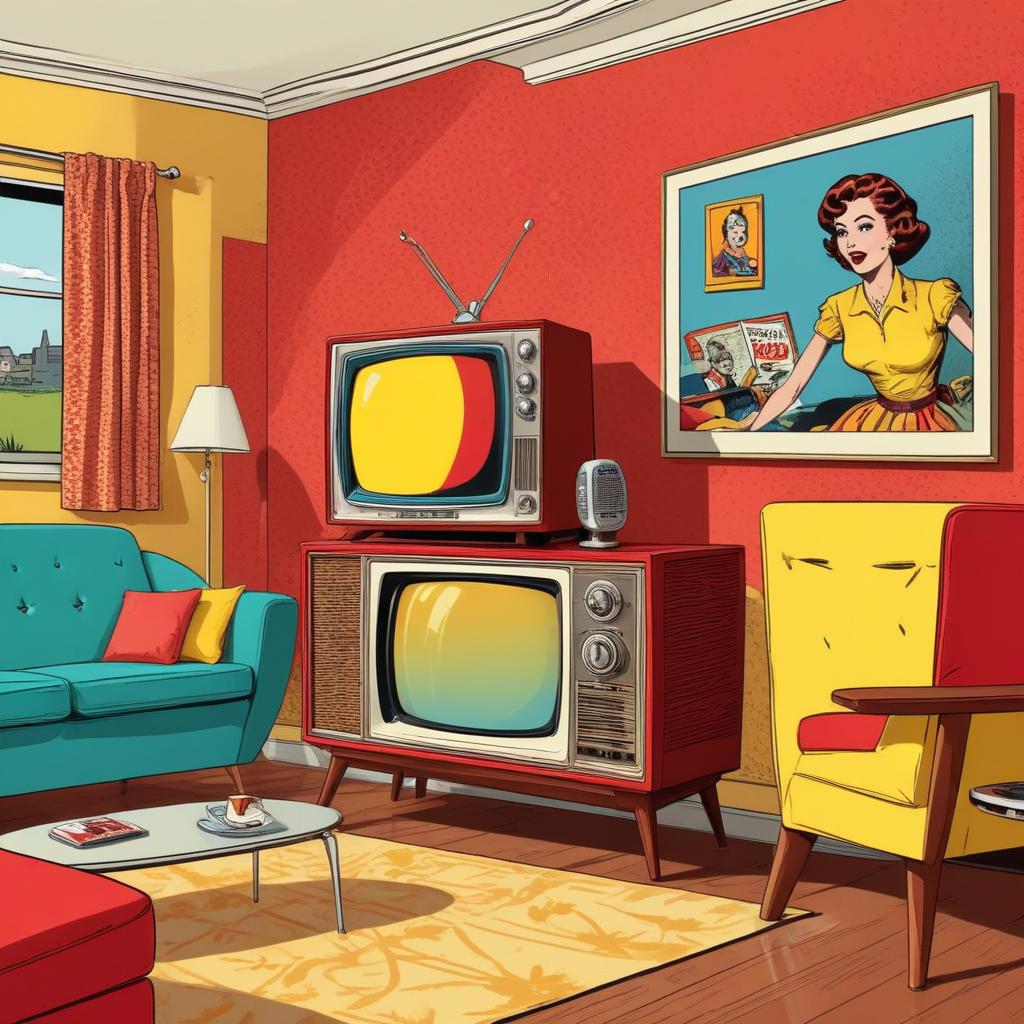
Pop art origins can be traced back to the mid-20th century, emerging as a pivotal movement in 20th century art that challenged the dominant narratives of the time. This period was marked by the aftermath of World War II and a rapidly evolving cultural landscape. In this post-war culture, society was undergoing significant changes, with a growing consumerism and mass media influence that shaped everyday life. Artists began to draw inspiration from popular culture, advertisements, comic strips, and mundane objects, blending high art with the imagery of the common world.
The pop art timeline begins in the 1950s and gains momentum through the 1960s, with artists such as Andy Warhol, Roy Lichtenstein, and Claes Oldenburg at the forefront. They broke away from the abstract expressionism that dominated the previous decade—a style characterized by emotional intensity and non-representational forms. Instead, pop art embraced a more accessible, ironic, and playful visual language that celebrated everyday life and consumer goods. This reaction against abstract expressionism challenged the notion of art as solely high culture and redefined art history by bridging the gap between elitist art forms and popular imagery.
In the context of art history, the emergence of pop art signaled a shift towards inclusivity and commentary on mass culture, reflecting the optimism and contradictions of the post-war era. This movement’s roots in consumer society and media saturation gave it a unique voice that continues to influence contemporary art. By blending commercial techniques with fine art, pop art not only celebrated but also critiqued the burgeoning consumer culture of the 20th century, securing its place as a significant chapter in the pop art timeline and the broader narrative of 20th century art.
Post-War Society and Consumer Culture
The post-war culture brought about significant economic prosperity, which profoundly influenced both society and the art world. In this period, rising consumerism became a defining feature, fueled by an expanding middle class with increased disposable income. This shift was closely intertwined with the explosive growth of mass media, which played a critical role in shaping popular culture and everyday life. Artists began to reflect and critique these societal changes through their work, directly incorporating elements of consumer goods, advertisements, and media imagery into their art. Pop Art emerged as a vibrant response to this new cultural landscape, exploring themes related to consumer products, celebrity culture, and the omnipresence of advertising. By elevating mundane and commercial objects to the status of fine art, Pop artists challenged traditional distinctions between high art and popular culture. This movement mirrored the enthusiasm and contradictions of post-war society, where material abundance coexisted with concerns about mass production and the loss of individuality. Ultimately, post-war economic growth and consumerism provided fertile ground for artists to experiment with new visual languages, making Pop Art a striking commentary on the era’s values and mass media’s influence.
Art Movements Influencing Pop Art
Pop Art emerged as a dynamic response to several key art movements that preceded it, including abstract expressionism, dadaism, and surrealism. Abstract expressionism, characterized by its spontaneous, emotional, and often non-representational forms, emphasized individual expression and the subconscious. Pop Art diverged from this by focusing on popular culture and everyday imagery, moving away from the intense personal emotion and embracing a more detached, objective style.
Dadaism, with its roots in anti-war politics and its embrace of absurdity, irony, and chance, also influenced Pop Art. However, while Dadaism sought to challenge the very concept of art itself, Pop Art adopted a more celebratory tone towards mass media and consumer culture. This shift allowed Pop Art artists to critique societal values through familiar icons and commercial imagery rather than mere rejection.
Surrealism, emphasizing the bizarre and dreamlike qualities of the unconscious mind, provided Pop Art with a contrasting backdrop. Unlike the surrealists’ fascination with dreams and fantasy, Pop Art focused on the tangible world of popular culture and material goods, blending high art with low culture. Collectively, these art movements shaped Pop Art’s unique position—it both responded to and diverged from its artistic predecessors by redefining what could be considered worthy of artistic exploration and commentary.
Cultural Impact and Social Commentary
Pop Art emerged not only as a unique aesthetic movement but also as a powerful form of social commentary, deeply embedding itself within the cultural impact of its time. The movement reflects and critiques contemporary culture by focusing on everyday imagery, mass media, and consumerism, challenging traditional notions of art and society. Through its vivid colors, bold lines, and recognizable subjects, Pop Art exposes the pervasive influence of media on public perception and cultural values.
One of the defining features of Pop Art is its ability to highlight the contradictions and ironies within modern society. By appropriating images from advertisements, comic strips, and popular icons, artists provide a commentary on consumer culture, questioning the authenticity and value placed on mass-produced goods. This approach forces viewers to reconsider the significance of objects and symbols that saturate daily life, revealing how media influence shapes desires and identity.
The cultural impact of Pop Art extends beyond visual appeal; it serves as a mirror reflecting societal attitudes toward consumption, conformity, and celebrity worship. The movement critiques the superficiality embedded in media messages and the commercialization of culture, prompting audiences to engage critically with the information they consume. Pop Art themes often emphasize repetition and replication, mirroring the repetitive nature of advertising and mass marketing, thus commenting on the overwhelming presence of media in shaping public consciousness.
Moreover, Pop Art’s social commentary often addresses the democratization of art, breaking down barriers between high and low culture. This fusion challenges elitist perspectives and emphasizes accessibility, making art a tool for cultural critique that resonates with a broader audience. In doing so, Pop Art highlights the complex relationship between art, society, and media influence, underscoring the role of artists as commentators who can reveal the underlying social dynamics embedded in everyday imagery.
Representation of Mass Media and Advertising
Pop Art uniquely incorporates mass media imagery, advertisements, and consumer products as central motifs, reflecting and critiquing the surge of popular culture. By utilizing familiar images from magazines, television, billboards, and packaging, Pop Art artists highlight how mass media shapes public perceptions and desires. This art movement often elevates mundane advertising elements—such as brand logos, celebrity endorsements, and product packaging—to the level of fine art, blurring the boundaries between commercial and cultural expression.
Through media critique, Pop Art exposes the pervasive influence of advertising and questions the authenticity of the consumer-driven society. Artists like Andy Warhol and Roy Lichtenstein famously reproduced imagery drawn directly from advertisements and comic strips, emphasizing repetition and mass production. Their work reflects the constant bombardment of media in everyday life, inviting viewers to reconsider the impact of visual culture and consumerism. By doing so, Pop Art engages in a dialogue about the power structures behind media messages and the commodification of culture.
Furthermore, Pop Art’s embrace of popular imagery democratizes art by making it accessible and relatable to a broader audience. It critiques the commercialization of imagery while simultaneously celebrating its aesthetic and cultural significance. This duality reveals the complex relationship between art, mass media, and advertising, making Pop Art a compelling commentary on modern consumer culture.
Gender, Identity, and Pop Art
Pop Art emerged as a vibrant platform to challenge and reconsider traditional gender roles, identity, and cultural norms prevalent in society. Artists within this movement utilized their work to blur the lines between male and female stereotypes, often exaggerating or subverting these roles through the use of bold colors, commercial imagery, and recognizable cultural icons. By incorporating elements of mass media and advertising, Pop Art reflected and critiqued the societal expectations that shaped gender identities, highlighting how these constructs were often commercialized and manipulated.
The subject matter of Pop Art frequently engaged with questions of identity by presenting figures and symbols that were simultaneously familiar and provocative. This approach made visible the social issues related to gender and identity without resorting to direct confrontation, instead inviting viewers to reconsider cultural norms through a new lens. The style’s playful and exaggerated imagery thus became a form of social commentary, exploring how identity could be both fluid and performative in a consumer-driven world.
By addressing pop art social issues through style and content, Pop Art questioned the rigid societal roles imposed on individuals. It revealed the intersection of identity with media influence and culture, enabling conversations about inclusion, representation, and the evolving definitions of gender. This critical lens has allowed Pop Art to remain relevant as a commentary on identity and cultural norms, encouraging ongoing reflection on how gender roles are constructed and challenged within modern society.
Global Spread and Legacy of Pop Art
Pop Art, originally emerging in the mid-20th century in the United States and the United Kingdom, quickly transcended its origins to become a powerful global phenomenon. This art movement, characterized by its bold colors, use of popular culture imagery, and critique of consumerism, found resonance in diverse cultures around the world, influencing artists and designers across continents. The pop art legacy is evident in how it challenged traditional boundaries of fine art by incorporating elements from advertising, comic strips, and everyday objects, making art more accessible and relatable to a wider audience.
The global influence of Pop Art can be traced to its ability to adapt and integrate local cultural symbols while maintaining its core aesthetic principles. In countries outside of its origin, artists embraced pop art’s vibrant style to comment on their social and political landscapes, thus evolving the art movement according to regional contexts. This cross-cultural exchange not only expanded the reach of Pop Art but also enriched its narrative, turning it into a dynamic and multifaceted global dialogue about modern life, consumption, and identity.
Moreover, Pop Art’s impact extends beyond the realm of visual arts into graphic design, fashion, music, and advertising, marking its imprint on modern pop art expressions. Contemporary artists and creators continue to draw inspiration from Pop Art’s playful yet critical approach to culture and media. Its influence is visible in the bold use of colors, repetition, and iconography in today’s digital art, street art, and commercial design, underscoring the movement’s enduring relevance in shaping cultural aesthetics.
In essence, the evolution of Pop Art from a specific post-war phenomenon to a global cultural force underscores its lasting legacy. As an art movement, it not only revolutionized the art world but also bridged the gap between high culture and popular culture. The ongoing global interest and reinterpretation of Pop Art confirm its significance in contemporary art and design, ensuring that the movement’s pioneering spirit and critique of consumerism remain vibrant and influential in shaping new artistic expressions worldwide.
Pop Art in Europe and Beyond
European Pop Art emerged as a vibrant response to the American movement, with artists adopting and adapting the themes and techniques of Pop Art to reflect their unique cultural contexts. This transatlantic cultural diffusion led to a dynamic expansion of Pop Art beyond the US, fostering a diverse and rich artistic dialogue across the continent. Artists in Europe embraced the bold, graphic styles, and everyday consumer imagery central to Pop Art, but infused these elements with locally relevant social and political commentaries. This adaptation allowed European Pop Art to distinguish itself while remaining in conversation with the international movement.
Key international artists contributed to this expansion by blending American Pop iconography with European cultural symbols, creating innovative works that resonated globally. The cross-pollination of ideas between the US and Europe helped fuel creative experimentation and broaden the reach of Pop Art’s appeal. This diffusion not only enhanced the visibility of European Pop Art but also emphasized the movement’s capacity to evolve and incorporate different national narratives and artistic traditions. Through this process, Pop Art became a truly international phenomenon, influencing artists and audiences around the world.
As Pop Art expanded into various countries, it continued to challenge traditional art forms and galleries, embracing mass media and popular culture themes. This global dissemination underscores the power of Pop Art to transcend borders, making it a significant cultural movement that reflects the globalization of art in the mid-20th century and beyond. The ongoing legacy of European Pop Art highlights the importance of cultural exchange in the creative process and the enduring impact of international artists on the evolution of contemporary art.
Influence on Contemporary Art and Popular Culture
Pop Art has left a lasting imprint on contemporary art, serving as a wellspring of inspiration for modern artists who continue to challenge traditional boundaries. Its vibrant colors, bold imagery, and incorporation of everyday consumer goods have become a reference point in the ongoing evolution of art. This movement’s influence extends far beyond galleries, permeating fashion trends where designers draw on its playful aesthetics to create iconic, eye-catching styles that resonate with pop culture enthusiasts worldwide.
In advertising, Pop Art’s impact is unmistakable—brands often employ its distinctive techniques to capture attention and evoke a sense of nostalgia and familiarity. The use of repetitive motifs, strong contrasts, and striking compositions in ads reflects Pop Art’s ethos, helping products stand out in a crowded marketplace. This fusion of art and marketing underscores the movement’s role in shaping visual communication strategies that appeal to a broad, diverse audience.
Moreover, Pop Art’s celebration of popular culture and consumerism has encouraged a democratization of art itself, making it more accessible and relatable to the public. Its legacy continues in digital art, graphic design, and multimedia projects, proving that Pop Art is not just a historical style but a dynamic force driving the ongoing art evolution. Through its influence, contemporary art and popular culture maintain a vibrant dialogue, continually reinventing themselves while honoring Pop Art’s pioneering spirit.

I have spent years transforming my home into a personal gallery, constantly hunting for unique pieces that bring walls to life. There is nothing quite like the thrill of discovering an emerging artist online and finding the perfect artwork to complement a room. I am passionate about helping others navigate the world of digital art markets to find authentic pieces that truly resonate with their style.