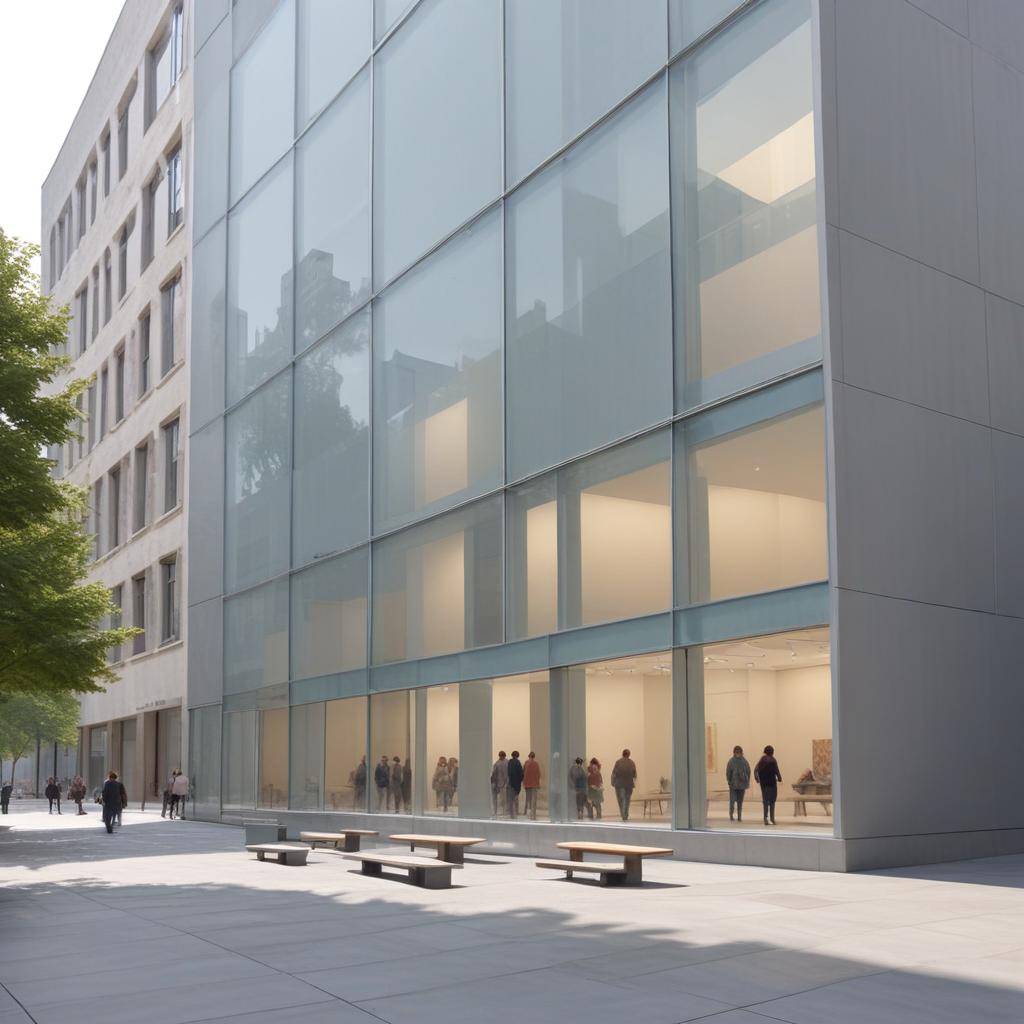
Overview of Galleries in Contemporary Art
In the evolving landscape of contemporary art, galleries serve as pivotal spaces that bridge artists, audiences, and the broader art world. Art galleries are specialized art spaces dedicated to exhibiting contemporary art, creating an environment where new ideas and innovative practices can be explored and appreciated. These venues not only showcase artworks but also function as cultural hubs that foster dialogue between creators and viewers, encouraging an active engagement with modern artistic expressions.
The role of galleries in contemporary art extends beyond mere display; they are essential in shaping the careers of artists and influencing art trends. By providing a platform for emerging and established artists, art galleries help introduce diverse artistic voices and perspectives to the public. They act as mediators who curate and contextualize works, thereby making contemporary art more accessible and understandable for a wider audience. This mediation is vital in the dynamic and often complex field of contemporary art, where meanings and interpretations can vary widely.
Art galleries also contribute significantly to the economic ecosystem of contemporary art. They facilitate sales, support artists through exhibitions and promotions, and connect collectors with unique works. Their presence in the art market establishes a network that sustains artistic production and helps define the value of contemporary artworks. Moreover, galleries often organize events, talks, and educational programs that enrich the cultural fabric of their communities and promote deeper appreciation of contemporary artistic practices.
Overall, galleries as art spaces are indispensable to the contemporary art world. Their multifaceted role encompasses exhibition, education, promotion, and commercial activity, all of which sustain and invigorate contemporary art culture. By nurturing creativity and fostering connections between artists and audiences, galleries ensure that contemporary art remains a vibrant and influential force within the global cultural landscape.
Historical Evolution of Art Galleries
The history of galleries is a fascinating journey through the art world, reflecting the evolution of art itself. Initially, art galleries served predominantly as private collections, accessible mainly to aristocrats and wealthy patrons. Over time, these spaces transformed into venues for public exhibition and sale, marking the beginning of gallery development as we recognize it today. The 18th and 19th centuries saw a significant shift as galleries started embracing a more public-facing role, showcasing artists’ works to wider audiences and fostering cultural exchange.
As the contemporary art history unfolded, galleries adapted to the changing artistic landscape, transitioning from traditional showcases to dynamic contemporary art spaces. This evolution mirrored broader shifts in art movements and societal changes, pushing galleries to become experimental platforms that promote modern aesthetics and innovative expressions. The history and evolution of art galleries reveal their critical function in not only exhibiting art but also in shaping artistic trends and supporting emerging talents.
Today, galleries are vital hubs in the contemporary art ecosystem, reflecting diverse practices and global dialogues. Their transformation underscores a continuous evolution—rooted in history yet prominently engaged with present and future artistic developments. The role of galleries in contemporary art is thus deeply connected to their historical significance and ongoing development, bridging the gap between past traditions and current creative explorations.
Types of Galleries in Contemporary Art
In the contemporary art world, there are several types of galleries, each serving distinct roles that contribute to the overall ecosystem. Understanding the types of galleries is essential for artists, collectors, and art enthusiasts alike.
Commercial galleries are perhaps the most widely recognized. These galleries operate as businesses that represent artists and sell their artwork to collectors and the public. Their primary function is to promote artists and generate sales, often taking a commission on artworks sold. Commercial galleries frequently host exhibitions, open studios, and art fairs to increase visibility and market opportunities for their artists.
Non-profit galleries, on the other hand, focus more on community engagement, education, and the promotion of experimental or marginalized art forms. These galleries do not operate with a profit motive and often rely on grants, donations, and public funding. Their mission typically centers on supporting artistic innovation and accessibility rather than commercial success, providing valuable platforms for emerging and underrepresented artists.
Artist-run spaces represent a more grassroots approach to gallery operation. Managed and curated by artists themselves, these spaces foster community collaboration and creative freedom. They often operate on a non-commercial basis, prioritizing artistic experimentation and dialogue over sales. Artist-run spaces can be crucial incubators for new ideas and alternative practices in contemporary art.
Each type of gallery—commercial galleries, non-profit galleries, and artist-run spaces—plays a unique and complementary role in promoting contemporary art, supporting artists, and engaging diverse audiences.
Functions and Impact of Galleries
Galleries play a multifaceted role in the contemporary art world, serving as crucial hubs for the promotion and dissemination of artistic works. One of the primary gallery functions is acting as intermediaries between artists and collectors, providing a platform where artworks can be exhibited, appreciated, and sold. By showcasing diverse artistic styles and media, galleries help artists gain visibility and establish their reputations within the competitive art market.
In addition to facilitating sales, galleries often support artists through career development, offering guidance on portfolio presentation, pricing strategies, and audience engagement. This mentorship fosters creative growth and empowers artists to navigate the complexities of the art industry. Galleries also contribute significantly to art promotion by organizing exhibitions, events, and art fairs that draw public attention and critical acclaim to emerging and established talents alike.
The impact of galleries extends beyond individual artists to influence collectors. Galleries act as trusted advisors, helping collectors make informed decisions and build meaningful art collections. Through their curated selections and expertise, galleries shape collectors’ tastes and trends, which in turn affects the broader market dynamics. This symbiosis strengthens the financial ecosystem supporting contemporary art, ensuring sustainable careers for artists and enriching the cultural fabric.
Moreover, galleries serve as cultural institutions that contribute to the wider cultural landscape. By promoting diverse voices and avant-garde practices, galleries challenge conventional narratives and encourage critical discourse. Their exhibitions and programs engage communities culturally and intellectually, fostering a deeper understanding and appreciation of contemporary art’s role in society. In doing so, galleries not only bolster artistic innovation but also shape cultural identity and heritage.
Overall, the gallery functions encompass artistic, commercial, and cultural dimensions. They impact artists by providing essential support and exposure, influence collectors in curating significant collections, and enrich the cultural environment by promoting creative expression and dialogue. This pivotal role cements galleries as vital players in sustaining and advancing contemporary art worldwide.
Supporting Artists and Artistic Development
Galleries play a crucial role in artist support by providing a platform for artistic development and career growth. Through exhibitions, galleries offer artists the opportunity to showcase their work to a broader audience, including art collectors, critics, and enthusiasts. This exposure is vital for artists seeking to establish and expand their reputation within the contemporary art world.
Beyond exhibitions, galleries influence the trajectory of an artist’s career by facilitating networking opportunities. By connecting artists with influential figures in the art community, galleries foster relationships that can lead to collaborations, commissions, and participation in prestigious art fairs. These connections are essential for artistic development and help artists navigate their professional path.
Financial backing is another critical form of support galleries provide. Through purchasing artwork, advancing funds for materials, or funding specific projects, galleries enable artists to focus more fully on their creative processes without the constant worry of financial instability. This support not only sustains artists but also encourages experimentation and innovation within their work.
Ultimately, galleries serve as a cornerstone for artist support and artistic development, influencing both the individual growth of artists and the broader contemporary art landscape. Their multifaceted support systems are fundamental in ensuring that artists can thrive and continue to contribute meaningful and influential art.
Market and Promotion Role
Galleries play a crucial role in the contemporary art market by acting as intermediaries between artists and collectors. Their expertise in gallery marketing helps to elevate the visibility of artworks, making them more accessible to potential buyers. By organizing exhibitions, openings, and special events, galleries create promotional opportunities that attract attention not only from collectors but also from critics, curators, and the general public. This active promotion is essential for generating interest and demand, which directly influences art sales.
Moreover, galleries facilitate the negotiation and mediation of sales, ensuring smooth transactions that benefit both artists and collectors. They often have established networks and knowledge of market trends, allowing them to position artworks strategically within the art market. This positioning helps shape the value and reputation of contemporary artists, contributing to the evolution of the market itself.
By supporting artists through promotion and sales mediation, galleries contribute significantly to the growth and sustainability of the contemporary art ecosystem. Their role extends beyond mere sales; it includes curating a market narrative and fostering a dynamic dialogue around contemporary art. Hence, galleries are indispensable players in driving the art market while simultaneously promoting the careers of artists and the appreciation of their work.
Challenges and Future Trends for Contemporary Galleries
Contemporary galleries today face a variety of significant gallery challenges that are reshaping their role in the art world. The rapidly evolving art market changes have introduced complexities including increased competition, shifting buyer demographics, and unpredictable economic conditions. These factors require galleries to adapt quickly and innovatively to stay relevant and thrive.
One major challenge is navigating the rise of online platforms and digital marketplaces that alter how art is bought and sold. This digital transformation has expanded audiences but also increased pressure on galleries to develop robust online presences. Embracing technology, from virtual exhibitions to augmented reality art experiences, is becoming a necessity for contemporary galleries aiming to engage new generations of collectors and art enthusiasts.
Additionally, contemporary galleries must grapple with the growing demand for transparency and ethical practices in the art world. Issues such as provenance, artist representation, and environmental responsibility are influencing how galleries operate and interact with both artists and clients. These expectations drive galleries to rethink business models and adopt more sustainable and inclusive practices.
Looking ahead, the future of galleries is closely linked to how well they can integrate digital tools while maintaining the unique, tactile experience of viewing art in person. Hybrid models combining physical spaces with dynamic online platforms are emerging as successful strategies. Furthermore, galleries are exploring new forms of engagement, such as immersive installations and interactive storytelling, to deepen the connection between art and audience.
In conclusion, while contemporary galleries confront substantial challenges from shifting art market changes and technological disruption, these pressures also open avenues for innovation. By embracing digital transformation and evolving their operational models, galleries can secure their place in the art ecosystem of the future, offering vibrant cultural experiences that resonate with increasingly diverse and globalized audiences.
Adapting to Digital and Online Platforms
In the evolving landscape of contemporary art, galleries are increasingly embracing digital tools and online platforms to expand their reach and enhance engagement with audiences worldwide. The rise of digital art sales has opened new avenues for artists and galleries to connect with collectors beyond traditional physical spaces. Online galleries have become crucial in showcasing diverse artworks, making art more accessible to a global audience regardless of geographical limitations.
Virtual exhibitions are another innovative approach that galleries are adopting to provide immersive experiences without the constraints of physical venues. These exhibitions leverage cutting-edge technology in art presentation, offering interactive tours and real-time engagement opportunities for art enthusiasts. By integrating technology in art, galleries not only maintain relevance but also attract a broader demographic, including younger generations who are native to digital environments.
Moreover, digital platforms enable galleries to collect valuable data on visitor preferences and behaviors, allowing for tailored marketing strategies and personalized outreach. This digital transformation fosters a dynamic, interactive art ecosystem where artists, galleries, and collectors can engage seamlessly. As technology continues to innovate, galleries that adapt to these digital trends are better positioned to thrive in the contemporary art market.
Economic and Social Challenges
Galleries face significant economic issues as they navigate an increasingly volatile market environment characterized by funding challenges and market instability. The fluctuating nature of art sales and sponsorships often leaves galleries struggling to secure consistent financial support, which is crucial for their operations and the promotion of contemporary artists. These economic uncertainties compel galleries to adapt their business models, sometimes shifting towards more commercially viable exhibitions or diversifying income streams through events and collaborations.
Beyond financial pressures, galleries also grapple with evolving social expectations and their impact on the art world. The social impact of galleries extends beyond mere exhibition spaces; they are cultural mediators addressing inclusivity, representation, and community engagement. This growing social responsibility often requires galleries to rethink their programming and outreach initiatives to foster greater accessibility and relevance in diverse communities. However, balancing these social objectives with economic survival remains a complex challenge.
Overall, the intersection of economic hardships and rising social awareness places galleries in a delicate position. Funding challenges are exacerbated by the need to stay socially relevant, making the role of galleries in contemporary art a constant negotiation between sustaining their business and fulfilling their cultural mission in a changing world.

I have spent years transforming my home into a personal gallery, constantly hunting for unique pieces that bring walls to life. There is nothing quite like the thrill of discovering an emerging artist online and finding the perfect artwork to complement a room. I am passionate about helping others navigate the world of digital art markets to find authentic pieces that truly resonate with their style.