Introduction to Surrealism Art
Surrealism art emerged as a groundbreaking art movement in the early 20th century, challenging traditional artistic conventions and exploring the subconscious mind. Rooted deeply in the aftermath of World War I, this art movement was born out of a desire to transcend reality and express the inner workings of the human psyche. The origins of surrealism can be traced back to the Dada movement, which questioned rationality and embraced chaos and irrationality, laying the groundwork for what would become surrealism.
The history of surrealism art formally began in the 1920s with the publication of the Surrealist Manifesto by André Breton, a French poet and critic. Breton defined surrealism as “pure psychic automatism,” a way to reveal the unconscious mind by bypassing logical thought processes. This art movement quickly spread beyond literature to influence visual arts, film, and even philosophy. Artists associated with surrealism, such as Salvador Dalí, René Magritte, and Max Ernst, sought to create dreamlike, fantastical imagery that juxtaposed unexpected elements to evoke surprise, intrigue, and emotional depth.
An essential characteristic of surrealism art is its focus on the unconscious and dreams as sources of creative inspiration. Influenced heavily by Sigmund Freud’s psychoanalytic theories, surrealists aimed to access a deeper reality that lies beneath waking life. This involved techniques such as automatic drawing, where artists allowed their hands to move freely without conscious control, and the use of symbolic imagery to represent hidden desires and fears. The objective was to challenge perceptions of reality and explore themes such as identity, transformation, and the irrational.
In summary, surreality art stands as a pivotal art movement that reshaped 20th-century art and culture by delving into the mysteries of the mind and rejecting traditional realism. Through its rich history and revolutionary ideas, it offers an art overview that continues to influence contemporary artists and captivates audiences worldwide.
Historical Background of Surrealism
The surrealism movement emerged in the early 1920s as a radical avant-garde response to the cultural and social upheavals of the post-World War I era. Rooted deeply in the emotional and psychological aftermath of the war, surrealism sought to revolutionize not only art but also the way people perceived reality. This period of 1920s art was marked by experimentation and the breaking away from traditional norms, reflecting an eagerness to explore the unconscious mind and dreams.
At its core, surrealism was influenced by earlier avant-garde movements such as Dadaism, which rejected logic and conventional aesthetics. The cultural context of the time — including the disillusionment with political establishments and the desire for freedom of expression — shaped surrealism’s focus on irrationality, chance, and the blending of fantasy with reality. Founded by key figures such as André Breton, who penned the surrealist manifesto in 1924, the movement gave rise to a diverse group of artists, writers, and thinkers dedicated to exploring new dimensions of creativity and consciousness.
Surrealism’s historical background is inseparable from the socio-political climate of the 1920s, where the desire to escape the horrors and rigid structures of the past led to a dynamic and influential artistic revolution. The surrealism history intertwines with psychological theories from Freud and a quest to uncover the deeper truths beneath everyday life, making it a defining avant-garde movement of modern art.
Philosophical Foundations of Surrealism
The philosophy of surrealism is deeply rooted in the exploration of dreams, the subconscious mind, and the influence of psychoanalytic theories, particularly those of Sigmund Freud. Surrealist artists sought to unlock the hidden realms of the human psyche to challenge conventional reality and rational thought.
- Freud’s influence was paramount; his theories about the unconscious mind and the significance of dreams provided surrealists with a framework for understanding hidden desires and fears.
- Surrealists believed that dreams were a gateway to the subconscious, a place where creativity flowed freely without the limitations imposed by reality and logic.
- The philosophy of surrealism emphasized automatic writing and drawing as techniques to bypass conscious control and tap directly into the subconscious mind.
- By exploring the subconscious, surrealists aimed to reveal truths about human existence that are often suppressed by societal norms and rational thinking.
- This approach allowed artists to depict bizarre, fantastical imagery that defied reason but expressed deeper emotional and psychological realities.
- Ultimately, the philosophical foundations of surrealism challenged viewers to reconsider the nature of reality, perception, and the boundaries between the conscious and subconscious selves.
Core Concepts and Techniques in Surrealism
Surrealism concepts revolve around unlocking the power of the subconscious mind to create unique and often dreamlike artwork. This movement challenges conventional artistic norms by exploring the irrational and the unexpected, bringing to life imagery that defies logical explanation. Central to surrealism concepts is the idea that the subconscious is a rich source of creative inspiration, and artists employ various art techniques to tap into this hidden wellspring of thoughts and emotions.
One of the primary art techniques used in surrealism is automatism, sometimes referred to as automatic writing or drawing. Automatism allows the artist to bypass conscious control, enabling spontaneous and unfiltered expression. By letting their hand move freely across the canvas or paper without preconceived notions, artists can reveal subconscious imagery that might otherwise remain buried. This technique serves as a direct link between the unconscious mind and the creative process, producing surprising and often bizarre results that challenge the viewer’s perceptions.
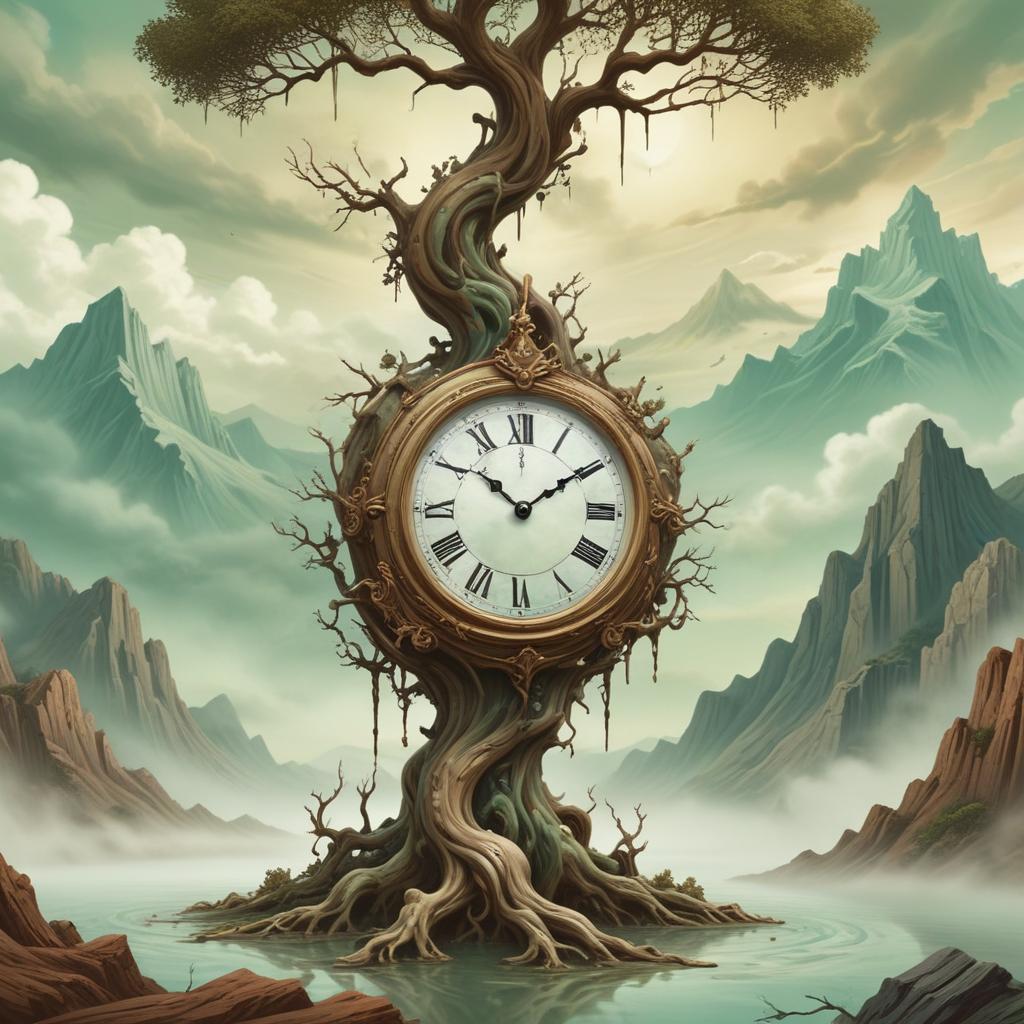
Another distinctive surrealism technique is juxtaposition, where unrelated objects or ideas are placed together to create startling contrasts and unexpected combinations. This visual language challenges rational thought and invites viewers to reinterpret the meaning of everyday objects. Juxtaposition in surrealist art often generates a sense of mystery, encouraging deeper reflection on the symbolic and psychological layers beneath the surface.
In addition to automatism and juxtaposition, surrealism incorporates other techniques such as collage, frottage, and exquisite corpse, all aimed at disrupting conventional artistic logic and fostering a freer flow of creativity. These methods emphasize chance, randomness, and the exploration of inner realities, reinforcing the movement’s goal of expressing the subconscious in tangible and innovative ways.
Ultimately, many surrealist artists seek to develop a visual language capable of communicating the complex and often contradictory nature of the human psyche. Through these surrealism concepts and art techniques, the movement continues to challenge the boundaries of art, inviting both artists and viewers to explore the depths of imagination and the mysterious workings of the mind.
Automatic Drawing and Writing
Automatic drawing and writing are key surrealist techniques that allow artists to bypass the constraints of rational thought and tap directly into the creative subconscious. This concept, known as automatism, encourages a flow of spontaneous expression without interference from conscious control or judgement. By allowing the hand to move freely, whether in sketching or writing, artists unlock a rich vein of imagery and ideas that might otherwise remain inaccessible.
The creative process involved in automatic drawing and writing is essentially a dialogue between the conscious and unconscious mind. The artist initiates the gesture or mark-making, then follows through without premeditation, generating unexpected forms or narratives. This mode of working challenges traditional, deliberate techniques and highlights the value of chance and intuition in producing authentic and original work.
Surrealist artists embraced automatism as a revolutionary way to reject logical constraints and conventional aesthetics. The resulting drawings and writings often appear dreamlike, fragmented, or abstract, revealing hidden emotions, fears, and desires. Ultimately, automatic drawing and writing serve as powerful tools in the surrealist arsenal to explore inner realities and enhance creative freedom beyond the limits of reason.
Juxtaposition and Dream Imagery
Juxtaposition art is a hallmark of surrealism, where artists deliberately combine unexpected elements to provoke thought and stir the unconscious mind. This technique involves placing disparate objects, scenes, or figures side by side, creating visual symbolism that challenges logical perception. By doing so, surrealist artists unlock new meanings and emotional responses that would not arise from conventional associations.
Dream imagery plays a crucial role in surrealism, drawing inspiration from the mysterious, often illogical nature of dreams. These dream-like visuals transcend reality, blending familiar and fantastical elements to evoke the sensation of the unconscious experience. This approach allows surrealist motifs to delve deeply into the psyche, revealing hidden fears, desires, and subverted narratives that defy rational explanation.
Through the fusion of juxtaposition art and dream imagery, surrealist works trigger powerful emotional and intellectual responses. The unusual combinations and strange environments act as visual symbols, prompting viewers to interpret layered meanings beyond the surface. This method generates surreal effects that challenge the boundary between waking life and the dream world, inviting an exploration of personal and collective unconscious realms.
Impact and Legacy of Surrealism Art
Surrealism has left a profound and lasting impact on modern art, shaping not only the visual landscape but also influencing various cultural and creative fields. Emerging in the early 20th century, surrealism challenged conventional perceptions of reality by embracing the unconscious mind, dreams, and the irrational. This departure from traditional artistic norms laid the groundwork for new modes of expression that continue to resonate in contemporary art today.
The surrealism influence is evident across numerous modern art movements, inspiring artists to experiment with abstraction, symbolism, and unconventional techniques. Artists such as Salvador Dalí, René Magritte, and Max Ernst pioneered imaginative visual languages that blurred the boundaries between fantasy and reality, encouraging others to explore their psyche without restraint. Their work opened the door for subsequent generations to delve into personal, social, and political themes through innovative forms and unexpected juxtapositions.
Beyond the realm of painting and sculpture, surrealism’s cultural impact extends into literature, film, theater, and even fashion. The movement’s emphasis on the subconscious and dream imagery has influenced filmmakers like Luis Buñuel and David Lynch, who employ surreal elements to evoke emotional and psychological depth. In literature, surrealist techniques manifest through disjointed narratives and fantastical storytelling that challenge readers’ perceptions. Similarly, the avant-garde nature of surrealism has inspired fashion designers to experiment with bold and imaginative designs that defy conventional aesthetics.
The legacy of surrealism endures as artists and creators continue to draw from its principles of freedom, creativity, and exploration of the human mind. Surrealism’s foundational belief in unlocking hidden truths within the unconscious encourages ongoing experimentation and the breaking of artistic boundaries. This dynamic influence ensures that surrealism remains a vital part of modern artistic and cultural dialogue, fostering innovation and inspiring future generations to challenge reality through their unique perspectives.
Surrealism’s Influence on Modern Art
Surrealism’s principles continue to have a profound influence on modern art, shaping contemporary artistic styles and movements across various media. Its impact can be seen not only in painting and sculpture but also in digital art, photography, film, and installation art. The legacy of post-surrealism allows artists to explore the unconscious mind, dreams, and unexpected juxtapositions, breathing new life into modern creativity.
- Exploration of the subconscious: Surrealism’s emphasis on the unconscious mind encourages modern artists to delve into dreamlike imagery and abstract concepts, fostering innovation across artistic disciplines.
- Juxtaposition and abstraction: Unexpected combinations of objects and abstract forms continue to inspire contemporary art, pushing boundaries and encouraging viewers to question reality.
- Cross-media experimentation: Influenced by surrealist techniques, modern artists often blend traditional and digital media, expanding the possibilities of contemporary art expression.
- Post-surrealism movements: Various modern art movements draw on surrealist ideas, integrating its themes into new contexts and cultural narratives.
- Impact on visual storytelling: The surrealist approach to narrative and symbolism enriches contemporary art by adding layers of meaning and inviting deeper interpretation.
Surrealism Beyond Visual Arts
Surrealism, initially rooted in visual arts, has profoundly influenced a wide array of cultural expressions, extending its reach into literature, cinema, theater, and music. In surrealism literature, writers explore the unconscious mind by crafting dreamlike narratives that defy logical constraints, blending reality with fantasy to evoke emotions and challenge perceptions. This approach disrupts traditional storytelling, inviting readers into a realm where free association and unexpected juxtapositions lead to new meanings.
Similarly, cinema surrealism utilizes visual storytelling techniques that emphasize the bizarre and fantastical. Filmmakers employ non-linear narratives, symbolic imagery, and strange, dream-inspired sequences to create films that engage viewers on a subconscious level. This breaks away from conventional cinematic structure, encouraging audiences to interpret the films through their own imagination and emotional responses.
Theatre under the surrealism banner often features abstract staging and fragmented dialogue, fostering an environment where conventional narratives dissolve. This form of experimentation allows actors and directors to explore the human psyche and broader existential themes in innovative ways.
Music surrealism also finds expression through unconventional compositions that blend unexpected sounds, rhythms, and silences to evoke surreal atmospheres. By pushing the boundaries of melody and structure, surrealist music invites listeners to experience sound beyond traditional musical frameworks.
Through these diverse forms — literature, cinema, theater, and music — surrealism has significantly influenced broader cultural expressions, inspiring a continuous questioning of reality and opening new pathways for creative exploration and cultural discourse.

I have spent years transforming my home into a personal gallery, constantly hunting for unique pieces that bring walls to life. There is nothing quite like the thrill of discovering an emerging artist online and finding the perfect artwork to complement a room. I am passionate about helping others navigate the world of digital art markets to find authentic pieces that truly resonate with their style.