The decision to feature nature in your art collection isn’t just about aesthetics, it’s a strategic choice that can elevate the emotional resonance and market value of your pieces. Whether you’re curating a gallery wall, selecting pieces for a client’s home, or building an inventory for an online art shop, understanding how nature is depicted in paintings allows you to make informed decisions that align with contemporary tastes and artistic trends. The key lies in recognizing the technical and conceptual nuances behind nature-themed works, from the historical influences shaping their composition to the modern interpretations that make them stand out in today’s market. This guide breaks down the essentials, from identifying timeless techniques to avoiding common pitfalls that could diminish a painting’s appeal or value.
Identify the core techniques that define nature paintings
The most compelling nature paintings don’t just show landscapes or flora, they use specific techniques to create depth, movement, and emotional weight. Lighting is the first critical element; artists like John Constable relied on atmospheric perspective, where distant elements fade into soft blues and grays to simulate depth, while closer subjects retain vibrant colors and sharp edges. Texture also plays a role: impressionists like Claude Monet used visible brushstrokes to mimic the fleeting quality of light on water or leaves, whereas realism demands meticulous detail to capture the exact surface of a bark or the ripples in a stream. Pay attention to how artists handle contrast, high-contrast works, such as those by Caspar David Friedrich, draw the viewer’s eye to dramatic skies or solitary figures, while low-contrast pieces, like those from the Dutch Golden Age, create a serene, almost meditative atmosphere. When evaluating or purchasing nature paintings, ask yourself whether the technique aligns with the mood you want to evoke: realism for precision, impressionism for emotion, or abstraction for modern interpretation.
Another technical hallmark is the use of symbolism. A lone tree, for example, might represent resilience or solitude, while a stormy sky could symbolize chaos or transformation. In works like Friedrich’s Wanderer Above the Sea of Fog, the composition guides the viewer’s gaze upward, creating a sense of aspiration. When browsing collections or inventory, look for paintings where the artist has intentionally layered symbolism with technical skill, these pieces often command higher prices because they offer both visual and conceptual depth. Avoid pieces where nature is merely decorative; the best works integrate the subject with broader artistic or philosophical ideas.
Understand the historical movements that shaped nature in art
Nature in art hasn’t been static, it’s evolved through distinct movements, each with its own rules and appeal. The Romantic era, which flourished in the late 18th and early 19th centuries, emphasized raw emotion and the sublime, often depicting untamed landscapes like the Swiss Alps or stormy seas. Artists such as J.M.W. Turner used dramatic lighting and chaotic brushwork to evoke the power of nature, making these works highly sought after by collectors who appreciate their dramatic flair. In contrast, the Impressionist movement of the late 19th century shifted focus to capturing fleeting moments, think Monet’s water lilies or Renoir’s gardens, where the emphasis was on light and color over rigid composition. These pieces are popular today for their vibrant, almost playful energy, making them ideal for spaces where a lively atmosphere is desired.
More recently, abstract interpretations of nature have gained traction, particularly in modern and contemporary art. Artists like Mark Rothko used large, sweeping strokes of color to evoke the emotional weight of landscapes without literal representation. When selecting abstract nature paintings, prioritize works where the artist’s intent is clear, whether it’s a meditation on environmental concerns or a purely sensory experience. Historical context matters in pricing and appeal; a 19th-century Romantic landscape might fetch a premium for its historical significance, while a 21st-century abstract piece could resonate with younger buyers who prefer minimalist or conceptual art. Always research the movement behind a painting to ensure it aligns with your collection’s goals.
Determine how to assess the authenticity and provenance of nature-themed works
Not all nature paintings are created equal, and authenticity can make or break a piece’s value. Start by verifying the artist’s signature and style, many forgers mimic famous signatures, but subtle differences in brushwork or compositional choices can reveal inconsistencies. For example, a genuine Monet will have loose, expressive strokes, while a forgery might appear overly precise or rigid. When in doubt, consult an expert or use tools like the Art Loss Register or Interpol’s Stolen Works Database to cross-check provenance. Documentation is key; look for certificates of authenticity, exhibition records, or appraisals that trace the painting’s history. A piece with a clear provenance, such as one that was once owned by a notable collector, will almost always command a higher price than one with a murky past.
On Paint Coach, they cover practical painting techniques – you can watch their tip on landscape painting right here.

Another red flag is the price-to-quality ratio. If a painting appears to be a high-quality nature scene but is priced significantly lower than comparable works, it could be a reproduction or a lesser-known artist’s piece. Always compare similar pieces in the market, websites like Artsy or Saatchi Art allow you to filter by artist, movement, and medium to gauge fair pricing. When purchasing, ask for a detailed description of the painting’s condition, including any restorations or repairs. Even minor damage can affect value, so request high-resolution images or an in-person inspection if possible. Trust your instincts; if something feels off about the story behind the painting, it’s worth digging deeper before making a purchase.
Learn how to style nature paintings to maximize their impact in a space
The way you display a nature painting can transform its effect on a room. Lighting is the most critical factor, natural light enhances the colors in a landscape, while artificial lighting should be soft and directional to avoid harsh shadows. For example, a Monet water lily painting will glow under warm, diffused light but may look flat under bright overhead lighting. Consider the room’s purpose: in a living room, a large landscape might anchor the space, while in a bedroom, a smaller, more intimate piece could create a calming focal point. The frame also matters; a dark wood frame can make a vibrant painting pop, whereas a white or gold frame might soften the colors. Avoid frames that clash with the painting’s subject, if the artwork features deep greens, a black frame will complement it, while a gold frame might overpower it.
Placement is equally important. In a gallery setting, nature paintings often work best when grouped by theme or period, pairing a Romantic landscape with an Impressionist piece can create a dynamic visual narrative. For individual pieces, consider the room’s architecture: a painting of a mountain vista might look stunning above a fireplace, while a seascapes could frame a window to mirror the outside view. Avoid hanging nature paintings too high or too low; the center of the painting should align with the viewer’s eye level when seated. If the piece is abstract, experiment with orientation, sometimes rotating a painting can reveal new layers of meaning. Finally, consider the surrounding decor: a nature painting in a minimalist space will feel more intentional than one surrounded by clutter.
Recognize the most profitable nature-themed art trends in 2024
The art market is always shifting, and nature-themed paintings that align with current trends tend to sell faster and for higher prices. One of the biggest trends is eco-conscious art, pieces that subtly or overtly address environmental themes, such as deforestation or climate change, are gaining traction among buyers who want their decor to reflect their values. Artists like Yayoi Kusama’s infinite landscapes or contemporary works depicting endangered ecosystems fit this niche. Another lucrative trend is the revival of vintage styles, particularly from the 19th and early 20th centuries, where Romantic and Impressionist nature scenes are experiencing a resurgence in popularity. These pieces often appeal to buyers who appreciate nostalgia and craftsmanship. For online shops, consider offering limited-edition prints or digital versions of these classic works to tap into the demand for accessible yet high-quality art.
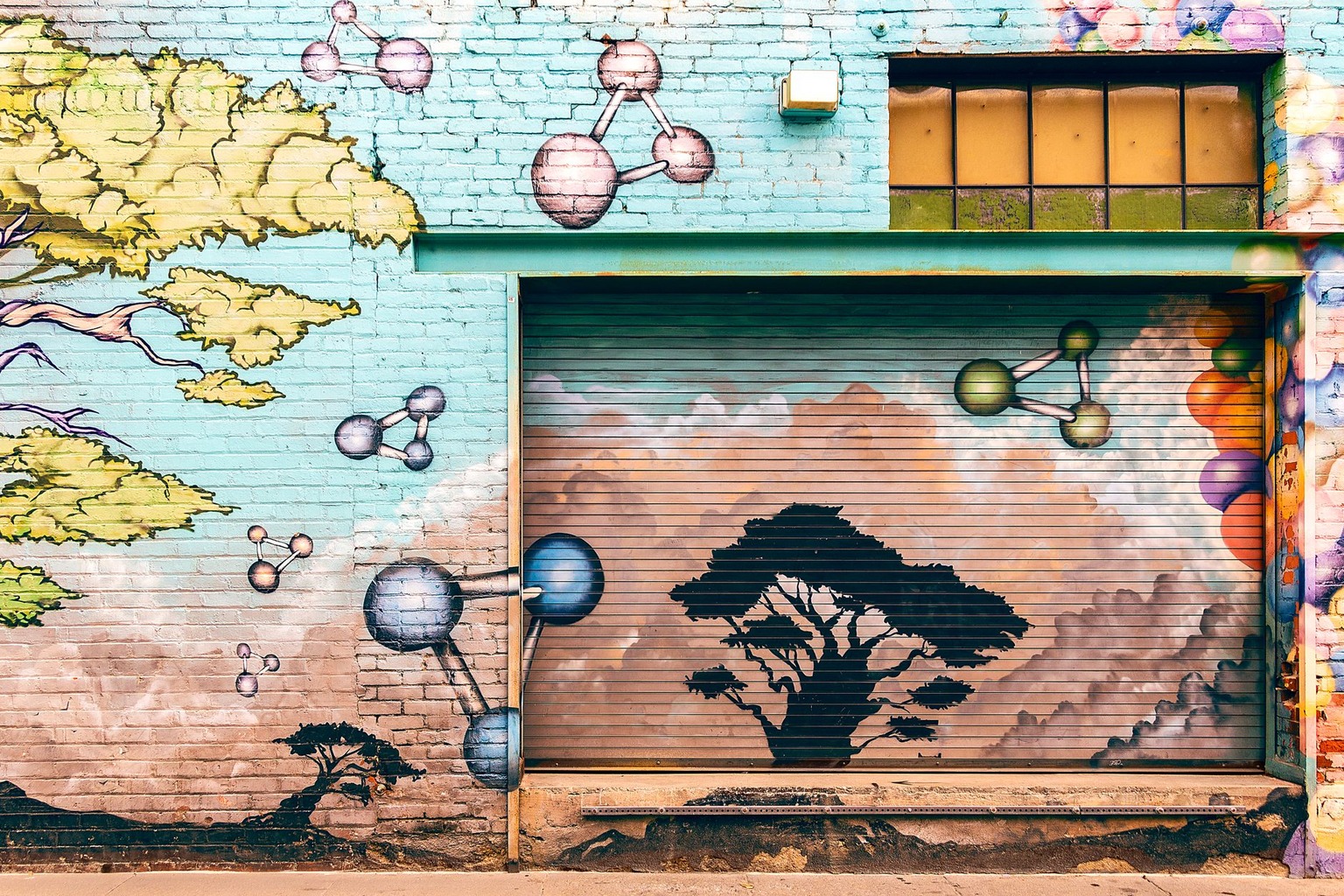
Urban nature paintings, those that blend cityscapes with elements of nature, like trees growing through cracks in pavement or birds perched on skyscrapers, are also becoming increasingly popular. These works resonate with buyers in densely populated areas who want a connection to nature without leaving the city. Abstract interpretations of nature, particularly those using bold colors or geometric forms, are another growth area, especially among younger collectors who prefer contemporary aesthetics. When curating your inventory, prioritize pieces that reflect these trends while also offering a mix of styles to appeal to diverse tastes. Keep an eye on emerging artists, many of today’s most profitable nature paintings come from up-and-coming talents whose work hasn’t yet saturated the market. Platforms like Instagram and ArtStation can help you spot these trends early.
Avoid common mistakes that devalue nature paintings
Even the most beautiful nature paintings can lose value if they’re not handled or marketed correctly. One of the biggest mistakes is mislabeling the medium, if a painting is sold as an oil on canvas but is actually a digital print, buyers will notice, and the piece’s value will plummet. Always provide accurate descriptions, including the artist’s name, year of creation, medium, dimensions, and any notable provenance. Another pitfall is overpricing based on hype rather than market demand. A painting by a lesser-known artist might not sell for the same price as a piece by a household name, no matter how similar they appear. Research comparable sales to set realistic prices, websites like LiveAuctioneers or Sotheby’s can provide benchmarks for similar works. Avoid vague language in listings; instead of saying “beautiful landscape,” specify whether it’s a Romantic seascape, an Impressionist garden, or an abstract forest.
Physical damage is another issue that can drastically reduce a painting’s value. Scratches, discoloration, or improper framing can make even a masterpiece look neglected. When storing or shipping paintings, use acid-free materials and climate-controlled environments to prevent deterioration. For online listings, include high-resolution images that show the painting’s condition from multiple angles, buyers will appreciate transparency and be more likely to trust the piece’s quality. Finally, avoid the temptation to rush a sale by lowering prices repeatedly. Instead, set a firm asking price and be prepared to negotiate, but don’t undervalue the work. A well-priced, authentically marketed nature painting will attract serious buyers who appreciate its true worth.

I have spent years transforming my home into a personal gallery, constantly hunting for unique pieces that bring walls to life. There is nothing quite like the thrill of discovering an emerging artist online and finding the perfect artwork to complement a room. I am passionate about helping others navigate the world of digital art markets to find authentic pieces that truly resonate with their style.