Creating realistic paintings involves more than just a basic understanding of color and form; it requires a deep dive into techniques that can transform a simple canvas into a lifelike representation. Whether you are a seasoned artist or just starting your journey, mastering these methods can significantly enhance your ability to paint realistically. This article explores various techniques that can help you achieve photo-realistic results, whether you’re working with oils, acrylics, or digital mediums. Each section will delve into specific approaches that can elevate your artwork, making it not only visually striking but also emotionally resonant.
Understanding Light and Shadow
The interplay of light and shadow is fundamental to creating depth and realism in your paintings. To effectively depict light, observe how it interacts with different surfaces and textures. For instance, a glossy surface will reflect light differently than a matte one. Start by studying the way shadows fall in your reference images and practice sketching these shapes. Use a range of values from dark to light to illustrate form. This technique, known as chiaroscuro, will add dimension to your work. Remember, the goal is not just to replicate what you see but to understand how light affects the perception of objects.
When painting, consider the source of light in your composition. A single light source creates strong, defined shadows, while multiple light sources can create softer, more diffuse shadows. Experiment with different lighting scenarios in your practice pieces. For example, try painting a still life under natural light one day and under artificial light the next. This will help you develop an eye for how different conditions can alter the appearance of your subjects.
Color Theory and Mixing
Mastering color theory is crucial for realistic painting. Understanding the color wheel, complementary colors, and color harmony can help you create more lifelike representations. When mixing colors, focus on achieving the right hues, saturation, and value. Realistic paintings often require subtle color variations that mimic those found in nature. For example, a skin tone isn’t just one flat color but a blend of various shades that reflect light and shadow. Spend time experimenting with mixing colors and observe how different combinations can create depth and dimension.
Using a limited palette can also enhance your color mixing skills. By restricting the number of colors you use, you force yourself to learn how to create a wider range of tones. This technique can lead to a more cohesive look in your artwork. Additionally, consider using glazing techniques to build up layers of color gradually. This method not only adds richness to your work but also allows for adjustments in tone and hue as you progress.
Brush Techniques for Realism
The way you apply paint to the canvas can drastically affect the realism of your artwork. Different brush techniques can create textures that mimic natural surfaces. For example, a stippling technique can be used to create the illusion of rough textures like tree bark or stone. Conversely, smooth blending techniques can be effective for skin tones or soft clouds. Practice varying your brush strokes and discover how each technique can convey different textures and feelings in your work.
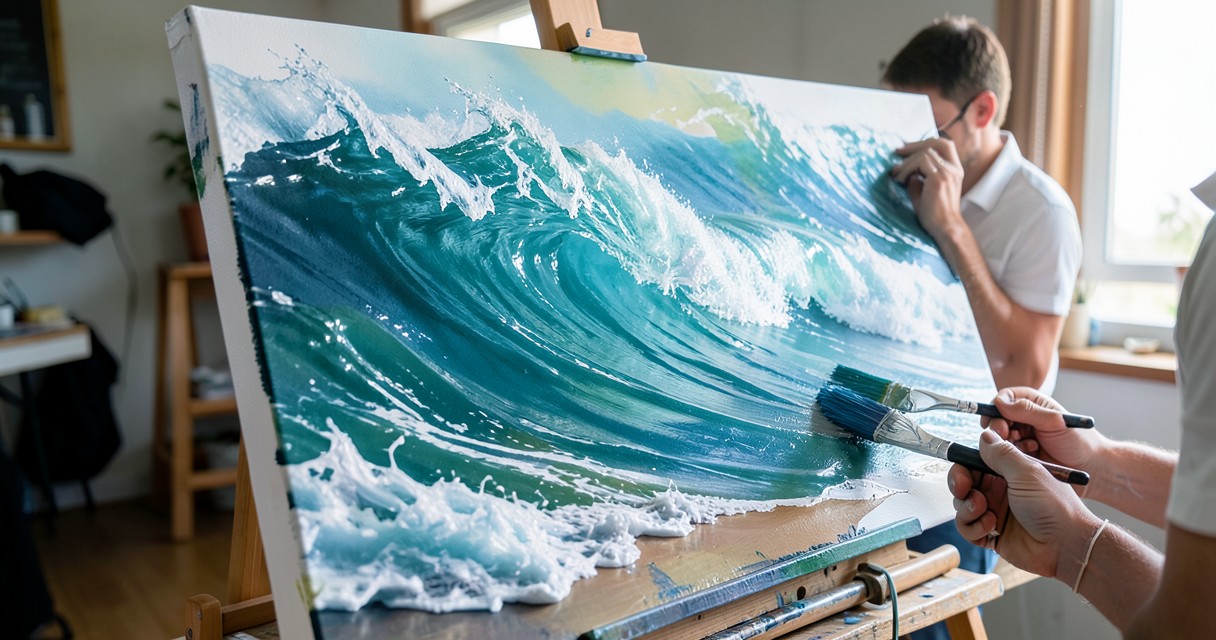
Consider using different types of brushes for various effects. Flat brushes can create sharp edges and broad strokes, while round brushes are excellent for detail work. A fan brush can be useful for creating foliage or hair textures. Experimenting with brush types and strokes can help you find your unique style while also enhancing the realism of your pieces. Don’t shy away from using unconventional tools, like sponges or palette knives, to create interesting textures and effects.
Photorealism Techniques
Photorealism is a genre that aims to create paintings that are indistinguishable from photographs. To achieve this level of detail, start by using a grid system. This method involves dividing your reference image into a grid and then replicating it square by square on your canvas. This technique helps maintain accurate proportions and placements of elements in your painting. Additionally, pay close attention to minute details, such as reflections, highlights, and textures, which can make a significant difference in achieving photorealistic results.
Another essential aspect of photorealism is the use of a camera. Many artists use high-resolution photographs as references for their work. This allows for capturing intricate details that may be missed with the naked eye. Consider investing in a good quality camera to take your own reference photos. When working from photographs, be cautious of color accuracy and lighting; these factors can greatly influence the final outcome. Always compare your painting to the reference image frequently to ensure you are staying true to the original.
Digital Techniques for Realistic Painting
With the rise of digital art, many artists are exploring techniques that allow for realistic painting in a digital medium. Software like Adobe Photoshop and Procreate offer tools that can mimic traditional painting techniques, such as layering, blending, and texturing. One powerful approach is to use layers effectively, allowing you to separate different elements of your painting. This enables you to make adjustments without impacting the entire composition.
Utilizing brushes designed for digital painting can also enhance realism. Many programs offer brushes that replicate the effects of natural media, such as oil or watercolor. Experiment with these brushes to discover how they can replicate textures and effects similar to traditional painting. Additionally, consider using photo references within your digital workspace to guide your color choices and details, just as you would in traditional painting.
Composition and Perspective
Effective composition is key to creating a realistic painting. The arrangement of elements within your artwork can significantly impact how viewers perceive your subject. Utilize principles of design, such as the rule of thirds and leading lines, to create a balanced and engaging composition. A well-composed painting draws the viewer’s eye and enhances the overall realism of the piece.
Perspective also plays a critical role in realism. Understanding one-point and two-point perspective can help you accurately depict three-dimensional objects on a two-dimensional surface. Practice sketching objects from different angles to gain a better understanding of how perspective affects their appearance. The more you practice these techniques, the more naturally they will integrate into your painting process.
Practice and Observation
Ultimately, the key to painting realistically lies in consistent practice and keen observation. Regularly sketching from life, whether it be still lifes, landscapes, or human figures, will sharpen your skills and enhance your ability to see details. Consider setting aside dedicated time for practice each week, focusing on different aspects of realism in your work. This could involve working on color mixing one session, then concentrating on light and shadow the next.
Additionally, studying the work of master painters can provide invaluable insights into realistic techniques. Analyze their use of color, light, and composition. Many museums and galleries offer online resources where you can explore high-resolution images of famous artworks. By observing how these artists approached realism, you can adapt their techniques to your own style and create works that resonate with your audience.

I have spent years transforming my home into a personal gallery, constantly hunting for unique pieces that bring walls to life. There is nothing quite like the thrill of discovering an emerging artist online and finding the perfect artwork to complement a room. I am passionate about helping others navigate the world of digital art markets to find authentic pieces that truly resonate with their style.