
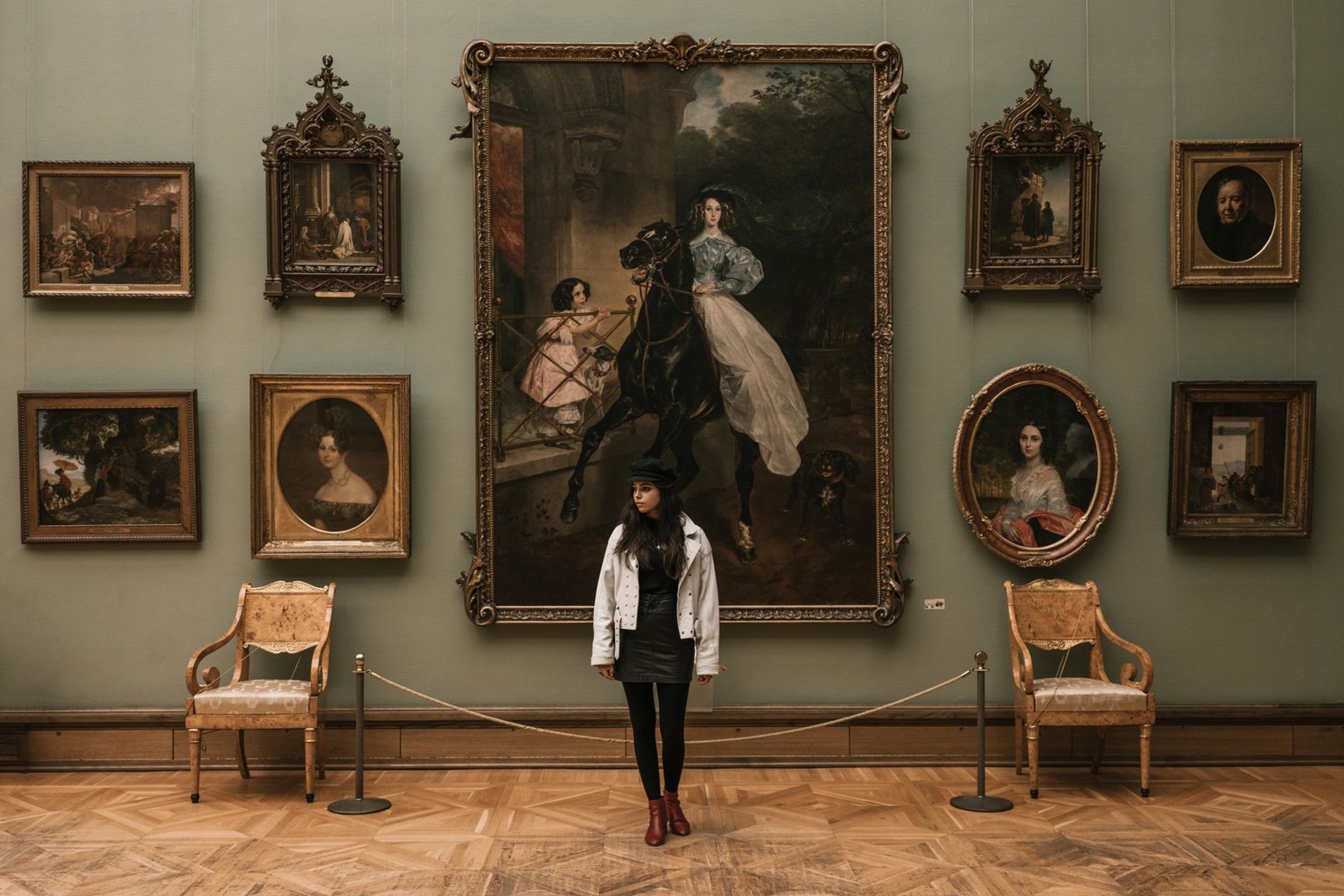
Figurative art, a genre that depicts recognizable subjects, has evolved significantly over the years. This style of art captures the human form, objects, and landscapes in a way that often reflects the artist’s interpretation rather than a strict realism. Mastering the language of fine art terminology can deepen your understanding and enjoyment of paintings, whether you are a collector, an enthusiast, or just someone decorating their space. This guide will walk you through the essentials of figurative art, from its historical context to practical tips for selecting pieces for your collection.
Understanding the Basics of Figurative Art
Figurative art primarily focuses on the representation of human figures, animals, and objects. Unlike abstract art, which prioritizes form and color over recognizable subjects, figurative art connects viewers to the familiar. This connection can evoke emotions, tell stories, and inspire thought. The portrayal of figures can range from realistic depictions to more stylized interpretations, allowing for a wide spectrum of expression. Understanding these nuances will help you appreciate the diversity within figurative art and choose pieces that resonate with you.
Historically, figurative art can be traced back to prehistoric cave paintings, evolving through ancient civilizations, the Renaissance, and into contemporary practices. Each era brought new techniques and philosophies, influencing how artists approached the human form and narrative. By studying these historical contexts, you can gain insights into the motivations behind specific works and the cultural significance they carry.
Prerequisites for Collecting Figurative Art
Before diving into the world of figurative art, it is essential to establish a foundation of knowledge. Start by familiarizing yourself with key artists and movements that have shaped this genre. Renowned figures such as Leonardo da Vinci, Vincent van Gogh, and Frida Kahlo each have unique styles and contributions that can inform your understanding. Reading books, attending exhibitions, and exploring online resources can provide valuable context.
Additionally, consider your personal taste and the themes that resonate with you. Do you prefer classic styles or modern interpretations? Are there specific emotions or narratives you wish to explore through your collection? Defining your preferences will guide your selection process and help you build a cohesive collection that reflects your identity.
Exploring Different Styles within Figurative Art
Figurative art encompasses various styles, each with its distinct characteristics. Realism, for example, aims for accurate representation, often highlighting the technical skill of the artist. In contrast, expressionism prioritizes emotional experience, using exaggerated forms and colors to convey feelings. Understanding these styles can enhance your appreciation and help you identify pieces that align with your preferences.
To learn more, check out this helpful video from Mark Valdez where they explain figurative art, which you can watch right here.

Contemporary figurative art often blends traditional techniques with modern themes, reflecting current societal issues and personal narratives. Artists like Kehinde Wiley and Jenny Saville challenge conventional representations of race, gender, and identity through their work. By exploring these contemporary voices, you can gain a deeper understanding of how figurative art continues to evolve and engage with the world around us.
Choosing the Right Figurative Art for Your Space
Selecting figurative art for your home or office requires consideration of both aesthetic and emotional factors. Start by assessing the space where you plan to display the artwork. Consider the size, color scheme, and overall ambiance. Larger pieces can serve as focal points, while smaller works can create a more intimate atmosphere. Think about whether you want the art to complement existing decor or stand out as a statement piece.
Next, reflect on the emotions and themes you want to convey. A serene landscape might evoke calmness, while a dynamic figure can add energy to a room. Choose pieces that resonate with you personally and that you feel will enhance the experience of the space. Trust your instincts; art is subjective, and what speaks to you is ultimately what matters most.
Common Mistakes to Avoid When Collecting Figurative Art
New collectors often make several common mistakes that can impact their enjoyment and investment in figurative art. One such mistake is purchasing art solely based on trends or perceived value rather than personal connection. While market trends can influence pricing, the best pieces are those that resonate with you emotionally. Avoid the temptation to follow trends blindly; instead, focus on what you truly love.
Another common pitfall is neglecting to research the provenance and authenticity of a piece. Always verify the background of the artwork and the artist. This not only protects your investment but also enriches your understanding of the work’s significance. Engaging with reputable galleries or art consultants can help you navigate this process more effectively.
Connecting with Artists and the Art Community
Building connections within the art community can greatly enhance your experience as a figurative art collector. Attend gallery openings, art fairs, and exhibitions to meet artists, curators, and fellow collectors. Engaging in conversations about art can provide insights into the creative process and the stories behind specific works. This networking can also lead to exclusive opportunities to acquire pieces directly from artists.

Online platforms and social media have also transformed how collectors interact with the art world. Follow artists and galleries on platforms like Instagram to stay updated on new works and exhibitions. Many artists share their creative processes, allowing you to connect with them on a deeper level. This interaction can enhance your appreciation for the art and foster a sense of community among collectors.
Maintaining and Caring for Your Figurative Art Collection
Once you have curated your figurative art collection, proper maintenance is essential to preserve the integrity and beauty of each piece. Start by understanding the specific care requirements for different materials, such as oil paintings, watercolors, or mixed media. Each type of artwork may require unique handling and display conditions to prevent deterioration.
Consider investing in protective measures such as UV-filtering glass for framed pieces, which can help prevent fading from sunlight exposure. Additionally, ensure that your artworks are displayed in a climate-controlled environment, as extreme temperatures and humidity can damage the materials. Regularly dusting your pieces with a soft cloth will help keep them looking their best and maintain their value over time.

I have spent years transforming my home into a personal gallery, constantly hunting for unique pieces that bring walls to life. There is nothing quite like the thrill of discovering an emerging artist online and finding the perfect artwork to complement a room. I am passionate about helping others navigate the world of digital art markets to find authentic pieces that truly resonate with their style.