

Collecting contemporary paintings means navigating a flood of styles that have emerged since the turn of the millennium. Buyers often look for works that reflect current culture, hold resale potential, and fit the visual language of their interior. Understanding how each movement originates, what materials it favors, and how it resonates with collectors can turn a decorative purchase into a strategic investment. The following guide breaks down the most influential 21st‑century currents, offers concrete criteria for evaluation, and shows how different environments benefit from specific aesthetic choices.
Selection criteria for 21st‑century movements
First, consider the medium and production method. Movements that rely on digital printing, mixed media, or reclaimed materials may require different framing and preservation approaches than traditional oil on canvas. Second, assess cultural relevance. A style that references internet memes, urban activism, or climate concerns often connects with younger buyers and can generate buzz on social platforms. Third, examine market traction. Auction results, gallery representation, and secondary‑sale volume provide clues about a movement’s financial stability. Finally, match the visual rhythm of the movement with the intended space; bold street colors suit a loft, while muted sustainable palettes complement a corporate office.
Nyan Cat NFT was sold for a whopping 300 ETH (worth $690,000 at the time)
Chris Torres, Artist — ibtimes.com
Urban graffiti and street art
Emerging from city walls in the early 2000s, urban graffiti has migrated into galleries and high‑end online stores. Artists translate spray‑paint techniques onto canvas, preserving the kinetic energy of a wall mural while offering a portable, collectible format. The style is characterized by vibrant color blocks, layered lettering, and a sense of improvisation that appeals to collectors who value authenticity and rebellion. Because many street artists retain strong social media followings, their works often appreciate quickly as their digital reach expands.
When selecting graffiti‑inspired pieces for a home collection, prioritize artists with a documented exhibition history and clear provenance. Look for works that balance raw edge with compositional balance; a piece that can dominate a feature wall without overwhelming adjacent décor demonstrates versatility. Framing options that echo industrial aesthetics, metal or reclaimed wood, enhance the urban narrative and protect the often‑thin paint layers.
Meme‑driven digital art
The meme phenomenon turned humor into a visual language that spreads across platforms at lightning speed. Artists now mint meme‑based paintings that reference viral images, internet slang, and pop‑culture moments, turning fleeting jokes into lasting objects. These works typically combine bold graphics, saturated hues, and a tongue‑in‑cheek tone that resonates with tech‑savvy collectors. The limited‑edition nature of many meme pieces, often tied to blockchain authentication, adds a layer of scarcity that fuels secondary‑market demand.
On Howard Lee’s channel they explain drawing hair styles — you can watch it right here.

For a corporate setting, choose meme art that aligns with brand personality without sacrificing professionalism. A subtle reinterpretation of a classic meme can inject levity while maintaining visual coherence. Verify that the artist provides high‑resolution source files and that the print process uses archival inks, ensuring color fidelity over time. A sleek acrylic frame will keep the focus on the digital aesthetic.
Post‑internet painting and abstraction
Post‑internet art reflects a generation that has never known a world without constant online exposure. Paintings in this current often incorporate glitch aesthetics, pixelated forms, and layered references to social media feeds. While the subject matter may appear chaotic, the underlying structure frequently follows abstract composition principles, creating a bridge between digital overload and traditional visual harmony. Collectors appreciate the way these works comment on information saturation while offering a visually soothing experience.
When adding post‑internet abstraction to a residential gallery, look for pieces that balance visual complexity with a cohesive color scheme. Artists who blend acrylic washes with screen‑printed overlays tend to produce textures that engage the eye from different distances. Proper lighting, soft, directional LEDs, enhances the subtle tonal shifts and prevents glare on glossy surfaces.
Eco‑conscious sustainable art
Environmental awareness has given rise to a movement that prioritizes recycled materials, natural pigments, and low‑impact production methods. Artists source canvas from reclaimed textiles, use plant‑based inks, and often embed organic elements like dried leaves or biodegradable fibers into their compositions. The aesthetic can range from minimalist earth tones to vibrant jungle palettes, reflecting the diversity of ecosystems the works aim to protect.
Choosing sustainable art for a boutique hotel or eco‑focused office signals a commitment to responsible consumption. Verify certifications such as FSC‑approved canvas or non‑toxic pigment labels. Framing in reclaimed wood or recycled metal not only complements the ethos but also reduces the carbon footprint of the final piece. Many sustainable artists also offer limited runs, enhancing exclusivity while supporting ethical practices.
Neo‑craft revival in contemporary practice
Inspired by the early 20th‑century Arts & Crafts movement, neo‑craft revival reintroduces hand‑crafted techniques, embroidery, wood carving, metalwork, into modern painting. Artists often integrate tactile elements directly onto the canvas, creating relief surfaces that invite close inspection. This hybrid approach satisfies collectors who seek the authenticity of handmade objects alongside contemporary visual narratives.
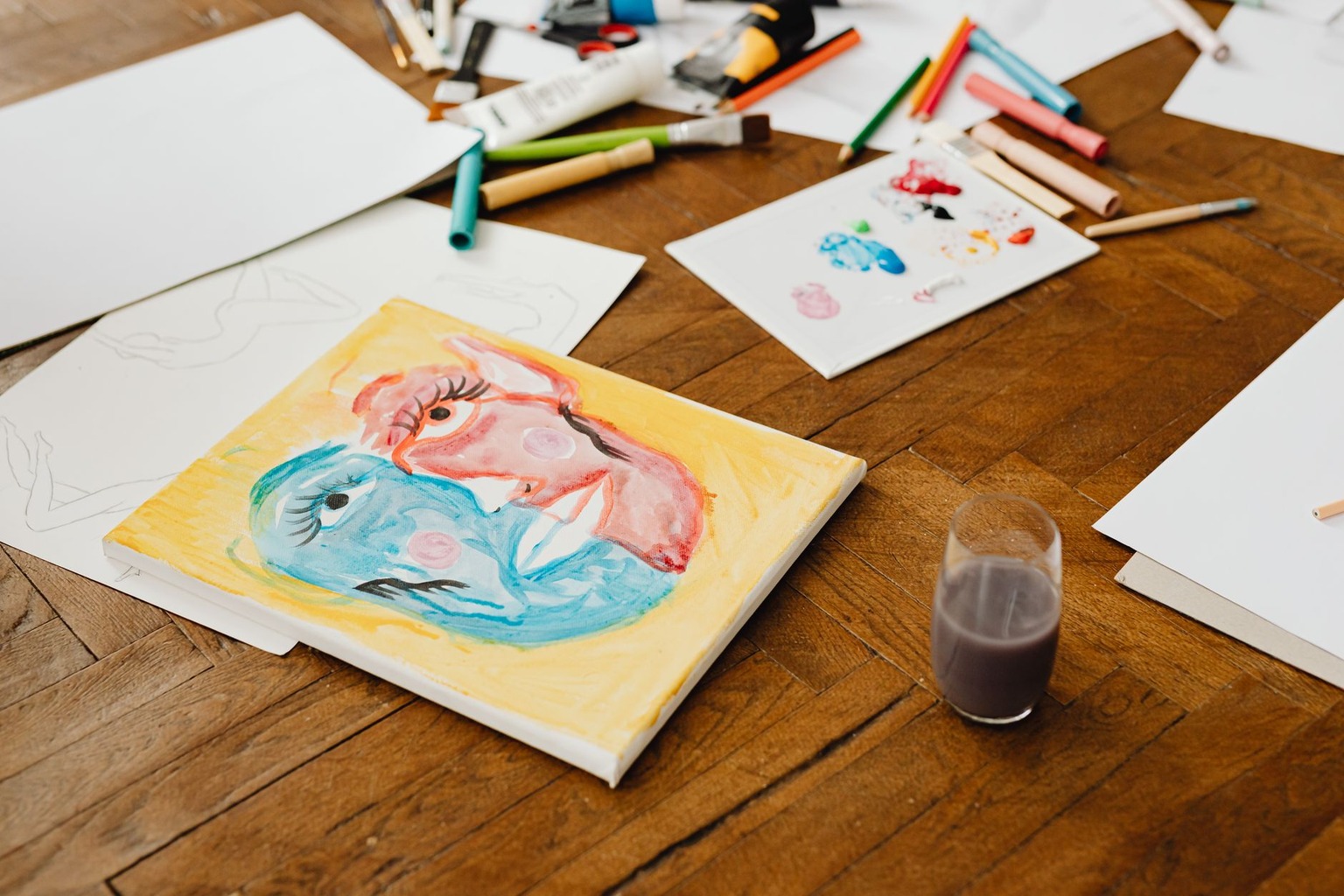
For a gallery space that values craftsmanship, prioritize works where the artist’s process is documented, such as video diaries or studio photographs. The presence of visible tool marks and material imperfections adds character and justifies a higher price point. Protective glazing that does not trap moisture is essential to preserve delicate fibers and metal accents over time.
Market‑centric pop minimalism
In the past decade, a subtle movement has emerged where artists distill popular culture icons into minimalist silhouettes, often using a limited color palette and clean lines. This approach mirrors the efficiency of the art market itself, where recognizability drives sales. The resulting works are instantly identifiable, making them popular choices for corporate collections and high‑traffic public areas.
Selecting pop minimalism for a corporate lobby involves checking the artist’s licensing agreements to avoid copyright complications. Look for pieces that incorporate subtle branding cues without overt commercialism, allowing the artwork to remain timeless. Matte finishes and simple frames keep the focus on the iconic shape, ensuring the work integrates smoothly with varied interior designs.

I have spent years transforming my home into a personal gallery, constantly hunting for unique pieces that bring walls to life. There is nothing quite like the thrill of discovering an emerging artist online and finding the perfect artwork to complement a room. I am passionate about helping others navigate the world of digital art markets to find authentic pieces that truly resonate with their style.