The internet has transformed how people discover and collect art, making it easier than ever to find and purchase original artwork from artists around the world. Whether you’re a seasoned collector or just starting to explore, the challenge lies in distinguishing genuine pieces from replicas or forgeries. With platforms ranging from established galleries to emerging digital marketplaces, the options for authenticating and acquiring art online are vast, but they’re not all equal in reliability or transparency. The key is knowing where to look, what to verify, and how to assess value before committing to a purchase. This guide will walk you through the process of sourcing authentic art from global artists online in 2026, focusing on platforms that prioritize provenance, artist legitimacy, and buyer protection. From curated galleries to artist-run collectives, each option offers distinct advantages, and understanding their nuances will help you make informed decisions when buying authentic art online.
How to Verify an Artist’s Legitimacy Before Making a Purchase
Not all artists selling online are what they claim to be, and without proper verification, you risk buying work that’s either misattributed or outright fake. The first step in ensuring authenticity is confirming the artist’s credentials. Look for artists who provide clear documentation, such as professional affiliations, past exhibitions, or press features. Many legitimate artists maintain a portfolio on platforms like Behance or ArtStation, where their work is reviewed by peers and industry professionals. Additionally, check if the artist has a verified social media presence with consistent engagement, fake accounts often lack depth in their posts or fail to respond to inquiries. For emerging artists, platforms like Saatchi Art or Artsy often conduct background checks, so browsing their verified sections can save time. Always cross-reference the artist’s name with their work; if their style varies drastically from their claimed body of work, that’s a red flag. Even established names can have forgeries, so never assume reputation alone guarantees authenticity.
Another critical factor is the artist’s online footprint beyond their own website. Search for their name alongside terms like “exhibition” or “gallery representation” to see if they appear in reputable publications or institutional collections. Artists who have been featured in magazines like Artforum or The New York Times are far less likely to be scammers. Tools like Google Scholar or Artnet’s database can also help trace an artist’s academic or professional background. If an artist refuses to provide references or has no traceable history, proceed with extreme caution. In 2026, platforms like OpenSea and Rarible have added blockchain verification for digital art, which can serve as an additional layer of proof for NFT-based works or digital collectibles. For physical art, always ask for a certificate of authenticity (COA) or a detailed provenance statement, even if it’s not mandatory on the platform.
Why a Curated Gallery Platform Outperforms Unmoderated Marketplaces
When buying authentic art online, the difference between a curated gallery platform and an unmoderated marketplace can mean the difference between a trusted purchase and a risky gamble. Curated platforms like Artsy, 1stDibs, or even niche sites such as oacgallery.com (which specializes in Russian and Eastern European artists) vet artists and their work before listing them. This means every piece has been reviewed for authenticity, and the platform often provides provenance documentation or artist statements. These sites also typically offer buyer protection policies, such as refunds or replacements if the art is later deemed inauthentic. In contrast, unmoderated marketplaces like Etsy or eBay are notorious for hosting fake sellers, with little to no recourse if a piece turns out to be counterfeit. The trade-off is that curated platforms may have higher price points, as they often feature established or gallery-represented artists. However, for serious collectors, the peace of mind and transparency are worth the investment.
The curation process on these platforms isn’t just about authenticity, it’s also about artistic quality and market relevance. For example, Artsy partners with over 2,000 galleries worldwide, ensuring that the artists listed are either emerging talents with proven potential or mid-career professionals with a track record. Similarly, 1stDibs specializes in rare and collectible art, often including pieces from private collections or limited-edition runs. These platforms also provide tools for researching an artist’s career trajectory, such as past sales data or exhibition histories. If you’re looking for a specific style or movement, a curated gallery is far more likely to have what you need than a general marketplace. Just be aware that some platforms may charge higher fees for their curation services, so factor that into your budget. For buyers who prioritize exclusivity and trust, the cost is often justified by the reduced risk of fraud.
How to Spot Red Flags in Artist Profiles and Listings
Even on reputable platforms, some artist profiles and listings contain subtle (or not-so-subtle) warning signs that should raise your suspicions. One of the most common red flags is a lack of detailed information about the artist’s background. If an artist’s profile only includes a few images and no biography, exhibition history, or press mentions, that’s a major warning sign. Legitimate artists, especially those with gallery representation, will have a well-documented career, including links to their website, social media, and past shows. Another telltale sign is inconsistent branding, if the artist’s name is spelled differently across their website, social media, and listings, or if their style shifts dramatically between pieces, that inconsistency suggests a fake account. Pay attention to the quality of the images as well; blurry thumbnails or poorly lit photographs can indicate either a low-quality piece or a seller trying to hide flaws. Finally, be wary of artists who refuse to provide a certificate of authenticity or provenance documentation, even if the platform doesn’t require it.
Pricing can also be a red flag if it seems unrealistically low or high for the artist’s level. For example, an emerging artist with no gallery representation selling a large original painting for $200 might be a scam, as even entry-level artists typically charge more for their work. Conversely, if an artist’s prices are suddenly inflated without a clear explanation (such as a new gallery deal or major exhibition), investigate further. Some platforms allow you to filter by price range, so comparing similar works by other artists in the same category can help you gauge fair market value. Another warning sign is an artist who responds to inquiries with vague language or avoids direct questions about their work. Legitimate artists are usually eager to discuss their process, influences, and the story behind a piece. If an artist’s communication feels evasive or dismissive, that’s another reason to walk away. Trust your instincts, if something feels off, there’s likely a good reason.
The Best Platforms for Discovering Undiscovered Global Artists
If you’re interested in supporting emerging talent from around the world, platforms like MyArtBroker, Saatchi Art, or even artist-run collectives such as The Art Gallery at the University of Michigan offer unique opportunities to find authentic art from artists who haven’t yet gained mainstream recognition. MyArtBroker, for instance, specializes in connecting buyers with lesser-known artists while providing detailed provenance research and authentication services. Their platform includes a “Discover” section that highlights emerging voices from regions like Latin America, Africa, and Southeast Asia, where art scenes are still developing. Saatchi Art, on the other hand, features a mix of established and up-and-coming artists, with a strong focus on diversity in representation. Both platforms offer tools to filter by region, style, and price, making it easier to find work from specific global artists. For buyers looking for something truly unique, these sites are ideal because they often feature artists who aren’t yet on the radar of major galleries.
Another underrated resource for discovering global artists is artist collectives and online communities. Platforms like DeviantArt, Behance, or even Reddit’s r/ArtBuySell often host artists who are still building their portfolios but have a dedicated following. While these platforms lack the curation of a gallery site, they can be a goldmine for finding authentic work from artists in niche markets. The key is to do your own due diligence, follow the artist’s social media, check their past sales (if any), and look for reviews or testimonials from other buyers. Some artists on these platforms even offer limited-edition prints or zines, which can be a lower-risk way to support emerging talent. For buyers who enjoy the thrill of the hunt, these sites offer the chance to find hidden gems before they become mainstream. Just be prepared to verify the artist’s legitimacy on your own, as these platforms don’t provide the same level of buyer protection as a curated gallery.
What to Look for in an Artist’s Provenance and Documentation
Provenance, the documented history of ownership of a work of art, is one of the most critical factors in determining authenticity, especially for buyers interested in long-term investment or historical value. When sourcing art online, always ask for a detailed provenance statement that traces the piece from the artist’s studio through subsequent owners. Reputable platforms like Artsy or 1stDibs often include provenance documentation with their listings, while others may require you to request it separately. A strong provenance should include dates, names of previous owners, and any relevant exhibition or auction records. For example, if you’re buying a piece by a Russian artist, the provenance might detail its exhibition at a Moscow gallery in 2020, followed by private ownership in New York. Without this paperwork, you’re flying blind, some forgeries are so well-made that even experts can’t distinguish them without provenance. Always verify that the documentation matches the physical details of the artwork, such as the artist’s signature or unique marks.
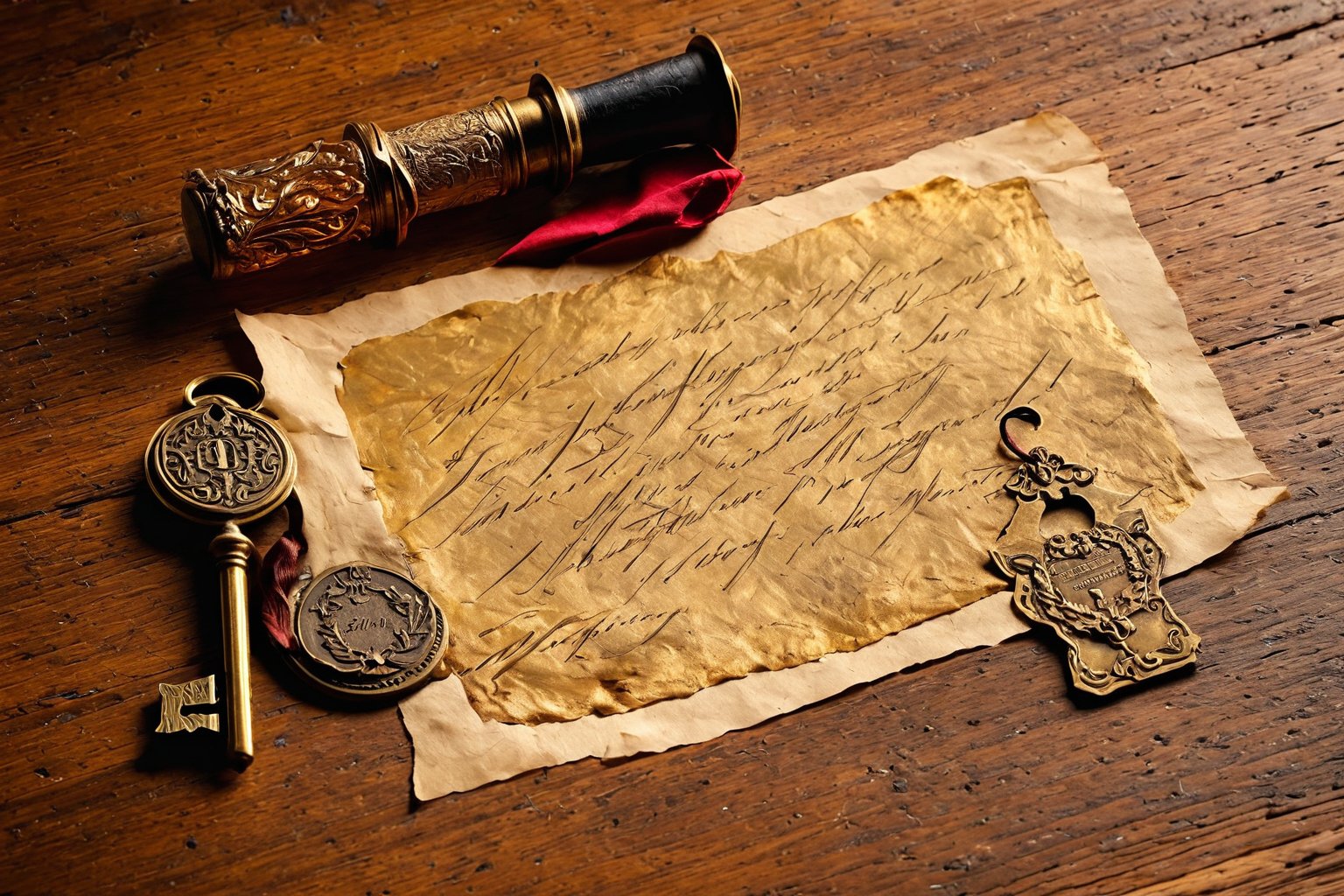
The type of documentation you receive can also indicate the legitimacy of the sale. A certificate of authenticity (COA) from the artist or their gallery carries more weight than a simple email confirmation. Some platforms, like MyArtBroker, provide third-party authentication services, which can be worth the extra cost if you’re investing in a high-value piece. For digital art, blockchain verification (such as on OpenSea) serves as an immutable record of ownership and authenticity, making it easier to trace the work’s history. Even for physical art, digital provenance tools like Artnet’s database or the Blockchain Art Network can help verify a piece’s legitimacy. If an artist or platform refuses to provide documentation or offers vague explanations, that’s a major warning sign. In 2026, buyers should expect transparency as a standard, if it’s not provided, it’s a red flag that the piece may not be as authentic as claimed.
How to Choose Between Originals, Prints, and Digital Art in 2026
When buying authentic art online, you’ll encounter three main categories: original paintings or sculptures, limited-edition prints, and digital art (including NFTs). Each has its own advantages and considerations, and the best choice depends on your budget, space, and investment goals. Original works are the most valuable and unique, as they come directly from the artist’s hand, but they also command the highest prices, especially for established names. Platforms like Artsy or oacgallery.com often feature originals from both emerging and mid-career artists, with prices ranging from a few hundred to tens of thousands of dollars. If you’re looking for a piece that will appreciate in value, an original is the safest bet, provided you’ve verified its authenticity. However, originals require careful handling and may not be practical for every space. For buyers who want something more affordable but still high-quality, limited-edition prints offer a great alternative. Many artists release prints in numbered series, with each print signed and numbered by the artist, ensuring its authenticity. Sites like Saatchi Art or MyArtBroker frequently feature print editions from both established and emerging artists.
Digital art, including NFTs and other blockchain-based works, has exploded in popularity in recent years, offering a new way to collect and own art. Platforms like OpenSea, Rarible, or Foundation allow artists to sell digital works as unique tokens, with blockchain verification ensuring their authenticity. For buyers who prefer digital formats, this can be a cost-effective way to collect from artists who may not have physical galleries. However, digital art comes with its own set of challenges, storage, display, and long-term preservation can be concerns, especially as technology evolves. Some digital art platforms also charge fees for transactions, which can add up over time. If you’re interested in digital art, research the platform’s reputation for buyer protection and the artist’s track record. For example, artists like Beeple have gained massive followings through NFT sales, but their works are often speculative investments rather than traditional collectibles. If you’re unsure whether to go digital or physical, consider starting with a limited-edition print or a smaller original, these offer a middle ground in terms of authenticity and affordability.
I have spent years transforming my home into a personal gallery, constantly hunting for unique pieces that bring walls to life. There is nothing quite like the thrill of discovering an emerging artist online and finding the perfect artwork to complement a room. I am passionate about helping others navigate the world of digital art markets to find authentic pieces that truly resonate with their style.