Creating an artist statement is an essential step for any artist looking to communicate their vision, process, and intentions behind their artwork. This document acts as a bridge between the artist and the audience, providing context and insight into the pieces displayed in galleries or online platforms. Whether you’re preparing to showcase your work in a physical gallery or an online art shop like OAC Gallery, understanding how to craft an effective artist statement is crucial. This guide will walk you through the prerequisites, actionable steps, common pitfalls, and valuable tips to develop a compelling artist statement.
Understanding the Purpose of an Artist Statement
Before diving into the writing process, it is vital to grasp what an artist statement is meant to achieve. This document serves as a narrative that encapsulates your artistic journey, influences, and the themes that permeate your work. A well-crafted artist statement helps viewers connect with your art on a deeper level, allowing them to appreciate the context behind what they see. It also plays a significant role in marketing your work, particularly in an online setting where potential buyers may not have the opportunity to engage with you directly. By articulating your vision clearly, you can guide their perception and enhance their overall experience with your art.
In the context of an online art shop, your artist statement can influence purchasing decisions. Customers often seek a personal connection to the artwork they buy, and an insightful statement can foster that connection. This is especially true for platforms like OAC Gallery, where the uniqueness of each piece is highlighted, making it essential for artists to convey their individual artistic narratives effectively.
Prerequisites for Writing an Effective Artist Statement
Before you begin writing, gather your thoughts and materials that can inform your statement. Reflect on your artistic practice, including your medium, techniques, and themes. Consider the influences that have shaped your work, such as personal experiences, cultural backgrounds, or historical movements. It might be helpful to jot down key points or phrases that resonate with you. Additionally, review your previous works and identify recurring motifs or concepts that warrant discussion in your statement.
Another important prerequisite is to understand your target audience. Are you addressing art collectors, casual viewers, or fellow artists? Tailoring your language and tone to resonate with your audience can significantly impact how your statement is received. This means you may adopt a more technical vocabulary for a knowledgeable audience or a more relatable tone for casual viewers. Knowing your audience will help you choose the right words to convey your message effectively.
Steps to Craft Your Artist Statement
Now that you have a foundation, follow these steps to create your artist statement. Start with a clear introduction that summarizes your artistic practice in a few sentences. This should include the medium you work with, the themes you explore, and the overall philosophy that guides your art. For instance, if you primarily create abstract paintings that explore the concept of time, make sure to state that upfront. This sets the stage for the reader and gives them a lens through which to view your work.
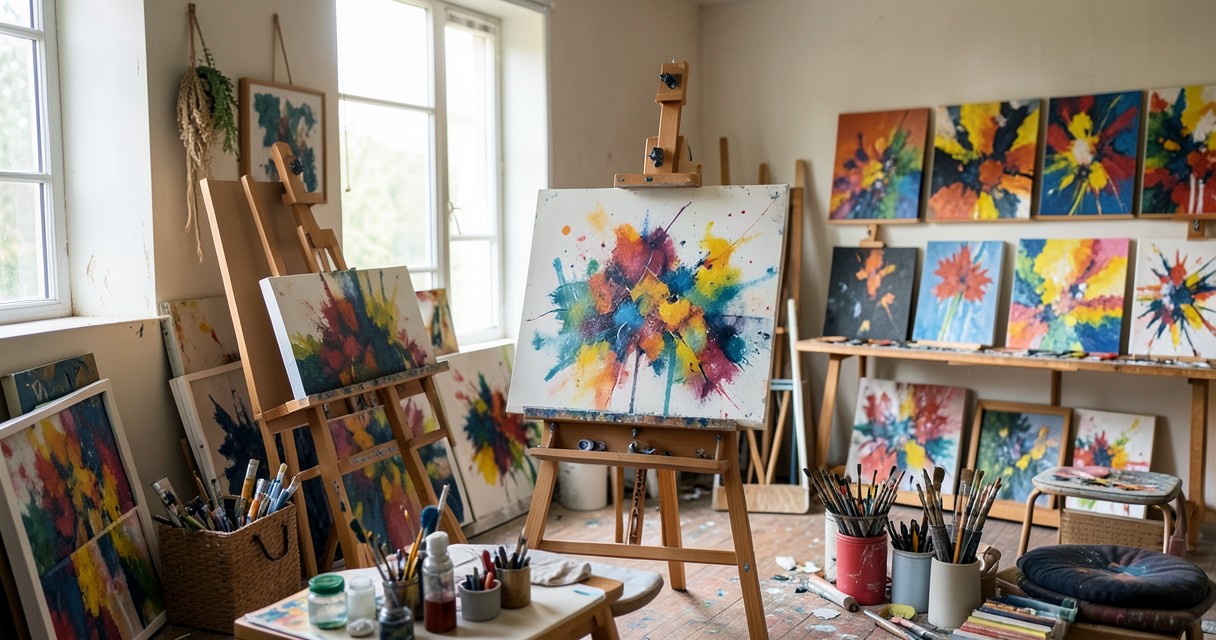
Next, delve into the specifics of your artistic process. Discuss how you create your work, including any techniques, materials, or inspirations that play a significant role. If you utilize mixed media or experimental techniques, explain why these choices are important to your artistic vision. This section can help demystify your process for the audience, inviting them into your creative world and enhancing their appreciation for the finished pieces.
Highlighting Themes and Influences
In the following section, articulate the core themes that resonate throughout your body of work. Are you addressing social issues, personal narratives, or abstract concepts? Use concrete examples from your pieces to illustrate these themes clearly. This could involve discussing a specific artwork that exemplifies a theme, explaining its significance, and how it relates to your overall practice. By grounding your discussion in specific works, you provide a tangible connection for your audience.
Moreover, don’t shy away from mentioning the influences that have shaped your art. This could include other artists, movements, or even personal experiences that inspire your creative journey. For instance, if your work is influenced by the surrealists, you might discuss how their approach to dream imagery informs your own artistic style. This context not only enriches your statement but also positions you within a broader artistic dialogue, making your work more relatable to those familiar with those influences.
Common Mistakes to Avoid
While writing your artist statement, be mindful of common pitfalls that can dilute your message. One frequent mistake is using overly complex language or jargon that may confuse your audience. Aim for clarity and simplicity while still expressing your unique voice. Remember, your statement should be accessible to a wide range of viewers, not just art critics or fellow artists.
Another common error is being too vague. Statements that lack specificity can leave readers feeling disconnected from your work. Avoid generalizations and instead focus on the particular aspects of your art that make it unique. This includes discussing specific themes, materials, and techniques rather than relying on broad statements about art in general. Additionally, keep your statement concise; ideally, it should be between 150 to 300 words. This length is enough to convey your message without overwhelming the reader.
Refining Your Statement Through Feedback
Once you have a draft of your artist statement, it’s beneficial to seek feedback from trusted peers or mentors within the art community. They can provide valuable insights and perspectives that you might have overlooked. Consider their suggestions seriously, especially if they point out areas that lack clarity or detail. Engaging with others can also help you identify any jargon or complex phrases that may need simplification.
After gathering feedback, take time to revise your statement. Revisions are a natural part of the writing process and often lead to a stronger final product. Make sure to read your statement out loud to catch awkward phrasing or run-on sentences. This practice can help you refine the flow and ensure that your statement reads smoothly. Once you’re satisfied with the revisions, consider having a final review done by someone who can provide an objective viewpoint.
Using Your Artist Statement Effectively Online
With your polished artist statement in hand, it’s time to think about how to utilize it effectively, especially on platforms like OAC Gallery. When uploading your artwork, include your artist statement as part of your profile or in the description of your pieces. This not only provides context but also enhances the viewer’s experience, inviting them to engage more deeply with your work.
Additionally, consider integrating your statement into your marketing efforts. For instance, when promoting your work on social media, summarize key points from your statement to create engaging posts that capture attention. You can also use snippets of your statement in newsletters or promotional materials to create a cohesive narrative around your art. By effectively using your artist statement, you can create a stronger connection with your audience and increase the likelihood of sales while fostering a community around your work.

I have spent years transforming my home into a personal gallery, constantly hunting for unique pieces that bring walls to life. There is nothing quite like the thrill of discovering an emerging artist online and finding the perfect artwork to complement a room. I am passionate about helping others navigate the world of digital art markets to find authentic pieces that truly resonate with their style.