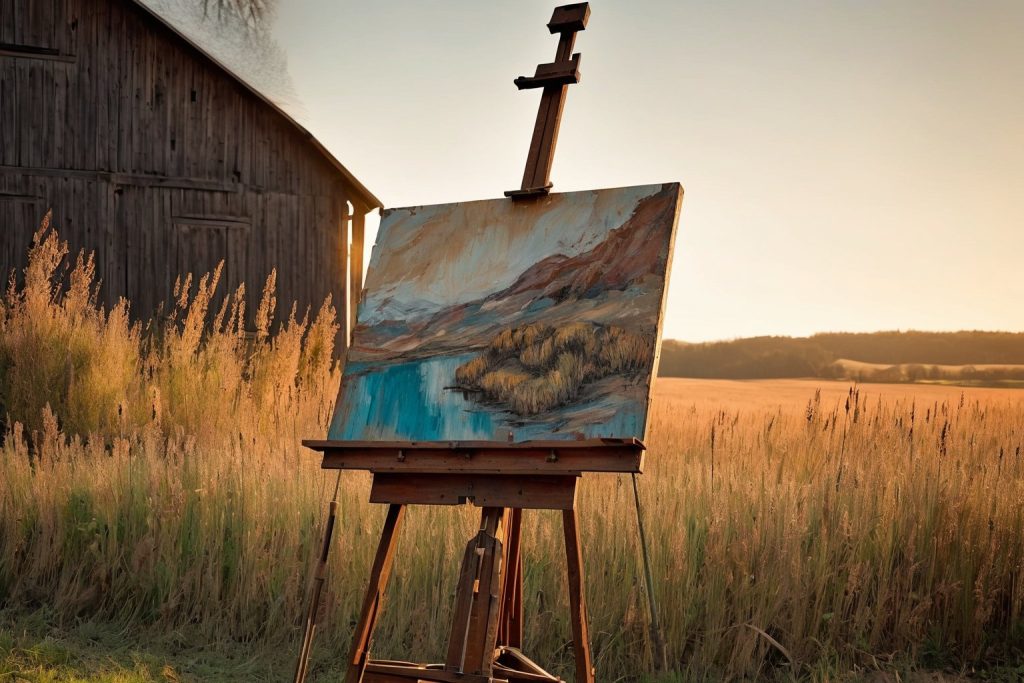
The way a painter finds inspiration is as unique as the artwork they create. For those who sell or collect paintings, whether as a professional artist or a connoisseur browsing an online gallery, understanding where inspiration originates can transform how you approach your own work or curate pieces that resonate deeply. The best sources of inspiration aren’t just about aesthetics; they’re about context, emotion, and the ability to translate real-world experiences into visual storytelling. To enhance your artwork’s presentation, selecting the Best Mat Options for framed pieces is essential.
Nature as a Timeless Canvas: The Raw vs. Refined Approach
Nature remains the most direct source of inspiration for painters, but its impact varies dramatically depending on whether you approach it as raw material or a refined concept. A landscape painter like Andrew Wyeth might spend months studying a single barn in Maine, capturing its weathered wood and fading paint in meticulous detail. This is nature as raw subject matter, where the goal is to replicate what you see with precision, often using limited color palettes to evoke mood rather than realism. On the other hand, artists like Georgia O’Keeffe distilled nature into abstract forms, turning a single flower or desert rock into a study of shape and light. The difference lies in intent: raw nature inspires through observation, while refined nature inspires through interpretation.
For those selling or collecting paintings, this distinction matters. A hyper-realistic nature study might appeal to buyers who value technical skill, while an abstract take could attract collectors drawn to emotional resonance. If you’re curating a gallery like OAC Gallery, consider pairing these approaches, perhaps a hyper-detailed still life alongside a minimalist landscape, to show the spectrum of how nature can inspire. Watch for overused tropes like golden-hour sunsets; instead, seek underrepresented angles, such as the texture of frost on a window or the way light filters through dense foliage at dusk. These moments feel fresh and invite deeper engagement from viewers.
The Urban Landscape: Capturing the Soul of Cities Through Color and Contrast
Cities offer a different kind of inspiration, one that thrives on contrast, energy, and the interplay of man-made structures with human presence. Artists like Edward Hopper didn’t just paint cityscapes; they captured the loneliness and quiet intensity of urban life in works like Nighthawks. His compositions relied on stark lighting, empty streets, and the tension between isolation and collective existence. This is urban inspiration as emotional narrative, where the city isn’t just a backdrop but a character in the painting. For painters, the challenge is to distill the chaos of city life into a single, powerful moment, whether it’s the glow of a neon sign reflecting off a puddle or the way shadows stretch long in an alleyway.
If you’re selling paintings online, urban scenes can be a goldmine because they resonate with a global audience. People recognize the universal language of city life, from the hum of a subway station to the quiet of a rooftop at dawn. However, avoid clichés like crowded Times Square at night; instead, focus on the overlooked, like the quiet corner of a neighborhood where a single streetlamp casts a pool of light, or the way graffiti transforms an abandoned building into a canvas. For galleries, consider how these pieces can tell stories about urban identity, whether through color (the muted tones of a rainy day vs. the vibrant hues of a festival) or composition (symmetrical reflections in a puddle vs. the chaotic energy of a bustling intersection).
Historical and Mythological Themes: Borrowing from the Past Without Repetition
Historical and mythological themes offer a rich vein of inspiration, but the risk of repetition is high if you don’t approach them with fresh perspective. Artists like John William Waterhouse painted mythological scenes with a romantic, almost dreamlike quality, but his work stood out because he infused classical stories with modern emotional depth, like the melancholy in The Lady of Shalott. The key isn’t to recreate ancient art but to reinterpret it through contemporary eyes. For example, a painter might take the story of Odysseus and focus not on the epic battle scenes but on the quiet moments of longing, like Odysseus’ wife Penelope weaving and unweaving the same tapestry, a symbol of endurance and hope. This approach transforms history into something personal and relatable.
On Ashvin Harrison’s channel they explore how flies saved a $50,000 artwork—you can watch it right here.
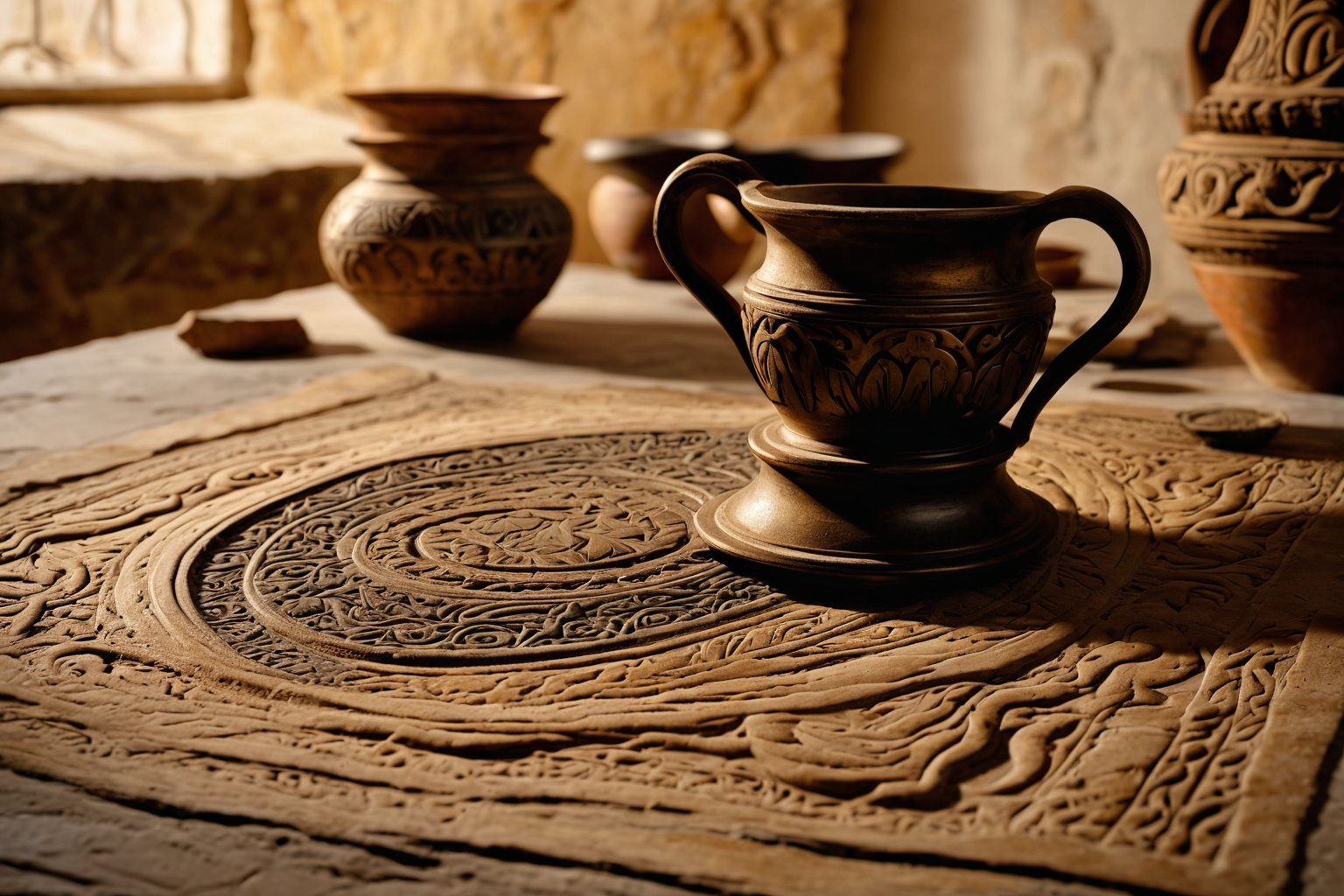
When selling or collecting paintings with historical themes, authenticity in execution matters. Buyers are drawn to works that feel like they belong in a museum but also carry a modern voice. If you’re curating a collection, look for artists who blend traditional techniques with contemporary themes, perhaps a painter who uses oil on canvas to depict a modern woman in a historical setting, like a Renaissance portrait style but with a contemporary subject. Avoid overused scenes like the Last Supper or the Sistine Chapel ceiling; instead, dig into lesser-known myths or historical figures. For instance, the story of Hypatia, the ancient philosopher and mathematician, offers a compelling narrative for a painter interested in blending intellect and beauty. This kind of depth makes the work more engaging and distinctive.
Everyday Objects: The Beauty in the Mundane
Some of the most compelling paintings come from ordinary objects, glasses of wine, half-eaten meals, or a stack of books, elevated to something extraordinary through composition and light. Artists like still-life masters like Paul Cézanne treated everyday objects as if they were sacred, studying their forms and textures with obsessive precision. His approach was less about realism and more about breaking down objects into geometric shapes and planes, a technique that influenced modern art movements. For painters today, this means looking at the world with a critical eye, asking how an object’s shape, color, or arrangement can create emotional or intellectual resonance. A single apple might become a study in light and shadow, or a pile of laundry could evoke themes of labor and domesticity.
Online art galleries often thrive on Large format paintings, attracting diverse buyers. Buyers often seek pieces that feel intimate and personal, and still life delivers that. However, the challenge is to avoid clichés like the traditional Dutch still life with fruit and flowers. Instead, consider modern takes, like a stack of vintage records, a half-empty cup of coffee with steam rising, or a single shoe on a windowsill at night. These pieces feel contemporary and relatable. For galleries, pairing still-life works with complementary themes, like a minimalist arrangement next to a more dramatic composition, can create a cohesive collection that tells a story about the beauty in simplicity. Watch for how light interacts with objects; a single source of illumination can turn a mundane scene into something magical.
Travel and Exotic Locales: The Allure of the Unknown
Travel has long been a muse for painters, offering the thrill of the unknown and the opportunity to capture places that feel untouched or deeply atmospheric. Artists like Frida Kahlo drew inspiration from her homeland of Mexico, blending indigenous motifs with personal symbolism to create a visual language all her own. For painters, travel isn’t just about documenting landscapes; it’s about immersing yourself in a new culture, absorbing its colors, textures, and rhythms. A painter in Morocco might be drawn to the vibrant hues of souks, the play of light on arches, or the quiet beauty of a desert oasis. The key is to let the experience transform your work rather than just replicating what you see. For example, a painter might use the geometric patterns of Moroccan tiles to create an abstract piece that feels both rooted in place and universally appealing.
When selling paintings inspired by travel, the allure lies in the exotic, but the challenge is to avoid stereotypes. A painting of the Eiffel Tower at night is familiar; instead, focus on the details that make a place unique, the way the light reflects off the Seine at dawn, the texture of a market stall’s fabric, or the quiet of a train station in a foreign city. For galleries, consider how these pieces can tell a larger story about travel and identity. Pair a landscape of a distant shore with a portrait of a traveler’s journal or a map, creating a narrative that invites viewers to imagine their own adventures. Buyers are often drawn to works that feel like they’ve been to the place themselves, so authenticity in both subject and execution is key.
The Human Form: Portraits That Tell Stories
Portraits are among the most personal and powerful forms of painting, offering a direct connection between artist and subject. The best portraits don’t just capture a likeness; they reveal personality, emotion, and even the passage of time. Artists like Thomas Eakins approached portraiture with clinical precision, studying the way light fell across a subject’s face to convey their inner state. Others, like Jean-Auguste-Dominique Ingres, used idealized forms to create timeless beauty. The difference lies in approach: Eakins was about truth, while Ingres was about elegance. For painters today, the challenge is to find the balance between realism and interpretation. A portrait might start as a straightforward likeness but evolve into a study of gaze, gesture, or the way a subject interacts with their environment.

In the world of online art sales, portraits are a strong seller because they offer a direct emotional connection. Buyers often seek pieces that feel intimate and personal, whether it’s a family portrait, a self-portrait, or a commissioned work. However, avoid the temptation to rely on traditional techniques alone. Instead, experiment with different styles, like a hyper-realistic portrait next to a more abstract take on the same subject. For galleries, consider how portraits can tell broader stories. A series of portraits might explore themes of identity, aging, or cultural heritage, creating a collection that feels cohesive and thought-provoking. Watch for how you can use color, composition, and lighting to convey emotion without relying on clichés like a dramatic frown or a tearful gaze. Instead, focus on the subtleties, like the way a subject’s hands rest in their lap or the way their eyes flicker to something off-camera.
Collaboration and Community: The Power of Shared Inspiration
Inspiration isn’t always solo; sometimes it comes from collaboration, whether with other artists, writers, or even the community you’re a part of. Artists like Andy Dixon, whose work blends opulence with contemporary themes, often collaborate with designers, architects, and even musicians to create immersive art experiences. These collaborations can push boundaries, introducing new materials, techniques, or narratives into a painter’s work. For example, a painter might work with a poet to create a series of pieces inspired by their words, or they might collaborate with a musician to translate sound into visual form. The result is often something more dynamic and layered than a single artist could achieve alone. For painters, this approach can be a way to stay fresh and engaged with new ideas.
In the context of an online art gallery, collaboration can be a powerful selling point. Buyers are often drawn to works that feel like they’ve been part of a larger creative process, whether it’s a limited-edition print series or a piece created in partnership with another artist. For galleries like OAC Gallery, collaboration can also create buzz and attract new audiences. Consider featuring artists who work together or whose styles complement each other. For instance, a painter known for their landscapes might collaborate with a sculptor to create a piece that blends both mediums, or a portrait artist might work with a writer to create a series of pieces inspired by literary characters. The key is to highlight the unique perspective that collaboration brings, whether it’s a new technique, a fresh narrative, or a shared vision. Watch for how these pieces can tell a story about the creative process itself, making them more engaging for collectors who value the journey as much as the final work.

I have spent years transforming my home into a personal gallery, constantly hunting for unique pieces that bring walls to life. There is nothing quite like the thrill of discovering an emerging artist online and finding the perfect artwork to complement a room. I am passionate about helping others navigate the world of digital art markets to find authentic pieces that truly resonate with their style.