The art market for online galleries and collectors is evolving faster than ever, with emerging artists reshaping how we perceive, acquire, and value original paintings. From niche color palettes to unconventional mediums, today’s most promising creators aren’t just following trends, they’re defining them. For collectors and gallery owners navigating this space, understanding these shifts isn’t optional; it’s essential for staying ahead. The key lies in recognizing which approaches align with current demand, which are fleeting fads, and how to spot the artists who will endure beyond the hype cycle.
Neutral Palettes and Subtle Contrast: The Rise of Olive Green and Earth Tones
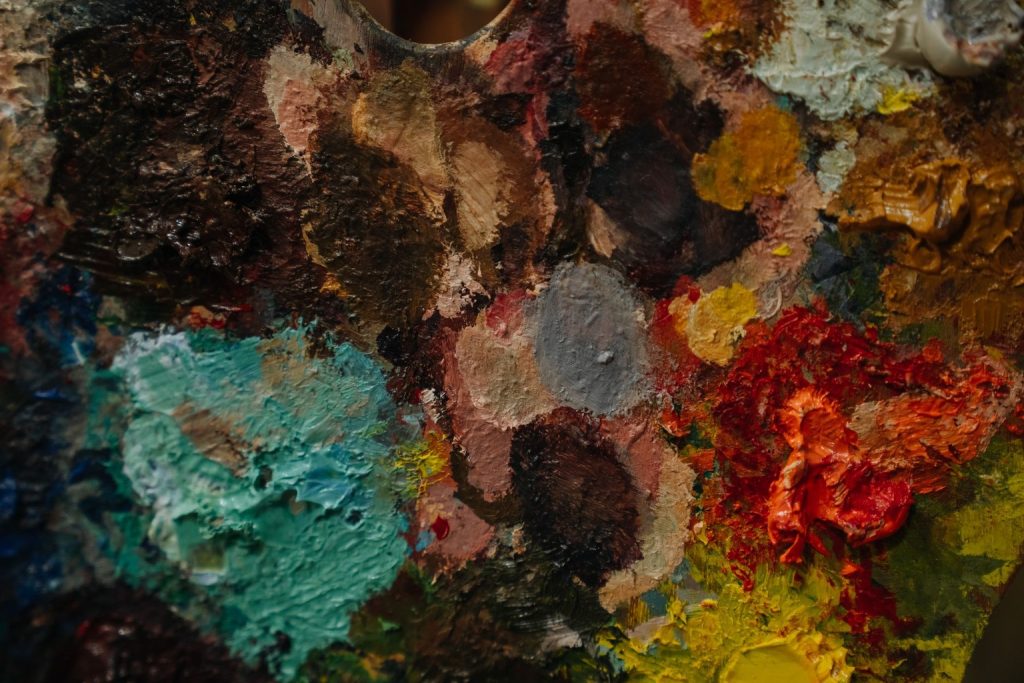
The dominance of olive green, brown, and neutral oil portraits isn’t just a visual preference, it’s a deliberate response to the market’s fatigue with saturated color blocks. Artists like Xenia Gray have capitalized on this shift by creating works that feel timeless rather than trendy, with muted tones that adapt to any decor while maintaining emotional depth. These palettes appeal to collectors who prioritize versatility, particularly those decorating minimalist or maximalist spaces where bold hues might clash. The technique behind these paintings often involves layering thin glazes of oil paint, a method that requires precision and patience but yields luminous, almost three-dimensional effects. For galleries, this means curating artists who balance technical skill with an intuitive understanding of how color interacts with light, qualities that elevate a piece from decorative to investment-worthy.
However, not all neutral palettes are created equal. Some artists lean too heavily on monochromatic schemes, risking visual monotony, while others use earth tones as a backdrop for subtle, almost hidden details that reward close inspection. The most successful works in this category incorporate strategic contrast, perhaps a single pop of warm ochre in an otherwise cool-toned composition, to create visual interest without overwhelming the viewer. Collectors should watch for artists who experiment with texture within these palettes, using impasto or delicate brushwork to add tactile dimension. This approach ensures the painting remains engaging even when displayed in a gallery’s neutral backdrop, which is often the case for online listings where the surrounding environment can’t be controlled.
Contemporary Anxiety in Portraiture: From Market Trends to Emotional Depth
The art world’s increasing focus on contemporary anxiety isn’t just a response to global uncertainty, it’s a reflection of how modern audiences engage with portraiture. Artists who capture this unease through subtle distortions, fragmented expressions, or layered symbolism are drawing attention, particularly in online galleries where viewers can’t physically interact with the artwork. Works that convey existential tension through muted gestures or ambiguous gazes resonate more deeply than traditional likenesses, especially among younger collectors who prioritize emotional resonance over literal representation. This trend aligns with the rise of digital-first audiences, who often seek art that mirrors their own introspective, fragmented experiences.
Yet not all anxiety-driven portraiture succeeds. Some artists fall into clichés, overly dramatic expressions, exaggerated postures, that feel performative rather than authentic. The most compelling works in this space use restraint, allowing the viewer to project their own interpretations onto the subject. For galleries, this means seeking artists who balance psychological depth with technical mastery, ensuring their paintings don’t rely solely on conceptual hook but also hold up under close examination. Online platforms, in particular, benefit from this approach, as digital viewers can’t rely on physical presence to ground their experience. The best anxiety-driven portraits leave room for the viewer’s imagination, making them more engaging in a virtual space where connection is often more abstract.
Gen Z’s Influence: How Younger Collectors Are Shaping Demand
Gen Z’s impact on the art market isn’t just about who’s buying, it’s about what they’re buying and why. This demographic favors artists who blend traditional techniques with digital fluency, often creating hybrid works that exist seamlessly between physical and virtual realms. Their preference for authenticity over prestige means they’re more likely to support emerging artists than established names, particularly if those artists align with their values around sustainability, transparency, and community. For online galleries, this translates to a focus on artists who document their creative process, whether through social media, artist statements, or interactive elements on their websites, because Gen Z collectors want to feel a personal connection to the work and the creator.
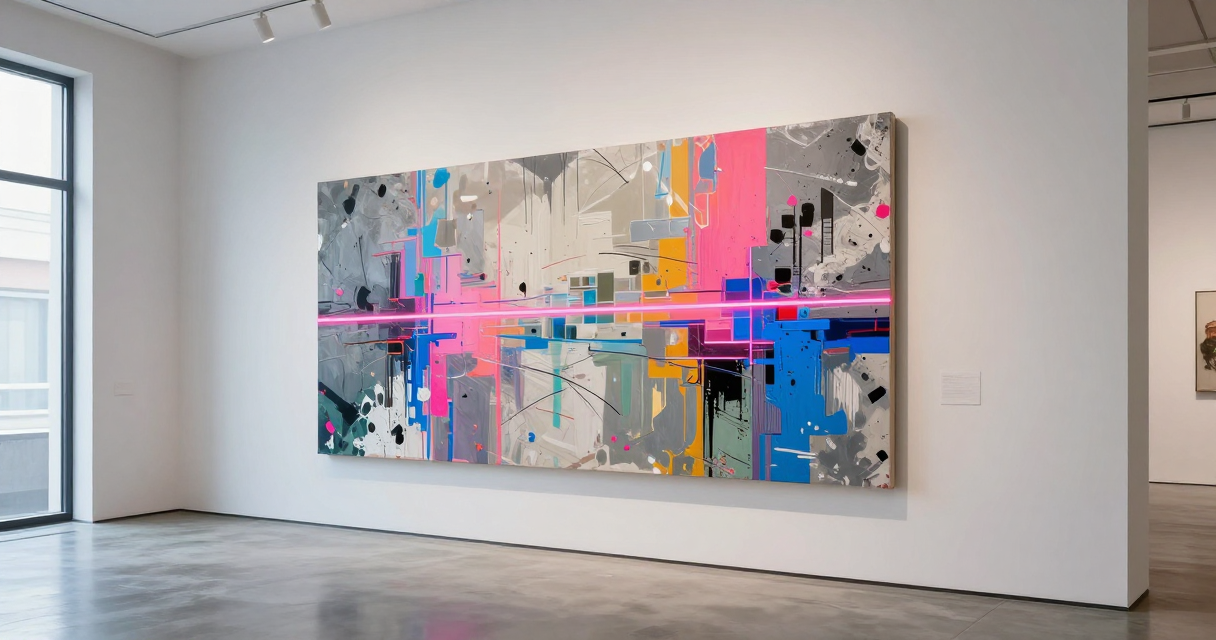
On Yharnna Designs, they cover art therapy and relaxation techniques – you can watch a huge green textured abstract canvas painting right here.
However, not all Gen Z-driven trends are sustainable. Some artists chase viral moments rather than building lasting careers, creating works that feel like temporary statements rather than enduring art. The most successful emerging artists in this space balance trend-awareness with originality, using digital tools to enhance their craft rather than replace it. For example, an artist might use digital rendering to experiment with color palettes before committing to oil on canvas, ensuring their physical works retain the tactile quality that collectors value. Galleries should prioritize artists who understand this balance, as those who lean too heavily into digital aesthetics risk losing the tactile, emotional connection that drives long-term collector interest. The key is to find artists who use technology as a tool, not a crutch.
Affordability as a Gateway: How Budget-Conscious Collectors Are Driving Discovery
The affordability of emerging artists isn’t just a practical consideration, it’s a strategic one. Collectors who enter the market through lower-priced original paintings often develop deeper appreciation for the craft, leading to higher-value purchases later. This is particularly true in the online gallery space, where accessibility is a major selling point. Artists who price their work between $500 and $3,000, often in smaller formats or series, attract a broader audience without compromising quality. These pieces serve as gateways, allowing first-time buyers to experience the joy of owning original art without the pressure of a significant financial commitment. For galleries, this means curating a mix of affordable and premium works, ensuring that even budget-conscious collectors can discover artists who might eventually appeal to a broader market.
Yet affordability alone isn’t enough. Some artists undervalue their work, creating a perception of low quality that discourages serious collectors. The most successful emerging artists in this price range balance accessibility with ambition, using their lower prices to build a reputation rather than a quick sale. For example, an artist might offer a limited-edition series of small portraits at a discounted rate, positioning them as a stepping stone to larger, more expensive works. Galleries should look for artists who use affordability as a tool for growth, ensuring their work remains desirable even as their careers advance. The best approach is to offer pieces that feel like investments, not just in terms of resale value, but in the artist’s long-term potential.
The Digital-First Approach: How Online Galleries Are Redefining Artist Discovery
The shift toward digital-first discovery isn’t just about convenience, it’s about creating new forms of engagement that traditional galleries can’t replicate. Artists who leverage platforms like Instagram, TikTok, and dedicated artist websites to share their process, inspirations, and behind-the-scenes content are building communities that extend beyond the physical space. This digital fluency allows collectors to form connections with artists before they even see the final work, fostering loyalty that translates into long-term sales. For online galleries, this means prioritizing artists who understand how to translate their craft into engaging digital experiences, whether through video tutorials, interactive timelines, or virtual studio tours. The most successful artists in this space use digital tools to enhance their storytelling, making their work feel more personal and immersive.

However, not all digital engagement strategies work. Some artists rely too heavily on performative content, overly curated feeds, staged studio shots, that feel inauthentic rather than inviting. The best approach is to strike a balance between professional presentation and genuine transparency, showing the artist’s process without overselling it. For galleries, this means vetting artists who can communicate their vision clearly online while maintaining the integrity of their physical work. The digital-first approach should complement, not replace, the tactile experience of owning a painting, ensuring that collectors still value the original, not just the digital representation. The most compelling artists use both worlds to their advantage, creating a seamless experience that starts online and ends with a physical connection.
From Trend to Legacy: How to Spot Artists Who Will Last
Not all emerging trends translate into lasting careers, but some artists manage to bridge the gap between fleeting popularity and enduring relevance. The key is to look for artists who evolve rather than repeat, adapting their techniques and themes while maintaining a core consistency in their vision. For example, an artist who begins with anxiety-driven portraits might later explore landscapes or abstract forms, but their approach to color, texture, or composition remains recognizable. Galleries should seek out artists who demonstrate intellectual curiosity, experimenting with new mediums or styles without losing their signature voice. This adaptability ensures that their work remains relevant as market tastes shift, while their unique perspective keeps collectors engaged over time.
The most enduring artists also understand the relationship between their work and the broader cultural moment. They don’t just follow trends, they interpret them, adding their own perspective to create something distinct. For instance, an artist might use neutral palettes not just as a visual choice, but as a commentary on contemporary life, where emotions are often expressed subtly rather than overtly. Galleries should support artists who can articulate this connection, whether through artist statements, interviews, or the work itself. The best emerging artists don’t chase trends, they shape them, ensuring their legacy extends far beyond the initial hype cycle. This is what collectors ultimately seek: not just a painting, but a piece of art that feels timeless, even as the world around it changes.

I have spent years transforming my home into a personal gallery, constantly hunting for unique pieces that bring walls to life. There is nothing quite like the thrill of discovering an emerging artist online and finding the perfect artwork to complement a room. I am passionate about helping others navigate the world of digital art markets to find authentic pieces that truly resonate with their style.