
Understanding regional art traditions is essential for anyone interested in collecting paintings or decorating spaces with culturally rich artwork. Each region around the world has developed unique artistic styles, techniques, and themes that reflect its history, environment, and social values. For an online art gallery or painting store, showcasing and explaining these traditions not only enhances customer appreciation but also guides buyers in making informed choices that resonate with their personal taste and interior aesthetics. This guide breaks down the practical steps to explore, identify, and select paintings based on regional art traditions, helping collectors and enthusiasts navigate this diverse landscape with confidence.
Identify Key Regional Art Traditions That Influence Painting Styles
Before diving into selecting artwork, it’s important to familiarize yourself with the major regional art traditions that shape painting styles worldwide. For instance, European art often emphasizes realism and classical techniques, with movements like Renaissance and Baroque influencing how color, perspective, and human anatomy are portrayed. In contrast, Asian art traditions, such as Japanese ukiyo-e or Indian miniature painting, focus on intricate details, symbolic motifs, and a different approach to spatial composition. Latin American art frequently combines indigenous themes with colonial influences, resulting in vibrant colors and storytelling through symbolism. Understanding these foundational distinctions allows buyers to appreciate the historical and cultural contexts behind paintings, making it easier to select works that align with their interests or décor themes.
For an online art store, categorizing paintings by these regional traditions can help customers explore collections more intuitively. Providing clear descriptions about the origin and style of each piece enriches the shopping experience. It’s also beneficial to highlight how regional materials and techniques, such as Indian natural pigments or European oil paints, impact the texture and longevity of artworks. This knowledge supports collectors in choosing paintings that not only look appealing but also fit their expectations in terms of preservation and authenticity.
Research Regional Symbolism and Themes to Enhance Artwork Selection
Every regional art tradition carries a specific set of symbols and themes that convey stories, beliefs, or social commentary. For example, in Indian art, the peacock is a recurring motif symbolizing beauty and spirituality, often depicted with elaborate patterns and vibrant colors. Celtic art from Ireland incorporates intricate knotwork and mythological figures, reflecting a deep connection to nature and folklore. Mexican muralism frequently addresses political and social issues, using bold, dramatic imagery to communicate powerful messages. Understanding these symbolic languages helps buyers interpret the meaning behind paintings, which is crucial when selecting art that holds personal significance.
When curating or browsing an online painting store, look for detailed descriptions explaining the symbolism present in each piece. This adds depth to the purchase and can make the artwork a meaningful conversation starter. Additionally, recognizing thematic trends within a region, such as the emphasis on spirituality in Tibetan thangka paintings or the celebration of daily life in Dutch Golden Age art, can guide buyers toward pieces that resonate emotionally or aesthetically with their space.
Assess Materials and Techniques Specific to Regional Traditions
Materials and artistic techniques vary widely between regions and significantly influence the final appearance and texture of paintings. For example, traditional Chinese ink wash paintings utilize rice paper and brush techniques that emphasize fluidity and simplicity, creating a distinct ethereal quality. In contrast, European oil paintings often involve layered glazing to achieve depth and realism. Indigenous Australian art uses dot painting techniques on bark or canvas, giving it a unique tactile characteristic. Understanding these differences helps buyers evaluate the authenticity and craftsmanship of artworks.
On the Originally Indian channel, they cover the in-depth meanings behind traditional Indian art, and you can watch it right here.
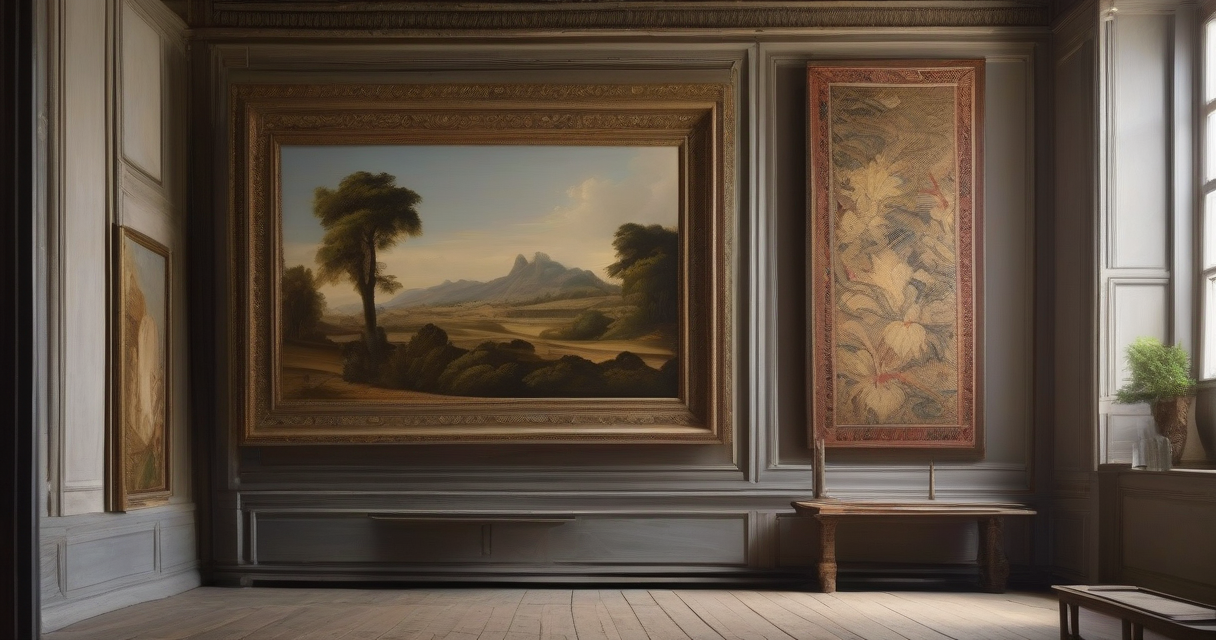
For collectors shopping online, detailed information about the medium, such as acrylic, oil, watercolor, or mixed media, and the support surface (canvas, wood panel, paper) is essential. It’s also useful to know if the artist follows traditional methods or incorporates modern adaptations. This knowledge affects not only the visual appeal but also considerations like framing, lighting, and conservation. When possible, seek out galleries or stores that provide close-up images and technical descriptions to better appreciate the nuances of each regional style.
Explore Regional Color Palettes and Their Emotional Impact
Color choices in paintings are often deeply tied to regional culture and environment, influencing how a piece communicates mood and meaning. Mediterranean art, for instance, frequently uses warm earth tones and vibrant blues reflecting the coastal landscapes and sunlight, evoking warmth and vitality. Scandinavian art tends toward muted, natural hues inspired by Nordic forests and winters, creating a calm and minimalist aesthetic. African art incorporates bold, contrasting colors that reflect tribal identity and spiritual themes. Recognizing these color trends can guide buyers in selecting paintings that complement their interior design or evoke specific emotional responses.
When browsing an online art store, filtering by color palette aligned with regional traditions can be an effective way to narrow down options. Additionally, understanding the cultural significance of colors, like red symbolizing luck and prosperity in Chinese art, or green representing fertility in Islamic art, adds layers of appreciation and intentionality to the purchase. Offering customers visual guides or curated collections based on these palettes can enhance engagement and satisfaction.
Evaluate Authenticity and Provenance for Regional Artworks
Ensuring the authenticity and provenance of artworks is critical, especially when dealing with regional art traditions that might be prone to mass reproduction or imitation. Paintings from renowned regional schools or famous artists carry value not only for their aesthetic but also for their cultural heritage. Buyers should look for certificates of authenticity, artist biographies, and documented histories of the artwork’s origin. This is particularly important when investing in traditional or folk art pieces, where the connection to the region’s culture is a major part of the artwork’s appeal.
Online art stores specializing in regional paintings should provide transparent information about the source of each piece, including where and how it was created. Verified provenance can include artist interviews, studio visits, or documentation from cultural institutions. This transparency builds trust and allows collectors to confidently invest in pieces that genuinely represent the regional tradition advertised. Avoiding generic or vague listings helps prevent common mistakes like purchasing mass-produced prints marketed as original regional art.
Understand Common Pitfalls When Selecting Regional Artworks Online
One common mistake buyers make is confusing regional art traditions with generic or contemporary styles that only superficially resemble them. For example, a painting featuring a peacock might not necessarily be rooted in Indian miniature tradition but could be a modern decorative piece lacking cultural authenticity. Another pitfall is focusing solely on visual appeal without considering the cultural context, which can lead to mismatched décor or artworks that feel disconnected from their environment. Additionally, neglecting to verify the artist’s background or the work’s origin can result in purchasing replicas or low-quality prints.

To avoid these mistakes, buyers should take time to read detailed descriptions, seek expert advice, and compare multiple sources before making a purchase. Using filters such as region, technique, and artist credentials on online stores helps narrow down genuine pieces. Engaging with customer reviews and requesting additional images or provenance documents can further reduce risks. Educating oneself about the specific characteristics of desired regional traditions ensures that the artwork chosen is both beautiful and culturally meaningful.
Incorporate Regional Art Traditions Into Your Collection Thoughtfully
Adding paintings from various regional traditions can diversify and enrich a personal collection, but it requires thoughtful curation to maintain harmony and coherence. Consider the size, color scheme, and thematic content of each piece in relation to your existing artwork and the space where it will be displayed. Mixing European classical portraits with vibrant African tribal art can work if balanced properly, such as by using neutral frames or placing pieces in separate rooms that reflect different moods. Understanding the cultural significance behind each painting also helps avoid unintentional misinterpretations or cultural insensitivity.
For online art buyers, consulting with gallery experts or using virtual room visualizers can assist in making these decisions. Some online stores offer personalized recommendations based on your preferences and existing collection, which can be valuable when integrating diverse regional styles. By approaching regional art traditions with respect and intentionality, collectors can create a visually stunning and culturally rich environment that tells a unique story.

I have spent years transforming my home into a personal gallery, constantly hunting for unique pieces that bring walls to life. There is nothing quite like the thrill of discovering an emerging artist online and finding the perfect artwork to complement a room. I am passionate about helping others navigate the world of digital art markets to find authentic pieces that truly resonate with their style.