The fusion of mythology and visual art isn’t just a historical footnote, it’s a timeless language that transforms ordinary paintings into powerful statements. For collectors and artists alike, understanding how to integrate mythological themes into artwork isn’t about chasing trends; it’s about crafting pieces that resonate with depth, storytelling, and cultural weight. Whether you’re curating a gallery collection or creating your own work, mythological references can elevate a piece from decorative to iconic. The challenge lies in doing it authentically, ensuring the symbolism aligns with the artist’s intent and the viewer’s appreciation. This guide breaks down the practical steps to master mythological themes in visual art, from selecting the right motifs to avoiding clichés that dilute impact.
Identify the Mythological Themes That Fit Your Artistic Vision
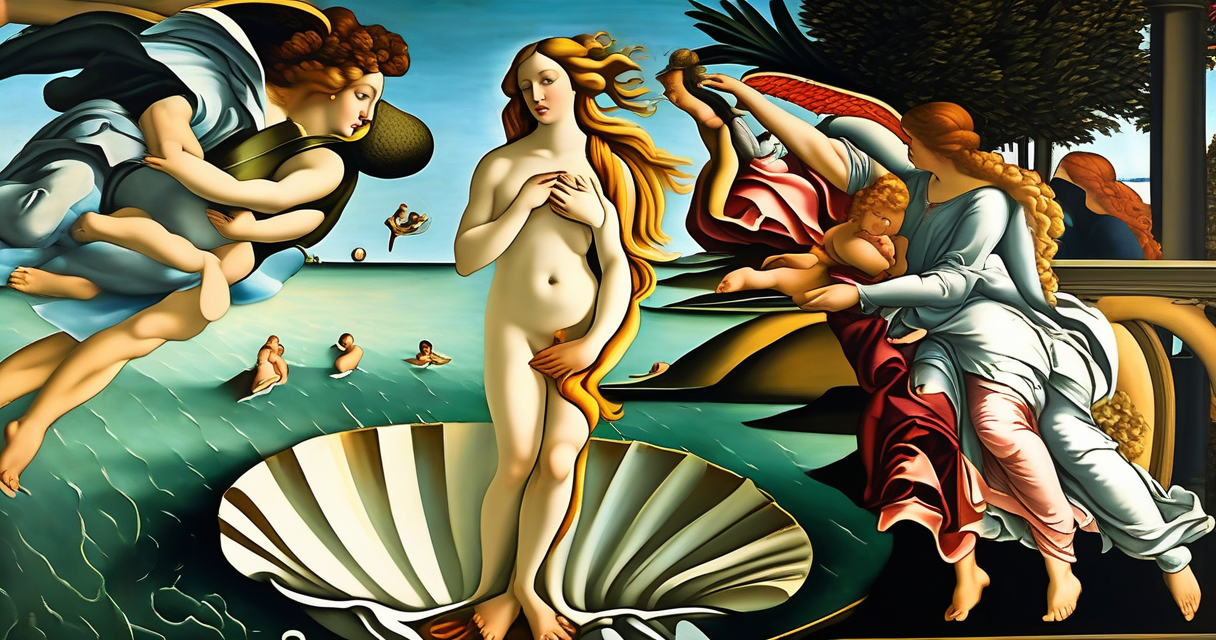
Not all myths are created equal when it comes to visual art. The best choices are those that align with your artistic voice and the emotional or conceptual core of your work. For example, Renaissance artists like Sandro Botticelli didn’t just pick myths randomly, they selected stories that reflected the humanist ideals of their time. Botticelli’s *The Birth of Venus* isn’t just a pretty scene; it’s a celebration of beauty, harmony, and the divine feminine, themes that resonated deeply with 15th-century Florence. Start by asking yourself: Does this myth evoke the mood I want to convey? Does it offer visual complexity, symbolism, drama, or narrative layers, that can be translated into a painting?
Begin with myths that have strong visual potential. Greek and Roman myths, for instance, are rich in iconic scenes, think of Athena emerging from Zeus’s forehead or Hercules battling the Hydra. These stories provide clear, dramatic compositions that translate well into artwork. Alternatively, explore lesser-known myths or reinterpreted versions; a contemporary artist might take the story of Pygmalion and frame it as a commentary on modern obsession with perfection. The key is to avoid overused tropes like Cupid and Psyche unless you’re adding a fresh twist. Research the original texts or cultural context to ensure you’re not just copying but reimagining. For instance, the myth of Medusa has been reworked countless times, but an artist could focus on her as a symbol of female rage rather than monstrosity, offering a new layer of meaning.
Study the Visual Conventions of Mythological Art
Mythological art has its own visual grammar, and mastering it means understanding how artists have traditionally depicted these stories. For instance, Botticelli’s use of elongated figures and serene landscapes in Primavera isn’t arbitrary, it’s a deliberate choice to evoke a dreamlike, almost allegorical quality. These conventions include specific poses, lighting, and symbolic objects. A winged victory figure, for example, is instantly recognizable as a symbol of triumph, often used in Renaissance and Baroque art to frame heroic moments. Before jumping into your own work, study how these elements have been used historically. Look at the way light falls in Caravaggio’s Judith Beheading Holofernes, the dramatic chiaroscuro isn’t just for effect; it’s a visual metaphor for the moral ambiguity of the scene.
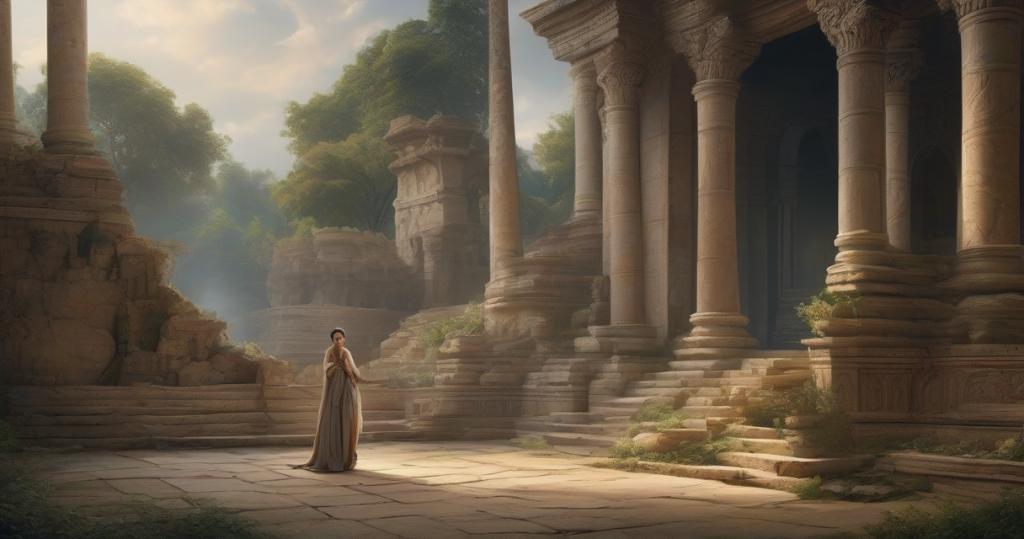
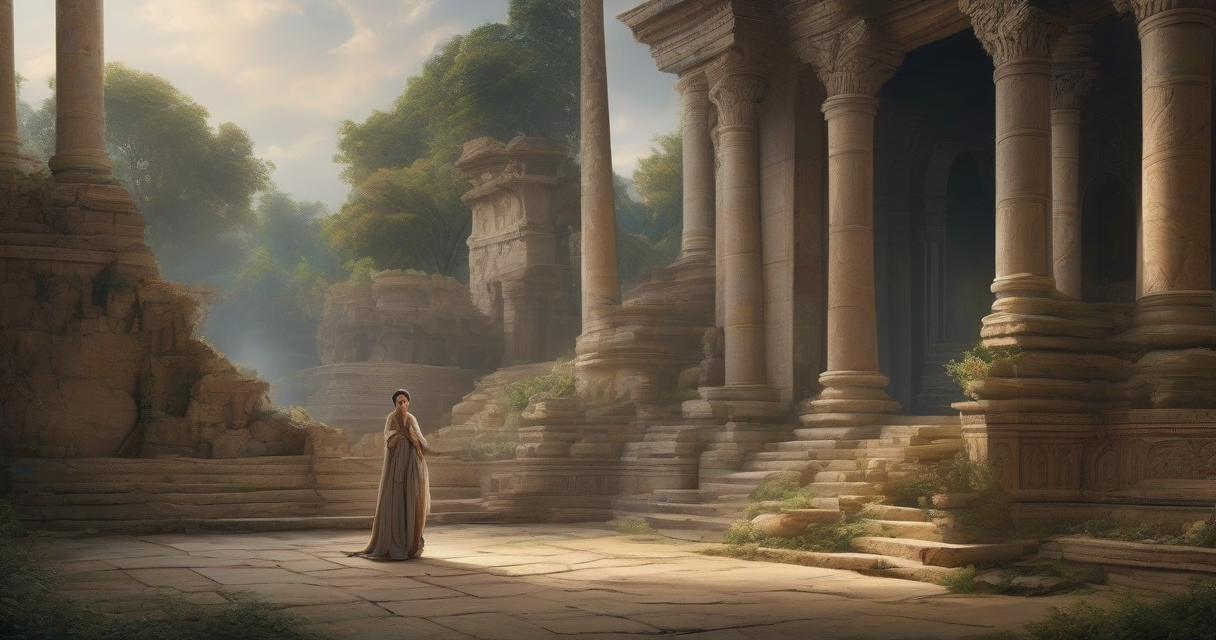
Pay attention to how artists have handled composition. Many mythological paintings follow a triptych or narrative sequence, where each panel tells a part of the story. For example, a triptych might show the preparation, the climax, and the aftermath of a mythic event. This structure can be adapted for modern art, even if you’re working in a single canvas. Another convention is the use of classical architecture or landscapes as backdrops, grounding the myth in a timeless setting. If you’re creating a piece inspired by the myth of Orpheus and Eurydice, you might incorporate the classical columns of a temple or the golden light of dawn to evoke the story’s themes of love and loss. Avoid simply replicating these conventions; instead, use them as a foundation to build your own unique interpretation.
Develop a Personal Mythological Palette
Color plays a crucial role in mythological art, often carrying symbolic weight that enhances the story. In Botticelli’s The Birth of Venus, the soft blues and greens of the landscape contrast with the warm golds of Venus’s hair and the sea, creating a sense of divine beauty. These colors aren’t chosen randomly, they’re part of a visual language that communicates the sacredness of the scene. Start by identifying the colors associated with specific myths or deities. For example, in Hindu mythology, the color blue is often linked to Lord Krishna, symbolizing the infinite sky and divine coolness. If you’re working with a Greek myth, consider the traditional associations: red for passion or sacrifice, gold for divinity, and black for mystery or the underworld.
On the Art Across Cultures channel, they explore how mythology influences animal symbolism in art, and you can watch it right here.
Experiment with how these colors interact in your work. A modern artist might take the myth of Prometheus and use a palette dominated by cold blues and stark whites to emphasize the isolation of the titan’s punishment. Alternatively, you could juxtapose warm tones with cool ones to highlight the tension between creation and destruction. Don’t be afraid to break traditional color associations if it serves your story. For instance, a contemporary take on the myth of Persephone might use deep purples and blacks to evoke the underworld, but with a twist, perhaps incorporating neon accents to represent the modern struggle between tradition and modernity. Your palette should reflect the emotional tone you want to convey, whether it’s the solemnity of a funeral scene or the exuberance of a festival.
Incorporate Symbolic Objects and Gestures
Mythological art is full of symbolic objects that carry deeper meanings. In Botticelli’s The Allegory of Spring, the zodiac signs and floral motifs aren’t just decorative, they’re references to the cycles of nature and human life. These symbols can be powerful tools for adding layers of meaning to your work. For example, a laurel wreath is a classic symbol of victory, often used in art to crown heroes or deities. If you’re depicting a mythical battle, placing a laurel wreath on the head of a victorious figure can instantly communicate triumph. Similarly, a broken column might symbolize the fall of a civilization, while a mirror could represent vanity or self-reflection. Research the symbolic meanings of objects in different mythologies, some symbols overlap across cultures, while others are unique to specific traditions.
Gestures and body language are equally important. A raised arm can signify defiance or a call to action, while a bowed head might indicate sorrow or submission. In the myth of Narcissus, the character’s fixation on his reflection is conveyed through his posture and gaze. When depicting mythological scenes, pay attention to how characters interact with their environment and each other. A clenched fist could represent anger or determination, while a folded hand might suggest humility or prayer. These details add subtlety and depth to your artwork, making it more engaging for viewers. If you’re unsure about the right gesture, study how it’s been used in historical art, then adapt it to fit your modern interpretation. For example, a contemporary artist might use a smartphone instead of a traditional object to symbolize modern obsession or distraction.
Avoid Common Pitfalls in Mythological Art
One of the biggest mistakes in mythological art is treating the story as a mere backdrop rather than a central focus. A painting that simply places mythical characters in a beautiful setting without exploring their emotions or the narrative’s deeper meaning risks feeling shallow. For example, a painting of Zeus and Hera might look impressive with its dramatic lighting and classical figures, but if it doesn’t convey the tension between their relationship or the consequences of their actions, it misses the point. Always ask yourself: What is the emotional core of this myth? How does it relate to the human experience? If the answer is vague, your artwork might lack depth. Another pitfall is overcrowding the composition with too many characters or details. A mythological scene should feel balanced, with each element serving a purpose. If you’re struggling to keep it focused, consider breaking the story into multiple paintings or focusing on a single, pivotal moment.
Another common mistake is relying too heavily on clichés without adding fresh perspective. The myth of Cupid and Psyche has been painted countless times, but most versions follow the same formula: Cupid is a handsome boy, Psyche is a beautiful maiden, and the story is about love and temptation. To stand out, you might reimagine Cupid as a more complex figure, perhaps a young man with a troubled past, or Psyche as a woman who is both vulnerable and resilient. Similarly, the myth of the Minotaur has been used to explore themes of madness and confinement, but you could twist it to reflect modern anxieties about identity or isolation. The key is to challenge the viewer’s expectations while staying true to the essence of the myth. If you’re unsure how to approach a familiar story, look for less-told versions or lesser-known myths to draw from. For example, the myth of King Midas and his golden touch is often overlooked compared to more dramatic tales, but it offers rich opportunities for commentary on greed and regret.
Balance Tradition and Innovation in Your Approach
While it’s important to respect the conventions of mythological art, the best artists find ways to innovate within those frameworks. Sandro Botticelli’s work, for instance, blends classical mythology with Renaissance humanism, creating a visual language that feels both timeless and fresh. If you’re working with a mythical theme, consider how you can update its visual language without losing its essence. For example, you might depict the myth of Pandora’s box using modern materials like glass or metal to represent the fragility and allure of human curiosity. Alternatively, you could use abstract forms or unconventional perspectives to reinterpret a traditional scene. The goal isn’t to reject tradition but to evolve it, ensuring your work feels relevant to contemporary audiences. One way to achieve this is by incorporating elements from other art movements or cultural traditions. For instance, a painter might blend Renaissance techniques with modern abstract expressionism to create a mythological piece that feels both grounded and avant-garde.
Another way to balance tradition and innovation is by using mythological themes to explore contemporary issues. The myth of Sisyphus, for example, has been reinterpreted countless times to symbolize the futility of modern life or the relentless pursuit of goals. If you’re creating a piece inspired by this myth, you might focus on a modern character, perhaps a worker trapped in a monotonous job, while still keeping the core narrative of endless labor. This approach allows you to connect ancient stories to today’s experiences, making your artwork more resonant. Similarly, you could use the myth of the labors of Hercules to comment on the pressures of modern life, such as the struggle to balance work and personal growth. The key is to find a balance between honoring the myth’s original meaning and giving it new life through your unique perspective. If you’re unsure where to start, begin by sketching out different interpretations of the same myth and comparing how each version feels, traditional, modern, or somewhere in between.

I have spent years transforming my home into a personal gallery, constantly hunting for unique pieces that bring walls to life. There is nothing quite like the thrill of discovering an emerging artist online and finding the perfect artwork to complement a room. I am passionate about helping others navigate the world of digital art markets to find authentic pieces that truly resonate with their style.