

The art of portraiture is more than just capturing a face, it’s a reflection of cultural identity, technical mastery, and the artist’s ability to convey personality through brushstrokes or digital pixels. Whether you’re a collector looking to understand the value behind a historical portrait or an artist seeking inspiration from traditional techniques, recognizing these traditions can help you appreciate and even replicate the timeless appeal of portrait art. From the meticulous realism of Renaissance masters to the symbolic depth of Chinese ink portraits, each tradition offers unique lessons in composition, emotion, and craftsmanship, lessons that remain relevant whether you’re curating a gallery or commissioning a custom piece online.
Identify the Core Techniques of Renaissance Portraiture
The Renaissance period, roughly spanning the 14th to 17th centuries, revolutionized portraiture by introducing techniques that prioritized anatomical accuracy and psychological depth. Artists like Leonardo da Vinci and Raphael perfected sfumato, a method of blending colors and tones so subtly that transitions between light and shadow appear seamless. This technique wasn’t just about realism, it was about creating a sense of three-dimensional presence on a flat surface. For collectors or artists today, studying these methods means paying close attention to how light interacts with textures, whether it’s the smooth skin of a noblewoman or the intricate folds of a robe. A common mistake is over-smoothing transitions, which can make a portrait look unnatural. Instead, focus on gradual shifts in tone, especially around the eyes and lips, where subtle gradations convey emotion without overpowering the subject.
Another hallmark of Renaissance portraiture is the use of chiaroscuro, the dramatic contrast between light and dark to highlight the subject’s features. Titian, for example, used this technique to create portraits that felt almost sculptural, with shadows deepening the contours of the face. When replicating or appreciating these works, observe how the artist directs the viewer’s gaze, often through the placement of light sources or the subject’s gaze. Modern artists can adapt these principles by experimenting with bold lighting in digital portraits, using tools like Photoshop’s layer masks to achieve similar depth effects. The key is balance: too much contrast can make a portrait look harsh, while too little can flatten the image. Aim for a 60-40 split between light and shadow areas to maintain visual interest.
Decipher the Symbolism in Chinese Ink Portraits
Chinese portraiture, particularly during the Ming and Qing dynasties, thrived on symbolic representation rather than strict realism. Unlike Western portraits that focused on physical likeness, Chinese ink portraits often conveyed status, personality, or even philosophical ideals through subtle cues. For instance, a subject’s hand placement could indicate their social rank, holding a scroll suggested scholarly achievement, while a fan might imply leisure or diplomacy. Collectors and artists today can decode these symbols by studying traditional motifs, such as peonies for prosperity or cranes for longevity. When commissioning a custom portrait inspired by these traditions, specify whether you want literal representation or symbolic storytelling. A common pitfall is ignoring cultural context; a portrait of a scholar without traditional attributes like a brush or inkstone might miss the point entirely.
The medium itself, ink on rice paper, demands a different approach than oil or acrylic. Chinese ink portraits rely on wu wei, or “non-action,” where the brushstrokes appear effortless yet deliberate. Artists achieve this by controlling the flow of ink, allowing it to dry naturally to create organic textures. For digital artists, this translates to using brush tools with low opacity settings to mimic the fluidity of ink. Pay attention to negative space; the absence of ink can be as meaningful as its presence. For example, a portrait might omit certain features to imply wisdom or detachment, a concept known as wu. When curating or creating such works, consider how minimalism can enhance emotional resonance, sometimes less ink says more.
Master the European Portrait Miniature’s Precision
Portrait miniatures, popular in Europe from the 16th to 19th centuries, were tiny works of art, often no larger than a postage stamp, yet they captured the subject’s essence with remarkable detail. Artists like Hans Holbein the Younger used fine brushes and layers of enamel paint to achieve lifelike textures on surfaces as small as a coin. The precision required for these pieces is a lesson in patience and technique. Modern artists can emulate this by working on high-resolution canvases or even digital canvases with 300 DPI settings, ensuring every brushstroke is crisp. A critical mistake is rushing the process; miniatures demand slow, deliberate work to avoid smudging or uneven layers. Start with a light sketch, then build up colors in thin, transparent glazes to mimic the luminous quality of enamel paint.
On Florent Farges – arts they cover techniques for portrait painting — you can watch it right here.

The subject matter in miniatures often reflected the sitter’s identity, whether a royal crest, a favorite pet, or a symbolic object like a locket. These details weren’t decorative; they were integral to the portrait’s narrative. When commissioning a miniature, specify whether you want historical accuracy or modern interpretation. For collectors, authenticity hinges on provenance; miniatures from the 17th century, for example, might include hidden signatures or subtle watermarks. Digital artists can replicate these elements by adding tiny, almost imperceptible details, like a barely visible monogram, to pay homage to the tradition. The challenge is balancing detail with scale; every element must serve the portrait’s emotional core without overwhelming it.
Explore the Anonymity and Mystery of “Master I.S.” Portraits
The identity of “Master I.S.,” an anonymous 16th-century Italian portraitist, remains one of art history’s most intriguing puzzles. His works, such as the Portrait of a Man with a Medal, blend Renaissance techniques with an almost modern psychological depth, suggesting a hidden narrative behind each subject. For collectors, these portraits offer a rare glimpse into the collaborative nature of art, many Renaissance works were attributed to workshops rather than individual artists. When evaluating anonymous or lesser-known portraits, focus on stylistic consistency: repeated motifs, like a specific type of ruff collar or a particular shadow cast, can point to a single artist’s hand. Digital artists can study these works to understand how to create portraits that feel both timeless and uniquely personal.
The mystery of Master I.S. also highlights the importance of context in portraiture. His subjects often wore medals or insignia that hinted at their roles, perhaps a merchant, a soldier, or a courtier. Without historical records, modern viewers must rely on visual clues to reconstruct their stories. This approach can inspire contemporary artists to embed subtle narratives into their own work, using props or background details to hint at a subject’s backstory. A common error is treating portraits as mere faces; the best works tell a story. For collectors, this means looking beyond the surface, examining the sitter’s gaze, posture, and surroundings to uncover layers of meaning. For example, a slightly averted eye might suggest shyness, while a clenched fist could imply determination.
Adapt Traditional Techniques for Modern Digital Portraits
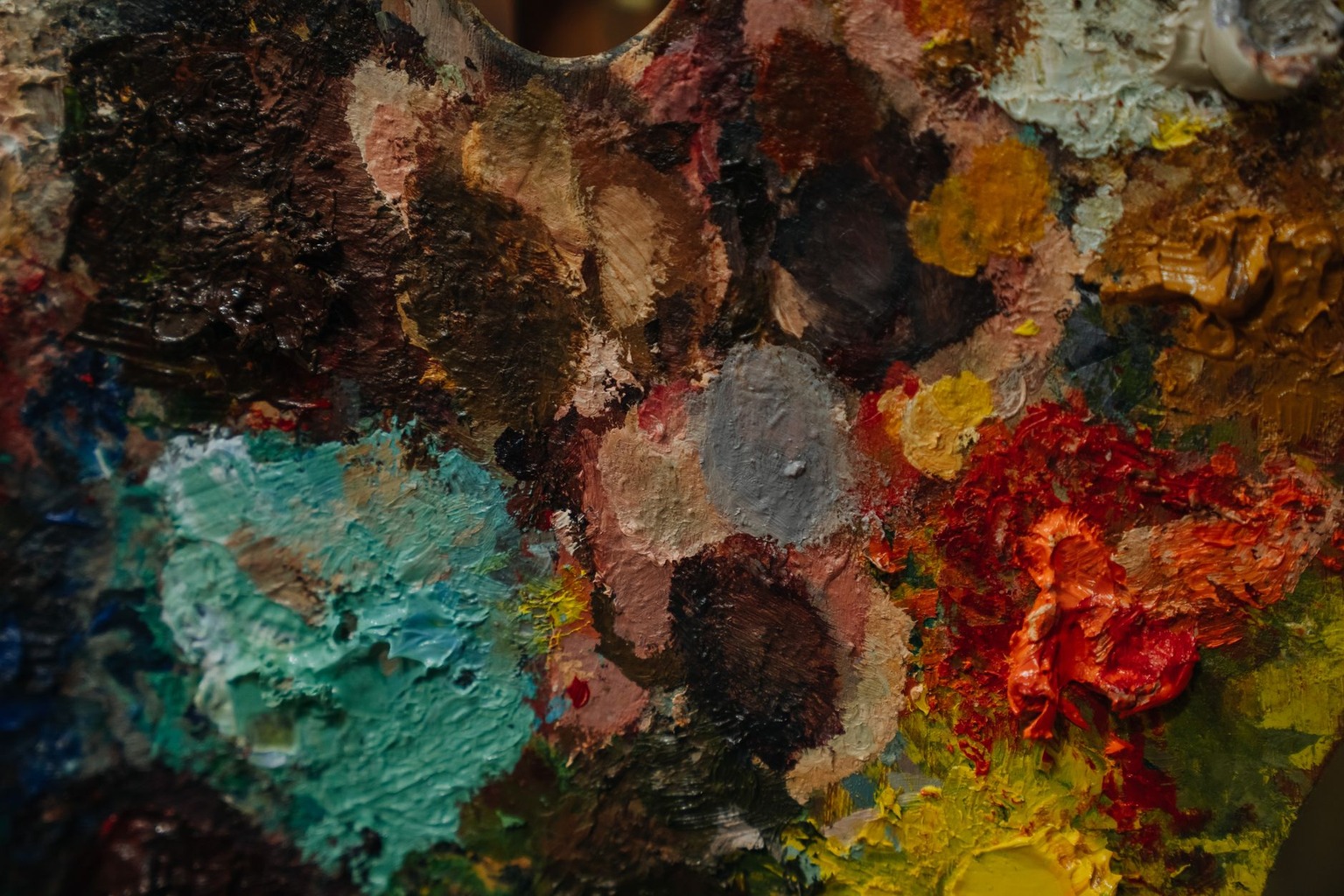
While traditional portraiture relied on physical mediums like oil, watercolor, or ink, digital artists today can adapt these techniques using software like Procreate, Photoshop, or even AI tools. The key is to replicate the feel of traditional methods rather than the mechanics. For instance, to mimic oil paint’s texture, use a brush with high texture settings and layer colors in thin, translucent layers, just as Renaissance artists did. Digital artists can also experiment with glazing, a technique where transparent layers of color build up to create depth, much like the glazes used in Renaissance portraits. The advantage of digital work is the ability to easily correct mistakes; however, over-reliance on tools like clone stamps can flatten the image. Instead, embrace imperfections, scratches, brush marks, or uneven textures, to add authenticity.
Another modern adaptation is using digital tools to enhance symbolic elements from traditional portraiture. For example, a Chinese ink portrait’s negative space can be translated into a digital canvas by using eraser tools to create deliberate voids. Similarly, the sfumato technique can be replicated in Photoshop using the smudge tool or gradient overlays to soften edges. Collectors and artists alike should experiment with blending traditional and digital techniques, perhaps starting with a traditional sketch and finishing it digitally, or vice versa. The goal is to honor the spirit of historical portraiture while pushing creative boundaries. For instance, a digital portrait inspired by Master I.S. might incorporate subtle glitches or digital artifacts to evoke the anonymity of the original artist’s identity.
Curate a Collection That Reflects Portrait Traditions
Building a collection that spans different portrait traditions requires more than just aesthetic preference, it demands an understanding of how each style reflects its cultural and historical context. Start by categorizing portraits by technique: group Renaissance works with sfumato, Chinese ink portraits with symbolic motifs, and miniatures by their scale. This organization helps highlight the diversity of approaches while reinforcing the unique qualities of each tradition. For collectors, provenance is critical; a portrait’s age and origin can significantly impact its value. For example, a 17th-century European miniature might be worth more than a modern replica due to its historical significance. When purchasing, ask sellers about the artist’s background, the materials used, and any documented history of the piece.
Another strategy is to pair traditional portraits with contemporary works that reinterpret these styles. For instance, a digital portrait inspired by a Renaissance masterpiece can sit alongside the original to showcase the evolution of technique. This approach not only enriches the collection but also demonstrates how art adapts over time. When curating, consider the emotional journey the collection should take, perhaps starting with the intimacy of miniatures, moving to the grandeur of Renaissance portraits, and ending with the anonymity of Master I.S.’s works. The arrangement should guide the viewer’s eye through different eras, creating a narrative flow. Lighting and framing also play a role; understated lighting can highlight the textures of oil paintings, while a minimalist frame can emphasize the simplicity of ink portraits. The goal is to create a space where each portrait feels like a chapter in a larger story.

I have spent years transforming my home into a personal gallery, constantly hunting for unique pieces that bring walls to life. There is nothing quite like the thrill of discovering an emerging artist online and finding the perfect artwork to complement a room. I am passionate about helping others navigate the world of digital art markets to find authentic pieces that truly resonate with their style.